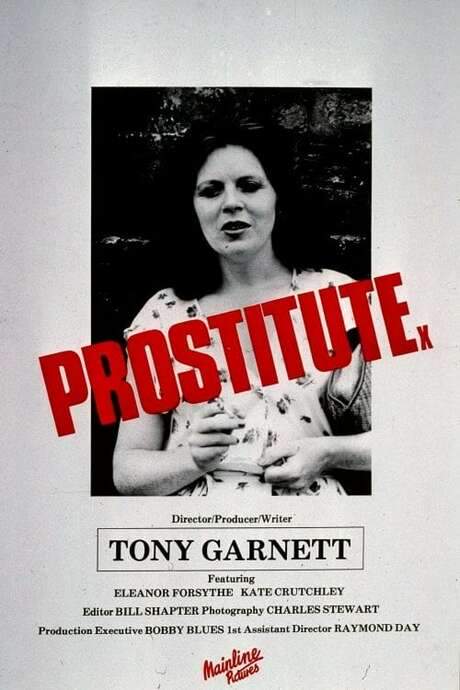
What Is Prostitute About?
The premise of Prostitute in 302 words, with nothing given away. The full story follows below.
In the industrial shadows of Birmingham, a close‑knit circle of women makes a living on the margins of society, bound together by an unspoken pact of care. The city’s gray streets pulse with a mix of quiet solidarity and the relentless hum of a system that keeps them invisible. Against this backdrop, the film adopts a raw yet compassionate tone, blending social realism with a lingering thread of hope that refuses to be smothered.
Sandra arrives from this world with a young child and a restless ambition to trade the precariousness of street work for something steadier, prompting her to set her sights on the promise of London’s wealthier clientele. At the same time, her close friend Louise, a dedicated social worker sharing a flat with Sandra, wrestles with the contradictions of outdated prostitution laws and the everyday harassment faced by the women she serves. Their friendship is a delicate balance of personal dreams and collective responsibility, each pushing the other toward a future that feels both possible and precarious.
The story also introduces Rose, another member of the Birmingham network whose family ties illustrate the generational ties that keep the community intact, while Andrea represents the London side of the trade, a seasoned worker who shows Sandra the pathways and perils of the capital’s underground. Within that world, the formidable presence of Mrs. T hints at the hierarchical structures that regulate the trade, underscoring the tension between autonomy and exploitation.
Through interwoven lives, the film paints a portrait of women navigating legal limbo, societal prejudice, and the fierce desire to protect their loved ones. The atmosphere oscillates between gritty realism and intimate moments of tenderness, inviting viewers to contemplate how hope endures amid systemic bias and how solidarity can become a quiet rebellion against a world that refuses to see them.
What Happens in Prostitute?
The complete story of Prostitute, from the first scene to the last, in 688 words (about 3 minutes). Spoilers throughout. Names in the text link to 4 cast member pages.
Spoilers ahead
In Birmingham, a close-knit network of women who work as prostitutes watch out for one another, sharing a quiet solidarity in a city that often treats them as invisible. One of them, Sandra, has a young child and dreams of moving beyond street pickups toward something steadier, something safer. Her friend Rose lives with her mother and a larger extended family of sex workers, and Rose is suddenly arrested by the vice squad while simply walking home, not actively soliciting clients. Under pressure to plead guilty, she is sentenced to three months in prison. At the same time, Louise—a social worker who shares a flat with Sandra—worries about how police harass these women and ignore their rights under the law, fueling a sense of injustice that will ripple through the story.
Louise’s concern grows into action as she recruits Rose’s mother to urge other local prostitutes to organize, form discussions, and eventually push for changes in the laws that govern their lives. She is so connected with Sandra that she even invites her to a wedding as a guest, though Sandra’s priorities pull her toward London in search of better opportunities. Louise’s research leads her to Griff, a lecturer on penal reform who takes an interest in the cause, but his grasp on the daily realities of sex workers’ lives remains shaky. Despite this, Louise is drawn to him personally and invites him to stay the night, briefly crossing paths with Sandra in the process.
The story then moves Sandra toward London, where she meets Andrea, a London-based sex worker who helps recruit, at a business event, several regional prostitutes into a new network. Sandra decides to move, arranging for Winston, a longtime friend, to watch over her teenage son during the transition. In London, Sandra is steered toward a difficult path: she works as a massage provider for the abrasive local boss Mrs. “T”, a person with whom Andrea has a fraught history. Andrea herself has left Mrs. T in a bitter split, and she warns Sandra that there will be no favors done for her in this line of work. The work grows harsher, with clients treating Sandra poorly in ways she hadn’t experienced in Birmingham, and she ultimately quits Mrs. T’s operation. In response, Andrea severs ties as well.
That precarious new life is rattled when corrupt vice police invade Sandra’s apartment without a warrant, plant drugs, and demand all her money and free sexual services to avoid arrest. The threat of corruption weighs heavily on Sandra, testing her resilience and complicating any hope she has of a safer livelihood. Louise, meanwhile, endures pressure from her supervisor who suggests she is becoming too involved with the women’s lives, yet her activism continues to draw more prostitutes into the conversation, attracting cautious interest from a local MP who sees the potential for broader reform. Rose is released from prison and returns to her mother and their extended family, a small victory that underscores the resilience of the community.
Back in Birmingham, Louise’s work gains traction as the BBC shows interest in documenting the cause, but she remains wary and insists on protecting the women who have trusted her with their stories. She carefully questions the researchers, hoping to avoid sensationalism and exploitation in the service of a compelling TV feature. Amid these ongoing struggles, Sandra returns to Birmingham but finds purpose in a quiet act of care: she goes to a park and helps other children on the swings, a powerful reminder that her parenting instincts and empathy survive the hardships she has faced.
Throughout the film, the characters’ lives intersect in a delicate balance of activism, personal risk, and stubborn hope. The story portrays how a community of women navigates legal systems, policing, and social stigma while striving to protect their families and push for change, even as they confront the daunting realities of life on the margins. The emotional core remains anchored in Sandra’s tenderness toward her son, Rose’s resilience, and Louise’s commitment to ensuring that the women she works with are heard, respected, and protected, no matter how daunting the obstacles may seem.
Prostitute Timeline: Every Key Event in Order
12 key events in the order they happen, from “Sandra's ambition to move beyond street pickups” to “Sandra's quiet return and parental empathy”. 10 events name a place, across 6 locations.
- 1
Sandra's ambition to move beyond street pickups
In Birmingham, Sandra dreams of a better life beyond taking street pickups. She starts imagining higher-paying work and wonders if London offers the opportunities she needs.
Where:Birmingham
- 2
Rose's arrest and guilty plea
Rose is arrested by the vice squad as she walks home, not actively seeking clients. She is pressured into pleading guilty and is sentenced to three months in prison.
Where:Birmingham
- 3
Louise forms an activist network
Louise, a social worker who shares a flat with Sandra, grows angry at police harassment of working-class prostitutes and the lack of legal rights. She recruits Rose's mother to help persuade other local prostitutes to form a discussion group aimed at changing the laws.
Where:Birmingham
- 4
Griff enters the story
While researching, Louise meets Griff, a lecturer on penal reform who takes an interest in the cause. He shows limited understanding of sex workers' lives, which becomes a point of friction in their dynamic.
- 5
Sandra meets Andrea and moves toward London
At a recruitment event for regional prostitutes, Sandra meets Andrea, a London-based worker who pushes her toward employment with Mrs. T. Sandra decides to decamp to London to pursue this path.
- 6
Sandra relocates and arranges care for her son
Sandra travels to London while arranging for her teenage son to stay with trusted friends. Louise and Winston commit to looking after him so Sandra can begin her new work.
Where:London
- 7
Sandra enters Mrs. T's employment
Sandra begins working as a dubious massage provider for abrasive local boss Mrs. T, navigating a predatory and high-pressure environment. Andrea’s warnings prove accurate as the job offers little protection or support.
Where:Mrs. T's premises
- 8
Tough days and a severed tie with Andrea
The work becomes increasingly hostile, and Sandra grows fed up with the treatment she receives. She quits Mrs. T's employ, and Andrea cuts ties with her as well.
Where:London
- 9
Police raid and coercion
A corrupt vice squad invades Sandra's apartment without a warrant, plants drugs, and then extorts money and free sexual services to avoid arrest. The intrusion underscores the dangers facing sex workers in the city.
Where:Sandra's apartment
- 10
Rose is released and reunites with family
After serving three months, Rose is released and happily rejoins her mother and their extended network of sex workers. The community continues to organize and support one another.
Where:Birmingham
- 11
BBC attention and documentary negotiations
Louise's activism attracts attention from the BBC to make a documentary about her cause, but she carefully questions the researchers to protect the women who trust her. She negotiates to avoid sensationalism and exploitation.
Where:BBC offices / research settings
- 12
Sandra's quiet return and parental empathy
Quietly, Sandra returns to Birmingham and, though she misses seeing her son, goes to a park to help other children on swings. The act shows her enduring parental empathy and care.
Where:Birmingham park
Who Are the Main Characters in Prostitute?
9 characters, among them Sandra (Eleanor Forsythe), Rose (Nancy Samuels) and Louise (Kate Crutchley): who each one is and the part they play in the story. 8 of them link to the actor’s page.
- S(
Sandra (Eleanor Forsythe)
Played by Eleanor Forsythe
Sandra is a Birmingham-based sex worker who dreams of earning more to support her child and escape precarious street work. She navigates hostile clients and police pressure, eventually attempting to move to London before returning to Birmingham to care for her son. Her journey shows resilience, maternal concern, and a longing for greater autonomy within a hostile system.
- ❗️ Mother
- 💪 Resilient
- 🧭 Ambitious
- R(
Rose (Nancy Samuels)
Played by Nancy Samuels
Rose is Sandra’s friend who lives with her mother and has multiple children. She is arrested by the vice squad and pressured to plead guilty, serving a short prison sentence. After release, she rejoins her mother and the broader community of sex workers, embodying vulnerability and solidarity.
- 👭 Friend
- ⚖️ Vulnerable
- 🏠 Community
- L(
Louise (Kate Crutchley)
Played by Kate Crutchley
Louise is a social worker who campaigns for sex workers’ rights, recruiting Rose’s mother to start a discussion group. Her activism draws attention from a BBC documentary, even as she confronts institutional pressure. She develops a complicated relationship with Griff while staying focused on reform.
- 👩⚖️ Activist
- 🏙️ Social Worker
- 💬 Media Interest
- G(
Griff (Colin Hindley)
Played by Colin Hindley
Griff is a lecturer on penal reform who takes an interest in Louise’s cause but reveals a lack of real understanding of sex workers’ lives. He becomes part of the story’s discourse on policy and reform, illustrating how theory can misread lived experience.
- 🎓 Academic
- 💡 Theorist
- 🧭 Detached
- A
Andrea
Andrea is a London-based sex worker who helps Sandra transition into a different line of work and warns her about the exploitative boss, Mrs. T. She guides Sandra toward more precarious work environments and ultimately cuts ties as circumstances change.
- 👭 London-based
- ⚖️ Exploitation Warning
- 🧭 Caution
- MT
Mrs. T (Brigid Mackay)
Played by Brigid Mackay
Mrs. T is an abrasive local boss in London who exploits workers and pressures them to accept unsafe conditions. Her operation embodies the predatory side of the sex-work economy and the vulnerability of workers who lack protections.
- 💼 Boss
- ⚖️ Power
- 🗝️ Exploitative
- W(
Winston (Count Prince Miller)
Played by Count Prince Miller
Winston is a longtime friend who helps Sandra look after her teenage son during transitional periods and supports her activism. He serves as a steady, pragmatic ally within the community, offering practical help and emotional support.
- 🤝 Friend
- 🏃 Support
- 🕊️ Stability
- RM
Rose's Mother (Phyllis Hickson)
Played by Phyllis Hickson
Rose’s mother is an elder figure in the community who participates in recruiting others to form discussion groups. Her past experience as a sex worker informs her involvement and lends legitimacy to the organizing efforts.
- 👵 Elder
- 👭 Community
- 🕊️ Resilience
- J(
Joseph (Joseph Senior)
Played by Joseph Senior
Joseph is Sandra’s teenage son, whose welfare motivates her decisions and search for stability. Although not central to every scene, his presence anchors the film’s emphasis on parental responsibility and protective instincts.
- 🧒 Son
- 👨👩👦 Family
- 🕊️ Hope
Where and When Is Prostitute Set?
Prostitute is set in Birmingham and London. Here is why the place matters to the story.
When
The events unfold in a contemporary urban Britain, focusing on policing, social services, and media attention around sex work. It portrays ongoing tensions between exploitation, stigma, and efforts at reform. The setting emphasizes current-day social dynamics without anchoring to a specific year.
Where
Birmingham, London
The story moves through Birmingham, a gritty urban setting where the vice squad harasses sex workers and community ties form around shared hardship. It also shifts to London, a larger metropolis presenting a harsher market and greater opportunities for exploitation and ambition. The contrast between the two cities highlights how place shapes access to rights, protection, and community support for sex workers.
- 🏙️ Urban
- 🚓 Police
- ⚖️ Social issues
What Are the Themes of Prostitute?
4 ideas the story keeps returning to, among them Empowerment, Injustice and Moral Ambiguity.
-
01
Empowerment
The film follows Louise and other sex workers as they organize discussion groups and seek legal reform, illustrating how collective action can challenge stigma and oppression. It shows women supporting one another, sharing knowledge, and trying to gain agency within a hostile system. The emergence of activism demonstrates resilience in the face of harassment.
-
02
Injustice
Prostitution is framed through a lens of policing and legal vulnerability, with raids, coerced pleas, and drug planting highlighting abuses of power. The narrative exposes how working-class women bear the burden of criminalization and stereotype. It also questions the efficacy and integrity of institutions supposed to protect them.
-
03
Moral Ambiguity
Griff’s interest in penal reform and the BBC’s documentary project reveal the tension between reformist intent and sensationalist media. The characters’ motives are imperfect, and good intentions sometimes collide with a lack of real understanding of sex workers’ lives. This ambiguity invites viewers to question who benefits from activism and storytelling.
-
04
Family & Parenthood
Sandra’s relationship with her teenage son serves as a core motivator for seeking stability and better opportunities. The film explores how parenthood shapes decisions under pressure from clients, police, and social services. Even as she faces separation and risk, her parental empathy remains a guiding force.
What Kind of Film Is Prostitute?
Melancholic in tone, with steady pacing and a moderate story, going by the plot summary.
- Tone
- Melancholic
- Pacing
- Steady
- Story
- Moderate
- Intensity
- Medium
- Ending
- Bittersweet
A sobering and socially conscious drama that follows the interconnected lives of sex workers and activists, marked by gritty realism, quiet moments of resilience, and a persistent sense of injustice.
- gritty
- resilient
- somber
- socially conscious
- oppressive
- quietly hopeful
- prostitution
- social justice
- friendship
- class struggle
Content notes: sexual exploitation, police corruption, harassment, incarceration.
Quiz
How well do you remember Prostitute? Test yourself on the story.