What Is White Man’s Burden About?
The premise of White Man’s Burden in 314 words, with nothing given away. The full story follows below.
In a near‑future America where the balance of power has shifted, black elites occupy the boardrooms and mansions while white communities are largely confined to decaying inner‑city neighborhoods. The city itself feels split in two: sleek glass towers overlooking polished suburbs, and cramped, graffiti‑stained blocks where the streets echo with the relentless grind of survival. This stark reversal creates a tense, almost palpable undercurrent, a world that feels both familiar and unsettlingly inverted, where every interaction carries the weight of history turned on its side.
Louis Pinnock is a white factory worker at a chocolate plant, living with his wife and two children in a cramped apartment that teeters on the brink of eviction. With limited education and few prospects, he clings to the fragile stability of his modest job, hoping each shift will be enough to keep his family afloat. When an opportunity arises to deliver a package for a powerful figure, he sees a chance to prove his reliability and perhaps glimpse a way out of his grinding routine. The simple act of stepping into a world far removed from his own becomes a catalyst for the film’s central tension.
Thaddeus Thomas is a charismatic black CEO whose wealth and influence stand in stark contrast to the streets Louis knows so well. The moment Louis is tasked with entering Thomas’s guarded estate, the collision of two disparate realities becomes evident: a man accustomed to navigating a hostile, poverty‑stricken neighborhood is suddenly thrust into an environment of opulence, scrutiny, and hidden expectations. A brief, misunderstood encounter during the delivery sets off a chain of consequences that forces both men to confront the uneasy divide that defines their society. The film’s tone is unflinching and atmospheric, blending social critique with a simmering sense of dread, as it asks what happens when the fragile veneer of order is cracked by a single, seemingly innocuous mistake.
What Happens in White Man’s Burden?
The complete story of White Man’s Burden, from the first scene to the last, in 810 words (about 4 minutes). Spoilers throughout. Names in the text link to 2 cast member pages.
Spoilers ahead
At a lavish dinner at the home of Thaddeus Thomas, a wealthy CEO, a chilling stereotype is voiced: white people are “genetically inferior” because their children grow up without fathers. This controversial point of view sets the tone for a story that braids personal desperation with a wider social divide, and it foreshadows the coming clash of two men from starkly different worlds.
Trying to improve his life, Louis Pinnock, a white candy factory worker with little education, takes a bold step to redeem himself: he offers to deliver a package to Thomas after his shift. He is allowed onto the Thomas property by a white gatekeeper, and in a moment that will haunt him, he accidentally glimpses Thomas’s wife through a window. The sight sparks alarm, and Thomas immediately complains to the company’s vice-president, expressing a desire for a different delivery man rather than a “peeping Tom.” The vice-president, sensing the political charge of the moment, fires Pinnock on the spot. This firing is not merely a professional setback; it becomes a catalyst for a decline that will ripple through Pinnock’s life.
Pinnock returns, seeking a chance to clear up the misunderstanding, but Thomas is tied up in an important business meeting and cannot meet. He sends a polite apology and promises to see what can be done, yet Pinnock is left without recourse. With no education, few connections, and limited options, Pinnock struggles to find work and support his family. The family faces eviction, and the police arrive with the landlord to enforce it—Pinnock’s wife and their two children are forced to vacate their home. The weight of poverty presses down, and Pinnock’s mother-in-law makes it clear there is no room for him at her house.
A broken-down truck forces Pinnock to walk, and later that night the police mistake him for a bank robber because he “fits the description.” A bar crowd erupts, bottles fly, and the police are driven back by the growing mob outside. Pinnock is beaten, and the scene underscores how quickly fear and anger can spiral into violence. From this moment, the path to justice—and to a humanity-saving connection between the two men—will become perilously entangled.
In a desperate bid for restitution, Pinnock kidnaps Thomas at gunpoint, demanding a sum he believes will right the wrongs done to him and his family. He forces Thomas to endure a weekend in his own neighborhood, a place where the realities of poverty, segregation, and daily indignities press close to every corner. Thomas remains prickly and unsympathetic for much of the journey, accusing Pinnock of being a failure who blames the world for his problems. Yet Pinnock persists, taking Thomas through the ghetto to an abandoned building, hoping to expose him to a world he has tried to forget.
During this perilous excursion, Thomas experiences moments of raw exposure to life as Pinnock lives it—moments that begin to shift his perspective. The trip becomes a tense exchange, a confrontation that forces both men to confront their biases and the cost of a system that has left Pinnock without safety nets. Thomas’s demeanor evolves as he witnesses the resilience, struggles, and small rituals that define daily life in Pinnock’s world. But the emotional arc reaches a grim apex when Thomas suffers a heart attack; Pinnock’s CPR attempts fail to save him, and the moment becomes a stark reminder of the fragility of life when social divides feel insurmountable.
The crisis culminates in a violent confrontation as Pinnock, trying to draw in the authorities by signaling with a burst of shattered storefront windows, is shot and killed by police who mistake him for an armed threat. The death underscores the lethal consequences that can arise when fear, bias, and those divides collide in moments of crisis.
In the aftermath, the chastened CEO visits Pinnock’s grieving widow to offer money he believes could make amends. She refuses the gesture, and with a quiet, devastating line she reframes the question of compensation: “And how much do you think would be enough?” The question lingers, a stark reminder that money cannot heal the deep wounds caused by prejudice and inequality. The film closes on this somber note, inviting viewers to reckon with the pressures of unspoken grievances and the fragile line between justice and tragedy.
This story stacks intimate human moments—the fear of unemployment, the humiliation of eviction, the bite of bias, the stubborn pull of pride—against a broader social critique. It uses the relationship between these two men to probe how fear and misunderstanding can escalate into violence, and how a single misread act can ripple outward, transforming lives in unforeseeable ways. The result is a stark, unflinching look at the costs of racism and economic disparity, told through a tense, character-driven narrative that never shies away from its troubling questions.
“genetically inferior” because their children grow up without fathers.
White Man’s Burden Timeline: Every Key Event in Order
11 key events in the order they happen, from “Dinner dialogue on racial beliefs” to “Widow receives offer and rebuff”. 11 events name a place, across 9 locations.
- 1
Dinner dialogue on racial beliefs
During a dinner at his house, Thaddeus Thomas proclaims that white people are genetically inferior because their children grow up without fathers. The remark establishes the racial tension that drives the film's conflict. It foreshadows the resentment Pinnock will feel and the social fault lines the story explores.
When:Evening Where:Thomas residence
- 2
Delivery job ends in firing
Pinnock is admitted onto the Thomas property for a delivery, but he accidentally sees Thomas's wife through a window. Thomas complains to the factory's vice president during a dinner at his house that Pinnock behaved like a peeping tom. The vice president takes the message to heart and fires Pinnock immediately.
When:Evening Where:Thomas residence
- 3
Attempt to resolve misunderstanding
Pinnock returns to discuss the misunderstanding, but Thomas is tied up in an important business meeting. He sends an apologetic message, but says there is nothing he can do to help. Pinnock begs for two minutes of his time, but Thomas refuses.
When:Evening Where:Thomas residence
- 4
Eviction and family displacement
With few options, Pinnock and his family are awakened by police and the landlord to enforce eviction, and they are forced to leave their home. The Pinnock family vacates their apartment, beginning a struggle to find shelter. His mother-in-law chastises him, saying there is not enough room for him at her house.
When:Early morning Where:Pinnock family home
- 5
Truck breakdown and march home
Pinnock's truck breaks down, and he is forced to walk to try to support his family. The day grows longer and more difficult as unemployment mounts. The breakdown underscores the precariousness of his situation.
When:Night Where:City streets
- 6
Mistaken identity and mob tension
At night, Pinnock is mistaken for a bank robber because he fits the description. A crowd outside a bar confronts the police, and bottles are thrown as the officers try to intervene. The police beat Pinnock, but the mob's anger drives the officers away.
When:Night Where:Bar area and nearby street
- 7
Pinnock kidnaps Thomas
In a desperate bid for justice, Pinnock abducts Thomas at gunpoint, demanding a large sum of money he believes is owed. He holds Thomas hostage over the weekend and leads him through the ghetto toward an abandoned building. The act marks a brutal turning point in their conflict.
When:Weekend Where:Starting near Thomas residence; through the ghetto
- 8
Ghetto journey and awakening
Pinnock guides Thomas through the realities of the ghetto, exposing him to poverty and discrimination. Thomas alternates between moments of familiarity with ghetto life and growing awareness of systemic racism. The journey challenges both men's beliefs and their power dynamics.
When:Weekend Where:Ghetto area and abandoned building
- 9
Heart attack and CPR
During the hostage ordeal, Thomas suffers a heart attack. Pinnock performs CPR, but Thomas does not respond. The moment underscores the fragile boundary between submission, violence, and compassion.
When:Weekend Where:Abandoned building
- 10
Pinnock killed by police
Pinnock tries to attract help by shooting a store window, but the police mistake him for an armed suspect and fatally shoot him. The tragedy removes Pinnock as a direct challenger to the power structure and leaves the situation unresolved.
When:During the hostage crisis Where:Outside a store
- 11
Widow receives offer and rebuff
After the events, Thaddeus Thomas visits Pinnock's grieving widow and offers money as compensation. She refuses, and asks how much would be enough before slamming the door in his face. The scene closes the arc on guilt, restitution, and the limits of wealth.
When:After events Where:Widow's home
Who Are the Main Characters in White Man’s Burden?
6 characters, among them Louis Pinnock (John Travolta), Thaddeus Thomas (Harry Belafonte) and Megan Thomas (Margaret Avery): who each one is and the part they play in the story. Every profile links to the actor’s page.
-

Louis Pinnock (John Travolta)
Played by John Travolta
A candy factory worker and family man who loses his job after a humiliating incident. Struggling with eviction and mounting pressures, he becomes driven by a desperate sense of injustice and a willingness to take drastic action. His actions expose the fragility of dignity when there is no safety net.
- 💼 Working-class
- 🥊 Struggle
- 🏚️ Poverty
-
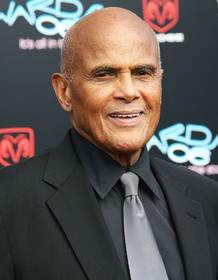
Thaddeus Thomas (Harry Belafonte)
Played by Harry Belafonte
A wealthy CEO who wields privilege and power with little apparent regard for others’ suffering. He is confronted by Pinnock and must face the limits of his control as events spiral toward violence. The film uses his perspective to explore how power can blind oneself to systemic harm.
- 💼 Power
- 🗽 Privilege
- 🚶 Detachment
- MT
Megan Thomas (Margaret Avery)
Played by Margaret Avery
Thomas's wife and a symbol of the domestic, privileged life that contrasts with Pinnock's struggles. Her presence highlights how wealth can separate different worlds within the same city. Her role underscores the personal stakes in the larger social conflict.
- 💍 Wealth
- 🏠 Domestic life
- ❤️ Relationship
-

Marsha Pinnock (Kelly Lynch)
Played by Kelly Lynch
Louis's wife, sharing in the family’s burdens and supporting their children. She embodies resilience and the emotional strain of poverty on a family. Her perspective anchors the film’s human cost beyond the courtroom and crime scenes.
- 👩👦 Family
- 🏚️ Housing
- ⚖️ Struggle
- DP
Donnie Pinnock (Andrew Lawrence)
Played by Andrew Lawrence
Louis and Marsha’s son, representing the next generation affected by the adults’ battles. His presence underscores the enduring impact of economic and racial conflict on children and families.
- 🏃 Youth
- 🧸 Innocence
- 🏚️ Struggle
- D(
Dorothy (Judith Drake)
Played by Judith Drake
Pinnock’s mother-in-law, who challenges Louis and voices expectations about family duty and resilience. Her stance reflects the traditional pressures and the generational tensions within the home.
- 👵 Elder
- 🏠 Family
- 🧭 Community
Where and When Is White Man’s Burden Set?
White Man’s Burden is set in Thomas residence, the ghetto, a bar, an abandoned building, a bus stop, a hot… (1990s). Here is why the time and place matter to the story.
When
1990s
The events take place in a contemporary United States setting during the 1990s, a period marked by rising economic disparity and visible racial tensions. The story uses familiar urban locales to reflect a society where opportunities are unevenly distributed. The timeframe underlines the immediacy of the conflict and the characters’ responses to systemic conditions.
Where
Thomas residence, the ghetto, a bar, an abandoned building, a bus stop, a hot dog stand
The film unfolds across a dense urban landscape, moving from the affluent grounds of the Thomas residence to the crowded, impoverished streets of the ghetto. The settings alternate between a private mansion and public spaces where tensions flare, capturing the stark contrast in living conditions. These locations serve as a backdrop for a dramatic clash over class, race, and access to justice.
- 🏙️ Urban
- ⚖️ Social divide
- 🏚️ Urban decay
What Are the Themes of White Man’s Burden?
3 ideas the story keeps returning to, among them Inequality, Racism & Police Violence and Empathy & Reckoning.
-
01
Inequality
The film centers on a stark divide between wealthy and poor, illustrating how economic status limits opportunities and fuels resentment. Pinnock loses his job, home, and dignity, while Thomas wields power as a CEO without fully grasping the consequences of his privilege. The narrative suggests that unequal systems incentivize both aggression and desperation.
-
02
Racism & Police Violence
Pinnock is brutalized by police who misidentify him, a moment that exposes systemic bias and a tendency to criminalize Black men. The crowd's anger at the police and the mob's intervention reveal community tensions and the precariousness of safety in an urban setting. The hostage crisis forces a confrontation with racial stereotypes and the consequences of prejudice.
-
03
Empathy & Reckoning
Thomas experiences a reckoning as he is forced to see the world from Pinnock’s lens. The journey into the ghetto challenges his worldview and prompts a moral transformation, though it ends in tragedy. The conclusion leaves a quiet, aching question about what justice could look like when empathy meets power.
What Kind of Film Is White Man’s Burden?
Dark in tone, with steady pacing and a straightforward story, going by the plot summary.
- Tone
- Dark
- Pacing
- Steady
- Story
- Straightforward
- Intensity
- High
- Ending
- Bleak
A tense and unflinching social drama that creates an oppressive atmosphere of desperation and systemic injustice, culminating in a bleak and tragic confrontation between two men from opposite ends of a prejudiced society.
- tense
- oppressive
- desperate
- gritty
- somber
- unflinching
- racism
- class struggle
- social injustice
- economic disparity
Content notes: police brutality, racial violence, eviction, fatal heart attack, police shooting.
Quiz
How well do you remember White Man’s Burden? Test yourself on the story.
Where to Watch White Man’s Burden
. US availability and prices from JustWatch.
Streaming availability in the US, powered by