White Man’s Burden 1995


In an America where black elites dominate and whites are confined to inner‑city ghettos, Louis Pinnock, a white chocolate‑factory worker, is mistaken for a voyeur while delivering a package for black CEO Thaddeus Thomas. He loses his job, is beaten by police and evicted, then grabs a gun, kidnaps Thomas and demands justice.


Does White Man’s Burden have end credit scenes?
No!
White Man’s Burden does not have end credit scenes. You can leave when the credits roll.
Meet the Full Cast and Actors of White Man’s Burden
Explore the complete cast of White Man’s Burden, including both lead and supporting actors. Learn who plays each character, discover their past roles and achievements, and find out what makes this ensemble cast stand out in the world of film and television.

John Travolta
Louis Pinnock

Bumper Robinson
Martin

Alexis Arquette
Panhandler
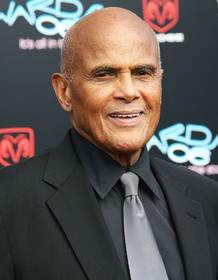
Harry Belafonte
Thaddeus Thomas

Tom Bower
Stanley

Sheryl Lee Ralph
Roberta

Seth Green
3rd Youth at Hot Dog Stand

Kelly Lynch
Marsha Pinnock

Tom Wright
Lionel

Carrie Snodgress
Josine
Margaret Avery
Megan Thomas
Andrew Lawrence
Donnie Pinnock
Kerry Remsen
Pregnant Woman at Bus Stop
Lawrence Bender
Bar Patron #1
Steve Wilcox
1st Youth at Hot Dog Stand
Thom Barry
Landlord
Judith Drake
Dorothy
Jason Kristofer
2nd Youth at Hot Dog Stand
Steve Larson
Bottle Thrower
External Links and Streaming Options
Discover where to watch White Man’s Burden online, including streaming platforms, rental options, and official sources. Compare reviews, ratings, and in-depth movie information across sites like IMDb, TMDb, Wikipedia or Rotten Tomatoes.







Take the Ultimate White Man’s Burden Movie Quiz
Challenge your knowledge of White Man’s Burden with this fun and interactive movie quiz. Test yourself on key plot points, iconic characters, hidden details, and memorable moments to see how well you really know the film.
White Man’s Burden Quiz: Test your knowledge of the 1995 film White Man’s Burden. Questions vary from easy to difficult and cover key characters, events, and themes.
What is the occupation of Louis Pinnock at the start of the film?
Full Plot Summary and Ending Explained for White Man’s Burden
Read the complete plot summary of White Man’s Burden, including all major events, twists, and the full ending explained in detail. Explore key characters, themes, hidden meanings, and everything you need to understand the story from beginning to end.
At a lavish dinner at the home of Thaddeus Thomas, a wealthy CEO, a chilling stereotype is voiced: white people are “genetically inferior” because their children grow up without fathers. This controversial point of view sets the tone for a story that braids personal desperation with a wider social divide, and it foreshadows the coming clash of two men from starkly different worlds.
Trying to improve his life, Louis Pinnock, a white candy factory worker with little education, takes a bold step to redeem himself: he offers to deliver a package to Thomas after his shift. He is allowed onto the Thomas property by a white gatekeeper, and in a moment that will haunt him, he accidentally glimpses Thomas’s wife through a window. The sight sparks alarm, and Thomas immediately complains to the company’s vice-president, expressing a desire for a different delivery man rather than a “peeping Tom.” The vice-president, sensing the political charge of the moment, fires Pinnock on the spot. This firing is not merely a professional setback; it becomes a catalyst for a decline that will ripple through Pinnock’s life.
Pinnock returns, seeking a chance to clear up the misunderstanding, but Thomas is tied up in an important business meeting and cannot meet. He sends a polite apology and promises to see what can be done, yet Pinnock is left without recourse. With no education, few connections, and limited options, Pinnock struggles to find work and support his family. The family faces eviction, and the police arrive with the landlord to enforce it—Pinnock’s wife and their two children are forced to vacate their home. The weight of poverty presses down, and Pinnock’s mother-in-law makes it clear there is no room for him at her house.
A broken-down truck forces Pinnock to walk, and later that night the police mistake him for a bank robber because he “fits the description.” A bar crowd erupts, bottles fly, and the police are driven back by the growing mob outside. Pinnock is beaten, and the scene underscores how quickly fear and anger can spiral into violence. From this moment, the path to justice—and to a humanity-saving connection between the two men—will become perilously entangled.
In a desperate bid for restitution, Pinnock kidnaps Thomas at gunpoint, demanding a sum he believes will right the wrongs done to him and his family. He forces Thomas to endure a weekend in his own neighborhood, a place where the realities of poverty, segregation, and daily indignities press close to every corner. Thomas remains prickly and unsympathetic for much of the journey, accusing Pinnock of being a failure who blames the world for his problems. Yet Pinnock persists, taking Thomas through the ghetto to an abandoned building, hoping to expose him to a world he has tried to forget.
During this perilous excursion, Thomas experiences moments of raw exposure to life as Pinnock lives it—moments that begin to shift his perspective. The trip becomes a tense exchange, a confrontation that forces both men to confront their biases and the cost of a system that has left Pinnock without safety nets. Thomas’s demeanor evolves as he witnesses the resilience, struggles, and small rituals that define daily life in Pinnock’s world. But the emotional arc reaches a grim apex when Thomas suffers a heart attack; Pinnock’s CPR attempts fail to save him, and the moment becomes a stark reminder of the fragility of life when social divides feel insurmountable.
The crisis culminates in a violent confrontation as Pinnock, trying to draw in the authorities by signaling with a burst of shattered storefront windows, is shot and killed by police who mistake him for an armed threat. The death underscores the lethal consequences that can arise when fear, bias, and those divides collide in moments of crisis.
In the aftermath, the chastened CEO visits Pinnock’s grieving widow to offer money he believes could make amends. She refuses the gesture, and with a quiet, devastating line she reframes the question of compensation: “And how much do you think would be enough?” The question lingers, a stark reminder that money cannot heal the deep wounds caused by prejudice and inequality. The film closes on this somber note, inviting viewers to reckon with the pressures of unspoken grievances and the fragile line between justice and tragedy.
This story stacks intimate human moments—the fear of unemployment, the humiliation of eviction, the bite of bias, the stubborn pull of pride—against a broader social critique. It uses the relationship between these two men to probe how fear and misunderstanding can escalate into violence, and how a single misread act can ripple outward, transforming lives in unforeseeable ways. The result is a stark, unflinching look at the costs of racism and economic disparity, told through a tense, character-driven narrative that never shies away from its troubling questions.
“genetically inferior” because their children grow up without fathers.

Coming soon on iOS and Android
The Plot Explained Mobile App
From blockbusters to hidden gems — dive into movie stories anytime, anywhere. Save your favorites, discover plots faster, and never miss a twist again.
Sign up to be the first to know when we launch. Your email stays private — always.
Explore the mobile appWatch Trailers, Clips & Behind-the-Scenes for White Man’s Burden
Watch official trailers, exclusive clips, cast interviews, and behind-the-scenes footage from White Man’s Burden. Dive deeper into the making of the film, its standout moments, and key production insights.
Cars Featured in White Man’s Burden
Explore all cars featured in White Man’s Burden, including their makes, models, scenes they appear in, and their significance to the plot. A must-read for car enthusiasts and movie buffs alike.
White Man’s Burden Themes and Keywords
Discover the central themes, ideas, and keywords that define the movie’s story, tone, and message. Analyze the film’s deeper meanings, genre influences, and recurring concepts.
White Man’s Burden Other Names and Titles
Explore the various alternative titles, translations, and other names used for White Man’s Burden across different regions and languages. Understand how the film is marketed and recognized worldwide.
Similar Movies To White Man’s Burden You Should Know About
Browse a curated list of movies similar in genre, tone, characters, or story structure. Discover new titles like the one you're watching, perfect for fans of related plots, vibes, or cinematic styles.




Quick Links: Summary, Cast, Ratings, More

What's After the Movie?
Not sure whether to stay after the credits? Find out!
Check out our other apps:

SAT Sphere
Build confidence for the Digital SAT.

Mori Atlas
Discover wild places worth protecting.

Luntero
Search smarter for a home in Amsterdam.

Plot Explained
Unravel movie endings and hidden clues.

Pokechamp
Dive into Pokémon data and battle logic.

Driving Theory
Get ready for your European theory test.

Movie Dust
Plan your next cinema trip with ease.

Musemap
Find art and culture as you travel.

Selkobase
Compare credentials before committing.

Local Manual
Turn an unfamiliar country into practical next steps.

Lernavi
Compare school systems before your next move.

GymRoam
Find a workout stop wherever your plans take you.
Explore Our Movie Platform
New Movie Releases (2026)
Famous Movie Actors
Top Film Production Studios
Movie Plot Summaries & Endings
Major Movie Awards & Winners
Best Concert Films & Music Documentaries
Movie Collections and Curated Lists
© 2026 What's After the Movie. All rights reserved.
Privacy Policy