



Where to Watch Walker
See current US streaming, rental, and purchase options for Walker (1987) via JustWatch.






Walker Plot Summary
Read the complete plot summary and ending explained for Walker (1987). From turning points to emotional moments, uncover what really happened and why it matters.
In 1853, William Walker, a seasoned soldier-of-fortune, flees Mexico after a failed attempt to spark an armed insurrection. He is brought to trial by a U.S. official for breaking the Neutrality Act, but wins acquittal after delivering a rousing speech to the jury.
Walker plans to settle down and start a newspaper, but his fiancée Ellen Martin dies of cholera. Soon after, American magnate Cornelius Vanderbilt offers him a mission: to bring stability to Nicaragua by aiding the Democratic Party in its civil war against the Legitimists, a move that would secure Vanderbilt’s rights to the critical overland shipping route. He accepts and gathers 60 mercenaries to join the effort.
Against heavy losses, Walker’s company scores brutal victories in Rivas and Granada. In the heat of battle, he strolls through the chaos with a calm, almost prophetic ease.
When the capital falls, the President remains in power while his mistress, Doña Yrena, seduces him.
Learning that the President plans to rally other Central American nations to expel the Americans, Walker orders the President executed for treason and seizes the presidency through a rigged election.
From 1855 to 1857, his rule grows more erratic. He revokes Vanderbilt’s license to the route and seizes ships, straining the alliance with his financier. When a brother challenges him, he kills him.
Cut off from supplies and reinforcements, he tries to export slavery to Nicaragua to win backing from the Southern states, prompting the African-American soldiers in his legion to desert. The pressure mounts as neighboring countries invade.
Yrena returns to try to stop the carnage, but he refuses and orders the town burned. Taking refuge in a church, he delivers a final, defiant speech to his remaining men and to Nicaraguan prisoners, declaring that the day will never come when America leaves Nicaragua alone, stating that > it is America’s destiny to be there
As troops accompany American forces to evacuate civilians, Walker declares himself as the President of the Republic of Nicaragua, but is ultimately left behind when foreign troops move in. The film ends with his execution on a beach by Honduran soldiers, followed by onscreen clips of U.S. President Reagan discussing Nicaragua and American military actions in the region.
Walker Timeline
Follow the complete movie timeline of Walker (1987) with every major event in chronological order. Great for understanding complex plots and story progression.
Flees Mexico and faces trial in the United States
In 1853, Walker flees Mexico after a failed attempt to incite an armed insurrection. He is subsequently arrested and placed on trial by a US official for violating the Neutrality Act. He delivers a rousing speech to the jury and wins acquittal.
Plans to settle down and start a newspaper
With his legal troubles behind him, Walker envisions a quieter life, planning to settle down and start a newspaper. He longs for stability away from constant conflict and looks to build a new chapter. The dream, however, is soon eclipsed by the opportunities beckoning him elsewhere.
Ellen Martin dies of cholera
Walker's fiancée Ellen Martin dies of cholera, cutting short his hopes for a domestic life. The loss deepens his resolve to seek glory and action abroad. The tragedy marks a turning point toward the Nicaragua venture.
Vanderbilt hires Walker to bring stability to Nicaragua
American millionaire Cornelius Vanderbilt offers Walker a job to stabilize Nicaragua by supporting the Democratic side in its civil war. He hires sixty mercenaries to join the mission, aligning with the broader goal of securing an overland route for trade. The deal marks the shift from personal ambition to international conflict.
First bloody victory at Rivas
Walker and his mercenaries score their first major victory in Nicaragua at Rivas, lifting their morale amid heavy losses. The battlefield tensions reveal Walker's calm presence as gunfire rages around him. The win paves the way for subsequent incursions into Conservative territory.
Conquest of Granada and Yrena's seduction
The troops push into the Conservative capital Granada as the city falls. Amid the chaos, Doña Yrena, the president's mistress, seduces Walker, complicating his ambitions and personal loyalties. The episode blurs the lines between politics and desire.
Walker executes the President and seizes power
Discovering that the President plans to rally neighboring Central American states against the Americans, Walker orders the President's execution for treason. He then assumes the presidency through a rigged election, consolidating control over Nicaragua. The coup marks a turning point toward autocratic rule.
Presidency becomes manic; clashes with Vanderbilt
From 1855 to 1857 Walker's rule becomes increasingly erratic and ruthless. He revokes Vanderbilt's license for the overland trade and seizes his ships, enraging his financier and destabilizing the economy. The strain worsens as supplies and reinforcements dwindle.
Brother challenges authority; Walker kills him
A challenge to Walker's authority from within his own ranks escalates into deadly violence, and he kills his brother without hesitation. The act demonstrates the depths of his ruthlessness and the fragility of his regime. It foreshadows the empire's imminent collapse.
Slavery introduced to win Southern support; deserters rise
Walker tries to attract support from Southern states by introducing slavery to Nicaragua, a controversial and incendiary move. In protest, African-American members of his legion quit the force, further eroding the cohesion of his army. The policy backfires by alienating his own troops and allies.
Neighboring nations invade; Yrena returns
As neighboring countries invade Nicaragua, Yrena returns to challenge Walker's rule and attempts to persuade him to stop the carnage. He refuses her pleas, and she flee after a failed attempt on his life. The conflict intensifies as internal and external pressures mount.
Destruction and final stand in the church
Walker orders the town burned as his numbers dwindle, taking refuge in a church with a few loyal soldiers and prisoners. He delivers one final speech asserting that the United States will never abandon Nicaragua and that conquest is its destiny. The speech riffs on grandiose nationalism in a bleak final stand.
Helicopter arrival and last defiant proclamation
A helicopter arrives with American troops, and a State Department agent orders all American citizens to be returned home. When asked his nationality, Walker proclaims, 'I'm William Walker, President of the Republic of Nicaragua,' and is left behind by the departing forces. The moment crystallizes his isolation and stubborn nationalism.
Walker is executed on the beach
With no backup and dwindling options, Walker is executed on the beach by Honduran soldiers. The act marks the definitive end of his short-lived attempt to reshape Nicaragua. The horizon closes on a career built on conquest and grandiose ambition.
Credits montage with Reagan clips
As the credits roll, a television montage displays clips of Ronald Reagan discussing U.S. involvement in Nicaragua and related military actions. The montage reinforces the film's political undertones and offers a reflective coda to Walker's saga.
Walker Characters
Explore all characters from Walker (1987). Get detailed profiles with their roles, arcs, and key relationships explained.
William Walker (Ed Harris)
A fearless yet increasingly delusional soldier-of-fortune who leads a mercenary force into Nicaragua. He climbs from insurrectionist to president through force and cunning, cherishing the belief that America’s destiny requires intervention abroad. His charisma masks a growing obsession with power, culminating in brutal acts and a fatal downfall on a beach.
Ellen Martin (Marlee Matlin)
Walker’s fiancée whose death from cholera marks a pivotal blow to his plans and personal life. Her loss foreshadows the radical path Walker takes and intensifies the personal toll of his political ambitions. She embodies a life that might have been, now sacrificed to the march of history.
Cornelius Vanderbilt (Peter Boyle)
A wealth-driven magnate financing Walker’s Nicaragua venture to secure an overland shipping route. He uses Walker as a instrument to stabilize the country and advance his commercial empire, becoming increasingly wary as Walker’s actions threaten his interests. Vanderbilt’s money and influence symbolize the commercial motives behind imperial intervention.
Yrena (Blanca Guerra)
Doña Yrena, the president’s mistress, weaves personal and political intrigue around Walker. Her seduction exposes Walker to manipulation, and her return culminates in a failed attempt to halt the carnage before she must flee. She represents the volatile blend of desire, loyalty, and ambition in a fragile regime.
Walker Settings
Learn where and when Walker (1987) takes place. Explore the film’s settings, era, and how they shape the narrative.
Time period
1853-1857
The story unfolds in the mid-19th century, beginning in 1853 with Walker’s escape from Mexico and culminating in his execution in 1857. It spans his rise during a chaotic period of civil war in Nicaragua, the manipulation of regional politics, and the broader context of American expansionism. The timeline highlights the clash between ambition, violence, and the quest for influence in Central America.
Location
Mexico, Nicaragua (Rivas, Granada)
The action shifts from Mexico to Central America, centering on Nicaragua's major cities of Rivas and Granada. The landscape evolves from frontier skirmishes to political machinations as Walker attempts to consolidate power and secure a critical overland trade route. The setting reflects 19th-century imperial ambitions and the volatility of Central American politics during this era.
Walker Themes
Discover the main themes in Walker (1987). Analyze the deeper meanings, emotional layers, and social commentary behind the film.
🧭
Imperialism
Walker’s campaigns are framed by a Manifest Destiny mindset, using military force to reshape Nicaragua for economic gain. The alliance with Vanderbilt underscores how wealth and power are leveraged to extend influence over distant territories. The narrative ties soldiering and conquest to the pursuit of strategic routes and resources in the region.
🔥
Power
The film follows Walker’s ascent from mercenary leader to self-proclaimed president, fueled by charisma and ruthless decision-making. A rigged election and decisive acts of violence demonstrate how power corrupts and isolates, even as supporters rally around a controversial figure. The ending juxtaposes old-world authority with modern military intervention.
💔
Tragedy
Ellen Martin’s death from cholera marks a turning point, converting personal loss into a driver for Walker’s relentless pursuit of dominance. The narrative threads tragedy through political ambition, showing how intimate losses ripple outward to shape historical events. The cost of ambition reverberates across relationships and nations alike.
⚖️
Law & Intervention
Walker’s trial under the Neutrality Act frames a clash between law, national interest, and personal defiance. The acquittal after a persuasive speech underscores how legal theater can obscure geopolitical agendas. The story also hints at how foreign powers and state actors intervene, blurring the line between justice and manipulation.

Coming soon on iOS and Android
The Plot Explained Mobile App
From blockbusters to hidden gems — dive into movie stories anytime, anywhere. Save your favorites, discover plots faster, and never miss a twist again.
Sign up to be the first to know when we launch. Your email stays private — always.
Explore the mobile appWalker Spoiler-Free Summary
Discover the spoiler-free summary of Walker (1987). Get a concise overview without any spoilers.
In the restless jungles and bustling port towns of mid‑19th‑century Central America, the scent of ambition hangs as heavily as the tropical heat. Nations teeter on the edge of civil war, while distant powers watch from the safety of distant shorelines, ever eager to turn turmoil into profit. The film immerses viewers in a world where trade routes are as coveted as crowns, and the line between private enterprise and national destiny blurs beneath a sky bruised with the promise of conquest.
At the heart of this storm stands William Walker, a charismatic soldier‑of‑fortune whose reputation is forged in the fires of countless skirmishes. Recently acquitted of a charge that could have ended his career, he carries the weight of a courtroom triumph and the fresh grief of losing his beloved Ellen Martin to a relentless cholera outbreak. When a shrewd magnate—Cornelius Vanderbilt—offers him a chance to reshape a nation’s future in exchange for securing a strategic shipping corridor, Walker sees both redemption and a new battlefield. His resolve is tempered by a restless intelligence and an unsettling calm that suggests he views the chaos ahead as a canvas for his own legend.
Gathering a ragtag legion of mercenaries, Walker crosses the border into Nicaragua with the audacious goal of orchestrating a coup d’état that could install a government more amenable to American interests. The expedition unfolds against a backdrop of volcanic landscapes, smoky taverns, and whispered conspiracies, where loyalties shift like desert sand and every decision carries the weight of an entire continent’s fate. The tone—equal parts gritty adventure and uneasy moral meditation—keeps the audience poised on the edge of history, wondering whether the man who dares to rewrite the map will become a visionary hero or a cautionary footnote.
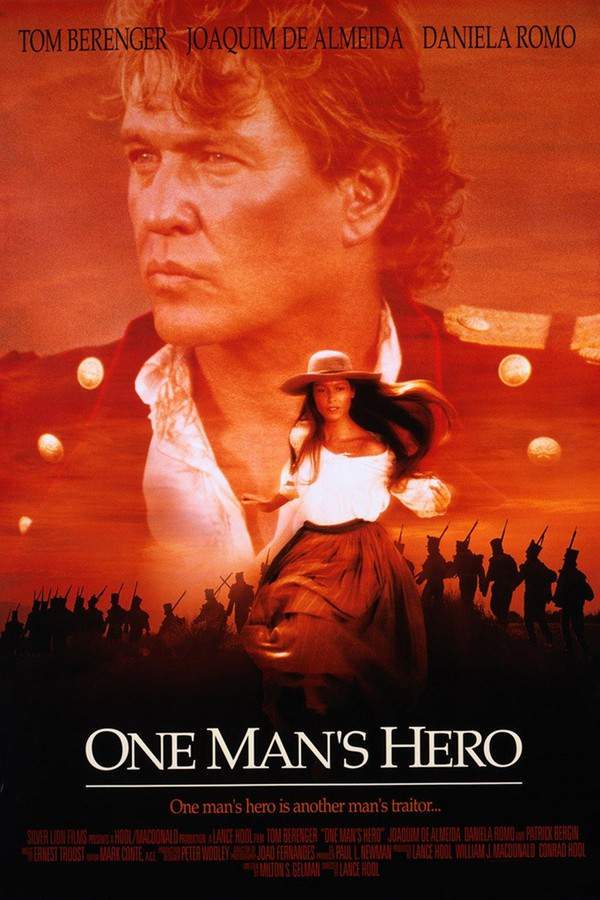
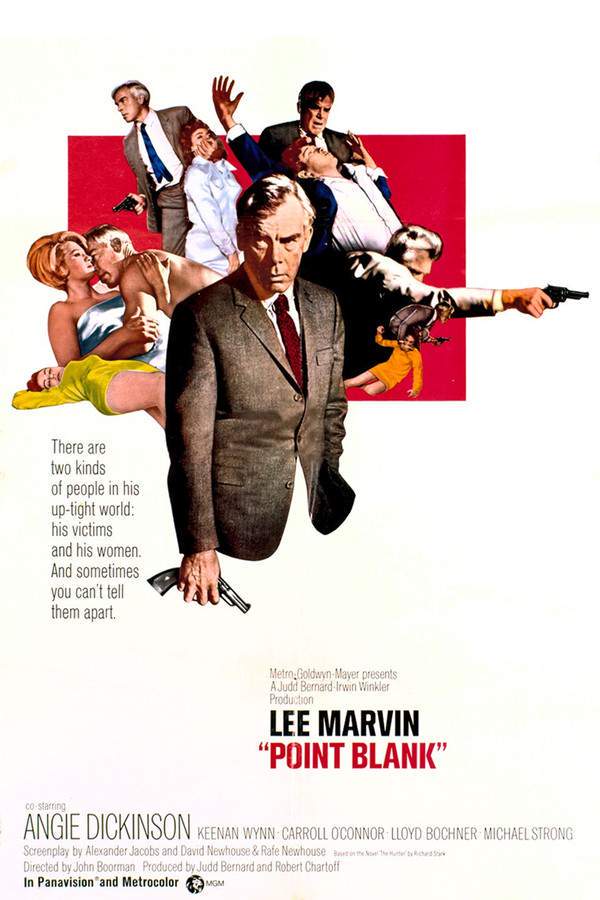
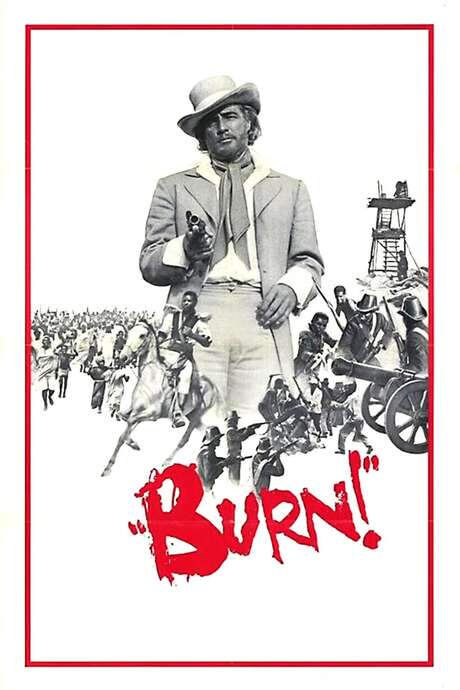
Movies with Similar Twists and Themes
Uncover films that echo the narrative beats, emotional arcs, or dramatic twists of the one you're exploring. These recommendations are handpicked based on story depth, thematic resonance, and spoiler-worthy moments — perfect for fans who crave more of the same intrigue.




Featured on this page

What's After the Movie?
Not sure whether to stay after the credits? Find out!
Check out our other apps:

SAT Sphere
Build confidence for the Digital SAT.

Mori Atlas
Discover wild places worth protecting.

Luntero
Search smarter for a home in Amsterdam.

Plot Explained
Unravel movie endings and hidden clues.

Pokechamp
Dive into Pokémon data and battle logic.

Driving Theory
Get ready for your European theory test.

Movie Dust
Plan your next cinema trip with ease.

Musemap
Find art and culture as you travel.

Selkobase
Compare credentials before committing.

Local Manual
Turn an unfamiliar country into practical next steps.

Lernavi
Compare school systems before your next move.

GymRoam
Find a workout stop wherever your plans take you.
Explore Our Movie Platform
New Movie Releases (2026)
Famous Movie Actors
Top Film Production Studios
Movie Plot Summaries & Endings
Major Movie Awards & Winners
Best Concert Films & Music Documentaries
Movie Collections and Curated Lists
© 2026 What's After the Movie. All rights reserved.
Privacy Policy