
Two Seconds 1932

Directed by
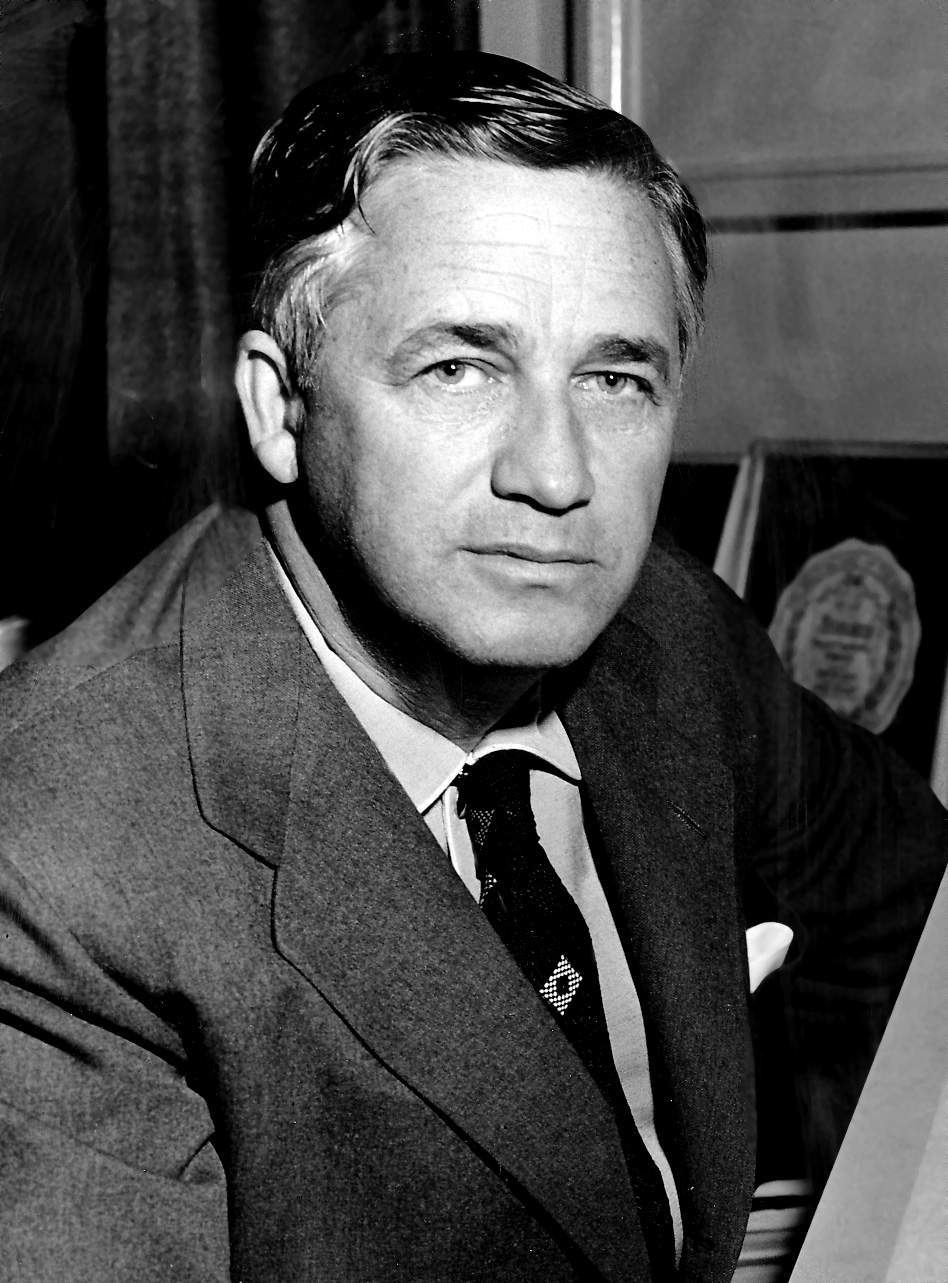
Mervyn LeRoy
Made by

First National Pictures
Two Seconds Plot Summary
Read the complete plot summary and ending explained for Two Seconds (1932). From turning points to emotional moments, uncover what really happened and why it matters.
As John Allen, a condemned murderer, is led to the electric chair, a witness asks the prison warden how long it takes for the condemned to die. > “A strongly built man like John Allen? It’ll take two seconds” and the witness adds, “That’ll be the longest two seconds of his life.” As the switch is flipped, the camera pulls back from the chair and the story unfolds in a series of flashbacks that reveal the choices, temptations, and betrayals that led to this fateful moment.
John works as a riveter alongside his friend and flatmate Bud Clark, earning about $62.50 a week—a surprisingly high wage that Bud jokes is “more than a college professor.” Bud is engaged to be married and tries to set John up for a night out, but John is wary of Bud’s matchmaking schemes, which often involve introducing him to women Bud calls “firewagons.” One evening, after Bud wins $38 on horse racing, the two men head out, and John quickly spots that one of Bud’s picks is bringing along a woman who seems like trouble. He leaves the group and ends up at a Taxi dance hall, where he meets the alluring dancer Shirley Day.
What begins as flirtation quickly spirals into a troubling dynamic. Shirley presents herself as educated and aspirational, claiming she wants a different life and that she’s in the hall to support sick parents back on a farm in Idaho, though her stories feel uneasy to John. He is drawn to the idea of a shared future—a lecture, a conversation about the world—but Shirley’s world soon proves more chaotic than cultured. After a tense night, she escorts John to a speakeasy, where alcohol is served in teapots to mask Prohibition. When John protests, Shirley insists they continue, mocking his discomfort and coaxing him toward a night of intoxication. The substance of the evening shifts from romance to drunken cynicism, and their bond becomes more transactional than tender.
Back at John’s apartment, the two weave a brittle marriage under a shroud of deception. Shirley bribes a Justice of the Peace to legalize their union, even as John staggers through the ceremony with a teacup still clinging to his finger—a symbol of bootleg liquor and, later, of betrayal. The landlady and a calculating circle of allies press for money, and Lizzie, the building’s cleaning lady Dorothea Wolbert, warns that consequences loom if debts aren’t paid. Shirley flaunts the new status, suggesting that marriage gives her leverage and access to resources that she claims she deserves.
As the months pass, Bud’s earlier warnings echo in John’s ears. The pair argue about Shirley’s influence, and Bud’s suspicions become sharper—he accuses Shirley of pulling John into a life of deceit, moving from one man to another with a practiced ease. The couple’s finances tighten, and John’s mental state frays under the weight of guilt and fear. A kindly doctor, Harry Beresford, is called in and diagnoses John’s problem as psychological rather than purely physical, offering a tonic that does little to steady the roiling currents in John’s mind.
Shirley, hungry for status, presses John toward risk and displays a willingness to bend reality to fit her needs. She even enlists the help of Tony, a slick dance hall owner, and uses money from the dance hall’s world to fuel her acquisitions. The situation grows more unstable as Shirley tries to recruit Bud’s former partner, Annie, to a job at the hall, a move that further complicates John’s sense of loyalty and protection. The apartment becomes a pressure chamber, and the money he wins from Tony’s bookie network—Bookie, the horse-racing bookie—offers a dangerous path to ease debts that may never truly be paid.
In a decisive moment, John confronts Shirley and her world with a brutal clarity. He takes a portion of the winnings and confronts Shirley’s duplicity, handing money to Tony and accusing Shirley of turning him into a liability. The film tightens into a single grim image: John, driven by a mixture of rage, fear, and heartbreak, becomes capable of violent action. He shoots Shirley multiple times as Tony flees in terror, a stark turn from the man who once spoke of lectures and promises.
The courtroom becomes John’s final stage. In a harrowing allocution, he laments that he might have sought a defense of insanity but chose another path, pleading with the court in a broken, almost feverish cadence: “It isn’t fair! It isn’t fair to let a rat live and kill a man! It isn’t reasonable! It don’t make sense! I won’t let you do it!” The judge, faced with a man who has found a terrible logic in his own downfall, explains that insanity could have been raised as a defense, but the path chosen leads to a sentence of death.
Throughout the film, the characters maneuver in a world where trust is scarce and violence hides in plain sight. The Warden, portrayed by Berton Churchill, embodies the cold procedural reality of capital punishment, while the other figures—ranging from the stern Judge Frederick Burton to the pragmatic Prison Doctor Edward McWade—underscore the film’s unflinching look at guilt, responsibility, and the costs of a life spiraling out of control.
In the end, the old life—the camaraderie of the riveters, Bud’s ideals, and the fragile dream of Shirley’s “education”—collapses under the weight of choices made in a single night of desire and desperation. The execution is set, the motive is clear, and the film closes on a note that is bleak in its honesty: justice is swift, and a man’s fate can hinge on the smallest decisions, the strongest emotions, and the perilous lure of a life that seems easier than the truth.
Two Seconds Timeline
Follow the complete movie timeline of Two Seconds (1932) with every major event in chronological order. Great for understanding complex plots and story progression.
Prison execution opens the flashback
John Allen is led toward the electric chair as a witness asks how long death takes. The warden answers that it will take two seconds, casting a grim prophecy over the scene. When the switch is flipped, the film shifts into flashback, revealing the life that led to this moment.
Riveting work and Bud's engagement
John and Bud Clark work as riveters on the girders of a skyscraper, earning $62.50 a week. Bud is engaged to be married and tries to fix up John's night out, often pairing him with women Bud calls firewagons. Their friendship is tested by money, work, and plans for the future.
Meeting Shirley Day at the taxi dance hall
Bud wins money on horses and hopes to set up a night out for John. In a taxi dance hall, John meets dancer Shirley Day and is drawn to her, though she disappears with another customer while he buys tickets. A disruptive encounter with a groping patron leads John to intervene as the manager ejects them.
The speakeasy and drunken promises
Shirley pretends to be educated and lures John to a speakeasy, where he gets drunk on bootleg gin. She drags him toward a rushed marriage ceremony, hoping to cement a life together. The night ends with John staggering through a faux ceremony under the influence.
The drunken wedding and the apartment confrontation
After the intoxicated ceremony, John and Shirley return to his apartment. Shirley flaunts a ring and declares they are married, while John remains stunned. Bud arrives and a blazing argument erupts, with Shirley asserting control and Bud challenging the situation.
Three weeks later: tension on the high-rise
John and Bud work a 28-story rivet job, and the mood turns sour as they argue about Shirley. Bud accuses John of falling for a liar, while John defends Shirley and resents the insinuations about her character. The feud foreshadows a tragic outcome.
Bud's sudden death on the job
During a break, the argument escalates and Bud lashes out at John's loyalty to Shirley. John lunges at Bud with a spanner, and Bud tumbles to his death, spinning as he falls while John stares in horror and calls out his friend's name.
John's nervous breakdown and medical diagnosis
John becomes a nervous wreck, with Shirley's nagging eroding his will. He admits he can't climb due to fear, and a kindly doctor explains that his problem is psychological rather than physical. The diagnosis deepens John's sense of guilt and helplessness.
Shirley's expenditures and power plays
Shirley dresses in new clothes and asserts her 'credibility' as a wife. She explains money flows from Tony and bribes for attention, while she schemes to get Annie—a former girlfriend of Bud—work at the dance hall. John grows increasingly uneasy about Shirley's control over funds and choices.
Gambling wins and the image of freedom
John bets on horses using polys via Tony's bookie and wins $388, a sum he sees as a path to clear all debts. He mutters about reclaiming control, smashes a teacup that once held bootleg liquor (and later his friend's blood-stained memory), and resolves to be free from Shirley's influence.
Confrontation at Tony's and Shirley's murder
John storms Tony's dance hall and finds Shirley in Tony's arms. He gives Tony $162, denounces Shirley as rotten, and, in a fit of rage, shoots Shirley multiple times as Tony escapes in panic. The act marks a turning point as John literally destroys the life he destroyed before.
Trial and allocution
On trial, John laments that he should have been burned when at his lowest and calls himself a rat. He expresses a sense of injustice and despair, pleading that the world not reward a man for what he has endured. The courtroom becomes a stage for his broken psyche.
Insanity defense not chosen; death sentence
The judge notes that insanity might have been a defense but was not used, and John is sentenced to death. The verdict closes the long arc from promise to ruin, underscoring the tragedy of a man worn down by abuse and violence.
Execution carried out
The narrative returns to the opening frame as the electric chair is used to execute John. The two-second death completes the circle, ending the life that the film spent unraveling through flashbacks.
Two Seconds Characters
Explore all characters from Two Seconds (1932). Get detailed profiles with their roles, arcs, and key relationships explained.
John Allen (Edward G. Robinson)
A riveter who rises among the girders of a skyscraper, John is a nervous, guilt-ridden man whose world tightens around him after Bud's death. His vulnerability and susceptibility to Shirley's manipulation push him toward violent acts and reckless decisions. By the end, he is a condemned man who believes his life has been warped by a corrupt world he could not escape.
Shirley Day (Vivienne Osborne)
A glamorous yet calculating dancer who uses marriage to pull John deeper into debt and dependency. She cynically exploits John’s weaknesses and social pretensions, driving a wedge between him and Bud and fueling the couple's downward spiral. Her ruthlessness ultimately triggers the film's fatal end.
Bud Clark (Preston Foster)
John's friend and fellow riveter whose supportive presence turns tragic after his death, which shatters John and accelerates his descent. Bud's practical warnings about Shirley contrast with John's naiveté, highlighting themes of loyalty and the fragility of male friendship in a tough urban world.
Tony (J. Carrol Naish)
Dance hall owner and broker of the underworld who profits from the volatile mix of glamour and vice in the Prohibition era. He exploits John's desperation and Shirley's ambitions, adding a brutal edge to the couple's already precarious situation.
The Warden (Berton Churchill)
The prison warden who delivers the stark reality of execution, framing the dramatic question of how long the condemned suffer. He embodies the machine-like finality of justice in the film's moral universe.
Bookie (Guy Kibbee)
A sharp gambler who helps John ride the polys, offering a momentary financial reprieve from debts. His involvement triggers a chain of decisions that push John toward violent acts.
Lizzie, Cleaning Lady (Dorothea Wolbert)
The landlady's cleaning lady who represents the working-class world of the boarding house and hints at the pressures of rent and eviction that haunt the main characters.
Annie (Adrienne Dore)
Bud's former partner who appears in the social orbit of the characters, symbolizing the precariousness of relationships inside the nightlife milieu.
The Prison Doctor (Edward McWade)
A physician who assesses John in prison and frames his condition as psychological, underscoring the film's exploration of mental strain under crime and punishment.
College Boy at Execution (William Janney)
A minor figure present at the execution, his presence marks the public ritual of punishment that closes John Allen's arc.
Tart (Luana Walters)
An uncredited minor character who adds texture to the nightlife world that surrounds the central tragedy.
Woman (Gladys Lloyd)
A minor character who embodies the crowd of everyday people intersecting with the film's central drama.
Two Seconds Settings
Learn where and when Two Seconds (1932) takes place. Explore the film’s settings, era, and how they shape the narrative.
Time period
Early 1930s
The action unfolds in the Prohibition era of the early 1930s, when underground bars thrived and bootlegging fueled crime. The Great Depression adds economic pressure that deepens desperation among workers like riveters. The era's rough glamour and social tensions provide the backdrop for John Allen's doomed arc.
Location
New York City, USA
Set in New York City during the early 1930s. The city is a dense urban landscape with booming skyscrapers under construction, crowded tenement streets, and a nightlife saturated with speakeasies and dance halls. This contrast between glamour and grit frames the characters' ambitions and moral compromises.
Two Seconds Themes
Discover the main themes in Two Seconds (1932). Analyze the deeper meanings, emotional layers, and social commentary behind the film.
🌀
Downward spiral
John Allen's arc shows how a combination of personal flaws, bad influences, and circumstances push him toward crime. The pressure of debt, alcohol, and manipulation accelerates his moral decline. As Bud dies and Shirley tightens her hold, John slides from reluctance into violence, culminating in a fatal confrontation.
💋
Femme Fatale
Shirley Day uses charm and deceit to entangle John in a life of debt and dependence. She leverages marriage and superficial respectability to extract money and maintain control. Her manipulation shapes John's choices and ultimately drives the tragedy, making her a central force in his downfall.
⚖️
Justice
John's trial and sentence highlight the film's engagement with justice and punishment. The option of an insanity defense is discussed but not pursued, underscoring a sense of personal responsibility and societal judgment. The electric chair becomes the backdrop for a life story ruined by crime and the era's harsh penalties.

Coming soon on iOS and Android
The Plot Explained Mobile App
From blockbusters to hidden gems — dive into movie stories anytime, anywhere. Save your favorites, discover plots faster, and never miss a twist again.
Sign up to be the first to know when we launch. Your email stays private — always.
Explore the mobile appTwo Seconds Spoiler-Free Summary
Discover the spoiler-free summary of Two Seconds (1932). Get a concise overview without any spoilers.
In the stark light of an execution chamber, a condemned man stands alone, the electric chair humming with finality. The film opens on his breath, the whispered question of how long death will last, and a flash of memory that pulls us back into the gritty world that shaped his fate. The tone is relentless and somber, a meditation on how ordinary choices can cascade into irrevocable consequence, all framed by the cold machinery of justice.
John Allen is a hard‑working riveter whose life revolves around the clatter of steel girders and the camaraderie of fellow laborers. He shares a cramped apartment with his upbeat friend Bud Clark, a man whose optimism and gambling quirks provide both comic relief and subtle pressure. The city’s undercurrent of Prohibition‑era speakeasies, dance halls, and after‑hours betting injects a restless energy into their daily grind, hinting at both opportunity and peril that lurk just beyond the factory gates.
Entering this world is Shirley Day, a charismatic dance‑hall performer whose aspirations reach far beyond the flickering lights of her stage. She exudes confidence, using charm and calculated ambition to navigate a social ladder that seems out of reach for most men like John. Their connection is charged with a mix of hope, unease, and the promise of a different life, while also exposing the fragile balance between yearning for respectability and the pull of desperation. The film’s atmosphere remains tense and introspective, letting the audience linger on the subtle power dynamics and moral ambiguities that define each character’s path toward the inevitable climax.
Movies with Similar Twists and Themes
Uncover films that echo the narrative beats, emotional arcs, or dramatic twists of the one you're exploring. These recommendations are handpicked based on story depth, thematic resonance, and spoiler-worthy moments — perfect for fans who crave more of the same intrigue.
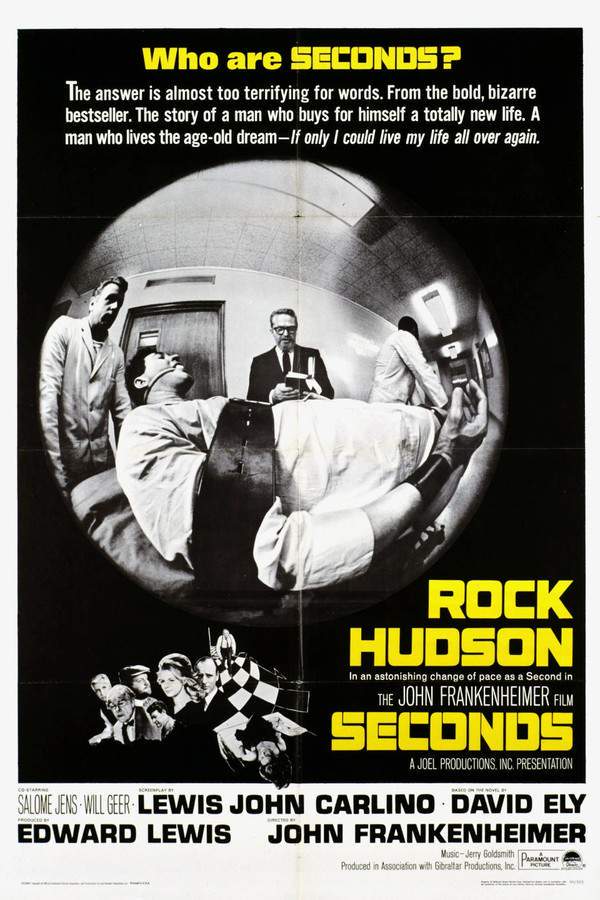


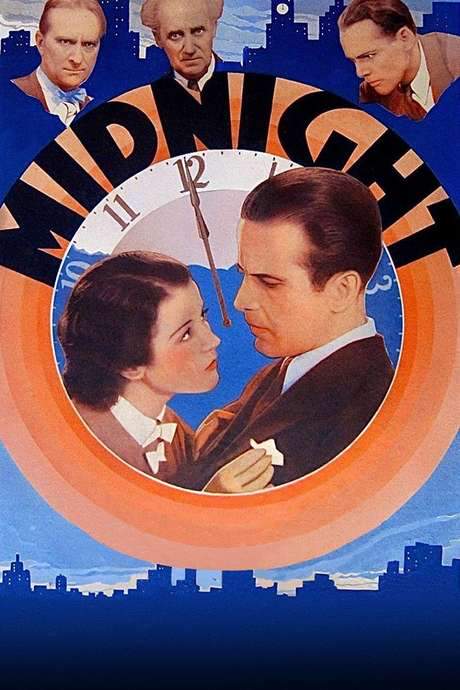


Featured on this page

What's After the Movie?
Not sure whether to stay after the credits? Find out!
Check out our other apps:

SAT Sphere
Build confidence for the Digital SAT.

Mori Atlas
Discover wild places worth protecting.

Luntero
Search smarter for a home in Amsterdam.

Plot Explained
Unravel movie endings and hidden clues.

Pokechamp
Dive into Pokémon data and battle logic.

Driving Theory
Get ready for your European theory test.

Movie Dust
Plan your next cinema trip with ease.

Musemap
Find art and culture as you travel.

Selkobase
Compare credentials before committing.

Local Manual
Turn an unfamiliar country into practical next steps.

Lernavi
Compare school systems before your next move.

GymRoam
Find a workout stop wherever your plans take you.
Explore Our Movie Platform
New Movie Releases (2026)
Famous Movie Actors
Top Film Production Studios
Movie Plot Summaries & Endings
Major Movie Awards & Winners
Best Concert Films & Music Documentaries
Movie Collections and Curated Lists
© 2026 What's After the Movie. All rights reserved.
Privacy Policy