
Through a Glass Darkly 1962


Directed by
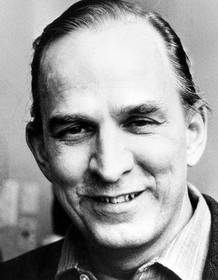
Ingmar Bergman
Made by

Janus Film
Where to Watch Through a Glass Darkly
See current US streaming, rental, and purchase options for Through a Glass Darkly (1962) via JustWatch.








Through a Glass Darkly Plot Summary
Read the complete plot summary and ending explained for Through a Glass Darkly (1962). From turning points to emotional moments, uncover what really happened and why it matters.
The narrative unfolds over a single day as four family members enjoy their vacation on a secluded island, shortly after Karin, played by Harriet Andersson, is discharged from an asylum where she was receiving treatment for her schizophrenia. Her husband, Max von Sydow, known as Martin, a dedicated doctor, informs her father, Gunnar Björnstrand, that Karin’s condition is nearly impossible to cure. In the meantime, Minus, played by Lars Passgård, Karin’s 17-year-old brother, expresses to her his yearning for a genuine conversation with their father and laments feeling unloved. David, a novelist grappling with severe writer’s block after a prolonged trip abroad, reaffirms his plan to leave again shortly, despite having previously promised to stay.
In an attempt to bring the family together, they perform a play written by Minus for David. Although David pretends to appreciate the performance, he secretly feels insulted, interpreting the play as a critique of his character.
That evening, after resisting Martin’s sexual advances, Karin is drawn by the haunting sound of a foghorn to the attic, where she faints from an overwhelming episode, hearing disembodied voices through the crumbling wallpaper. Curious, she rummages through David’s belongings and finds his journal, which chillingly describes her illness as incurable and reveals his cold wish to document her decline. The next day, while fishing, Martin accuses David of exploiting Karin for his own literary gain and of being self-centered and insincere. David dodges the accusations but concedes that Martin’s criticisms hold truth. He confesses to having contemplated suicide by driving off a cliff, only to be thwarted by a malfunctioning vehicle—a near-death experience that helped him realize his love for Karin, Minus, and Martin, thus kindling his hope.
Karin confesses to Minus about her troubling episodes, sharing her anticipation of God revealing Himself through the attic’s wallpaper. As Minus grapples with his own sexual frustrations, a teasing interaction ensues between him and Karin. In a moment of chaotic vulnerability as a storm brews, Karin seeks refuge in a wrecked ship, where an inappropriate encounter occurs between her and Minus.
After Minus divulges the incident, Martin urgently calls for help. Karin requests a private conversation with her father and admits her wrongdoings towards Martin and Minus, claiming an unseen voice compelled her actions. She expresses a desire to remain in the hospital, as she finds the conflict between her two realities unbearable. During their departure preparations for the hospital, Karin rushes to the attic, where Martin and David witness her frantic behavior. She insists that God is about to emerge from a closet, yearning for one final moment of enjoyment, and becomes transfixed by a spider crawling from a crack in the wall. Suddenly, the noise of a helicopter ambulance disrupts the tension, causing her to freeze in terror, and despite her initial eagerness, she recoils in panic, ultimately succumbing to a frenzied state.
As she is sedated, Karin recounts a surreal vision of God—a spider with a menacing visage that attempted to invade her being. She boldly declares, “I have seen God.”
In the final moments, as Karin and Martin depart in the helicopter, Minus confides in his father about the fear he felt during the encounter with Karin, questioning the fragility of reality. In reply, David reassures him that survival hinges on having something to cling to; he shares his own source of hope—love. Their discussion touches on love’s potential as a stabilizing force, offering comfort to the notion that their love could aid in supporting Karin’s complicated journey. Grateful for this newfound connection, Minus joyfully exclaims, “Papa spoke to me.”
Through a Glass Darkly Timeline
Follow the complete movie timeline of Through a Glass Darkly (1962) with every major event in chronological order. Great for understanding complex plots and story progression.
Karin's Discharge
In the beginning, Karin is released from an asylum after receiving treatment for her schizophrenia. This marks the start of her challenging journey as she reunites with her family on a secluded island for their vacation.
Martin's Conversation with Karin's Father
Karin’s husband, Martin, discusses her fragile condition with her father, emphasizing how difficult it is to cure her illness. This conversation sets a serious tone for the family's dynamics as they confront the reality of Karin's struggles.
Minus's Yearning for Connection
Karin's younger brother, Minus, expresses his deep desire for a meaningful conversation with their father. He laments feeling unloved, revealing the emotional isolation he experiences within the family.
David's Writer's Block
David, a novelist staying with the family, contemplates leaving shortly due to a severe writer's block. His internal struggles highlight his disconnection from both the family and his own creativity.
The Family Play
In an effort to connect, Minus writes and performs a play for David. However, David feels insulted by the portrayal and interprets it as a critique, which creates tension among them.
Karin's Episode
Later that evening, Karin experiences a haunting episode that leads her to the attic, drawn by the sound of a foghorn. There, she faints after hearing disembodied voices, indicating her fragile mental state.
Discovery of the Journal
In the attic, Karin discovers David's journal. The chilling content reveals his intention to document her decline, deepening her sense of betrayal and amplifying her distress over her condition.
Conflict Among Family Members
While fishing, Martin confronts David about exploiting Karin for his writing. David deflects the accusations but acknowledges some truth to Martin's criticisms, revealing his inner turmoil.
David's Confession
In a moment of vulnerability, David shares his contemplation of suicide due to despair. This revelation surprisingly leads him to reaffirm his love for Karin, Martin, and Minus, igniting a flicker of hope.
Karin's Confession to Minus
Karin opens up to Minus about her mental episodes and her belief that God will reveal Himself to her through the attic's wallpaper. This mutual confiding hints at the complex bond between siblings amidst their turmoil.
Chaos and Vulnerability
As a storm brews, Karin seeks refuge in a wrecked ship. Here, a chaotic and inappropriate encounter occurs with Minus, representing the fragility and confusion in their familial relationships.
Karin's Admission
After the incident, Karin confesses her wrongdoings to her father, attributing her actions to an unseen voice. She expresses a wish to return to the hospital, overwhelmed by the conflict within her two realities.
Final Moments in the Attic
In a frantic rush to the attic, Karin claims that God will reveal Himself. Her fixation on a spider crawling from the wall culminates in a breakdown as the noise of a helicopter ambulance disrupts her.
Karin's Sedation and Vision
As she is sedated, Karin recounts a vision of God as a spider with a menacing appearance, boldly declaring her experience. This moment encapsulates her mental struggle and deteriorating grip on reality.
Connection Between Minus and David
In the helicopter, Minus shares his fear regarding his sister's incident with their father. David reassures him about the importance of love as a stabilizing force, offering a glimmer of hope for Karin’s future.
Through a Glass Darkly Characters
Explore all characters from Through a Glass Darkly (1962). Get detailed profiles with their roles, arcs, and key relationships explained.
Karin (Harriet Andersson)
Karin is a complex character battling schizophrenia, which deeply affects her relationships with her family. Her struggles manifest in haunting visions and episodes, leaving her torn between reality and her experiences. Throughout the film, Karin seeks connection and understanding while grappling with her mental illness.
Martin (Max von Sydow)
Martin is Karin's husband and a devoted doctor who feels the burden of both his wife's condition and the family dynamic. As he navigates his love for Karin and the frustrations of their situation, Martin embodies the struggle of maintaining hope amidst despair. His character is layered with empathy and sorrow.
Minus (Lars Passgård)
Minus, the 17-year-old brother of Karin, is eager for connection, feeling overlooked by his family. His youthful yearning manifests in frustration and a search for identity, especially in relation to his sister's struggles. Minus represents the perspective of the next generation confronting family complexities.
David (Gunnar Björnstrand)
David is a novelist plagued by writer's block and a sense of self-doubt. His character is introspective and critical, often reflecting on his own motivations and the impact of his actions on others. Throughout the film, he serves as a mirror to the family's pain and a witness to their struggles.
Through a Glass Darkly Settings
Learn where and when Through a Glass Darkly (1962) takes place. Explore the film’s settings, era, and how they shape the narrative.
Time period
The narrative flows within a single day, allowing for a concentrated exploration of the characters' emotions and conflicts. Without specifying an exact time period, the contemporary setting is framed by themes of mental health and family dynamics, reflecting the societal issues relevant to the era.
Location
Secluded Island
The movie takes place on a secluded island, a tranquil and isolated setting perfect for introspection and familial interaction. Known for its serene landscapes and quiet atmosphere, this island serves as a backdrop for the intense emotional struggles of the characters. Its isolation emphasizes the confinement of their relationships and the character's internal battles.
Through a Glass Darkly Themes
Discover the main themes in Through a Glass Darkly (1962). Analyze the deeper meanings, emotional layers, and social commentary behind the film.
💔
Mental Illness
Mental illness serves as a core theme, particularly illustrated through Karin's schizophrenia. Her internal struggle highlights the broader implications of mental health and the impact it has on familial relationships. The film evokes empathy as it portrays the challenges of misunderstanding and the fight for connection amidst chaos.
👨👩👦👦
Family Bonds
The dynamics between family members are intricately woven throughout the film, showcasing love, conflict, and the desire for understanding. Each character grapples with their relationships, revealing how love can both heal and hurt. The narrative ultimately questions the strength of these bonds as they face adversity.
🌀
Reality vs. Illusion
The blurred lines between reality and illusion are explored deeply, particularly through Karin's visions and interpretations of her experiences. This theme reflects the struggle of characters in coping with their truths and the inherent chaos of their emotional landscapes. The portrayal of God as a spider signifies the fear and complexity of these inner delusions.

Coming soon on iOS and Android
The Plot Explained Mobile App
From blockbusters to hidden gems — dive into movie stories anytime, anywhere. Save your favorites, discover plots faster, and never miss a twist again.
Sign up to be the first to know when we launch. Your email stays private — always.
Explore the mobile appThrough a Glass Darkly Spoiler-Free Summary
Discover the spoiler-free summary of Through a Glass Darkly (1962). Get a concise overview without any spoilers.
On a remote, windswept island, a small family gathers for what should be a quiet retreat, yet the lingering shadows of the past press in on every conversation. Karin has just left an institution where she has been treated for schizophrenia, and her return home feels like stepping onto a stage set with fragile, unsteady props. The island’s stark beauty is matched by an undercurrent of unease, its open seas and fog‑laden cliffs mirroring the blurred boundaries between reality and perception that Karin must navigate.
Within the household, Martin, a dedicated physician, strives to balance professional detachment with personal devotion, while quietly wrestling with the limits of his own empathy. David, a novelist plagued by a sudden loss of inspiration, hovers between artistic ambition and a growing sense of inadequacy, his presence adding a layer of creative tension to the family dynamic. Meanwhile, Minus, the teenage brother, yearns for genuine connection, his restless yearning echoing the island’s restless winds.
The family’s fragile equilibrium is further strained by the lingering influence of Karin’s father, a figure whose quiet ambitions intersect with her fragile state, suggesting a complex web of unspoken expectations and hidden motives. As the day unfolds, the quiet moments are punctuated by an atmosphere thick with restrained emotion, where love, duty, and the specter of mental illness intertwine. The tone is introspective and haunting, inviting the viewer to feel the delicate dance of trust and doubt that defines each character’s relationship to one another and to the elusive sense of stability they all seek.
Featured on this page

What's After the Movie?
Not sure whether to stay after the credits? Find out!
Check out our other apps:

SAT Sphere
Build confidence for the Digital SAT.

Mori Atlas
Discover wild places worth protecting.

Luntero
Search smarter for a home in Amsterdam.

Plot Explained
Unravel movie endings and hidden clues.

Pokechamp
Dive into Pokémon data and battle logic.

Driving Theory
Get ready for your European theory test.

Movie Dust
Plan your next cinema trip with ease.

Musemap
Find art and culture as you travel.

Selkobase
Compare credentials before committing.

Local Manual
Turn an unfamiliar country into practical next steps.

Lernavi
Compare school systems before your next move.

GymRoam
Find a workout stop wherever your plans take you.
Explore Our Movie Platform
New Movie Releases (2026)
Famous Movie Actors
Top Film Production Studios
Movie Plot Summaries & Endings
Major Movie Awards & Winners
Best Concert Films & Music Documentaries
Movie Collections and Curated Lists
© 2026 What's After the Movie. All rights reserved.
Privacy Policy