
They Came to Cordura 1959

Directed by
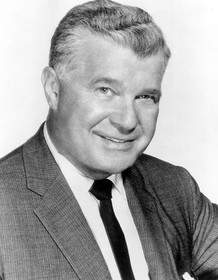
Robert Rossen
Made by

Columbia Pictures
Where to Watch They Came to Cordura
See current US streaming, rental, and purchase options for They Came to Cordura (1959) via JustWatch.







They Came to Cordura Plot Summary
Read the complete plot summary and ending explained for They Came to Cordura (1959). From turning points to emotional moments, uncover what really happened and why it matters.
In 1916, as U.S. soldiers push after Pancho Villa, Major Thomas Thorn, Gary Cooper, is assigned to serve as a battlefield observer who discerns acts of heroism. His assignment is pushed by Col. Rogers, Robert Keith, a veteran officer who is 63 years old and eager for a promotion before a mandatory retirement a few months away. Rogers leads his regiment in an old-fashioned but poorly planned cavalry charge on Ojos Azules, a villa owned by Adelaide Geary, Rita Hayworth, where Villa’s men had retreated after a victory over Mexican government troops and were enjoying her hospitality. Thorn, excused from the fighting, watches through his binoculars as Lt. William Fowler, Tab Hunter, Sgt. John Chawk, Van Heflin, Cpl. Milo Trubee, Richard Conte, and Pvt. Wilbur James Renziehausen, Dick York, perform acts of bravery that challenge the given narrative of heroism.
Rogers is proud of having personally led the charge, but furious when Thorn will not nominate him for a citation. Thorn insists that leading his regiment in the charge was “in the line of duty”, and refuses to consider a Medal of Honor nomination awarded for heroism “above and beyond the call of duty.” Rogers reminds Thorn that he once protected him from an investigation for cowardice, a move done out of respect for Thorn’s father, but that memory does not move Thorn.
Thorn intends to nominate the four soldiers for the Medal of Honor. He is ordered to take along Mrs. Geary, who is charged with “giving aid and comfort to the enemy.” Private Andrew L. Hetherington, Michael Callan, nominated by Thorn after an earlier battle, rides with them to the expedition’s base in Cordura, Texas. This seems like a straightforward mission, but the journey grows increasingly tangled as Thorn clashes with the men, and tensions rise among the ranks. Thorn finds the men openly hostile toward him, and a string of harrowing incidents reveals that the so-called heroes may have acted from ambition, fear, or mere chance, while Thorn, once disgraced, embodies a different kind of courage.
What starts as a test of military procedure deepens into a test of character. The group’s discipline frays, and the soldiers begin to turn against Thorn, forcing him to defend himself in the face of mutiny. As the conflict escalates, Thorn must rely on quieter virtues rather than sheer force to survive, and the true measure of courage emerges not from physical daring but from moral steadiness under pressure. In the end, the story turns the usual hero-versus-villain motif on its head, showing that personal resolve and moral integrity can outlast bravado and ambition. The climax ties back to Thorn’s example, illustrating that real courage often means choosing to do what is right, even when it puts one at odds with one’s peers.
They Came to Cordura Timeline
Follow the complete movie timeline of They Came to Cordura (1959) with every major event in chronological order. Great for understanding complex plots and story progression.
Thorn is assigned as battlefield observer
In 1916, Colonel Rogers, a 63-year-old officer eager for a promotion before retirement, assigns Major Thomas Thorn to act as a battlefield observer to document acts of heroism. Rogers hopes Thorn will witness acts of heroism and perhaps recognize merit in others. Thorn accepts the duty with a wary eye toward the politics of medals and promotions.
Cavalry charge at Ojos Azules; Thorn observes
Rogers leads his regiment in an old-fashioned, poorly planned cavalry assault on Ojos Azules, a villa owned by Adelaide Geary. Thorn watches from a distance through his binoculars as Lt Fowler, Sgt Chawk, Cpl Trubee and Pvt Renziehausen perform acts of bravery against Villa's men. The scene establishes Thorn's role as observer and marks the first questions about true heroism.
Rogers' pride and Thorn's refusal to nominate
Rogers basks in pride for personally leading the charge, but he is furious when Thorn refuses to nominate him for a Medal of Honor. Thorn insists that the act was 'in the line of duty' and cannot be the basis for extraordinary recognition. Rogers reminds Thorn that he once protected him from a cowardice investigation, a favor Thorn granted out of respect for his father.
Thorn plans Medal of Honor nominations for the four soldiers
Thorn intends to nominate Lieutenant Fowler, Sergeant Chawk, Corporal Trubee, and Private Renziehausen for the Medal of Honor. He believes their battlefield actions deserve recognition beyond the ordinary call of duty. The nomination plan marks Thorn's attempt to translate observed heroism into formal accolades.
Mrs. Geary accompanies Thorn; charge of aiding the enemy
Thorn is ordered to take along Adelaide Geary, who is charged with 'giving aid and comfort to the enemy.' Her presence adds tension to the expedition and tests Thorn's resolve to maintain order among the troops. The dynamic between Thorn, Geary, and the men complicates what should be a simple mission.
Hetherington joins the expedition to Cordura
Private Hetherington, previously nominated for a medal, rides with Thorn to the expedition base at Cordura. His presence foreshadows further scrutiny of the soldiers' motives and the validity of their heroic acts. The group heads toward Cordura with undercurrents of suspicion and ambition.
Task becomes complex as squabbles erupt
What should be a straightforward mission devolves into a test of temper and discipline as Thorn clashes with the men. The soldiers' hostility toward Thorn grows, threatening to derail the expedition and undermine the mission's purpose. The tension foreshadows a deeper moral fracture within the group.
Harrowing incidents reveal motives behind actions
A series of harrowing incidents suggests that the soldiers' displays of bravery may be driven by ambition, fear, or chance rather than pure courage. Thorn observes these patterns and contrasts them with his own sense of moral responsibility. The truth emerges that heroism is more complex and personal than it first appeared.
Insubordination escalates; Thorn fights to survive
The men turn against Thorn and become openly insubordinate, forcing him to defend himself against their aggression. The situation reaches a breaking point as Thorn must fight to protect his life and the mission's survival. The conflict exposes the dangers of group mentality and the fragility of rank under stress.
Thorn's leadership Demonstrates moral courage
In the face of danger, Thorn's example reveals real courage—the courage to stand up for what is right even when outnumbered or opposed. He embodies the personal, inner strength that the others lack. This moment reframes heroism from battlefield spectacle to moral steadfastness.
The group's understanding of courage shifts
The inciting events culminate in the realization that heroism is not just about spectacular deeds, but about personal integrity and resilience. The men begin to see the value of Thorn's moral example. The narrative suggests that true courage comes from within.
Ending: personal courage triumphs over military glory
The film closes on Thorn's influence, showing that the soldiers learn personal, not physical, courage from his example. Their earlier ambitions and bravado are tempered by his moral steadfastness. The resolution emphasizes character over conquest.
They Came to Cordura Characters
Explore all characters from They Came to Cordura (1959). Get detailed profiles with their roles, arcs, and key relationships explained.
Major Thomas Thorn (Gary Cooper)
A battlefield observer who champions moral clarity over sensational heroism. He calmly assesses acts of bravery, resisting pressure from higher-ups to award medals indiscriminately. Thorn’s ultimate test comes when he must confront the soldiers he observes, proving that true courage often requires personal risk.
Adelaide Geary (Rita Hayworth)
The hospitable villa owner who becomes entangled in the military drama by offering aid and hospitality. She is framed by the narrative as a symbol of civilian grace amid conflict, and her status as a potential source of aid to the 'enemy' adds to the moral tension surrounding the expedition.
Sgt. John Chawk (Van Heflin)
One of Thorn’s observed soldiers whose actions contribute to the acts of heroism. His behavior embodies the drive for recognition and the complexities of wartime courage under pressure. Chawk’s actions are part of the fabric Thorn weighs when considering genuine bravery.
Col. Rogers (Robert Keith)
A proud, promotion-hungry commander who leads with a strong ego and impatience for advancement. He resents Thorn’s reluctance to nominate him and pushes for medals to bolster his career. Rogers represents the corrosive side of military ambition.
Lt. William Fowler (Tab Hunter)
One of the soldiers Thorn witnesses in acts of bravery. Fowler’s performance and behavior under stress contribute to the evolving picture of what true heroism looks like in the field.
Cpl. Milo Trubee (Richard Conte)
Nominated by Thorn for a medal after an earlier battle, illustrating the push to be recognized for past sacrifices. His actions are analyzed as part of the broader debate over what deserves formal honors.
Pvt. Wilbur James Renziehausen (Dick York)
Another soldier caught in the clash between duty and ambition. Renziehausen’s behavior reflects the pressures of a unit striving for glory while navigating fear and peer pressure.
Pvt. Andrew L. Hetherington (Michael Callan)
Nominated by Thorn due to earlier deeds, Hetherington’s presence in the expedition underscores the recurring theme of recognition versus real courage. His actions contribute to Thorn’s moral calculus about who deserves honors.
Col. DeRose (Edward Platt)
A senior officer figure who participates in the chain of command during the mission. DeRose’s involvement helps illustrate the procedural framework within which Thorn operates.
Arreaga (Carlos Romero)
A member of the expedition whose actions contribute to the unfolding incidents. Arreaga adds to the ensemble that Thorn must navigate as he manages the group’s dynamics.
Capt. Paltz (Jim Bannon)
A captain involved in the expedition dynamics, providing additional leadership presence amid the ensemble. Paltz’s role helps flesh out the chain of command during the border mission.
Clem Fuller
A member of the cast whose character contributes to the broader group dynamics. Fuller’s presence adds to the texture of the unit’s interpersonal conflicts and loyalties.
Arthur Hanson
Another unit member whose actions intersect with Thorn’s observations and the soldiers’ quest for recognition. Hanson’s role helps illustrate the varying motivations within the group.
Sam Buffington
Part of the broader cast whose presence contributes to the collective dynamics and challenges Thorn faces in maintaining order and moral clarity.
They Came to Cordura Settings
Learn where and when They Came to Cordura (1959) takes place. Explore the film’s settings, era, and how they shape the narrative.
Time period
1916
Set during the Mexican border conflicts of 1916, the film places U.S. troops in a tense border theater amid Pancho Villa’s pursuit. The era is defined by rapid mobilization, frontier warfare, and a rigid military culture that prizes honor and formal recognition. The events illustrate how a moment of heroism is measured and rewarded in a turbulent time.
Location
Ojos Azules, Cordura, Texas
The story unfolds around the border region, centered on the villa Ojos Azules owned by Adelaide Geary, a stopover site for the cavalry. The unit’s movements also bring them to the Texas town of Cordura, where military operations and supply bases are located. The setting contrasts a rugged border outpost with a civilian haven that becomes a focal point for moral conflict.
They Came to Cordura Themes
Discover the main themes in They Came to Cordura (1959). Analyze the deeper meanings, emotional layers, and social commentary behind the film.
🗡️
Courage vs. Glory
The central tension pits true moral courage against the pursuit of medals. Thorn refuses to award or fabricate heroism for personal gain, choosing instead to acknowledge real acts of bravery. The climactic lesson is that courage is defined by character, not by external recognition.
⚖️
Duty and Morality
Thorn embodies a strict sense of duty, balancing observational neutrality with a responsibility to acknowledge genuine heroism. The conflict with Rogers exposes how ambition and rank can distort judgments about valor. The narrative asks what it means to lead with integrity when those around you crave advancement.
🧭
Group Dynamics
The unit’s internal feuds and competitive bravado destabilize their cohesion. As ambitions clash, Thorn must navigate hostility and distrust to preserve lives. The story highlights how teamwork can fracture under pressure, and how personal resolve can restore order.
🌵
Border Warfare
Set against the borderlands, the film foregrounds a style of warfare defined by improvisation, scarcity, and political tension. The landscape and its hardships shape the soldiers’ motives and fears. It underscores the cost of conflict that blends military duty with frontier life.

Coming soon on iOS and Android
The Plot Explained Mobile App
From blockbusters to hidden gems — dive into movie stories anytime, anywhere. Save your favorites, discover plots faster, and never miss a twist again.
Sign up to be the first to know when we launch. Your email stays private — always.
Explore the mobile appThey Came to Cordura Spoiler-Free Summary
Discover the spoiler-free summary of They Came to Cordura (1959). Get a concise overview without any spoilers.
In the blistering heat of the 1916 Mexican‑American border, a weary cavalry regiment pushes deeper into hostile desert while the nation watches the chase of Pancho Villa. The landscape is a harsh tapestry of sand, dust‑laden wind and uneasy alliances, a backdrop that amplifies the film’s stark, introspective tone. Into this world steps Major Thomas Thorn, an army officer haunted by a past accusation of cowardice. Charged with a seemingly bureaucratic task—identifying soldiers worthy of the Congressional Medal of Honor—Thorn becomes an uneasy arbiter of valor, forced to confront the shadows of his own reputation.
The assignment is overseen by Col. Rogers, a grizzled veteran on the brink of mandatory retirement, whose ambition for a final promotion adds a layer of officious pressure. Rogers’ old‑fashioned cavalry charge, aimed at the estate of Adelaide Geary—a proprietor whose villa has become a temporary refuge for Villa’s retreating forces—serves as the catalyst for the moral questions the film raises. The juxtaposition of formal military ceremony against the chaotic, sun‑scorched frontier underscores a story less about grand battles and more about the quiet reckonings that follow them.
Amid the desert encampment, Thorn’s gaze falls on a diverse group of soldiers whose actions hint at both genuine bravery and personal ambition. Lt. William Fowler leads with a swagger that masks deeper doubts, while Sgt. John Chawk embodies the stoic, work‑horse ethic of the rank‑and‑file. Cpl. Milo Trubee and Pvt. Wilbur James Renziehausen each display flashes of daring that blur the line between heroism and self‑preservation. Adding to the mix is Private Andrew L. Hetherington, a man Thorn once nominated for distinction, now riding alongside the party to the remote base at Cordura, Texas.
The film’s mood is a measured blend of tension and melancholy, where the relentless desert mirrors the internal desert each character navigates. As Thorn observes, the veneer of discipline begins to crack, revealing the fragile human core beneath military protocol. The story invites viewers to ponder what truly constitutes courage—whether it lies in bold exploits on the battlefield or in the quieter, steadier resolve to act rightly when the eyes of authority are turned away.
Movies with Similar Twists and Themes
Uncover films that echo the narrative beats, emotional arcs, or dramatic twists of the one you're exploring. These recommendations are handpicked based on story depth, thematic resonance, and spoiler-worthy moments — perfect for fans who crave more of the same intrigue.
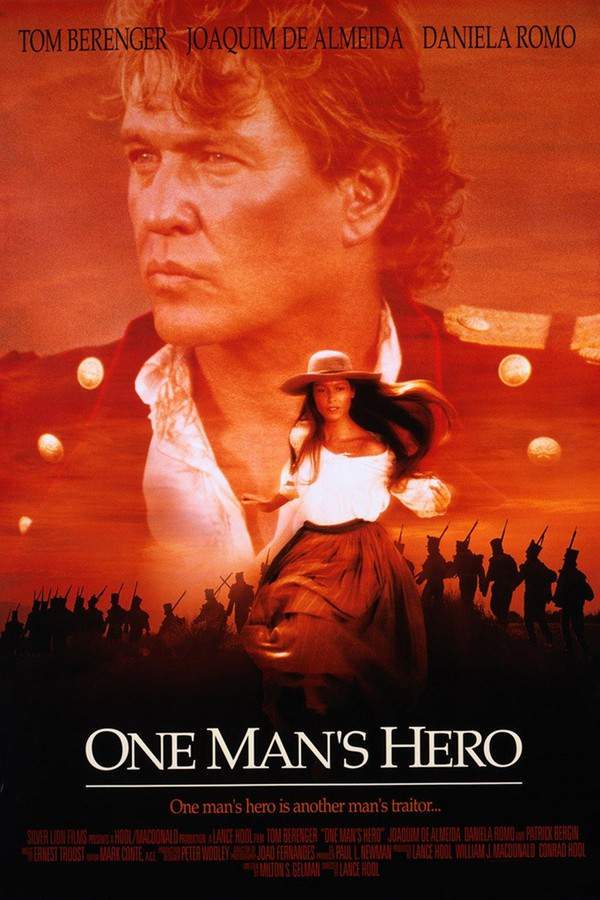
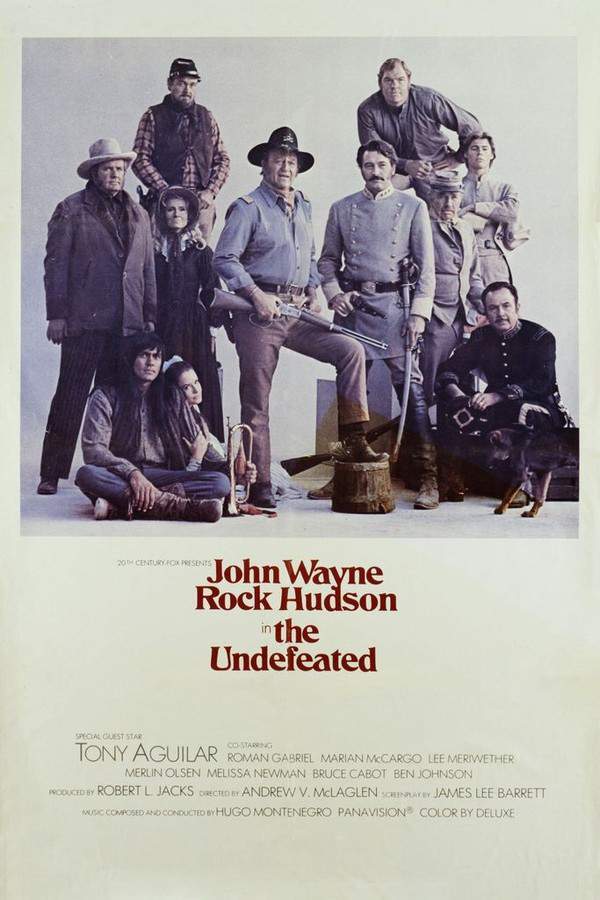


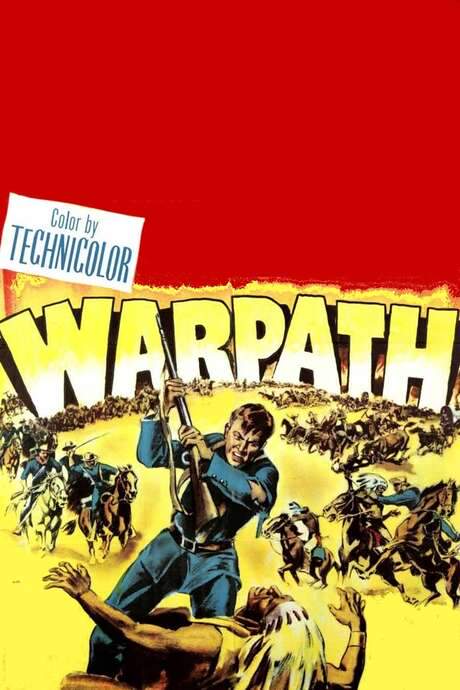


Featured on this page

What's After the Movie?
Not sure whether to stay after the credits? Find out!
Check out our other apps:

SAT Sphere
Build confidence for the Digital SAT.

Mori Atlas
Discover wild places worth protecting.

Luntero
Search smarter for a home in Amsterdam.

Plot Explained
Unravel movie endings and hidden clues.

Pokechamp
Dive into Pokémon data and battle logic.

Driving Theory
Get ready for your European theory test.

Movie Dust
Plan your next cinema trip with ease.

Musemap
Find art and culture as you travel.

Selkobase
Compare credentials before committing.

Local Manual
Turn an unfamiliar country into practical next steps.

Lernavi
Compare school systems before your next move.

GymRoam
Find a workout stop wherever your plans take you.
Explore Our Movie Platform
New Movie Releases (2026)
Famous Movie Actors
Top Film Production Studios
Movie Plot Summaries & Endings
Major Movie Awards & Winners
Best Concert Films & Music Documentaries
Movie Collections and Curated Lists
© 2026 What's After the Movie. All rights reserved.
Privacy Policy