What Is In Pursuit of Honor About?
The premise of In Pursuit of Honor in 302 words, with nothing given away. The full story follows below.
In the early 1930s, a nation restless from war and economic upheaval watches the last echoes of cavalry echo across the plains. The film places its story against the gritty backdrop of a post‑World War I army that is being reshaped by mechanization, where the clatter of hooves still carries the weight of old‑school honor. The world feels both timeless and on the brink of change, rendered in a sober, reverent tone that respects the sacrifices of a generation while hinting at the inevitable march of progress.
At the heart of the story are a seasoned group of soldiers bound by shared battle‑worn memories. First Sergeant John Libbey leads a small cadre of veteran sergeants whose loyalty to one another is as unyielding as the oath they took on distant fields. They are joined by the eager but uneasy Lt. Marshall Buxton, a young officer whose recent arrival brings fresh perspective and a lingering sense of duty. Overseeing the post is Colonel John Hardesty, a commander whose orders reflect the shifting priorities of an army turning away from the horse. The interplay between the hardened veterans, the idealistic lieutenant, and the pragmatic colonel creates a tense, almost claustrophobic dynamic, each man measuring his honor against the demands of a changing world.
When the cavalry’s prized herd of remount horses is marked for destruction, the veterans are faced with a stark moral crossroads. Bound by the same code that once made them willing to die for honor, they choose a path of defiance, slipping away toward the distant Canadian border in hopes of preserving the animals and, perhaps, a sliver of their own freedom. The looming journey promises a stark confrontation between duty and conscience, set against sweeping landscapes that mirror the internal struggle of men clinging to a fading way of life.
What Happens in In Pursuit of Honor?
The complete story of In Pursuit of Honor, from the first scene to the last, in 619 words (about 3 minutes). Spoilers throughout.
Spoilers ahead
Set against the 1932 Bonus March in Washington, D.C., the film follows World War I veterans who press for the early cash redemption of their 1945 bonus certificates. The atmosphere is tense as crowds swell and military presence tightens around the Capitol; the situation escalates when Colonel John Hardesty orders the mounted cavalry to display their sabers and push back the protesters. First Sergeant John Libbey, [Don Johnson], and three fellow sergeants [Neil Melville], [John Dennis Johnston], and [Robert Coleby] refuse to draw their swords, recognizing the men they once fought alongside. Their act of defiance tarnishes their careers and leads to a grim reassignment to a remote post in Texas, far from the battles they once knew.
Two years pass, and a young Lieutenant Marshall Buxton, [Craig Sheffer], arrives at his new post. In a candid interview with retiring Colonel Owen Stuart, it becomes clear that Buxton has been assigned here after a confrontation involving his horse. There, he encounters the four sergeants—Libbey, Quinlain, Mulcahey, and Shattuck—who are already tasked with managing a dwindling herd of remounts. The group forms a tight-knit, if wary, unit, trying to keep the horses fed, healthy, and ready for service in a changing army that is moving away from horses toward mechanization.
As the military leadership pivots toward modernization, Col. Hardesty unveils a brutal plan: the herd of remounts must be culled to free up resources for mechanized forces. Buxton is asked to drive the herd to mass destruction—an act he cannot bear to witness on his conscience. He pleads against it, but the orders stand, and the grim reality of the first 100 horses being slaughtered in a mass grave becomes a turning point for him and the men who stand with him. In a daring choice, Buxton resolves to halt the massacre and leads the remaining mounts on a perilous escape, a decision that turns into a full-blown manhunt.
The fugitives head north, pursued across unfamiliar terrain, with the help of the retired Stuart, who remains in good standing with the War Department, and Stuart’s daughter Jessica, a journalist who recognizes the story’s human gravity. Jessica’s presence adds a moral counterpoint to the march: a reminder of public scrutiny, accountability, and the possibility of mercy. The journey tests the endurance of both men and horses; many animals succumb to exhaustion and injury, while a core few soldier-pioneers push onward in a bid to save what’s left of the herd.
Their plan to relocate the horses to an Indian Reservation in Montana is thwarted by Hardesty’s armored division, which compels them to cross into Canada. The border becomes a temporary sanctuary and a private stage for a more hopeful future. Just as Jessica arrives with a letter from President Franklin D. Roosevelt granting pardons to the group, the crossing is interrupted by artillery fire. A Gunnery Sergeant, who questions the morality of firing upon American soldiers, inadvertently miscalculates the range, and the shells fall harmlessly in the air, sparing the fugitives—an oddly fortunate turn that allows their risky river crossing to continue.
On the Canadian side, the Royal Canadian Mounted Police greet the survivors as allies, and Buxton, battered but resolute, makes a fateful choice to return to the United States to answer for his actions and to stand as a public advocate against a future repetition of such slaughter. Libbey, sensing a future beyond the border, heads further north toward Alaska, while the others decide to split paths—some staying in Canada, some seeking new beginnings elsewhere. The film closes on a nuanced note, highlighting the cost of loyalty, the ambiguity of duty, and the possibility of reform sparked by a single, defiant act of compassion amidst a machinery of war.
In Pursuit of Honor Timeline: Every Key Event in Order
12 key events in the order they happen, from “Bonus March confrontation and saber show of force” to “Decisions about the future”. 12 events name a place, across 10 locations.
- 1
Bonus March confrontation and saber show of force
During the 1932 Bonus March in Washington, D.C., U.S. Cavalry and Infantry are deployed to manage the protest. Major John Hardesty orders his mounted troops to present their sabers to deter the crowd. Three veterans, First Sergeant Libbey and two others, refuse to draw their swords because they are men they served with, tarnishing their careers and setting a charged tone for military discipline.
When:1932 Where:Washington, D.C.
- 2
Punishment and reassignment to a remote Texas post
The refusal to draw sabers leads to punitive reassignment, sidelining Libbey and the other sergeants to a remote post in Texas. Their military careers suffer as they are kept away from major assignments. The move isolates them from the chain of command they once trusted.
When:1932-1933 Where:Texas, USA
- 3
Buxton arrives at the new post
Two years later, in 1934, Lieutenant Marshall Buxton arrives at his new outpost in Texas. In an interview with retiring Colonel Stuart, it’s revealed that his transfer stems from a past incident where he attacked a soldier who hurt his horse. The past weighs on him as he meets the stubborn unit around the remount herd.
When:1934 Where:Texas, USA
- 4
Buxton meets the remount sergeants
Buxton meets the sergeants Libbey, Quinlain, Mulcahey, and Shattuck, who together manage the herd of remounts. The veterans’ camaraderie is clear, yet their stubborn dispositions hint at trouble ahead. Buxton begins to navigate the fragile balance between duty and loyalty.
When:1934 Where:Remote Texas outpost
- 5
Hardesty replaces Stuart as commanding officer
Colonel Stuart is replaced by Colonel Hardesty as part of a promotion and a shift toward modernization. Hardesty aggressively pushes a plan to transition to mechanization, which includes destroying the horse herd at the outpost. The leadership change signals a hard line against the remounts’ future.
When:1934 Where:Outpost, Texas
- 6
The order to destroy the herd
Hardesty orders the destruction of the horses to facilitate mechanization, and Buxton is ordered to lead the herd to be killed. He protests, arguing that it would be a grave moral mistake. Hardesty refuses to reconsider and threatens Buxton with a court-martial if he disobeys.
When:1934 Where:Outpost, Texas
- 7
The first mass slaughter and Buxton’s resolve
Buxton witnesses the first 100 horses being shot in a mass grave, an atrocity that steels his resolve. He decides to stop the massacre and vows to drive the remaining herd to safety, with the support of the other sergeants who share his concern for both people and animals.
When:1934 Where:Outpost vicinity
- 8
A northward escape becomes a rescue mission
What starts as a resistance against orders becomes a full-fledged manhunt as the renegade group moves northward. They receive help from the retired Colonel Stuart and his daughter Jessica, a journalist, who believe in their cause. The journey tests endurance as horses falter and men push onward.
When:1934 Where:Texan plains toward northern frontiers
- 9
From Montana to the Canada border
The plan shifts from taking the herd to a Montana Indian Reservation to moving north toward Canada due to Hardesty’s armored division. The trek becomes a perilous relocation across hostile terrain with the goal of preserving as many horses as possible.
When:1934 Where:Montana to Canadian border
- 10
The border crossing and the pardoned reprieve
As they approach the Canada–U.S. border, Jessica carries a letter from President Roosevelt granting pardons, but the group is under artillery fire. A Gunnery Sergeant’s miscalculation prevents the shells from hitting them, allowing the survivors to press on.
When:1934 Where:Canada–U.S. border
- 11
Crossing the river under cover of misfires
Buxton’s group finally crosses the river into Canadian territory, where they are met by the Royal Canadian Mounted Police who stand on their side. The crossing represents a fragile victory and a reprieve from American pursuit, though the future remains uncertain.
When:1934 Where:River crossing at Canada border
- 12
Decisions about the future
Buxton decides to return to the United States to face charges, hoping to influence future military conduct. Libbey heads further north to Alaska, while the others choose to remain in Canada. The group disperses, each seeking a new path after the ordeal.
When:1934-1935 Where:Canada and border regions
Who Are the Main Characters in In Pursuit of Honor?
8 characters, among them Sgt. John Libbey (Don Johnson), Lt. Marshall Buxton (Craig Sheffer) and Jessica Stuart (Gabrielle Anwar): who each one is and the part they play in the story. Every profile links to the actor’s page.
-

Sgt. John Libbey (Don Johnson)
Played by Don Johnson
First Sergeant Libbey is marked by veteran loyalty and moral steadiness. He refuses to draw his sabre when ordered to confront fellow veterans, a decision that cripples his career but preserves his integrity. His steadfast code keeps the remount unit together, and ultimately he chooses a path north, seeking a future away from a punitive system.
- 🪖 Veteran
- 🛡️ Loyal
- 🤝 Principled
-

Lt. Marshall Buxton (Craig Sheffer)
Played by Craig Sheffer
A young, principled officer who arrives at the post and quickly faces a moral crisis. He objects to destroying the horses and rallies others to save them, risking court-martial to do what he believes is right. Buxton leads the herd toward safety and, despite heavy odds, aims to stop a repeat of such orders in the future.
- 🧭 Leader
- 🗡️ Determined
- 🛡️ Protector
- JS
Jessica Stuart (Gabrielle Anwar)
Played by Gabrielle Anwar
Daughter of Colonel Stuart, Jessica is a journalist who documents the extraordinary journey. She aids the group with information and brings a sense of perspective to the dangers they face. Her involvement provides a bridge between military matters and public accountability, including delivering a presidential pardon letter.
- 📰 Journalist
- 🧭 Connector
- 🗞️ Observer
-
Col. Owen Stuart (Rod Steiger)
Played by Rod Steiger
A retiring colonel who mentors Buxton and remains in good standing with the War Department. He embodies old-school leadership while offering strategic guidance that helps Buxton and the others navigate the moral and logistical challenges ahead. His experience contrasts with Hardesty’s push for mechanization.
- 🎖️ Mentor
- 👔 Veteran
- 🧭 Strategist
-
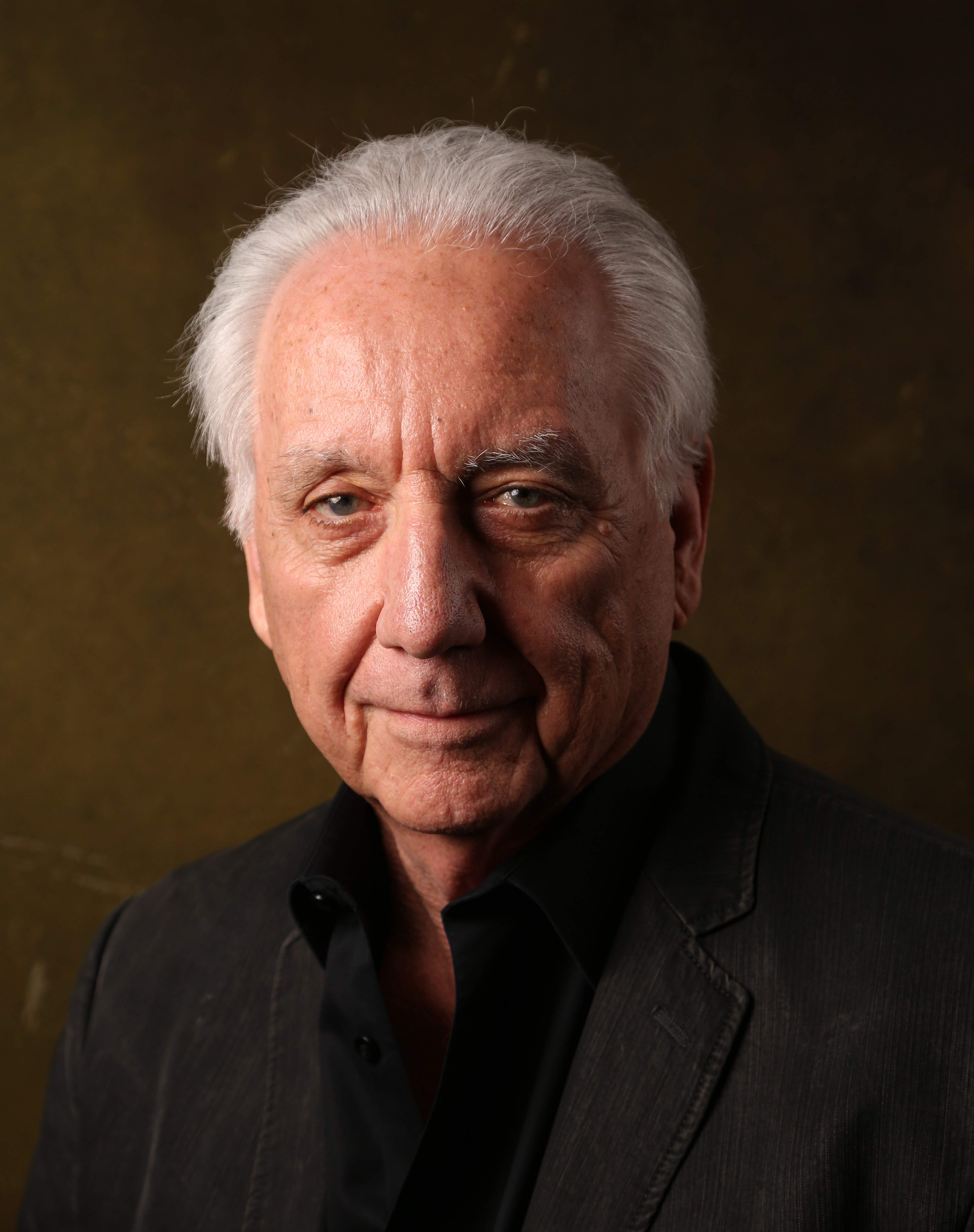
Col. John Hardesty (Bob Gunton)
Played by Bob Gunton
The new commanding officer who champions the transition to a mechanized army. He orders the horses destroyed to force modernization, a decision that ignites the protest within the herd and fuels Buxton’s counter-move. Hardesty represents institutional pressure and bureaucratic inertia against compassion.
- 💼 Authority
- ⚙️ Modernization
- 🔥 Rigid
- SJ
Sgt. James Shattuck (Robert Coleby)
Played by Robert Coleby
One of the sergeants tasked with managing the remount herd, Shattuck embodies the tough balance between discipline and empathy. He participates in the plan to protect the horses and supports the mission to move the herd to safety.
- 🛡️ Soldier
- 🐎 Companion
- 🧭 Dependable
- ST
Sgt. Thomas Mulcahey (John Dennis Johnston)
Played by John Dennis Johnston
A seasoned sergeant who, like his fellow troops, grapples with the conflict between orders and conscience. Mulcahey contributes to the camaraderie and practical execution of the escape, reinforcing the group’s resolve.
- 🪖 Veteran
- 🤝 Loyal
- 🧭 Practical
- GD
Gen. Douglas MacArthur (James B. Sikking)
Played by James B. Sikking
A senior military figure depicted in the film, representing top-level command during this era. His presence underscores the broader implications of the soldiers’ actions within national policy and military reform.
- 🎖️ High Command
- 🕊️ Symbolic
Where and When Is In Pursuit of Honor Set?
In Pursuit of Honor is set in Washington, D.C., remote Texas remount outpost, Canada–US border and Montana… (1932). Here is why the time and place matter to the story.
When
1932
Set during the early 1930s, the film centers on the Bonus Army protests amid the Great Depression. It then follows the cavalry outpost’s shift from traditional horse-mounted operations to mechanization, highlighting the conflict between old traditions and new military doctrine. The climax unfolds as Buxton and his remnant herd make a perilous run north to safety.
Where
Washington, D.C.; remote Texas remount outpost; Canada–US border; Montana region
The story begins in Washington, D.C. during the Bonus March of 1932, a period of social unrest as World War I veterans demand early payment. Much of the action shifts to a remote Texas remount outpost where soldiers manage the herd. The journey then drifts north toward the Canadian border, with stops near Montana, before finally crossing into Canada and confronting border security and higher command.
- 🏛️ Historical
- 🪖 Military
- 🗺️ Cross-border Adventure
What Are the Themes of In Pursuit of Honor?
3 ideas the story keeps returning to, among them Duty vs Conscience, Compassion vs Duty and Redemption.
-
01
Duty vs Conscience
The central characters grapple with whether orders should override personal morals. Libbey’s refusal to draw sabers against former comrades marks a stand for personal integrity over blind obedience. Buxton’s defiance of a cruel plan to slaughter horses embodies a moral reckoning within the military chain of command.
-
02
Compassion vs Duty
The film emphasizes mercy for beings under human care, not just soldiers. The mass killing of the remount herd starkly contrasts with Buxton’s resolve to protect the animals. The journey to safety becomes a test of whether compassion can prevail over institutional goals.
-
03
Redemption
Several characters seek redemption for past actions or failures, choosing difficult paths to rectify mistakes. Buxton’s leadership and the endurance of the group symbolize a chance to rewrite a dark episode into one of courage. The crossing into Canada and facing charges reflect accountability as a route to personal and institutional reform.
What Kind of Film Is In Pursuit of Honor?
Hopeful in tone, with steady pacing and a straightforward story, going by the plot summary.
- Tone
- Hopeful
- Pacing
- Steady
- Story
- Straightforward
- Intensity
- Medium
- Ending
- Bittersweet
A steady-paced, resolute Western drama that balances tense manhunt sequences with a melancholic yet hopeful atmosphere, focusing on the defiant compassion of soldiers risking everything for a herd of horses.
- defiant
- resolute
- melancholic
- hopeful
- tense
- lonely
- military disobedience
- animal rights
- moral conscience
- survival journey
Content notes: animal death, war themes.
Quiz
How well do you remember In Pursuit of Honor? Test yourself on the story.