
They Call Me Mister Tibbs! 1970


Directed by

Gordon Douglas
Made by

The Mirisch Company
Where to Watch They Call Me Mister Tibbs!
See current US streaming, rental, and purchase options for They Call Me Mister Tibbs! (1970) via JustWatch.








They Call Me Mister Tibbs! Plot Summary
Read the complete plot summary and ending explained for They Call Me Mister Tibbs! (1970). From turning points to emotional moments, uncover what really happened and why it matters.
Detective Virgil Tibbs, now a lieutenant with the San Francisco police, is assigned to investigate the murder of a prostitute, a case that launches him into a web of personal, religious, and political tension. A prime suspect emerges in Logan Sharpe, a street preacher who is firmly aligned with one side of a heated city referendum on an urban renewal project. Sharpe claims he visited the victim in his professional capacity to offer spiritual counsel, insisting that when he left her apartment she was alive and healthy.
As Tibbs investigates, he follows a careful trail of witnesses and evidence. He tracks down the victim’s building janitor, Mealie Williamson, whose testimony and whereabouts become crucial, and he also talks to Woody Garfield, a shady building owner who may have profited from the woman’s activities and could have been involved indirectly through the janitor’s disappearance. The investigation grows more complex as Tibbs uncovers a new line of suspicion around a hood named Rice Weedon, a figure who is pursued and shot by Tibbs in what is described as self-defense, underscoring the perilous choices the case forces him to evaluate.
Through persistent questioning and a methodical approach, Tibbs arrives at a conclusion that Sharpe is indeed the murderer. When confronted with the evidence, Sharpe confesses his guilt; he makes a final, dramatic request for a delay in formal arrest—24 hours—to allow the city referendum to reach its polls. Tibbs, standing firm on procedure and justice, refuses the pause, and the situation takes a fatal turn as Sharpe, while being transported for arrest, steps in front of a moving vehicle and is killed, ending one volatile thread of the case even as Tibbs ties up the others.
They Call Me Mister Tibbs! Timeline
Follow the complete movie timeline of They Call Me Mister Tibbs! (1970) with every major event in chronological order. Great for understanding complex plots and story progression.
Tibbs is assigned to the prostitute murder case
Lieutenant Virgil Tibbs, now a lieutenant with the San Francisco police, is assigned to investigate the murder of a prostitute. The case surfaces quickly with Reverend Logan Sharpe identified as a prime suspect due to his public persona and potential motive in the urban renewal controversy. Tibbs begins scrutinizing Sharpe's movements and alibi.
Sharpe presents his alibi
During questioning, Sharpe claims he was visiting the prostitute as part of his spiritual duties, offering counsel and guidance. He asserts that when he left, she was alive and healthy, arguing that this contradicts the notion he could have killed her. Tibbs notes the alibi but remains unconvinced.
Janitor Mealie Williamson is questioned
Tibbs tracks down the victim's janitor, Mealie Williamson, and interviews him about the victim's routine and possible enemies. Mealie provides information that complicates the case and raises additional questions about others connected to the building. After the interview, Mealie Williamson goes into hiding, fearing for his safety.
Woody Garfield is questioned
Tibbs questions Woody Garfield, the building owner who might have acted as the dead woman's pimp. Garfield's answers are opaque, and his role in the building's operation becomes a focal point of Tibbs' inquiry. The interview adds layers of possible motive and access to the victim.
Mealie Williamson hides
Mealie Williamson enters hiding after attracting unwanted attention from the investigation. Tibbs and others scramble to locate him for further testimony, but the janitor's privacy and safety complicate the case. The tension around informants highlights the danger surrounding the investigation.
Weedon is pursued and Tibbs shoots in self-defense
With lines of inquiry pointing to other suspects, Tibbs pursues Rice Weedon, a hood connected to the victim's circle. In a confrontation on the streets, Tibbs shoots Weedon in self-defense, bringing Weedon's potential involvement into the case's focus. The shooting underscores the tense, dangerous nature of the investigation.
Investigation narrows to Sharpe
Following the Weedon incident, Tibbs uses the new evidence to conclude that Sharpe is the killer. The balance of probability rests on Sharpe's alibi contradictions and his motive tied to the urban renewal referendum. Tibbs prepares to confront Sharpe with the formal allegations.
Sharpe confesses and asks for time
Sharpe admits to Tibbs that he is the murderer in a guarded confession. He requests that Tibbs not arrest him for 24 hours, until the polls close on the city referendum. The exchange foreshadows a climactic moral conflict between justice and public sentiment.
Tibbs refuses the 24-hour delay
Tibbs denies Sharpe's request, insisting on immediate arrest and the proper course of justice. The decision emphasizes Tibbs’ commitment to upholding the law regardless of political timelines. The scene heightens the tension between law enforcement and political processes.
Sharpe is killed while being taken into custody
As Sharpe is being escorted to custody, he deliberately steps in front of a moving vehicle and is killed. The act shocks Tibbs and ends the pursuit of formal charges against Sharpe. The event also intersects with the ongoing city referendum, leaving the crime unresolved through an arrest.
Referendum context altered by Sharpe's death
Sharpe had been leading one side of the city referendum on urban renewal, and his death removes a central figure from the campaign. The case's outcome leaves questions about the campaign's momentum and how the city will move forward after his death. Tibbs contemplates the broader impact on public safety and politics.
Investigation ends with unresolved questions
Without Sharpe’s arrest or further corroborating testimony, the formal case recognizing the killer remains unresolved. Tibbs continues to pursue justice through other avenues, but the narrative closes with Sharpe's death and unanswered questions. The investigation nonetheless highlights Tibbs's skill, determination, and resolve in pursuing the truth.
They Call Me Mister Tibbs! Characters
Explore all characters from They Call Me Mister Tibbs! (1970). Get detailed profiles with their roles, arcs, and key relationships explained.
Virgil Tibbs (Sidney Poitier)
A disciplined, intelligent detective who applies cool logic to a case charged with racial tension. He remains steadfast in seeking justice, even as prejudice and politics threaten to complicate the investigation. His restraint and professionalism set him apart in a city where his presence challenges the status quo.
Reverend Logan Sharpe (Martin Landau)
A street preacher caught between faith and ambition, he uses his platform to influence the mayoral-leaning referendum. He struggles with guilt after the murder and tries to evade accountability while bargaining for leniency.
Rice Weedon (Anthony Zerbe)
A hood with shadowy ties to the victim and the building's underworld. His confrontation with Tibbs ends in self-defense, marking him as a suspect whose true involvement may be murky.
Mealie Williamson (Juano Hernández)
The janitor who knows the building’s secrets and serves as a link between the victim and the investigation. His position at the bottom of the social ladder gives him a crucial perspective on the case.
Woody Garfield (Ed Asner)
Owner of the building and a possible figure in the victim’s world, his shady connections complicate the inquiry. He symbolizes the murky ties between property, power, and exploitation.
Captain Marden (Jeff Corey)
A police captain overseeing Tibbs’s case, representing institutional authority and the pressure to deliver results within the department and community.
They Call Me Mister Tibbs! Settings
Learn where and when They Call Me Mister Tibbs! (1970) takes place. Explore the film’s settings, era, and how they shape the narrative.
Time period
late 1960s
Set in a contemporary era of social upheaval, the story unfolds amid debates over urban renewal, race relations, and police authority. The period is marked by activism, changing city landscapes, and a spotlight on how urban policy affects marginalized communities. Tibbs’s investigation moves through a city in flux as the referendum looms.
Location
San Francisco
San Francisco serves as the backdrop for a tense murder investigation tied to a controversial urban renewal referendum. The city’s diverse neighborhoods and public spaces become stages for racial tension, political maneuvering, and public scrutiny. The case threads through buildings, streets, and community landmarks as Tibbs confronts prejudice while pursuing justice.
They Call Me Mister Tibbs! Themes
Discover the main themes in They Call Me Mister Tibbs! (1970). Analyze the deeper meanings, emotional layers, and social commentary behind the film.
⚖️
Justice
Lieutenant Tibbs pursues truth in a city where racial biases threaten to derail an objective investigation. The force of law collides with public opinion and prejudice, forcing careful evidence gathering and restraint. The climax tests who gets to call a murderer versus who is protected by social power.
🏙️
Urban Politics
The active referendum on urban renewal drives much of the plot, highlighting how city planning intersects with race and class. Religious leaders and political factions leverage events to sway voters, placing moral authority and community leadership under scrutiny. The narrative shows how policy debates can influence, justify, or obstruct criminal investigations.
🕵️
Investigation
Tibbs’s methodical questioning of janitors, building owners, and other suspects reveals layers of secrecy and complicity. The detective’s skill lies in reading people as much as clues, navigating fear and manipulation. The pursuit of truth unfolds against a backdrop of crime, loyalty, and the eventual exposure of the guilty party.

Coming soon on iOS and Android
The Plot Explained Mobile App
From blockbusters to hidden gems — dive into movie stories anytime, anywhere. Save your favorites, discover plots faster, and never miss a twist again.
Sign up to be the first to know when we launch. Your email stays private — always.
Explore the mobile appThey Call Me Mister Tibbs! Spoiler-Free Summary
Discover the spoiler-free summary of They Call Me Mister Tibbs! (1970). Get a concise overview without any spoilers.
In the vibrant, shifting landscape of San Francisco, Lieutenant Virgil Tibbs navigates the complexities of law enforcement with a quiet, steely resolve. Having moved on from the intense racial animosities of the South, he now operates within a department that respects his intellect but still presents its own unique challenges. Tibbs carries himself with a professional detachment that commands respect, yet the weight of his reputation—and the expectations placed upon him—remains a constant, unspoken presence in his daily work.
The city’s uneasy calm is disrupted when a murder investigation demands Tibbs’ full attention, pulling him into a case that is anything but straightforward. While the circumstances suggest a tragic crime, the evidence Tibbs uncovers leads to a deeply personal intersection. The investigation points toward Logan Sharpe, a prominent street preacher and activist deeply involved in a heated city referendum. More importantly, Sharpe is Tibbs’ best friend, a bond that threatens to blur the lines between his duty as an officer and his loyalty as a man.
This conflict unfolds against a backdrop of civic friction, where political ambition and religious fervor swirl together to complicate the pursuit of objective truth. As Tibbs delves deeper, he finds that the case is entangled with the city’s power structures, forcing him to sift through motives that range from the deeply personal to the broadly political. The atmosphere is thick with tension as the referendum approaches, casting a shadow over every interview and piece of evidence.
Faced with a situation that defies easy answers, Tibbs must rely on his methodical nature and his unwavering commitment to justice. The narrative explores the difficult balance between personal history and professional obligation, testing Tibbs’ integrity at every turn. As he closes in on the truth, he is forced to confront whether justice can truly be blind when it strikes so close to home, setting the stage for a confrontation that is as emotional as it is procedural.
Movies with Similar Twists and Themes
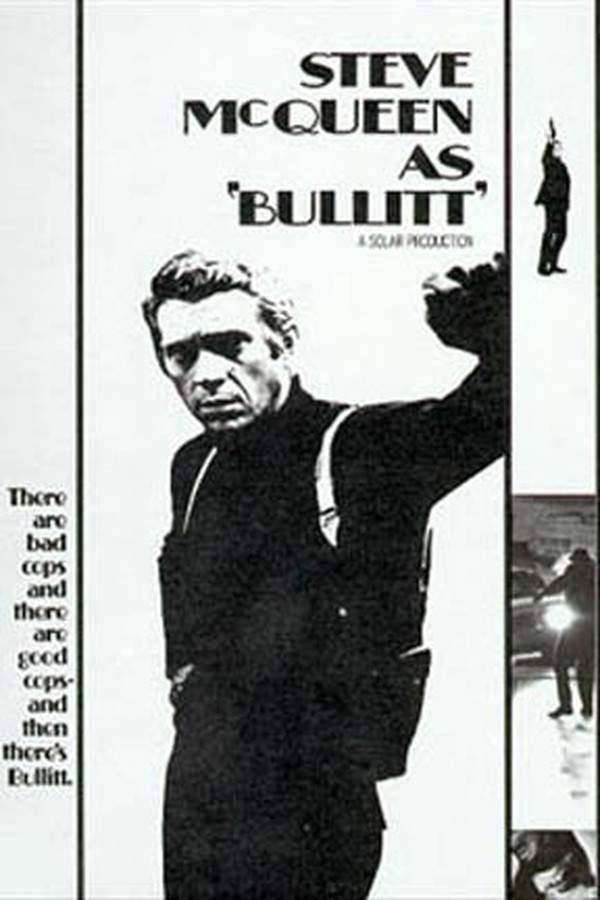
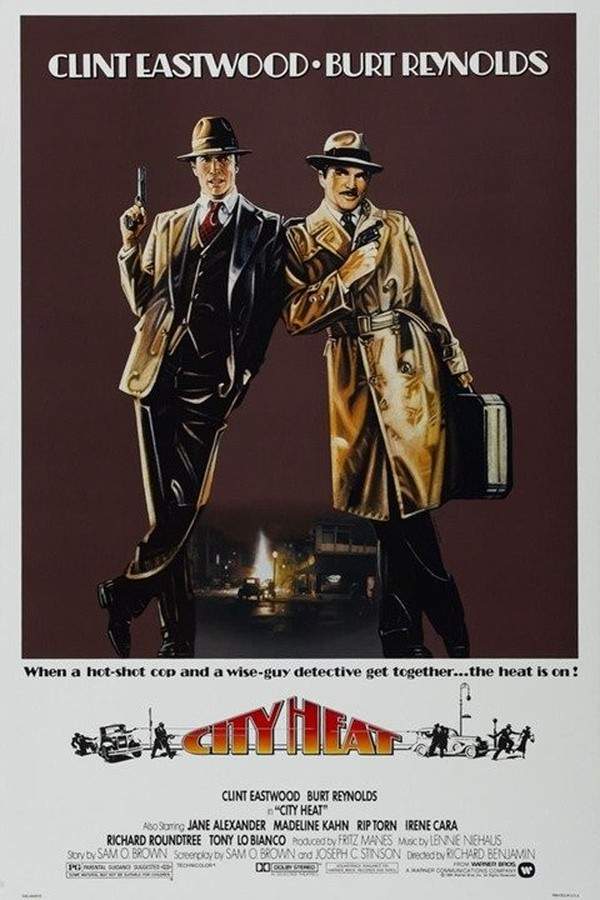
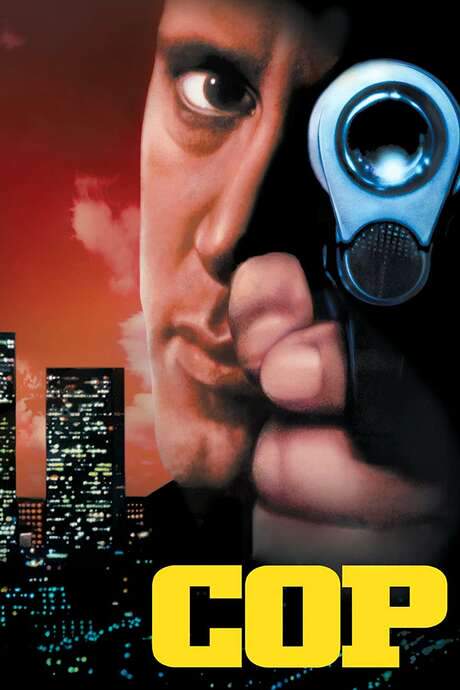
Uncover films that echo the narrative beats, emotional arcs, or dramatic twists of the one you're exploring. These recommendations are handpicked based on story depth, thematic resonance, and spoiler-worthy moments — perfect for fans who crave more of the same intrigue.



Featured on this page

What's After the Movie?
Not sure whether to stay after the credits? Find out!
Check out our other apps:

SAT Sphere
Build confidence for the Digital SAT.

Mori Atlas
Discover wild places worth protecting.

Luntero
Search smarter for a home in Amsterdam.

Plot Explained
Unravel movie endings and hidden clues.

Pokechamp
Dive into Pokémon data and battle logic.

Driving Theory
Get ready for your European theory test.

Movie Dust
Plan your next cinema trip with ease.

Musemap
Find art and culture as you travel.

Selkobase
Compare credentials before committing.

Local Manual
Turn an unfamiliar country into practical next steps.

Lernavi
Compare school systems before your next move.

GymRoam
Find a workout stop wherever your plans take you.
Explore Our Movie Platform
New Movie Releases (2026)
Famous Movie Actors
Top Film Production Studios
Movie Plot Summaries & Endings
Major Movie Awards & Winners
Best Concert Films & Music Documentaries
Movie Collections and Curated Lists
© 2026 What's After the Movie. All rights reserved.
Privacy Policy