What Is The Organization About?
The premise of The Organization in 325 words, with nothing given away. The full story follows below.
In a restless San Francisco where the glitter of the waterfront masks a web of hidden power, a faceless syndicate known only as “The Organization” pulls the strings behind legitimate enterprises. The city’s pulse—its bustling streets, shadowed alleys, and towering corporate glass—feels alive with a nervous energy, hinting that something far more dangerous lurks beneath the surface of everyday commerce. The atmosphere is a blend of classic noir grit and the era’s simmering social unrest, creating a backdrop where law and morality constantly collide.
Virgil Tibbs, a lieutenant whose reputation for integrity borders on legend, navigates this treacherous landscape with a quiet, unyielding resolve. He is a man of principle, unwilling to bend even when the forces arrayed against him seem insurmountable. His investigative style is methodical yet daring, relying on keen insight and an unshakable belief that justice can prevail in a city choked by corruption. The weight of his duty is felt in every precinct hallway, and his presence alone often forces the hidden to surface.
Into this tense environment strides a band of idealistic youths, motivated by a fierce desire to protect their community. Their audacious move—penetrating a corporation’s headquarters to seize a massive heroin shipment—serves both as a bold statement and a desperate plea for help. Recognizing the gravity of their mission, they turn to Virgil Tibbs, hoping that his incorruptible nature and investigative skill can translate their raw courage into a coherent strike against the entrenched criminal network.
The film balances the stark realism of police work with the heightened stakes of a covert war, painting a portrait of a city on the brink. Its tone is both urgent and contemplative, inviting viewers to question how far one will go for principle when the line between law‑breaker and protector blurs. As the detective and the idealists forge a fragile alliance, the story promises a relentless pursuit of truth in a world where every revelation uncovers yet another layer of deception.
What Happens in The Organization?
The complete story of The Organization, from the first scene to the last, in 553 words (about 2 minutes). Spoilers throughout. Names in the text link to 2 cast member pages.
Spoilers ahead
After a break-in at the San Francisco headquarters of a company, the police are called in. One of the executives is murdered, and the security guard is bludgeoned. It is not a simple robbery: the executive was killed with shots from two different guns, nothing is stolen, and several clues don’t add up.
Virgil Tibbs is drawn into the case when a group that carried out the break-in contacts him. They claim the company is a front for drug dealing and that the break-in was meant to lure the police toward the organization’s real targets and to get heroin to the leaders. Tibbs interrogates the subdued security guard, only to have the guard murdered while seated in a police car, which raises the tension and stakes of the investigation.
Tibbs agrees to help, but only if the revolutionaries cooperate with him. As the investigation unfolds, one member of the group is hunted down and beaten by drug pushers, and another is killed, underscoring how dangerous the players are and how the line between crime and pursuit of justice can blur. Soon, Tibbs finds himself under suspicion from his own superiors when the narcotics division ties him to the stolen drugs, and he is pulled off the case and suspended. The setback hardens his resolve, and he recruits a colleague to keep digging for information on the bogus company behind the drug traffic.
One of the revolutionaries, Juan Mendoza Juan Mendoza, makes a bold move by contacting the drug dealers and offering to return the drugs in exchange for $500,000. He stages the swap in a bustling square, using identical suitcases to keep the deal clean on the surface while the stakes grow higher beneath the surface. The exchange goes awry when another revolutionary robs the suitcase containing the money. In the ensuing chaos, the drug dealer shoots a policeman and tries to escape, only to be tackled and arrested with Juan playing a crucial role in the arrest. Juan also notes the license plate of the car belonging to the criminal executive who supervised the deal, a detail that helps propel the investigation forward. The revolutionary entourage then escapes with the money, forcing Tibbs to chase through the unfinished Montgomery Street Station construction site and pushing the case toward a different, harsher reality.
Tibbs follows the trail to the home of the security guard’s wife, and when his colleague arrives, he confronts her directly. He alleges she is a runner for the gang, and he reveals heroin hidden in a package she has just brought home, daring her to choose prison or mob violence. She capitulates, identifies the two leaders of the operation, and the net tightens. A large contingent of police, including Tibbs, moves in to arrest the chiefs, but as they are being escorted to a police car, a mob hit-man intervenes and takes them out before they can speak. The scene underscores the moral complexity of the struggle: even as justice seems to win a tangible victory, the larger war against corruption, violence, and organized crime remains unresolved.
In the end, the story leaves a sobering note: Tibbs has won a battle, yet the war for true justice and order in the city’s streets is far from over, reminding viewers that fragile peace can vanish as quickly as it appears.
The Organization Timeline: Every Key Event in Order
15 key events in the order they happen, from “Break-in at SF company headquarters” to “Aftermath and reflection”. 14 events name a place, across 11 locations.
- 1
Break-in at SF company headquarters
A break-in occurs at the San Francisco company's headquarters. A top executive is killed by gunfire, and the security guard is bludgeoned. This isn't a simple robbery; two different guns are used and nothing is stolen, with several unexplained details hinting at a larger motive.
Where:San Francisco headquarters
- 2
Revolutionaries contact Tibbs
The revolutionaries explain the company is a front for drug dealing and that the break-in is meant to spur police investigation. They reveal they are in possession of four million dollars' worth of heroin and intend to use it to reach the organization's leaders. Tibbs agrees to help them only if they cooperate with him.
Where:Meeting with revolutionaries
- 3
Security guard murdered in police car
Tibbs arrests the security guard to question him, but the guard is murdered while seated in the police car. The killing heightens the sense of a broader conspiracy and raises the stakes for the investigation.
Where:Outside the precinct / police car
- 4
Tibbs commits to aiding the revolutionaries
Tibbs agrees to help them on the condition that they cooperate with him. The alliance marks a risky collaboration that could blur the lines between law enforcement and criminals.
Where:Police precinct
- 5
Revolutionary violence escalates
One revolutionary is hunted down and beaten by drug pushers, and another is murdered. The violence underscores the peril of the operation and complicates Tibbs’ alliance.
Where:City streets / drug group territory
- 6
Tibbs suspended from the case
Tibbs comes under suspicion when the narcotics division ties him to the stolen drugs, leading to his removal from the case and suspension. He must continue his investigation from the outside while defending his name.
Where:Narcotics division / police headquarters
- 7
Tibbs seeks outside help
He persuades a colleague to help him with information on the bogus company behind the drug traffic. This collaboration gives Tibbs new leverage and keeps the investigation moving despite his suspension.
Where:Police precinct
- 8
Exchange planned in the busy square
Juan contacts the drug dealers and offers them the drugs in exchange for $500,000, arranging the exchange in a busy city square with identical suitcases. The plan hinges on a clean handoff to expose the organization’s leaders.
Where:Busy city square
- 9
Exchange chaos and arrest
During the exchange, a revolutionary robs the money-stuffed suitcase while a drug dealer shoots a policeman and is tackled by Juan and arrested. The event spirals into a confrontation with law enforcement.
Where:Busy city square
- 10
License plate leads to leaders
Juan notes the license plate of the car used by the criminal executive who supervised the deal, turning the exchange into a trackable lead against the organization.
Where:Busy city square
Show the other 5 events of The Organization Hide the last 5 events
- 11
Revolutionary escapes with the money
The revolutionary escapes with the money, pursued by members of the gang through the construction site for the unfinished Montgomery Street Station.
Where:Construction site for the unfinished Montgomery Street Station
- 12
Confrontation with the guard's wife
Tibbs goes to the house of the security guard's wife, confronts her, and shows heroin in a package she has brought home. He warns her of prison or mob violence, and she relents, identifying the two chiefs of the organization.
Where:House of the security guard's wife
- 13
Chiefs arrested; mob interrupts
The two chiefs are arrested by a large group of police officers, including Tibbs. As they are taken to the police car, a mob hit-man shoots them before they can talk, derailing the possibility of a simple resolution.
Where:Outside the police car
- 14
Tibbs faces a losing war
Tibbs realizes that while he has won a battle, he is losing a larger war against corruption. The victory feels hollow in light of the systemic crime that remains.
Where:City streets
- 15
Aftermath and reflection
Criminals are arrested, but the overarching threat remains unresolved. Tibbs contemplates the moral cost of the fight and the ongoing struggle against organized crime.
Who Are the Main Characters in The Organization?
5 characters, among them Virgil Tibbs (Sidney Poitier), Juan Mendoza (Raúl Juliá) and Mrs. Morgan (Sheree North): who each one is and the part they play in the story. Every profile links to the actor’s page.
-
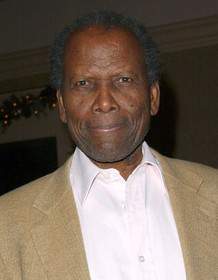
Virgil Tibbs (Sidney Poitier)
Played by Sidney Poitier
A principled and resourceful detective who is drawn into a complex plot involving a break-in and a drug-front operation. He navigates tension with his superiors, forges uneasy alliances with revolutionaries, and uses his intelligence to uncover the truth while facing significant personal risk.
- 🕵️♂️ Detective
- ⚖️ Justice
- 💡 Clever
- JM
Juan Mendoza (Raúl Juliá)
Played by Raúl Juliá
A cunning member of the revolutionary group who engages the drug dealers and orchestrates exchange schemes to leverage the gang and expose the organization. He operates with risk-taking and strategic thinking.
- 🪧 Activist
- 💡 Strategist
- 🔎 Networking
-

Mrs. Morgan (Sheree North)
Played by Sheree North
A civilian connected to the case who becomes a focal point of suspicion as the investigation searches for links to the drug operation. Her actions reflect fear, vulnerability, and potential complicity.
- 👩⚖️ Suspect
- 🧩 Key Witness
- 🏃♀️ Fearful
- SC
Sgt. Chassman (Daniel J. Travanti)
Played by Daniel J. Travanti
A police sergeant whose role reveals the tensions within the investigation and the pressures of enforcing the law within a flawed system. He embodies institutional hurdles that Tibbs must navigate.
- 👮 Police
- 🧭 Authority
- 🧠 Pragmatic
- A(
André (Oscar Beregi Jr.)
Played by Oscar Beregi Jr.
A senior figure within the criminal network, symbolizing the organized leadership behind the drug trafficking. He embodies the calculated, entrenched opposition Tibbs seeks to dismantle.
- 🕯️ Leader
- 💼 Criminal
- 🧠 Calculating
Where and When Is The Organization Set?
The Organization is set in San Francisco, California and Montgomery Street Station construction site (Early 1970s). Here is why the time and place matter to the story.
When
Early 1970s
The story takes place in a contemporary 1970s setting, reflecting urban crime and social tensions of the era. Investigations move through offices, streets, and construction sites, underscoring a period of upheaval and reform in American cities.
Where
San Francisco, California, Montgomery Street Station construction site
The events unfold in San Francisco, centered around a break-in at a corporate headquarters and the city’s hidden drug network. The unfinished Montgomery Street Station construction site provides a tense backdrop for chases and confrontations. The urban landscape of the city frames the clash between law enforcement, revolutionaries, and criminal enterprises.
- 🗺️ Urban
- 🏙️ City
- 🏢 Corporate
What Are the Themes of The Organization?
3 ideas the story keeps returning to, among them Power & Corruption, Complicity & Loyalty and Violence & Consequences.
-
01
Power & Corruption
The plot reveals how corporate fronts can mask illegal activity, with the pursuit of money and control driving both crime and police work. Tibbs navigates a system where authority is questioned and moral lines blur as he probes beneath the surface of the organization.
-
02
Complicity & Loyalty
Characters align with or oppose the revolutionary group and law enforcement, testing loyalties and showing how individuals justify questionable alliances for personal or collective goals.
-
03
Violence & Consequences
Brutal acts, murders, and mob violence propel the narrative, illustrating how violence escalates as truth is sought and witnesses are placed at risk.
What Kind of Film Is The Organization?
Tense in tone, with fast pacing and a moderate story, going by the plot summary.
- Tone
- Tense
- Pacing
- Fast
- Story
- Moderate
- Intensity
- High
- Ending
- Bittersweet
A fast-paced, tense police procedural set in a gritty 1970s San Francisco that delivers high-stakes suspense through gunfights and chases, but ultimately leaves a sobering, bittersweet impression about the endless nature of the war against corruption.
- tense
- gritty
- suspenseful
- determined
- grim
- anxious
- crime investigation
- police corruption
- organized crime
- drug trafficking
Content notes: murder, gun violence, drug trafficking, organized crime.
Quiz
How well do you remember The Organization? Test yourself on the story.
Where to Watch The Organization
Stream it on FlixFling and ScreenPix, or rent or buy it from Amazon Video and Apple TV Store. US availability and prices from JustWatch.
 FlixFling
  ScreenPix Amazon Channel
  ScreenPix Apple TV channel
  Tubi TV




Streaming availability in the US, powered by