
The Projectionist 2019

Directed by
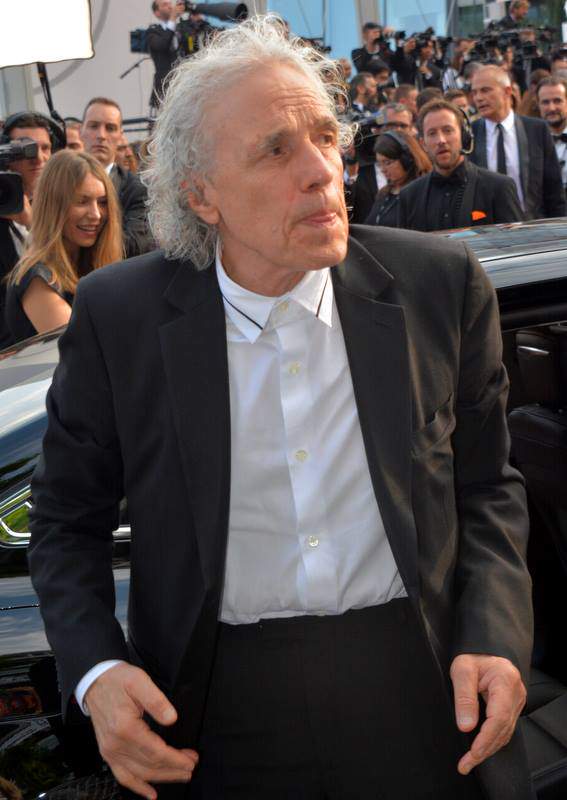
Abel Ferrara
Made by

Faliro House Productions
The Projectionist Plot Summary
Read the complete plot summary and ending explained for The Projectionist (2019). From turning points to emotional moments, uncover what really happened and why it matters.
Chuck McCann, the projectionist, spends long shifts in the dim glow of the projection booth at the Midtown Theater in Midtown Manhattan, where the mercurial manager Renaldi constantly belittles his staff. The humdrum routine of reels and repairs sends Chuck drifting into daydreams, where he becomes the fearless Captain Flash and stages miniature adventures inside the theater’s own walls. When an usher named Harry wanders into the booth to vent about Renaldi, Chuck eagerly shares a memory of a beautiful woman he calls “The Girl,” a vision that fuels his imagination even as the real world rattles with tension.
Renaldi’s barked orders and the occasional reprimand for leaving a cigarette butt on the floor punctuate Chuck’s workday, clouding his mood and pushing him deeper into fantasy. He rewinds films with a mechanic’s care and tunes in to a radio broadcast that sounds oddly bleak, delivering a chilling line:
the way I see things, I’m not very optimistic at all, I just don’t think there’s much hope for the future
As the radio fades, the screen comes alive with a trailer that promises a nightmarish future—The Terrible World of Tomorrow. The on-screen copy paints a stark, almost prophetic picture: a world where man is dehumanized by science, where racial hatreds ignite with bloodlust, and where humanity teeters on the brink of total holocaust. The voiceover lingers on the ominous possibilities, hinting at a society unraveling under the weight of technology and conflict.
After the last reel, Chuck surveys a wall of movie star photographs and begins a playful tour through cinema history, mimicking the voices and mannerisms of the greats. He channels Humphrey Bogart with lines from The Treasure of the Sierra Madre, The Caine Mutiny, and The Maltese Falcon (echoing Sydney Greenstreet as well); he shifts to Wallace Beery’s gruff charm from Min and Bill, then to John Wayne’s rugged cadence in The Green Berets, then to James Stewart’s earnest tone in The Spirit of St. Louis, and finally to Clark Gable’s commanding presence in Gone with the Wind (even weaving in Butterfly McQueen’s distinctive voice). He glances at a photo of Laurel and Hardy and revives their routines, winding up with Bogart’s closing note: “So long, Fred C. Dobbs.”
Bored with the absence of excitement and romance in his day-to-day life, Chuck’s imagination erupts into a full-blown fantasy world where Captain Flash faces off against Renaldi, reimagined as a villain known as The Bat. The Bat commands six henchmen and desires to seize a mysterious X-ray device created by an elderly European scientist who quietly operates the theater’s candy concession stand. The scheming Bat captures the scientist’s beautiful daughter, intending to wield the device’s power for domination. Yet the daughter proves herself capable in karate, and alongside Captain Flash she defies The Bat, turning the tide of the struggle. In a playful, exuberant twist, the two defeat the villains and celebrate their victory with a Busby Berkeley–style dance number, blending romance, bravado, and fantasy into a jubilant finale that lifts the otherwise drab routine into a world of cinema-sized wonder.
The Projectionist Timeline
Follow the complete movie timeline of The Projectionist (2019) with every major event in chronological order. Great for understanding complex plots and story progression.
Projection booth opening credits
Chuck McCann is shown operating the projection booth as The Projectionist opening credits roll, establishing the film theater setting. The Midtown Theater in Midtown Manhattan is introduced, along with the dour atmosphere of the workplace and the domineering Renaldi.
Renaldi's harassment and Chuck's mood
Renaldi berates Chuck and other employees, creating a tense, hostile energy in the theater. Chuck's mood sours as he endures the boss's belittling, setting up the underlying frustration that drives his fantasies.
Chuck escapes into Captain Flash
Spending long hours in the booth, Chuck imagines himself as the superhero Captain Flash, using his mind to escape the banality of his job. The fantasy hints at a longing for romance and adventure beyond the theater walls.
Harry's complaint and The Girl in Chuck's thoughts
Harry enters the booth to complain, and Chuck tells him about the beautiful woman he saw earlier, nicknamed The Girl. The moment underscores Chuck's fixation on romance and the divide between his dull reality and desired fantasy.
The Terrible World of Tomorrow trailer
Chuck rewinds a reel while a radio broadcast previews a bleak future, and an on-screen trailer touts a world of dehumanization, war, and apocalypse. The ominous material foreshadows the dark tone that fuels Chuck's imagination.
Cinema idols come to life in homage
After work, he studies star photographs and mimics iconic lines from Bogart, Greenstreet, Beery, Wayne, Stewart, and Gable. He also re-creates Laurel and Hardy’s voices, saying 'Say goodnight, Stanley' and 'Goodnight, Stanley', then switches to Bogart and ends with 'So long, Fred C. Dobbs'.
Captain Flash vs The Bat enters the fantasy
The fantasy casts Renaldi as the villainous The Bat who intends to seize the aged European scientist's X-ray device, while the scientist is depicted as the eccentric old man running the candy concession. Captain Flash fights to thwart this world-threatening plot within Chuck's imagination.
The Bat abducts the scientist's daughter; karate heroine arises
In the dream-world, The Bat abducts the scientist's beautiful daughter, only to discover she is skilled in karate and capable of holding her own. Captain Flash teams with the daughter to resist The Bat's plan and save the day.
Duel ends in victory
The karate-trained daughter and Captain Flash defeat The Bat, thwarting his global ambitions and restoring a momentary sense of order within the fantasy. The sequence emphasizes triumph and the thrill of escapist cinema.
Busby Berkeley-style musical finale
Following the victory, Captain Flash and the daughter dance into a Busby Berkeley-style musical number, blending fantasy with exuberant cinema spectacle. The sequence underscores Chuck's longing for romance and a more glorious cinematic world.
Reality intrudes as fantasy ends
The line between daydream and reality grows thinner as the dance ends and Chuck returns to the projection booth. He remains caught between dull routine and the vibrant world his imagination offers, hinting at persistent loneliness.
Closing mood: imagination as solace
The day closes with a wistful mood as Chuck clings to cinema as his solace against a routine life. The final image suggests imagination can be a powerful escape for someone craving romance, adventure, and meaning.
The Projectionist Characters
Explore all characters from The Projectionist (2019). Get detailed profiles with their roles, arcs, and key relationships explained.
Chuck McCann
A weary projectionist who spends hours in the booth and routinely mimics famous film voices. He dreams of heroism as Captain Flash to cope with a dull, oppressive job and a lackluster personal life. His imagination blurs into a personal fantasy world where he fights villains and finds romance in the theater's shadows.
Renaldi
The theater manager who berates employees and micromanages the booth. In Chuck's fantasies, he becomes The Bat, a ruthless villain who kidnaps scientists and commands henchmen. He personifies workplace tyranny and the menace that dwarfs ordinary staff when authority becomes personal spite.
The Girl
A beautiful woman seen by Chuck and referred to as 'The Girl' who embodies desire and idealized romance. Her presence catalyzes Chuck's fantasies and provides a glimmer of romance amid the mundane routine. She remains an object of imagination rather than a real love interest in the booth.
The Scientist
An aged European scientist who possesses an X-ray device that fascinates the characters and drives the plot's tech-meets-power motif. He embodies the fragile boundary between discovery and danger. His work becomes a MacGuffin around which the hero and villain maneuver.
The Scientist's Daughter
The scientist's daughter is kidnapped in Chuck's fantasy by The Bat but ultimately proves to be capable of karate and defend herself. Her role shifts the stakes from personal longing to agency and action within the dream world. She acts as a catalyst for Captain Flash's resistance.
Captain Flash
Chuck's alter ego, a superhero who embodies courage and escapism. In the simple world of the projection booth, Captain Flash confronts The Bat, rescues the scientist's daughter, and dances with the girl in a Busby Berkeley-inspired fantasy sequence. The persona reveals Chuck's longing for meaning and romance.
The Bat
The villain of Chuck's fantasy, embodied by Renaldi, who aims to seize control of the X-ray device and dominate the world. The Bat's six henchmen and his plan symbolize how power fantasies can corrupt and threaten ordinary lives. This character acts as a foil to Captain Flash's ideals.
The Projectionist Settings
Learn where and when The Projectionist (2019) takes place. Explore the film’s settings, era, and how they shape the narrative.
Location
Midtown Theater, Midtown Manhattan
The Midtown Theater sits in the heart of Midtown Manhattan, a working cinema with a projection booth as its nerve center. The venue is a place where patrons come for films and where the projectionist and staff enforce the rules of a small, ritualized space. The theater's atmosphere is tense under the manager Renaldi, who demeans employees and dictates the screening schedule, making the booth a private arena for the projectionist's fantasies.
The Projectionist Themes
Discover the main themes in The Projectionist (2019). Analyze the deeper meanings, emotional layers, and social commentary behind the film.
🦸♂️
Escapism
Chuck McCann escapes his unsatisfying life by imagining himself as Captain Flash, a fearless hero who savors a sense of purpose. The projection booth becomes a stage where fantasies override daily dullness and even danger. This theme shows how cinema and imagination offer relief from a coercive work environment and unfulfilling reality. It also questions where imagination ends and reality begins.
💼
Power & Control
Renaldi's abusive management demonstrates how authority can shape the work environment and crush individual spirits. The fantasy sequences invert this dynamic, casting Renaldi as The Bat, a ruthless villain who kidnaps scientists and commands henchmen. The struggle in the booth mirrors a broader fight for dignity within a coercive institution. The theme highlights how power can corrupt personal relationships and stifle creativity.
🤖
Technology & Dehumanization
The in-film trailer The Terrible World of Tomorrow hints at a future where science renders people into dehumanized cogs. Chuck's fascination with the X-ray device and the old scientist's work frames technology as a double-edged sword. The film uses the juxtaposition of wonder and horror to question whether progress enhances or erodes humanity. It suggests that media itself can turn people into symbols or threats rather than individuals.

Coming soon on iOS and Android
The Plot Explained Mobile App
From blockbusters to hidden gems — dive into movie stories anytime, anywhere. Save your favorites, discover plots faster, and never miss a twist again.
Sign up to be the first to know when we launch. Your email stays private — always.
Explore the mobile appThe Projectionist Spoiler-Free Summary
Discover the spoiler-free summary of The Projectionist (2019). Get a concise overview without any spoilers.
In the heart of Manhattan, a single theater becomes a micro‑cosm of a city whose cinematic landscape is in constant flux. The documentary follows a modest, time‑worn movie house as it navigates the rise of multiplexes, streaming services, and shifting neighborhood dynamics. The corridors are lined with faded posters, the air hums with the mechanical whir of reels, and the streets outside pulse with the restless energy of New York, offering a vivid backdrop for a story about preservation, nostalgia, and the subtle artistry of film exhibition.
At the center of this world is Chuck McCann, a seasoned projectionist whose long shifts behind the dim glow of the booth have turned the act of threading film into a ritual. He moves between the tactile care of rewinding and repairing reels and the occasional jabs from the theater’s mercurile manager, Renaldi, whose brusque demands keep the atmosphere taut. Between the static of the projector and the chatter of patrons, Chuck drifts into quiet reveries, allowing the silver screen’s history to seep into his imagination. The film captures his quiet humor, his love of classic Hollywood voices, and his yearning for a touch of romance amid the routine, painting a portrait of a man whose work is both a job and a devotion.
The tone balances melancholy with a gentle, reverent playfulness, echoing the very movies that line the theater’s walls. By interweaving snippets of old radio broadcasts, faded photographs of icons, and fleeting day‑dreams, the documentary hints at a deeper, imaginative inner life without spelling out its specifics. It celebrates the quiet heroes who keep the magic of cinema alive, suggesting that even in a rapidly changing urban environment, the act of watching and projecting film remains a potent, communal experience waiting to be rediscovered.
Movies with Similar Twists and Themes
Uncover films that echo the narrative beats, emotional arcs, or dramatic twists of the one you're exploring. These recommendations are handpicked based on story depth, thematic resonance, and spoiler-worthy moments — perfect for fans who crave more of the same intrigue.



Featured on this page

What's After the Movie?
Not sure whether to stay after the credits? Find out!
Check out our other apps:

SAT Sphere
Build confidence for the Digital SAT.

Mori Atlas
Discover wild places worth protecting.

Luntero
Search smarter for a home in Amsterdam.

Plot Explained
Unravel movie endings and hidden clues.

Pokechamp
Dive into Pokémon data and battle logic.

Driving Theory
Get ready for your European theory test.

Movie Dust
Plan your next cinema trip with ease.

Musemap
Find art and culture as you travel.

Selkobase
Compare credentials before committing.

Local Manual
Turn an unfamiliar country into practical next steps.

Lernavi
Compare school systems before your next move.

GymRoam
Find a workout stop wherever your plans take you.
Explore Our Movie Platform
New Movie Releases (2026)
Famous Movie Actors
Top Film Production Studios
Movie Plot Summaries & Endings
Major Movie Awards & Winners
Best Concert Films & Music Documentaries
Movie Collections and Curated Lists
© 2026 What's After the Movie. All rights reserved.
Privacy Policy