
The Projectionist 2019

Directed by

José María Cabral
Made by

Tabula Rasa Films
The Projectionist Plot Summary
Read the complete plot summary and ending explained for The Projectionist (2019). From turning points to emotional moments, uncover what really happened and why it matters.
In the film, we are introduced to Chuck McCann, a dedicated projectionist who spends his days operating the projection booth at the Midtown Theater, a venue located in the bustling heart of Midtown Manhattan. The theater itself is overseen by Renaldi, a stern and often rude manager who constantly belittles and insults his employees, creating a tense and oppressive work environment. As Chuck goes about his duties, he often escapes into vivid daydreams, imagining himself as a heroic figure named Captain Flash. These fantasies serve as a form of escapism from the dull routines of his job and the hostile atmosphere surrounding him.
During moments of solitude in the projection booth, Chuck shares these vivid imaginings with Héctor Sierra, portraying himself as the brave superhero amidst the darkened theater. His imagination is so intense that he even describes to Harry, an usher, an encounter he had earlier with a woman he calls “The Girl”, who symbolizes an idealized form of beauty and adventure. However, Chuck’s tranquil fantasy world is frequently interrupted by Renaldi, who enters the booth to reprimand him—most notably criticizing Chuck for leaving a cigarette butt on the floor, which worsens Chuck’s mood.
Later, Chuck occupies his time by winding film reels and tuning into a radio broadcast that reflects the bleak outlook of the world. The radio predicts a grim future, stating, “the way I see things, I’m not very optimistic at all, I just don’t think there’s much hope for the future.” This ominous tone is complemented by a trailer projected onscreen that warns of horrific possibilities — a future “where man becomes a dehumanized slave of science” and “years of racial hatred erupting in bloodshed.” The trailer also ominously suggests a “total holocaust”, depicting a world destroyed by technology and war. As the broadcast continues, the voice comments on the lack of hope, emphasizing a sense of impending doom that echoes the film’s theme of societal despair.
At the end of his shift, Chuck tends to his collection of photographs of film stars, often mimicking their voices and mannerisms. He hilariously impersonates Humphrey Bogart using memorable lines from films such as The Treasure of the Sierra Madre, The Caine Mutiny, and The Maltese Falcon—sometimes even adopting the voice of Sydney Greenstreet. His impressions extend to other legendary actors, including John Wayne, James Stewart, and Clark Gable, each time parodying their iconic characters and mannerisms. For a touch of comedy, he recreates the voices of Laurel and Hardy, ending his routine with a nod to the classics by exclaiming, “So long, Fred C. Dobbs.”
Despite these colorful fantasies and impersonations, Chuck’s reality feels monotonous and uninspired. His boredom leads him to further indulge in his imagination, where he envisions himself as Captain Flash, a daring hero fighting against an ominous villain called The Bat. In this fantasy, Renaldi becomes the villainous The Bat, who, along with his six henchmen, seeks to seize a mysterious X-ray device created by an eccentric European scientist. The scientist, an elderly man with an accent and running the candy stand, becomes involved in this secret plot. The villain kidnaps the scientist’s beautiful daughter, who surprises everyone by being proficient in karate. Together with Captain Flash, she defeats The Bat, battling through action sequences and dancing into a Busby Berkley-style musical finale.
Throughout the film, the boundaries between Chuck’s imagination and reality blur, illustrating a poignant commentary on escapism, loneliness, and the desire for adventure. The contrast between the mundane reality of working at a struggling theater and Chuck’s vibrant fantasies underscores the universal human longing for excitement and meaning. His internal world is rich with heroic deeds, dramatic confrontations, and musical numbers, providing a colorful and imaginative counterpoint to the subdued environment of the Midtown Theater.
Overall, this film offers a layered exploration of fantasy versus reality, capturing the essence of a lonely projectionist who finds refuge in his vivid daydreams while quietly longing for a more extraordinary life. The film artfully combines humor, nostalgia, and a touch of darkness to create a compelling portrait of a man lost in his own cinematic universe, forever dreaming of heroism and adventure beyond the drab confines of his real world.
The Projectionist Timeline
Follow the complete movie timeline of The Projectionist (2019) with every major event in chronological order. Great for understanding complex plots and story progression.
Projection Booth Opening
Chuck McCann is seen operating the projection booth equipment as the opening credits of The Projectionist roll. This scene introduces the main setting of the Midtown Theater and Chuck's role as a projectionist. The atmosphere hints at his loneliness and routine-filled life.
Renaldi's Management
Renaldi, the theater manager, is introduced as a stern and insulting figure who berates his employees, including Chuck and Harry. This establishes the oppressive environment of the theater and the tension between staff and management.
Chuck's Imagination as Captain Flash
While spending hours in the projection booth, Chuck fantasizes about himself as a superhero called Captain Flash. His imagination provides an escape from the dull reality and reflects his desire for excitement and heroism.
Harry Complains
Harry, an usher, enters the projection booth to complain about Renaldi. Chuck, in his fantasy world, describes a beautiful woman he saw earlier, calling her 'The Girl,' adding to his romantic fantasies.
Renaldi Confronts Chuck
Renaldi enters the booth and criticizes Chuck for leaving a cigarette butt on the floor, showing the ongoing tension between management and staff. This moment underscores the oppressive atmosphere in the theater.
Rewinding the Film and Radio Broadcast
Chuck starts rewinding a film reel and listens to a radio broadcast discussing a bleak outlook on the future, mentioning dehumanization, racial hatred, and total holocaust, setting a dark tone and hinting at themes of despair.
Screen Trailer and Broadcast
The TV trailer plays, warning of the horrors of science and war with vivid imagery, while the radio continues its bleak commentary, emphasizing a worldview filled with chaos and destruction.
Chuck's Film Icon Imitations
At the end of his day, Chuck looks at star photographs and begins impersonating famous actors like Humphrey Bogart, Wallace Beery, and Clark Gable, mimicking their voices and dialogue, showcasing his love for classic cinema.
Laurel and Hardy Tribute
Chuck recreates the voices of Laurel and Hardy, recalling a TV show he hosted, and concludes his impersonations with a Bogart quote, revealing his nostalgia and fondness for old comedy and film legends.
Fantasizing Heroic Adventures
Bored with his mundane life, Chuck imagines himself as Captain Flash and envisions Renaldi as The Bat, a villain with henchmen seeking to possess a powerful X-ray device and threaten the world.
Kidnapping and Ultimate Battle
In Chuck's fantasy, The Bat kidnaps a scientist's daughter, but she reveals her karate skills and, alongside Captain Flash, defeats The Bat in a spectacular showdown, ending with a musical dance sequence.
The Projectionist Characters
Explore all characters from The Projectionist (2019). Get detailed profiles with their roles, arcs, and key relationships explained.
Chuck McCann as Projectionist / Imaginary Captain Flash
Chuck is a bored projectionist who escapes his monotonous job by imagining himself as a heroic superhero, Captain Flash. His fantasies reveal a desire for excitement, adventure, and recognition, contrasting his dull daily routine.
Renaldi
Renaldi is the irritable theater manager who disrespects his employees, representing authority and scorn. His interaction with Chuck underscores the tension between routine work and personal aspirations.
The Girl / The Daughter
The Girl is a symbol of beauty and intrigue in Chuck’s fantasies, later revealed as a skilled karate fighter. She embodies the idealized romantic or adventurous figure, inspiring Chuck's imagination and heroism.
The Projectionist Settings
Learn where and when The Projectionist (2019) takes place. Explore the film’s settings, era, and how they shape the narrative.
Time period
1960s
The movie takes place during the 1960s, a period marked by social change, technological advancement, and cultural shifts in America. The era saw Hollywood producing both classic films and experiments in storytelling, fitting with the movie's nostalgic and cinematic themes.
Location
Midtown Manhattan, Midtown Theater
The Midtown Theater is located in the bustling Midtown Manhattan, an iconic area known for its theaters, skyscrapers, and vibrant city life. The theater serves as a historic venue in New York City, hosting films and performances, reflecting the entertainment hub of the city.
The Projectionist Themes
Discover the main themes in The Projectionist (2019). Analyze the deeper meanings, emotional layers, and social commentary behind the film.
🎥
Nostalgia
The film explores the theme of nostalgia through Chuck McCann's character, who fantasizes about classic movie stars and film genres. It highlights a longing for the golden age of cinema and the allure of Hollywood's mythic characters.
🧠
Escapism
The movie emphasizes escapism as Chuck daydreams about superhero adventures and musical fantasies to escape his mundane reality. The fantastical elements allow characters and viewers to delve into imaginative worlds beyond the theater.

Coming soon on iOS and Android
The Plot Explained Mobile App
From blockbusters to hidden gems — dive into movie stories anytime, anywhere. Save your favorites, discover plots faster, and never miss a twist again.
Sign up to be the first to know when we launch. Your email stays private — always.
Explore the mobile appThe Projectionist Spoiler-Free Summary
Discover the spoiler-free summary of The Projectionist (2019). Get a concise overview without any spoilers.
In the dim hush of a single-screen theater, Chuck McCann lives behind a veil of film stock and flickering light. By day he slides reels into the projector, the rhythmic whir of the machinery the only rhythm that steadies his solitary existence. The world beyond the marquee is a restless blur, yet within the moving images he discovers an unexpected companion—a woman who appears only in the grainy frames of a forgotten reel. Her silent presence becomes a quiet anchor, a whispered promise of connection that steadies his otherwise isolated routine.
When the reel vanishes, the fragile thread that has tied Chuck to that fleeting intimacy is ripped away, and the loss ignites a restless yearning that cannot be soothed by the darkness of the projection booth. He abandons the comforts of the theater and sets out on an unlikely pilgrimage across the Dominican Republic, a journey that pulls him far from the concrete corridors of Manhattan into a landscape of sun‑baked mountains, wind‑swept coasts, and remote villages where poverty and resilience coexist. The road ahead is as much an inner trek as an external one, inviting him to confront the gaps in his own story while searching for the elusive figure who lives only in his memory.
Throughout his wandering, the film‑loving protagonist encounters a mosaic of lives that pulse with their own quiet dramas—farmers tending to stubborn earth, children chasing hope through narrow alleys, elders sharing stories that echo the rhythm of the reels he once tended. The tone swells with a blend of melancholy and quiet optimism, a gentle reminder that the act of looking can become an act of belonging. As Chuck moves deeper into unfamiliar terrain, the journey itself becomes a canvas for yearning, discovery, and the fragile hope that the woman from the reel might be waiting somewhere beyond the silver screen.
Movies with Similar Twists and Themes
Uncover films that echo the narrative beats, emotional arcs, or dramatic twists of the one you're exploring. These recommendations are handpicked based on story depth, thematic resonance, and spoiler-worthy moments — perfect for fans who crave more of the same intrigue.

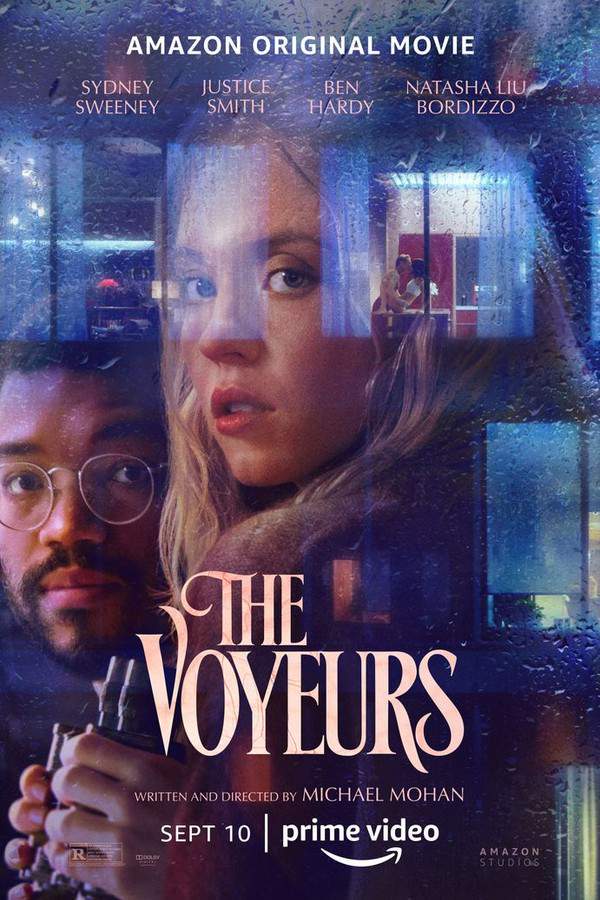
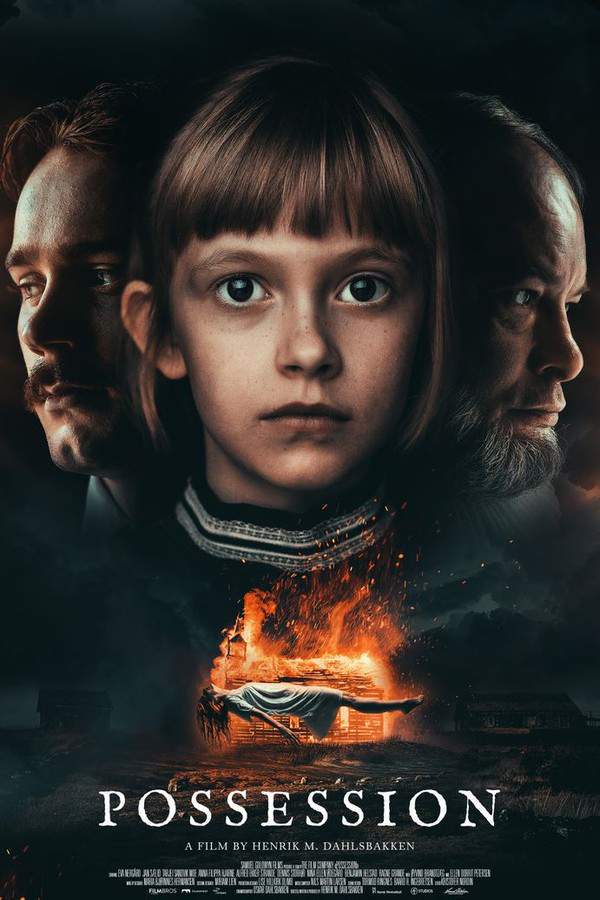
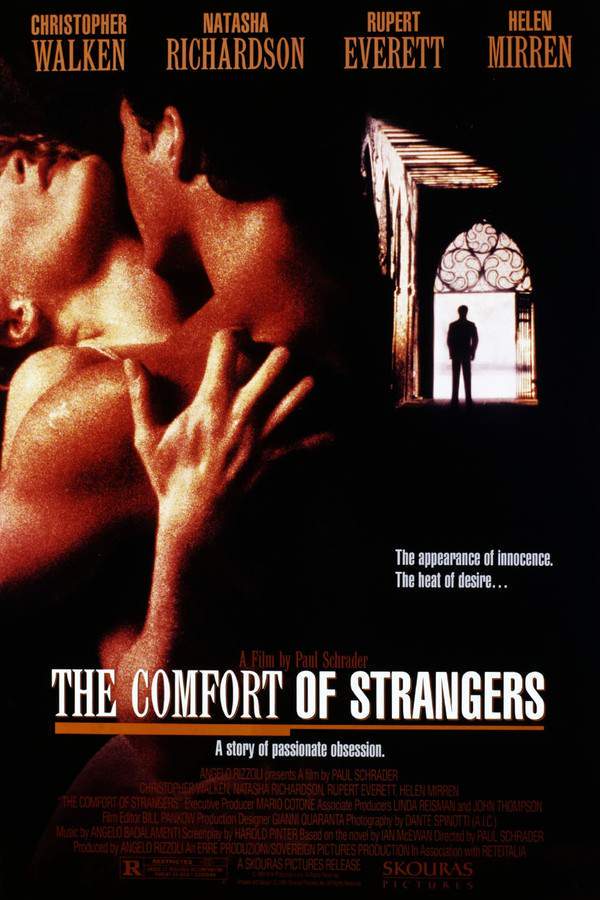


Featured on this page

What's After the Movie?
Not sure whether to stay after the credits? Find out!
Check out our other apps:

SAT Sphere
Build confidence for the Digital SAT.

Mori Atlas
Discover wild places worth protecting.

Luntero
Search smarter for a home in Amsterdam.

Plot Explained
Unravel movie endings and hidden clues.

Pokechamp
Dive into Pokémon data and battle logic.

Driving Theory
Get ready for your European theory test.

Movie Dust
Plan your next cinema trip with ease.

Musemap
Find art and culture as you travel.

Selkobase
Compare credentials before committing.

Local Manual
Turn an unfamiliar country into practical next steps.

Lernavi
Compare school systems before your next move.

GymRoam
Find a workout stop wherever your plans take you.
Explore Our Movie Platform
New Movie Releases (2026)
Famous Movie Actors
Top Film Production Studios
Movie Plot Summaries & Endings
Major Movie Awards & Winners
Best Concert Films & Music Documentaries
Movie Collections and Curated Lists
© 2026 What's After the Movie. All rights reserved.
Privacy Policy