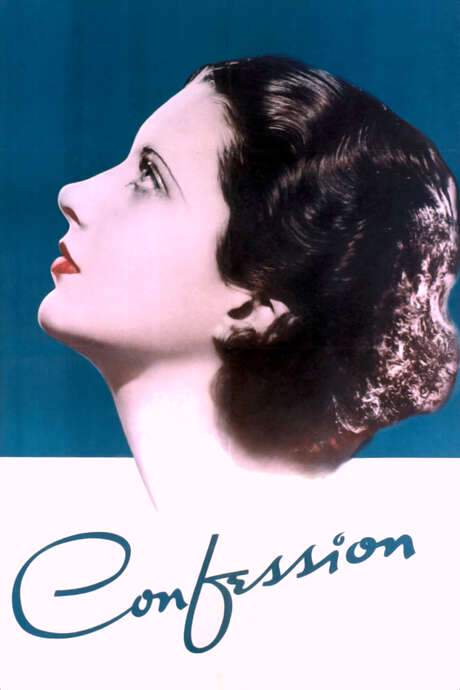
What Is The Confession About?
The premise of The Confession in 312 words, with nothing given away. The full story follows below.
In the early 1950s, Czechoslovakia is a nation cloaked in the heavy silence of an increasingly watchful regime. The corridors of power are lined with polished wood and whispered rumors, while the ever‑present eyes of the secret police turn even the most private conversations into public scrutiny. This atmosphere of pervasive surveillance frames a world where loyalty is both a badge of honor and a potential liability, creating a tense backdrop of political intrigue and personal unease.
Artur Ludvik, a celebrated war hero now serving as the vice‑minister of Foreign Affairs, carries the weight of his distinguished past into a role that demands both steadfast devotion and constant vigilance. Surrounded by a tight‑knit circle of fellow officials, he begins to sense that his every movement is being logged, his every word dissected. The subtle pressure of being monitored fuels a growing internal conflict: how far can one remain true to a system that watches its own?
At home, his wife Lise strives to sustain a semblance of normalcy for their children while the state reshapes her career and expectations. Her transition from a prominent radio announcer to a factory floor illustrates the regime’s reach into the most intimate corners of daily life. Their partnership becomes a quiet anchor amid the storm of political paranoia, hinting at the personal sacrifices demanded by a world where public duty eclipses private desire.
The film’s tone is stark and unrelenting, painting a portrait of a society where the line between vigilance and oppression blurs. Shadows lengthen over marble halls, and the oppressive quiet is broken only by the faint hum of a sunlamp or the rustle of a prison cell door. Through measured pacing and a subdued palette, the story invites the audience to linger on the psychological tension that grips a man who has devoted his life to a cause now turning its gaze inward.
What Happens in The Confession?
The complete story of The Confession, from the first scene to the last, in 459 words (about 2 minutes). Spoilers throughout. Names in the text link to 2 cast member pages.
Spoilers ahead
Artur Ludvik, alias Gérard, a loyal communist and WWII hero, Yves Montand portrays the man who in 1951 serves as the vice-minister of Foreign Affairs of Czechoslovakia. He soon realizes he is being watched and followed, and he gathers with a tight circle of friends who also hold top government positions. They discover that their every move is monitored, even by the chief of the StB, the secret police responsible for the surveillance.
One day, Artur is arrested by a group that proclaims itself “above the ruling party,” and he is jailed in solitary confinement for months without being told the charges. His wife Lise, Simone Signoret playing a central role in his life, and their children are kept in the dark by the state, told only to cooperate for their own protection. Lise loses her job as a prominent radio news announcer and is compelled to work in a factory, yet she remains convinced of her husband’s integrity and the party’s claimed wisdom and benevolence.
During confinement, Artur endures brainwashing techniques: sleep deprivation, forced pacing, and relentless psychological pressure designed to break his will. He is nudged toward confessing imaginary crimes, including treason, while his friends are also arrested and pressured to implicate him. The authorities feed him a mix of flattery and fear, coaching him to recite memorized replies, and he is kept physically healthy with nourishing meals, vitamin injections, and a sunlamp to restore his appearance after years of hardship.
The regime stages a public trial, broadcast on the radio and later shown in cinemas. As the courtroom drama unfolds, Lise is pressured to record a statement disowning her husband and praising the party, a confession that is aired to the public. The prisoners are condemned to death or life imprisonment, with Artur receiving the latter. Lawyers appointed for the defense tell them the penalties are theatrical and will not be enforced if they do not appeal, and the prisoners reluctantly accept their sentences after a final appearance in court.
In the years that follow, some of the prisoners are gradually freed and rehabilitated between 1956 and 1963, while others are executed and cremated, their ashes scattered along a road. Behind the scenes, several boxtone figures of power face consequences too, including Kohoutek, Artur’s interrogator. Artur later encounters the demoted Kohoutek, who tries to minimize his role by insisting he merely followed orders and did not truly understand the party’s aims.
Decades later, in 1968, Artur publishes his memoirs recounting the ordeal. He returns to Czechoslovakia amid the simmering Prague Spring, hoping the truth will emerge. Yet his arrival coincides with the Warsaw Pact invasion, casting a shadow over his bid to reveal the truth and marking a grim end to his immediate hopes for reform.
The Confession Timeline: Every Key Event in Order
12 key events in the order they happen, from “Artur and friends discover they are being watched” to “Memoirs and invasion interrupt the wish for truth”. 12 events name a place, across 4 locations.
- 1
Artur and friends discover they are being watched
Artur Ludvik, a high-ranking communist and vice-minister, begins to sense that he is being watched. He gathers with a circle of friends who also hold top government positions, and they realize the monitoring is pervasive. The realization even extends to the StB chief, signaling a sweeping crackdown.
When:1951 Where:Prague, Czechoslovakia
- 2
Arrest and solitary confinement begin
Artur is arrested by an organization that declares itself 'above the ruling party' and is placed in solitary confinement for months without being told why. The isolation is designed to break him and extract information under pressure.
When:1951-1952 Where:Prague, Czechoslovakia
- 3
Family is kept in the dark and punished
Lise and the couple’s children are kept ignorant of the charges against Artur and are pressured to cooperate for their own safety. Lise is removed from her job as a radio announcer and forced to work in a factory, illustrating how the regime controls everyday life.
When:1951-1952 Where:Prague, Czechoslovakia
- 4
Brainwashing begins: sleep deprivation and coercion
Artur is subjected to routine brainwashing, including sleep deprivation and forced physical activity. He is pressured to confess to imaginary crimes as interrogators tighten the squeeze.
When:1951-1952 Where:Prison
- 5
Friends arrested and implicate Artur
Artur learns that his friends have also been arrested and are implicating him in crimes against the state. The encroachment climbs higher as the group is turned into a tool of the regime's narrative.
When:1951-1952 Where:Prison
- 6
Public trial is groomed; prepared to recite
After crushing pressure, Artur confesses and is groomed for a public 'trial.' Interrogators coach him to memorize answers, while he receives meals, vitamin injections, and a sunlamp to restore his appearance after years of wasting away.
When:1952 Where:Prison
- 7
Broadcast trial takes place; Lise testifies
The trial is broadcast live, with Lise forced to record a statement disavowing her husband and praising the party. The prisoners are sentenced to death or life imprisonment, and Artur is given life.
When:1953 Where:Courtroom, Prague
- 8
Legal theater: no real appeal; sentences shown as theatre
The prisoners threaten to appeal, but court-appointed lawyers tell them the sentences are for the party's benefit and won’t be enforced if they do not appeal. The show trial sustains the regime's control over public perception.
When:1953 Where:Courtroom, Prague
- 9
Partial rehabilitation; others face execution
Between 1956 and 1963, some prisoners are gradually freed and rehabilitated, while the rest are executed and cremated. Their ashes are scattered along a road, a lasting symbol of the purge and its secrecy.
When:1956-1963 Where:Czechoslovakia
- 10
Kohoutek and officials face repercussions
The architects of the ordeal, including Kohoutek the interrogator, begin to face their own persecutions as the regime reconsiders its abuses. The purge leaves a double memory: guilt for the perpetrators and caution for the survivors.
When:1950s-1960s Where:Czechoslovakia
- 11
Artur confronts Kohoutek years later
Artur encounters Kohoutek years after the events, who tries to downplay his role by claiming he only followed orders. The exchange underscores the persistence and manipulation of blame within the system.
When:1960s Where:Czechoslovakia
- 12
Memoirs and invasion interrupt the wish for truth
In 1968, Artur completes his memoirs and returns to publish them, hoping to shed light on those years. He arrives in Prague amid the Prague Spring as the Warsaw Pact invasion begins, complicating any chance of a truth-seeking reckoning.
When:1968 Where:Prague, Czechoslovakia
Who Are the Main Characters in The Confession?
4 characters, among them Gérard (Artur Ludvik) – Yves Montand, Lise (Lise London) – Simone Signoret and Kohoutek: who each one is and the part they play in the story. Every profile links to the actor’s page.
-
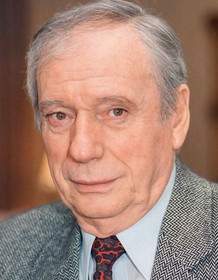
Gérard (Artur Ludvik) – Yves Montand
Played by Yves Montand
A loyal communist and former WWII hero who rises to the role of vice-minister of Foreign Affairs. He is intelligent and principled, yet gradually crushed by surveillance, coercion, and isolation. His resilience is tested as he navigates a system that demands false confessions and public loyalty.
- 🎭 Protagonist
- 🧠 Intellectual
- 🕵️♂️ Under surveillance
-
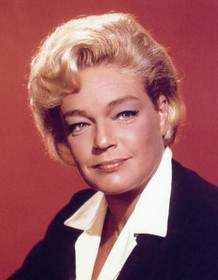
Lise (Lise London) – Simone Signoret
Played by Simone Signoret
Artur’s wife, a prominent radio news announcer who is forced to adapt to a politically constrained life and later to a factory job. She embodies the conflict between personal loyalty and political pressures, and her resilience is tested as she confronts coercive state power.
- 🎭 Supporting character
- 💔 Spouse under political pressure
- 🧠 Resilient
- K
Kohoutek
Played by Gabriele Ferzetti
Artur’s interrogator, a figure of the system who uses coercion and manipulation to obtain confessions. His role highlights the mechanization of brutality within the state apparatus and the moral cost of maintaining power.
- 🕵️♂️ Interrogator
- 🧠 Coercer
- 🏛️ Bureaucrat
- FO
Friend of Lise – Monique Chaumette
Played by Monique Chaumette
A confidant within Lise’s social circle who offers support and a glimpse of ordinary life outside the political machinery. Her presence underscores the personal networks that persist even under repression.
- 🎭 Supporting character
- 🤝 Confidant
- 🗺️ Social circle
Where and When Is The Confession Set?
The Confession is set in Czechoslovakia and Prague (1951-1968). Here is why the time and place matter to the story.
When
1951-1968
The timeline stretches from the early 1950s through the late 1960s, tracing a period of intense political repression, show trials, and controlled narratives. It covers the height of Stalinist influence, the gradual erosion of that regime, and culminates around the Prague Spring and the Warsaw Pact invasion. The era is defined by ideological rigidity, mass surveillance, and orchestrated confessions.
Where
Czechoslovakia, Prague
The story unfolds within Czechoslovakia during the early Cold War, with Prague serving as a focal point for political life and state control. It centers on the upper echelons of government and the machinery of the StB, highlighting how the city becomes a stage for surveillance, public trials, and memory manipulation. The setting reflects a regime where private life is ripped apart by state authority and propaganda.
- 🇨🇿 Czechoslovakia
- 🕵️ Secret police era
- 🏛️ Cold War repression
What Are the Themes of The Confession?
3 ideas the story keeps returning to, among them Surveillance, Power and Repression and Memory and Truth.
-
01
Surveillance
The film portrays pervasive state monitoring that tracks Artur and his peers, turning colleagues into informants and blotting out private lives. Surveillance expands from secret police offices to public spaces, shaping behavior and choices. The constant gaze of authorities creates a climate of fear and suspicion that drives the plot.
-
02
Power and Repression
The party's apparatus fabricates crimes and stages trials to retain control, using media spectacles to legitimize coercion. Legal processes are manipulated to serve political ends, while memory and truth are weaponized against dissenters. The regime treats individuals as expendable components within a larger machine.
-
03
Memory and Truth
Characters confront manufactured memories as the state rewrites history through confessions and public broadcasts. The memoirs and testimonies become acts of resistance and a fragile quest for authenticity amid propaganda. The film questions whether truth can survive when it is constantly curated by those in power.
What Kind of Film Is The Confession?
Dark in tone, with steady pacing and a moderate story, going by the plot summary.
- Tone
- Dark
- Pacing
- Steady
- Story
- Moderate
- Intensity
- High
- Ending
- Bleak
A relentlessly grim and claustrophobic political thriller that immerses the viewer in the psychological torment of a man systematically broken by an oppressive state, creating an atmosphere of profound anxiety and despair.
- claustrophobic
- oppressive
- anxious
- somber
- grim
- desperate
- political repression
- interrogation and torture
- psychological manipulation
- false confession
Content notes: psychological torture, solitary confinement, false imprisonment, political execution, brainwashing.
Quiz
How well do you remember The Confession? Test yourself on the story.