What Is Confession About?
The premise of Confession in 321 words, with nothing given away. The full story follows below.
In a rain‑slick European city of the early 1930s, the grand yet austere courtroom becomes the focal point of a story that pulses with the lingering echo of a once‑vibrant music world. A single, striking trial dominates the city’s conversation: Vera Kowalska stands accused of the killing of a celebrated concert pianist. The case draws the press, the public, and a host of curious onlookers, all eager to witness how the past can be summoned into a stark, legal arena.
Vera is introduced as a former opera diva whose life was once lit by the glow of the stage. Years of triumph, loss, and a tangled personal history have left her a figure of both reverence and mystery. Across the bench, Michael Michailow carries the charisma of a virtuoso whose performances have captivated audiences far beyond the concert hall, yet whose reputation now hangs in precarious balance. Watching from the periphery is Lisa Koslov, a seventeen‑year‑old conservatory student whose own ambitions are quietly shaped by the very music that once brought the two adults together.
The trial forces each of them to confront the shadows that have followed them for decades. As testimony is offered, fragments of a shared past surface—letters, broken promises, and a lingering sense of unfinished business—casting the proceedings into a delicate dance between fact and feeling. The courtroom’s cold stone walls seem to absorb the strains of a bygone era, while the murmurs of the gallery hint at deeper currents of love, regret, and the relentless pursuit of redemption.
Through a palette of muted lighting, period costumes, and a soundtrack that weaves classical motifs with melancholy, the film establishes a tone that is both intimate and grandiose. It invites the audience to linger on the fragile ties that bind a mother, a lover, and a young artist, promising that the truth behind the accusation may be as complex and haunting as the music that defined their lives.
What Happens in Confession?
The complete story of Confession, from the first scene to the last, in 647 words (about 3 minutes). Spoilers throughout. Names in the text link to 6 cast member pages.
Spoilers ahead
In a European city in the year 1930, the 17-year-old music student Lisa Koslov sees her mother off at the train station. An envelope handed to her contains two tickets to a piano concert that she suspects come from a well-dressed man who seems to be following her. Her friend Hildegard persuades her to go, and at the recital the man is revealed to be the renowned pianist Michael Michailow. On Lisa’s behalf, Hildegard accepts Michailow’s dinner invitation to her, despite misgivings. Michailow moves with practiced charm, insisting on his loneliness and begging to see her again the next day. When Lisa attends her conservatory lessons instead, she discovers he has manipulated the professor to position himself as her tutor. The moment arrives when Michailow kisses [Lisa Koslov], and though she knows the situation is improper, she responds to the kiss, drawn to the tension already simmering between them.
The third day brings a troubling turn. When her mother returns home, Michailow calls Lisa and persuades her to sneak out. He takes her to a seamy cabaret to continue his patient seduction, far from prying eyes. The spotlight catches them under a harsh beam as a tawdry chanteuse, Vera Kowalska, delivers a suggestive number. Michailow and Lisa share another kiss, and Vera, recognizing him, faints at the sight. He tries to escape with Lisa, but Vera shoots him dead in a moment of panic and rage. At the trial that follows, Vera confesses to the murder but refuses to reveal her motive. The presiding judge, Donald Crisp, and the lawyers prepare to present closing arguments, when Vera asks that the suitcase she brought into the courtroom be opened to uncover any mitigating evidence. The judge orders the case into open session, but Vera requests a private statement in exchange for clearing the room of witnesses.
Vera’s testimony lays bare a long, painful history. In 1912, she was a young opera diva in Warsaw who believed Michailow’s professed love. She leaves the company to marry a soldier, Leonide Kirow, and they soon become a family, though war casts a shadow over their lives. Three years later, she is a mother and living with a man who has returned from the front with an amputation. Michailow bombards her with letters begging to see her, and she hides from her husband to protect their reputation. When Vera finally warns Michailow to stop, her husband sues for adultery, Michailow flees to avoid testifying, and Vera is found guilty, losing custody of her daughter. For fifteen years she travels across Europe as a struggling performer, seeking her former lover’s family and, crucially, her daughter, Lisa, whom she eventually locates only to learn that Leonide has died and remarried years earlier.
The suitcase in Vera’s possession contains papers that would prove her truth, and she testifies to prevent those documents from being read aloud in the open court—so they might spare Lisa’s reputation and preserve the fragile bond she believes is her daughter’s best chance at a real family. As the open session resumes, everyone on the stand avoids any explicit mention of the past. Vera is found guilty, but the court grants her a pardon in a gesture that acknowledges the complexity of her choices and the pain that shaped them. After the verdict, Lisa must confront the truth in a quiet, emotional moment with Vera. Lisa approaches the woman she has come to know as her mother with a wish for well-being, while Vera, in a rare moment of tenderness, imagines a warmer reunion that never fully materializes. Instead, Vera steps back to watch Lisa drive away, a gaze filled with longing and a sense of resolution that she finally allows herself to feel. In the end, the courtroom’s shadows lift just a fraction, leaving behind a testament to sacrifice, memory, and the fragile ties that bind a mother and daughter.
Confession Timeline: Every Key Event in Order
15 key events in the order they happen, from “Lisa receives the concert tickets at the train station” to “Final moment: Lisa bids Vera farewell”. 15 events name a place, across 10 locations.
- 1
Lisa receives the concert tickets at the train station
In 1930, in a European city, 17-year-old Lisa Koslov is handed an envelope containing two tickets to a piano concert as her mother sees her off at the train station. She suspects the sender might be stalking her. Her friend Hildegard urges her to attend, setting the plot in motion.
When:1930 Where:Train station
- 2
The concert reveals the pianist Michailow
At the concert, Lisa realizes that the mysterious man behind the envelope is the renowned pianist Michael Michailow. Hildegard quickly accepts his dinner invitation on Lisa's behalf. The encounter marks the start of a dangerous attraction that will pull Lisa into a web of secrecy.
When:1930 Where:Concert hall
- 3
Michailow falsifies himself as Lisa's tutor
The day after the concert, Michailow pleads loneliness and asks to see Lisa again. Lisa discovers that he has lied to the conservatory professor to insinuate himself as her tutor. The deception deepens his hold over her.
When:1930 Where:Conservatory
- 4
Michailow kisses Lisa
During a charged moment, Michailow kisses Lisa. Despite recognizing the ethical trouble, she responds to the kiss. The kiss seals the troubling pattern of seduction.
When:1930 Where:Conservatory
- 5
They slip away to a seedy cabaret
The third day, Michailow calls Lisa at home and persuades her to sneak out. They travel to a seamy cabaret to continue his patient seduction away from prying eyes. The atmosphere grows more dangerous for Lisa.
When:1930 Where:Lisa's home; cabaret
- 6
A tawdry cabaret number reveals Vera Kowalska; Michailow and Vera recognize each other
In the cabaret, a tawdry number is sung by Vera Kowalska, and Vera and Michailow recognize one another. He kisses Lisa again in the spotlight. Vera faints from shock at the sight.
When:1930 Where:Cabaret
- 7
Vera shoots Michailow dead
In the ensuing chaos, Vera shoots Michailow dead. The murder triggers the courtroom drama to come. Lisa stands at the edge of a perilous situation.
When:1930 Where:Cabaret
- 8
Vera's murder trial begins
Back in court, Vera confesses to the murder but refuses to disclose her motive. The lawyers debate how much truth should be revealed about Michailow and Vera's past. The outcome hinges on Vera's intent to protect Lisa's reputation.
When:1930 Where:Courtroom
- 9
The suitcase as evidence and the judge's order
As lawyers argue, Vera's suitcase is brought forward as evidence. The presiding judge orders the suitcase opened to see if it contains mitigating information. Vera insists she will give a full statement if the suitcase is not opened, heightening the drama.
When:1930 Where:Courtroom
- 10
1912 Warsaw: Vera is a rising opera diva
In her backstory, Vera is a young opera diva in Warsaw. Michailow lures her to a party at his apartment, where she becomes drunk and passes out. The memory foreshadows the scandal and its consequences for Vera.
When:1912 Where:Warsaw (1912)
Show the other 5 events of Confession Hide the last 5 events
- 11
Charity ball, affair, and its consequences
The next morning, Michailow returns from the front as an amputee and Vera contemplates how to tell her husband. She becomes involved with him, leading to gossip and a legal fight when her husband sues for adultery. The affair costs Vera custody of her daughter and begins a long exile from her career.
When:1912 Where:Michailow's apartment; Warsaw
- 12
Fifteen years later: Vera locates Leonide and Lisa
Fifteen years pass as Vera travels Europe searching for Leonide Kirow, now using the name Koslov, and her daughter. She locates them on the day of the shooting and learns that Leonide has been dead for three years and had remarried. Lisa remains unaware that her second mother is Vera.
When:circa 1927 Where:Across Europe
- 13
Open session resumes and Vera's full statement
When open court resumes, the parties avoid discussing the old scandal and Vera is allowed to present her full statement. Her testimony explains the 1912 events that shaped her actions and her motive to protect Lisa's reputation.
When:1930 Where:Courtroom
- 14
The court pardons Vera after a guilty verdict
Despite finding Vera guilty of murder, the court grants her a pardon, recognizing the complexity of her past and her attempt to shield Lisa. The resolution blends mercy with accountability.
When:1930 Where:Courtroom
- 15
Final moment: Lisa bids Vera farewell
After the trial, Lisa approaches Vera to wish her well. Vera envisions a warm embrace, but instead she calmly thanks Lisa and watches her drive away. The film closes on a bittersweet note about mothers, secrets, and the costs of truth.
When:1930 Where:Courtroom / Courthouse area
Who Are the Main Characters in Confession?
4 characters, among them Lisa Koslov (Jane Bryan), Vera Kowalska (Kay Francis) and Michael Michailow (Basil Rathbone): who each one is and the part they play in the story. Every profile links to the actor’s page.
- LK
Lisa Koslov (Jane Bryan)
Played by Jane Bryan
A 17-year-old music student whose naiveté and growing curiosity draw her into an ill-fated liaison with Michailow. Her affections pull her toward a world of glamour and deception, testing her judgment and resilience. Her role as the object of manipulation makes her a focal point of the trial and moral debate.
- 🎭 Drama
- 🎼 Music
- 👧 Teen
- VK
Vera Kowalska (Kay Francis)
Played by Kay Francis
A former Warsaw diva, now a cabaret performer whose memory of a past love shapes the present. She becomes instrumental in revealing the truth to protect Lisa’s reputation, even at personal cost. Her actions underscore a complex mix of guilt, devotion, and resolve.
- 🎭 Drama
- 👩🎤 Opera
- 👩👧 Family
-
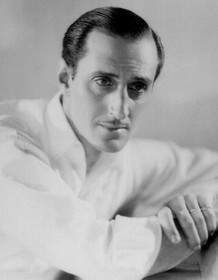
Michael Michailow (Basil Rathbone)
Played by Basil Rathbone
A renowned pianist whose charm conceals a manipulative and dangerous nature. His pursuit of Lisa illustrates a ruthless use of power and desire, culminating in a fatal confrontation. His charisma masks a capacity for deceit and calculated risk.
- 🎹 Music
- 💔 Manipulation
- LK
Leonide Kirow (Ian Hunter)
Played by Ian Hunter
A soldier who married Vera in the past; his memory surfaces through Vera’s testimony as a symbol of a life scarred by war and betrayal. His presence links Vera's past to Lisa’s present, hinting at a lineage shaped by conflict and shifting loyalties.
- 🎖️ War
- 🧭 Legacy
Where and When Is Confession Set?
Confession is set in European city (1930). Here is why the time and place matter to the story.
When
1930
Set in the year 1930, the film sits in the interwar era when European cities thrived with music halls, conservatories, and lavish social gatherings. Glamour and secrecy mingle as artistic ambition collides with personal risk and public judgment. The legal proceedings reflect the period’s formal treatment of personal betrayals and reputation.
Where
European city
The story unfolds in a stylish European city of the early 1930s, where opera houses and seedy cabarets share the stage. The setting blends cultural refinement with moral ambiguity, providing a backdrop for seduction, scandal, and courtroom drama. The city’s atmosphere highlights the clash between art, desire, and reputation.
- 🌍 Europe
- 🏙️ City
What Are the Themes of Confession?
3 ideas the story keeps returning to, among them Forbidden Romance, Justice and Mercy and Family Bonds.
-
01
Forbidden Romance
A clandestine attraction between Lisa Koslov and the famed pianist Michailow drives the plot, exposing power imbalances and moral compromise. Lisa’s youth and curiosity clash with the adult world of manipulation and secrecy. The romance becomes a catalyst for social scrutiny, courtroom tension, and personal risk.
-
02
Justice and Mercy
Vera’s confession and the open court scene test the line between legal accountability and personal salvation. The case hinges on balancing public duty with a mother’s protective instinct for her daughter. The outcome—pardon with consequences—reflects the era’s complex mix of mercy, reputation, and accountability.
-
03
Family Bonds
Vera’s protective love and her pursuit to shield Lisa from painful truths drive much of the drama. Lisa’s evolving sense of belonging unfolds against revelations of past generations and parental choices. The mother-daughter dynamic adds emotional weight to the trial and its aftermath.
What Kind of Film Is Confession?
Melancholic in tone, with steady pacing and a moderate story, going by the plot summary.
- Tone
- Melancholic
- Pacing
- Steady
- Story
- Moderate
- Intensity
- High
- Ending
- Bittersweet
A melancholic and tense courtroom drama that unfolds a tragic history of betrayal and longing, where a mother's desperate sacrifice casts a somber and emotionally heavy atmosphere over the entire narrative.
- melancholic
- tense
- tragic
- longing
- somber
- desperate
- sacrifice
- revenge
- family secrets
- infidelity
Content notes: murder, emotional abuse, child custody loss, war injury.
Quiz
How well do you remember Confession? Test yourself on the story.
Where to Watch Confession
. US availability and prices from JustWatch.
Streaming availability in the US, powered by