

What Is The Arrangement About?
The premise of The Arrangement in 280 words, with nothing given away. The full story follows below.
In the polished world of post‑war American advertising, Eddie Anderson stands out as a picture of success—wealthy, articulate, and in control of a high‑profile agency. Beneath that sleek exterior, however, lies a mind frayed by a recent nervous breakdown, a crisis that turns his carefully arranged existence into a fragile house of cards. The film opens with an unsettling glimpse of his desperation, setting a tone that mixes stark psychological tension with the glossy veneer of his profession.
Eddie’s marriage to Florence Anderson is a study in quiet erosion. Once a partnership built on mutual ambition, it now feels more like a contract than a connection, each spouse grappling with expectations that no longer match their inner desires. Their interactions pulse with a restrained melancholy, hinting at the larger question of whether love can survive the weight of social propriety.
Family obligations add another layer of pressure. Sam Arness, Eddie’s aging Greek father, represents a past that refuses to be neatly filed away. His declining health and stubborn pride clash with Eddie’s modern sensibilities, creating an undercurrent of guilt and resentment that shapes Eddie’s every choice. Meanwhile, Gwen, his young and charismatic research assistant, offers a glimpse of a freer, more impulsive life, pulling Eddie toward a temptation that threatens to upend his already precarious balance.
Against the backdrop of sleek Manhattan offices, a sprawling Long Island estate, and the relentless rhythm of 1950s American affluence, the film weaves a mood of elegant tension. It invites the audience to linger in the spaces between duty and desire, success and self‑destruction, suggesting that the most compelling dramas often unfold in the quiet moments when a carefully arranged life begins to crack.
What Happens in The Arrangement?
The complete story of The Arrangement, from the first scene to the last, in 1,056 words (about 5 minutes). Spoilers throughout. Names in the text link to 3 cast member pages.
Spoilers ahead
Eddie Anderson, Kirk Douglas is a successful, wealthy ad man whose life feels rigidly arranged. The film opens with a dramatic act: he tries to end his life by veering his sportscar beneath a tractor trailer. What follows are a series of fragmented memories and visions—some real, some distorted by pain—that reveal his growing contempt for the life he’s built and the expectations that come with it. At the center of these flashbacks is a fraught family history: a stormy relationship with his Greek father, Sam Arness, a once-proud importer who resents Eddie’s decision to Anglicize the family name, send him to college, and reject the family business. Sam’s voice remains a stubborn, deteriorating presence as his brain slowly succumbs to arteriosclerosis, a fact that compounds Eddie’s guilt and frustration.
Eddie’s marriage to Florence Anderson, Deborah Kerr, has lost its spark. What started as a grand partnership now feels hollow to Eddie, while to Florence it seems increasingly suffocating. Into this already tense dynamic enters Gwen, Eddie’s alluring research assistant, with whom he shares a dangerous, passion-fueled affair. The tension between devotion and desire threads through the couple’s life as Eddie struggles to reconcile his private cravings with the outward demands of propriety and duty. On the business front, Eddie returns to work and unintentionally humiliates a valued tobacco client by muttering about “the big C,” a remark that foreshadows the dangerous currents beneath his polished surface. A careless flight near L.A. earns him trouble with the authorities, while his wife discovers nude photographs of him with Gwen—evidence that shatters Florence’s already fragile trust and thrusts the couple into a sharper, more visible crisis.
In New York, Eddie’s obligations collide with family concerns. Sam’s health has grown more precarious, and Eddie’s brother and sister-in-law debate placing Sam in a nursing home to spare the aging matriarch the burden of his paranoia and the fallout from his increasingly erratic ideas about starting a new enterprise. Gwen is also in New York, living with a man named Charles, who candidly explains how Gwen’s heartbreak over their breakup drove her to a permissive lifestyle. She’s had a baby boy named Andy, and she refuses to reveal the father’s identity. Gwen is forthright about her complicated feelings for Eddie, and she and Eddie resume their affair.
Florence follows Eddie to New York, hoping to coax him back into a conventional marriage and a more straightforward life. She dismisses his longing to care for his ailing father directly and explodes when he admits he has been with Gwen. With the doctor’s help, Eddie manages to smuggle Sam out of the hospital and bring him home to the family’s vast Long Island mansion. Sam, whispering his Evangelos persona, stirs memories that run deep and unsettled. Gwen’s tentative offer to become Eddie’s mistress after she marries George intensifies Eddie’s sense that his past and present are colliding in dangerous ways. Eddie insists that he will marry Gwen, even as Florence’s insistence on control over their lives becomes more aggressive.
Work, family, and affections collide as Eddie fails to provide the money Sam needs to pursue his imaginary enterprise. Anger erupts, and Eddie admits a harsh truth: he feels ashamed of his father. While Eddie and Gwen drift away on a boat, the rest of the family removes Sam by force from the mansion, and Charles takes Gwen and the baby away from Eddie’s orbit. Eddie’s sense of himself as a success fractures, and the people closest to him—Arthur, Florence, and Dr. Leibman—press him to give Florence control of their community property. Florence, unwilling to back down, tries to steer him toward signing over everything, even using Arthur’s name in a bid to force the matter.
A private confrontation with Eddie reveals Florence’s true feelings: she loves him and will “stick with him through anything.” Yet she cannot grasp his need for time and space, and she resents what she sees as Eddie’s secondary loyalty to Gwen. Eddie wants a period of stasis—perhaps liquidating the extravagant holdings and rebuilding life with more meaning and less glare. Florence cannot tolerate that possibility and suspects that Eddie is colluding with Arthur in ways that would undermine her position. The tension crescendos during the commitment hearing, where the story reveals another brutal turn: Eddie has set fire to the family home, a symbol of the life he is trying to escape and redefine. The audience glimpses the alter egos at war with each other, and the film hints at a gunshot wound Eddie bears, though the origin is not fully explained on screen. It is revealed that Charles shot him in Gwen’s apartment, a devastating twist that underscores the fragility of the fragile, entwined relationships.
The judge, Philip Bourneuf as Judge Morris, explains that Eddie could release himself at any time if he can prove he has a job and a home, a stark reminder of the precarious balance between freedom and confinement. Eddie asks to go to a psychiatric hospital, signaling a surrender to whatever help can restore some measure of calm. The resolution does not pretend everything is simple: Florence’s presence remains a source of conflict, and Gwen’s influence continues to pull Eddie toward a future he cannot fully define. The final act takes place in the asylum, where Eddie, surrounded by new companions, seems to find a delicate sense of belonging—an odd comfort in a place of escape. Yet his heart remains anchored to the memory of his father, and even as he negotiates a path toward healing, he confesses a shared longing with Gwen for “another chance.”
The film’s closing image is paradoxically intimate and ceremonial. Eddie confesses his love to Gwen, and Gwen responds with a cautious smile, a glimmer of possibility in a life shaped by betrayal and remorse. The last scene shifts to Sam’s interment: Florence offers Gwen a knowing smile as Eddie’s own expression softens, and the coffin sinks into the ground. It is a moment that crystallizes the film’s central tension—the attempt to reconcile a life of outward success with the vulnerable, yearning core that must endure within. The movie ends not with a triumphant reconciliation, but with a quiet, complicated peace: Eddie accepts a humane option for his future, while the memory of his father and the ache of what might have been linger in the air.
The Arrangement Timeline: Every Key Event in Order
15 key events in the order they happen, from “Opening suicide attempt” to “Sam's interment and closing image”. 14 events name a place, across 11 locations.
- 1
Opening suicide attempt
Wealthy ad man Eddie Anderson drives his life to the edge and tries to end it by steering his sports car under a tractor trailer. The act exposes a deep sense of despair and a belief that his life is an arrangement he rejects.
Where:Los Angeles
- 2
Flashbacks reveal life and father
Across the film, memory sequences reveal Eddie's contempt for his life and for his Greek father, Sam Arness. The tension centers on Sam's expectations and Eddie's decision to Anglicize his name, go to college, and refuse the family business.
- 3
Return to work and insult
Eddie returns to his advertising job and publicly insults a valued tobacco client by referring to 'the big C.' The moment shows his reckless detachment from consequences and his contempt for the façade of corporate success.
Where:Los Angeles — advertising agency
- 4
Plane over LA
Seeking escape, Eddie buzzes Los Angeles in a small plane, drawing attention from the authorities. The stunt highlights his craving for thrill and distance from his life.
Where:Los Angeles
- 5
Photos and hospital news
Florence discovers nude photographs of Eddie with Gwen, exposing his affair. Soon after, Eddie learns that his father is hospitalized in New York, intensifying the looming family crisis.
Where:Los Angeles; New York
- 6
New York fertilizes affairs and family strain
In New York, Eddie's brother and sister-in-law push to place Sam in a nursing home, even as Gwen arrives and reveals the complexity of her own life, including her baby Andy and uncertain paternity. Eddie and Gwen become lovers, adding another layer of tension to the family drama.
Where:New York
- 7
Florence follows to NYC
Florence tracks Eddie to New York, pressing him to return home and help reconstruct their marriage. She dismisses his wish to care for his father, deepening their conflict.
Where:New York
- 8
Sam moves to Long Island mansion; Evangelos; Gwen's offer
With doctors' help, Eddie smuggles Sam from the hospital to the family home on Long Island Sound, where Sam calls him Evangelos. Gwen proposes becoming Eddie's mistress after she marries George, while Eddie insists he will marry Gwen.
Where:Long Island Sound, mansion
- 9
Anger over funding and shame
Eddie realizes he cannot provide the money for Sam's imaginary business and erupts with decades of pent-up anger, admitting he is ashamed of his father.
Where:Long Island
- 10
Sam removed; Gwen and baby taken
While Eddie and Gwen are out on a boat, the family moves to remove Sam by force, and Charles takes Gwen and the baby away, severing another thread of Eddie's life.
Where:Long Island mansion
Show the other 5 events of The Arrangement Hide the last 5 events
- 11
Property transfer and signing
As tensions peak, Arthur arrives from L.A. and Eddie is pressed to turn over all community property to Florence. Reluctantly, he signs, using Arthur's name, surrendering control of the family's wealth.
Where:Courtroom / family home
- 12
Florence's love confession and Gwen jealousy
In a private moment, Florence confesses her love and loyalty, promising to stand by Eddie, but he remains wary and laments Gwen's influence while Florence's jealousy grows.
Where:New York
- 13
Arson, gunshot, and release terms
During the commitment process, it is hinted that Eddie set fire to the family home and that Charles shot him in Gwen's apartment, bridging the personal and legal crisis. The judge notes that Eddie could release himself at any time if he can prove he has a job and a home.
Where:Courtroom and Gwen's apartment
- 14
Asylum life and reconciliation with father
Eddie finds some solace among new friends at the asylum, while he becomes reconciled with his dying father and tells Gwen that he loves her, suggesting a fragile hope for companionship beyond pain.
Where:Psychiatric hospital / asylum
- 15
Sam's interment and closing image
The final scene centers on Sam's interment; Florence gives Gwen a wry smile and Eddie smiles gently as his father's coffin is lowered into the grave, signaling an ending rooted in complicated forgiveness.
Where:Cemetery
Who Are the Main Characters in The Arrangement?
6 characters, among them Eddie Anderson (Kirk Douglas), Gwen (Faye Dunaway) and Florence Anderson (Deborah Kerr): who each one is and the part they play in the story. Every profile links to the actor’s page.
-

Eddie Anderson (Kirk Douglas)
Played by Kirk Douglas
A wealthy Los Angeles ad man whose outward success masks deep self-loathing and volatility. His life is governed by the 'arrangements' he perpetuates, even as his marriage, affair, and family fray at the edges. Flashbacks and confrontations reveal a man wrestling with identity, anger, and the need for control.
- 💼 Ambitious
- 💔 Infidelity
- 🧠 Fragile psyche
- ⚖️ Family conflict
-

Gwen (Faye Dunaway)
Played by Faye Dunaway
Eddie's lover and a catalyst for the unraveling of his marriage. She navigates a web of loyalty, desire, and secrecy, offering affection while pursuing her own complex ambitions. Her relationship with Eddie intensifies the conflict and test of loyalties within the family.
- 💘 Romantic entanglement
- 🗺️ Complicated loyalties
- 🗝️ Hidden motives
-

Florence Anderson (Deborah Kerr)
Played by Deborah Kerr
Eddie's wife, emotionally distant yet fiercely protective of the family status. She pushes for reconstruction of the marriage while leveraging legal and social power to secure their future. Her jealousy of Gwen and hunger for security drive much of the drama.
- 💍 Marriage
- 🧭 Control
- 💼 Wealth
- SA
Sam Arness (Richard Boone)
Played by Richard Boone
Eddie's aging Greek father, a once-successful importer who resists acculturation and resents Eddie's changes. His paranoia and deteriorating health provoke family tensions and moral questions about duty, tradition, and care.
- 🧓 Patriarch
- 🧠 Mental decline
- 🧱 Obstruction
-
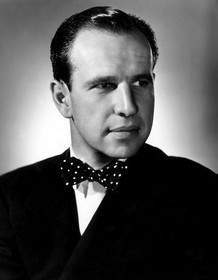
Arthur Houghton (Hume Cronyn)
Played by Hume Cronyn
The family lawyer who mediates crises and represents the legal and financial interests at stake. Cool and pragmatic, he embodies the system that enforces the 'arrangements' Eddie seeks to escape.
- ⚖️ Legal authority
- 🧭 Mediation
-

Dr. Leibman (Harold Gould)
Played by Harold Gould
Florence's psychoanalyst who weighs in on Eddie and the couple's dynamics. His clinical observations frame the crisis as much as they illuminate it, blending therapy with the unfolding drama.
- 🧠 Psychology
- 💬 Therapy
Where and When Is The Arrangement Set?
The Arrangement is set in Los Angeles, New York City and Long Island (1960s). Here is why the time and place matter to the story.
When
1960s
The Arrangement unfolds during the 1960s, a period of rapid cultural change and evolving attitudes toward marriage, career, and therapy. The era's glossy consumerism and interest in psychoanalysis color Eddie's crisis and the characters' responses. The setting reflects a world where wealth and social status are tightly controlled through 'arrangements'.
Where
Los Angeles, New York City, Long Island
The story moves between a gleaming Los Angeles advertising agency and a grand Victorian mansion on Long Island Sound, with important moments in New York City hospitals and offices. The juxtaposition of sunny, high-profile workspaces and a lush, insular home highlights the movie's tension between public wealth and private turmoil.
- 🎬 Settings
What Are the Themes of The Arrangement?
4 ideas the story keeps returning to, among them Identity, Love & Infidelity and Wealth & Arrangements.
-
01
Identity
Eddie defines himself through the approved life of success and wealth, yet flashbacks reveal a fractured sense of self. The film probes how personal identity becomes entangled with what others expect or demand. Eddie's struggles expose the fragility of a life built on appearances rather than inner truth.
-
02
Love & Infidelity
Love is treated as a volatile currency, with Eddie and Gwen's affair destabilizing the marriage and family dynamics. Florence's jealousy intensifies the conflict, turning affection into a weapon within the 'arrangements'. The story tracks how romantic entanglements collide with duty and ownership.
-
03
Wealth & Arrangements
Wealth is the backbone of the family’s power and their 'arrangements'—marriage, property, and status. The legal and financial pressures throughout the film push Eddie toward surrender or collapse. The mansion, the law, and the medical system all serve to regulate and critique this wealth-driven world.
-
04
Psychology & Catharsis
Psychological insight—via Dr. Leibman and the hospital sequences—drives the narrative toward self-understanding or surrender. Therapy scenes juxtapose rational analysis with emotional chaos, highlighting the limits of clinical interpretation. The film frames mental struggle as both a personal crisis and a social performance.
What Kind of Film Is The Arrangement?
Melancholic in tone, with slow pacing and a complex story, going by the plot summary.
- Tone
- Melancholic
- Pacing
- Slow
- Story
- Complex
- Intensity
- High
- Ending
- Bittersweet
A slow, deeply melancholic character study steeped in fragmented memories and emotional anguish, tracing a man's collapse under the weight of his own life's expectations and culminating in a quiet, complicated peace.
- introspective
- anguished
- claustrophobic
- nostalgic
- fragmented
- suffocating
- midlife crisis
- marital breakdown
- family legacy
- father son conflict
Content notes: attempted suicide, extramarital affair, mental breakdown, institutionalization.
Quiz
How well do you remember The Arrangement? Test yourself on the story.
Where to Watch The Arrangement
Rent or buy it from Amazon Video and Apple TV Store. US availability and prices from JustWatch.





Streaming availability in the US, powered by 


