What Is The Seventh Cross About?
The premise of The Seventh Cross in 302 words, with nothing given away. The full story follows below.
In the winter‑gray landscape of 1936 Germany, the world feels tight‑knit with fear and authority. A remote concentration camp looms over the Rhine, its barbed fences and watchful guards a stark reminder of a regime that brooks no dissent. When seven prisoners slip through the night, the act of escape becomes a defiant spark against a sea of oppression, and the camp’s cruel commandant marks the rebellion with a row of wooden crosses—an ominous tally that hangs over every step the fugitives take.
At the heart of the flight is George Heisler, a man whose quiet resolve is matched only by the urgency of his yearning for freedom. Beside him stands his steadfast companion Wallau, whose loyalty underscores the fragile bonds forged in hardship. Their desperate trek across a countryside scarred by uniformed patrols and whispered suspicion is punctuated by fleeting encounters with people who offer glimmers of humanity amidst the darkness. Leni, a former love now bound by her own circumstances, and Mme. Marelli, a weary figure in a traveling troupe, hint at lives paused by the tide of war, while the gentle presence of a sympathetic waitress named Toni reminds Heisler that kindness can still linger even in hostile terrain.
The film’s tone is one of stark realism blended with an undercurrent of quiet hope. Shadows stretch long over fields and towns, and the ever‑present crosses serve as a grim visual metaphor for the price of defiance. Yet the narrative never loses its focus on the inner drive of a man racing against an unforgiving clock, guided by the promise of a distant horizon. As the crosses fill one by one, the empty seventh stands as a silent challenge, urging Heisler onward toward the uncertain promise of safety beyond the borders, perhaps in Holland, where a new chapter might begin.
What Happens in The Seventh Cross?
The complete story of The Seventh Cross, from the first scene to the last, in 468 words (about 2 minutes). Spoilers throughout. Names in the text link to 4 cast member pages.
Spoilers ahead
In 1936 Germany, seven prisoners escape from the fictitious Westhofen concentration camp (partly based on the real Osthofen concentration camp) near the Rhine: a writer, a circus performer, a schoolmaster, a farmer, a Jewish grocery clerk, George Heisler [Spencer Tracy], and his friend Wallau [Ray Collins]. The escapees’ perilous trek sets the stage for a stark portrait of courage under tyranny.
The camp’s sadistic commandant erects a row of seven crosses and vows to “put a man on each.” > “put a man on each”
The first to be apprehended is Wallau, who dies without giving up any information. With the dead Wallau narrating, the story follows Heisler as he makes his way across the German countryside, stealing a jacket to cover his prison garb. The Nazis round up other escaped prisoners, where they are returned to the camp and hung on crosses, suspended by their arms tied behind their backs.
Heisler travels to his home city Mainz, where his former girlfriend, Leni, Kaaren Verne resides. She had promised to wait for him, but she has since married and refuses to help. While Heisler hides nearby, another of the escapees, the acrobat, leaps to his death to avoid being captured. Mme. Marelli, [Agnes Moorehead], unaware that he and the acrobat have escaped, gives him a suit of clothes that were intended for the acrobat.
Another prisoner, the writer, tracks Heisler down and almost convinces him to give himself up along with him. With Heisler’s options further limited, he goes to see Franz Marnet, [Herbert Rudley], in the German underground. Heisler’s risk mounts as the underground network uses false identification papers to help him vanish from the authorities and find a way to safety.
Roeder, an old friend, is drawn into the danger as Heisler confides that he is an escapee. Old friend Paul Roeder, Hume Cronyn, a factory worker with a wife and young children, nevertheless decides to aid him, attempting to shield him from the tightening grip of the regime.
Roeder goes to see Heisler’s old friend Sauer, George Macready, but Sauer refuses to help. Sauer, feeling guilty about refusing to help, goes to see Franz Marnet in the underground, and the group realizes Heisler is hiding with Roeder. They hastily move to a new hiding place in an inn just before Marnet arrives.
Roeder is taken in for questioning by the Gestapo but is released without giving any information. The underground group then secures false identification papers for Heisler and directs him toward a rendezvous with a ship that will carry him out of Germany. Through his exposure to this courage and kindness, and with the help of the sympathetic waitress at the inn, Toni, Signe Hasso, Heisler regains his faith in humanity. He escapes by boat to an unknown destination that he identifies as “probably Holland.”
The Seventh Cross Timeline: Every Key Event in Order
15 key events in the order they happen, from “Escape from Westhofen camp begins” to “Escape by boat toward Holland”. 15 events name a place, across 13 locations.
- 1
Escape from Westhofen camp begins
In 1936, seven prisoners escape from the Westhofen concentration camp near the Rhine. The sadistic camp commandant erects seven crosses and vows to "put a man on each". The escapees include a writer, a circus performer, a schoolmaster, a farmer, a Jewish grocery clerk, George Heisler, and Wallau. Their breakout marks the film's start as they vanish into the German countryside.
When:1936 Where:Westhofen concentration camp (near the Rhine)
- 2
Wallau captured and dies
Wallau is the first to be apprehended and dies without revealing any information. His death is narrated by the dead Wallau, setting a grim tone for the fugitives' ordeal. The surviving escapees, including Heisler, realize they have become hunted in a dangerous landscape.
When:1936 Where:Westhofen
- 3
Escapees hunted and punished
The Nazis round up other escapees who are captured trying to hide and return them to the camp. Those caught are hung on crosses with arms tied behind their backs, underscoring the brutal price of escape. The camp becomes a symbol of the regime's unforgiving reach.
When:1936 Where:Westhofen
- 4
Heisler flees across the countryside
Heisler makes his way across the German countryside, trying to stay ahead of pursuit. To avoid detection, he steals a jacket to cover his prison garb and blend in with ordinary people. The journey tests his endurance as he moves through unfamiliar towns.
When:1936 Where:German countryside
- 5
Heisler reaches Mainz and confronts Leni
Heisler travels to Mainz, his home city, where his former girlfriend Leni resides. She has promised to wait for him but has since married and refuses to help. He hides nearby, weighing his precarious options as the net tightens around him.
When:1936 Where:Mainz
- 6
Acrobat sacrifices himself
Another escapee, the acrobat, leaps to his death to avoid capture. His sacrifice underscores the high cost of seeking freedom. The escapees' fragile hope is tempered by the harsh reality of pursuit.
When:1936 Where:Westhofen vicinity
- 7
Mme Marelli aids with clothing
Mme Marelli, unaware that he and the acrobat have escaped, gives him a suit of clothes that were intended for the acrobat. The helping gesture keeps Heisler hidden a bit longer. This act of kindness shows the dangers and loyalties of ordinary people during the escape.
When:1936 Where:Westhofen vicinity
- 8
A writer urges surrender
A fellow escaped writer tracks Heisler down and almost convinces him to surrender along with him. Heisler refuses, choosing instead to persevere and seek a safer path. The tension between loyalty and safety runs through their encounter.
When:1936 Where:On the road
- 9
Heisler seeks help from Roeder
Heisler goes to see his old friend Paul Roeder, a factory worker with a wife and children who still risks helping him. Roeder is moved by Heisler's plight and agrees to provide aid. The act marks a turning point in Heisler's fight to stay free.
When:1936 Where:Roeder's home
- 10
Roeder visits Sauer
Roeder goes to see Sauer, Heisler's old friend, but Sauer refuses to help at first. His initial reluctance weighs on the decision to shelter a fugitive. The social network of friends is tested by fear and moral choice.
When:1936 Where:Sauer's place
Show the other 5 events of The Seventh Cross Hide the last 5 events
- 11
Underground mobilizes after Sauer
Sauer, feeling guilty about refusing to help, goes to see Marnet and his companions in the German underground. The underground group deduces that Heisler is hiding with Roeder and begins to plan a safer concealment. The network begins to cohere around Heisler's escape.
When:1936 Where:German underground network
- 12
Underground relocates to an inn
The underground realizes Heisler is hiding with Roeder and leaves for a new hiding place in an inn just before Marnet arrives. The move demonstrates the precarious balance between safety and exposure. It sets the stage for the next phase of evasion.
When:1936 Where:Inn near Roeder's area
- 13
Gestapo questions Roeder
Roeder is taken in for questioning by the Gestapo, but is released without giving any information. The episode highlights the constant danger faced by those harboring fugitives. The bond between Heisler and his protectors remains under pressure.
When:1936 Where:Roeder's location
- 14
False IDs and ship rendezvous
The underground provides Heisler with false identification papers and directs him to a rendezvous with a ship that will help him escape Germany. The escape plan hinges on careful misdirection and timing. The network's efforts are crucial to gaining real freedom.
When:1936 Where:Germany
- 15
Escape by boat toward Holland
Inspired by the courage and kindness of those he met, and with Toni the sympathetic inn waitress helping, Heisler escapes by boat to an unknown destination, probably Holland. The ending emphasizes personal resilience and the possibility of a hopeful future. The journey remains perilous but opens a gateway to liberation beyond Germany.
When:Unknown final Where:Unknown destination, likely Holland
Who Are the Main Characters in The Seventh Cross?
8 characters, among them George Heisler (Spencer Tracy), Liesel Roeder (Jessica Tandy) and Paul Roeder (Hume Cronyn): who each one is and the part they play in the story. Every profile links to the actor’s page.
-
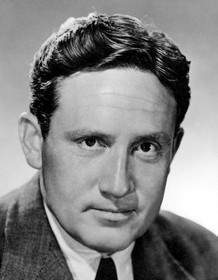
George Heisler (Spencer Tracy)
Played by Spencer Tracy
A writer and escapee whose resourcefulness and moral steadiness drive the journey. He navigates the countryside with caution, trying to stay ahead of pursuers while shielding others. His resilience and sense of responsibility expose the strength of individual courage under oppression.
- 🏃♂️ Escapee
- 🛡️ Courage
- 🧭 Resourcefulness
-

Liesel Roeder (Jessica Tandy)
Played by Jessica Tandy
One of the escapees who becomes part of the perilous journey. Her choices are colored by the difficult realities of the time, including the tension between personal safety and helping others. Her presence highlights the complexities of trust and survival in a war-torn country.
- 🧭 Trust
- 🧩 Complexity
- 🧡 Resilience
-
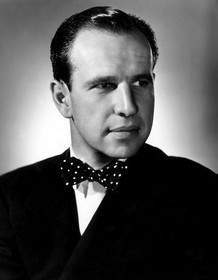
Paul Roeder (Hume Cronyn)
Played by Hume Cronyn
A factory worker with a wife and young children who risks his own safety to shelter Heisler. His actions embody everyday courage and the willingness of ordinary people to stand up for others. He represents the humanity that persists even within a repressive system.
- 🛠️ Working class
- 🛡️ Courage
- 🤝 Solidarity
- T(
Toni (Signe Hasso)
Played by Signe Hasso
The sympathetic inn waitress who offers kindness and assists Heisler, contributing to his sense of hope. Her compassion shows how small acts can alter the course of a dangerous journey. She embodies the soft power of humanity in dark times.
- 💞 Kindness
- 🌅 Hope
- 🕊️ Compassion
- FM
Franz Marnet (Herbert Rudley)
Played by Herbert Rudley
A figure in the German underground who helps coordinate the escapees’ safety. His network and decisions influence the fugitives’ options and movements. He embodies strategic resistance within a perilous environment.
- 🕵️♂️ Underground
- 🗃️ False papers
- 🧭 Strategy
-

Madame Marelli (Agnes Moorehead)
Played by Agnes Moorehead
A hotel or inn figure who, unaware of the escape, inadvertently aids one of the fugitives by providing clothes. Her small act of kindness underscores the film’s theme that benevolence can appear in unexpected places. She represents ordinary civilians touched by the fugitives’ peril.
- 🧥 Kindness
- 🗝️ Small gestures
- 🤝 Humanity
- BS
Bruno Sauer (George Macready)
Played by George Macready
A member of the underground who initially refuses to help but experiences guilt and eventually reconsiders. His internal conflict mirrors the moral ambiguities faced by those resisting the regime. He embodies the difficulty of choosing between survival and solidarity.
- 🤔 Dilemma
- 🕊️ Redemption
- 🧭 Loyalty
-
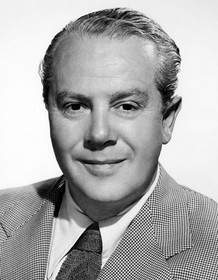
Dr. Loewenstein (Steven Geray)
Played by Steven Geray
A doctor whose presence adds humanity amid crisis, providing care and a sense of normalcy. His actions reflect the importance of medical aid and calm leadership during times of fear. He functions as a subtle pillar of resilience within the community of escapees.
- 🩺 Care
- 🧠 Wisdom
- 🕊️ Humanity
Where and When Is The Seventh Cross Set?
The Seventh Cross is set in Westhofen concentration camp, Mainz, German countryside, Rhine region and… (1936). Here is why the time and place matter to the story.
When
1936
Set in 1936 Germany, the film unfolds during a period of Nazi consolidation and escalating persecution. The atmosphere is saturated with surveillance and fear, shaping every risky decision. Ordinary citizens and escapees must navigate a hostile state in their search for refuge.
Where
Westhofen concentration camp, Mainz, German countryside, Rhine region, Holland
The Westhofen concentration camp sits near the Rhine in Germany and serves as the grim starting point for the escape. The story tracks Heisler’s flight across the rural German landscape toward safety, passing through towns and countryside that test his resolve. Mainz, Heisler’s home city, provides a backdrop for personal history and the choices people make when the regime closes in.
- 🏭 Concentration camp
- 🗺️ German countryside
- 🌊 Rhine region
- 🚢 Holland
What Are the Themes of The Seventh Cross?
4 ideas the story keeps returning to, among them Courage, Resistance and Freedom.
-
01
Courage
Courage emerges in small, personal acts of defiance: helping an escapee, sharing scarce resources, or risking one’s own safety for another. The narrative centers on how compassion and moral resolve sustain people under oppression. Individual bravery becomes a beacon of hope amid brutality.
-
02
Resistance
The underground network and covert actions illustrate organized resistance to the regime’s brutality. False papers, secret meetings, and careful risk-taking demonstrate that collective action can challenge oppression. The story foregrounds the peril and necessity of resisting an authoritarian state.
-
03
Freedom
Escape and the quest for asylum drive the plot toward the possibility of a new life beyond borders. The journey toward Holland symbolizes hope and the human longing for liberty. Freedom here demands communal support and personal sacrifice.
-
04
Solidarity
Relationships formed under pressure reveal enduring human connection. Friends, lovers, and strangers alike put others before themselves to provide shelter and aid. The story emphasizes that solidarity can sustain people when systems threaten to break them.
What Kind of Film Is The Seventh Cross?
Tense in tone, with steady pacing and a straightforward story, going by the plot summary.
- Tone
- Tense
- Pacing
- Steady
- Story
- Straightforward
- Intensity
- High
- Ending
- Happy
A tense and steadily-paced thriller set in Nazi Germany that generates high suspense from a desperate man's escape, exploring fear and courage under oppression while offering a glimmer of hope for humanity.
- suspenseful
- oppressive
- hopeful
- urgent
- claustrophobic
- desperate
- survival
- nazi germany
- escape
- underground resistance
Content notes: concentration camp, execution, torture, suicide, political persecution.
Quiz
How well do you remember The Seventh Cross? Test yourself on the story.
Where to Watch The Seventh Cross
. US availability and prices from JustWatch.
Streaming availability in the US, powered by