
The Seventh Companion 1967

Directed by
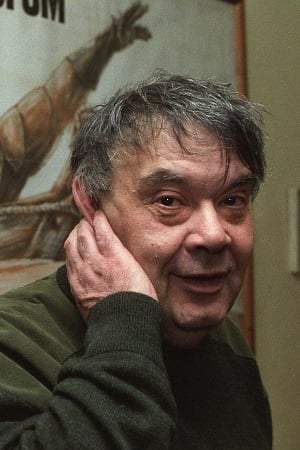
Aleksei German
Made by

Lenfilm
The Seventh Companion Plot Summary
Read the complete plot summary and ending explained for The Seventh Companion (1967). From turning points to emotional moments, uncover what really happened and why it matters.
The film is set against the tumultuous backdrop of 1918 in St. Petersburg, Russia, during a period when the newly established government has declared a ruthless Red Terror. This grim campaign involves the systematic and merciless elimination of those branded as “counter-revolutionaries”. In the midst of this chaos, we follow the story of Eugene Pavlovich Adamov, played by Aleksey Batalov, a distinguished general of the former royal army and a law professor at the Military Academy. His life takes a drastic turn when he is arrested and confined in a room that functions as a makeshift prison. This room is a grim place filled with a mix of individuals—royalist soldiers, officials, aristocrats, and ordinary criminals—each awaiting their fate.
Every day, prisoners—many trembling with fear—are taken from this terrifying space for what is called a “trial.” The outcome is almost always deadly, with verdicts swiftly handed down to be executed by firing squad. Adamov, realistic and resigned, quietly awaits his own death, understanding the brutal nature of the regime. Yet, against all odds, a miraculous turn of events occurs: he is unexpectedly released. Interestingly, his release is based on his principled stance back in 1905, when he refused to accuse two sailors who disobeyed their captain’s unlawful orders, a decision that the new government now regards as grounds for his freedom.
However, Adamov finds himself at a loss for where to go. His previously sprawling apartment has been confiscated and allocated to others long ago. With nowhere else to turn, he returns to the place of his confinement only to find himself forced into working as a launderer, scraping out a living amidst the chaos of war and upheaval. Despite his circumstances, Adamov’s moral compass remains intact, and he is soon offered a role as an investigator in the new government.
As he begins to serve in this capacity, Adamov becomes involved in investigating the murders of members of the military confiscation unit, known as the “prodotryad”. His work exposes the lawlessness sweeping through the city, revealing how the “reds” themselves are engaging in acts of violence and injustice. Determined to uphold justice, Adamov tries to prevent further violence and lawlessness, but his efforts are largely ignored. Innocent people are shot without any legal process, and the chaos continues to spiral out of control.
Ultimately, Adamov’s integrity leads him into peril; he is captured by the “whites”. Desperately, he attempts to explain his motives for switching allegiances, believing that his actions are driven by a desire for justice and truth. However, his explanation fails to sway his captors—who see him as a traitor—and he faces a tragic end as an order is given for him to be executed. Throughout his journey, the film underscores themes of morality, loyalty, and the brutal realities of a nation caught in the grips of revolutionary chaos.
The Seventh Companion Timeline
Follow the complete movie timeline of The Seventh Companion (1967) with every major event in chronological order. Great for understanding complex plots and story progression.
Setting in 1918 St. Petersburg
The movie is set in 1918 during a tumultuous period in St. Petersburg, Russia, where the new government has declared the Red Terror, leading to widespread executions of perceived enemies of the revolution. The city is engulfed in chaos, and the oppressive atmosphere is evident in the treatment of prisoners and political tension.
Adamov's arrest and imprisonment
General Eugene Pavlovich Adamov, a former royal army officer and law professor, is arrested and confined in a prison-like room that houses a mix of soldiers, officials, aristocrats, and criminals. Every day, prisoners are taken for trials, with most facing summary executions by firing squad, emphasizing the brutality of the Red Terror.
Imminent execution for Adamov
Adamov, resigned to his fate, quietly awaits execution, accepting that his life is nearing its end. The film highlights his calm demeanor amidst the chaos and the deadly proceedings surrounding him and other prisoners.
Adamov's unexpected release
Miraculously, Adamov is released from prison due to his past refusal to prosecute sailors disobeying orders. The new government, recognizing his integrity, frees him, but he finds himself without a home as his apartment has been repossessed, forcing him to return to the prison environment.
Beginning of employment as launderer
Following his release, Adamov takes a job as a launderer, struggling to find stability amid the upheaval. This period reflects his sense of disorientation and the loss of his former status in society amidst the revolutionary chaos.
Assignment as an investigator
Adamov is offered a position as an investigator by the new government, marking his tentative reintegration into official roles. He begins investigating the murders of members of the military confiscation unit, the 'prodotryad', seeking justice in a corrupt and lawless environment.
Confrontation with lawlessness
While investigating, Adamov witnesses widespread lawlessness, with innocent people being executed without trial. His protests are ignored, illustrating the brutal and unjust nature of the Red Terror, which he desperately tries to oppose.
Fall into White hands
Adamov is captured by White Army forces, a stark turn of events reflecting the ongoing conflict between the Reds and Whites. His capture underscores the precarious and dangerous environment of post-revolutionary Russia.
Interrogation and attempt to explain
In captivity, Adamov attempts to justify his actions and his reasons for supporting the Bolsheviks to the White officer. Despite his explanations, he is perceived as a traitor, and his integrity is challenged amid the chaos of the civil war.
Final order of execution
The White officer orders Adamov to be shot, rejecting his defense and viewing him as a threat or traitor. The scene reflects the tragic and brutal consequences of the ongoing civil conflict and the pervasive violence of the era.
The Seventh Companion Characters
Explore all characters from The Seventh Companion (1967). Get detailed profiles with their roles, arcs, and key relationships explained.
Eugene Pavlovich Adamov
A former general and law professor, Adamov is principled and resilient. He faces moral dilemmas amid revolutionary violence, trying to uphold his integrity while surviving in a hostile environment. His actions reflect his unwavering sense of justice and duty.
Muravlyov
A military officer involved in investigating crimes, he is pragmatic and authoritative. He embodies the harsh realities of enforcing revolutionary law and often clashes with ideals of justice.
The Seventh Companion Settings
Learn where and when The Seventh Companion (1967) takes place. Explore the film’s settings, era, and how they shape the narrative.
Time period
1918
The movie is set during the turbulent year of 1918, immediately after the Russian Revolution. This period was marked by civil unrest, political upheaval, and the implementation of new revolutionary policies. Russia was in chaos, with the Red Terror causing widespread fear and violence.
Location
St. Petersburg, Russia
Set in late 1918, St. Petersburg was the cultural and political heart of Russia during a tumultuous period. The city experienced significant upheaval as the Bolsheviks consolidated power after the Russian Revolution. Its historic architecture and revolutionary atmosphere provide a dramatic backdrop for the story.
The Seventh Companion Themes
Discover the main themes in The Seventh Companion (1967). Analyze the deeper meanings, emotional layers, and social commentary behind the film.
⚖️
Justice
The film explores themes of justice and moral integrity amidst chaos. The protagonist, Adamov, navigates a violent revolutionary environment where law and order are rapidly breaking down. The story questions what true justice means during times of upheaval.
🔥
Revolution
Centered around the aftermath of Russia's 1917 revolution, the film depicts a society torn apart by political conflict. The characters are caught in the struggle between old monarchist ideals and the new Bolshevik regime, highlighting the chaos and ideological clashes of the era.

Coming soon on iOS and Android
The Plot Explained Mobile App
From blockbusters to hidden gems — dive into movie stories anytime, anywhere. Save your favorites, discover plots faster, and never miss a twist again.
Sign up to be the first to know when we launch. Your email stays private — always.
Explore the mobile appThe Seventh Companion Spoiler-Free Summary
Discover the spoiler-free summary of The Seventh Companion (1967). Get a concise overview without any spoilers.
In the bitter winter of 1918, St Petersburg is suffused with a stark, oppressive chill that mirrors the city’s political frost. The newly declared Red Terror casts long shadows over cobblestone streets and crumbling facades, turning everyday life into a precarious dance between survival and suspicion. Authority is no longer a familiar uniform but a faceless, relentless force that interrogates loyalty at every corner, leaving the populace in a perpetual state of uneasy vigilance.
Into this maelstrom steps Eugene Pavlovich Adamov, a former general of the imperial army who has spent his days lecturing on law at the Military Academy. Once a pillar of the old order, he now finds himself confined in a cramped makeshift cell alongside a bewildering mix of aristocrats, soldiers, and common criminals—all awaiting an ominous fate. When an unexpected reprieve finally frees him, he emerges clutching only a solitary mantel clock, a mute witness to the relentless passage of time and the disintegration of his former world.
Released into a Soviet reality that feels both alien and hostile, Adamov is forced to confront the stark contrast between his ingrained sense of justice and the chaotic, often arbitrary rule of the new regime. The city’s bleak atmosphere amplifies his internal conflict, as he navigates a landscape where moral certainty is a scarce commodity. Yet his steadfast resolve and the quiet dignity of the clock he carries suggest a lingering hope that even amid turmoil, a thread of conscience can endure, inviting the audience to wonder how a man steeped in the old order will find his place in a world turned upside down.
Movies with Similar Twists and Themes
Uncover films that echo the narrative beats, emotional arcs, or dramatic twists of the one you're exploring. These recommendations are handpicked based on story depth, thematic resonance, and spoiler-worthy moments — perfect for fans who crave more of the same intrigue.
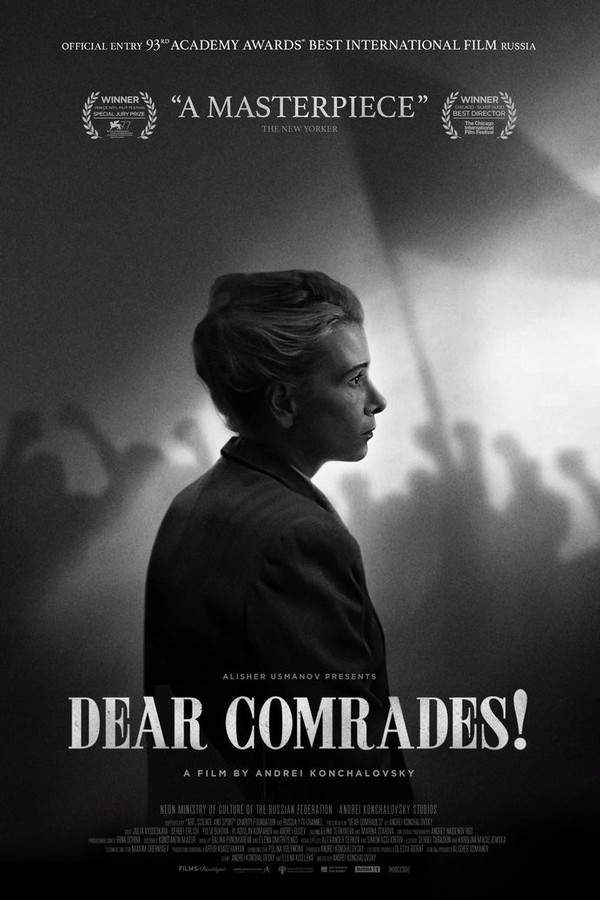


Featured on this page

What's After the Movie?
Not sure whether to stay after the credits? Find out!
Check out our other apps:

SAT Sphere
Build confidence for the Digital SAT.

Mori Atlas
Discover wild places worth protecting.

Luntero
Search smarter for a home in Amsterdam.

Plot Explained
Unravel movie endings and hidden clues.

Pokechamp
Dive into Pokémon data and battle logic.

Driving Theory
Get ready for your European theory test.

Movie Dust
Plan your next cinema trip with ease.

Musemap
Find art and culture as you travel.

Selkobase
Compare credentials before committing.

Local Manual
Turn an unfamiliar country into practical next steps.

Lernavi
Compare school systems before your next move.

GymRoam
Find a workout stop wherever your plans take you.
Explore Our Movie Platform
New Movie Releases (2026)
Famous Movie Actors
Top Film Production Studios
Movie Plot Summaries & Endings
Major Movie Awards & Winners
Best Concert Films & Music Documentaries
Movie Collections and Curated Lists
© 2026 What's After the Movie. All rights reserved.
Privacy Policy