What Is Two Comrades Were Serving About?
The premise of Two Comrades Were Serving in 307 words, with nothing given away. The full story follows below.
In the waning days of the Russian Civil War, the Red Army readies a decisive push toward the Crimean peninsula, the last bastion of the White Guard. The film opens on a stark, wind‑swept landscape where the rumble of artillery and the distant cries of a beleaguered nation set a gritty, almost documentary tone. Within this turbulent tableau, two Red soldiers are dispatched on a crucial reconnaissance mission: the tactical‑minded, battle‑scarred Nekrasov and the earnest, wide‑eyed Karyakin. Their contrasting temperaments—cold calculation against youthful vigor—immediately suggest an uneasy partnership that will be tested by the harsh realities of war.
Parallel to the Red side, the story follows a solitary figure from the opposing camp, the White officer Brusentsov, a patriot whose loyalties are increasingly strained as his cause falters. He carries the weight of an aristocratic lineage and a personal code that clashes with the desperation around him, hinting at inner conflicts that mirror the larger collapse of his army. Although he stands on the opposite front, his presence adds a melancholic counterpoint, underscoring how the same conflict can shape very different lives.
The film’s atmosphere blends the starkness of a war epic with intimate, character‑driven moments. Grainy photographs, the hum of old aircraft, and the occasional strain of a soldier’s whispered song weave a visual and auditory tapestry that feels both historic and immediate. The cinematography treats the landscape as a silent witness, while the evolving dynamics between the three central figures suggest a study of camaraderie, rivalry, and the fragile humanity that persists amid chaos.
Through its measured pacing and restrained yet powerful performances, the narrative invites the audience to contemplate the thin line between duty and doubt. It poses quiet questions about memory, loyalty, and the cost of bearing witness, all without revealing the outcomes of the missions or the fates that await its characters.
What Happens in Two Comrades Were Serving?
The complete story of Two Comrades Were Serving, from the first scene to the last, in 669 words (about 3 minutes). Spoilers throughout. Names in the text link to 4 cast member pages.
Spoilers ahead
In 1920, two Red Army soldiers, Oleg Yankovskiy as Andrei Nekrasov and Rolan Bykov as Ivan Karyakin, are sent on a reconnaissance mission to photograph White Army fortifications as their unit advances toward Crimea’s Perekop. The film unfolds through the lens of their unlikely friendship, tracing how two men with starkly different temperaments—Nekrasov, intelligent and battle-weary, and Karyakin, earnest, energetic, and a touch naïve—gradually draw closer as they face the pressures of war and fear. Their mission is ambitious and precarious, and soon their plane stalls, compelling a rough landing in hostile terrain.
Captured by Makhnovists after the crash, the pair stage a tense escape and find themselves back with a different Red Army unit. Yet misfortune follows them: they are mistaken for White Army spies, and a firing squad is prepared. Just when the execution seems inevitable, their colonel arrives in time to halt the shots and insist that their footage be shown. The moment becomes a crucible for trust and misunderstanding: Karyakin openly accuses Nekrasov of betrayal, while Nekrasov, with calm tact, reconstructs events from memory and reveals a surprisingly accurate map of the fortifications that stuns their commander. The aftermath tests their bond; Karyakin’s impulse to condemn gives way to a cautious, uneasy reconciliation, but the rift lingers as they later cross paths again during the Perekop assault. By the time the Red Army pushes forward, Karyakin has risen to command, and the two men choose to leave their earlier quarrel behind, fighting side by side with a newfound understanding.
Parallel to this, a second, darker arc unfolds around Vladimir Vysotsky as [Aleksandr Brusentsov], a cynical White Army officer who finds himself at odds with his own side after an accidental killing of a comrade and a complicated romance with a young woman named Alexandra. Brusentsov’s bitterness deepens as he proposes an action that might have altered the Crimea landing, but his superiors discount his warnings, leaving him to navigate a doomed retreat. The conflict intensifies when, from afar, Brusentsov fires on Nekrasov, a mortal strike that stands in stark contrast to Nekrasov’s earlier restraint when he stayed Karyakin’s hand from shooting Brusentsov. The moral geography of loyalty and vengeance becomes increasingly murky as the two stories converge.
Nekrasov’s determined instinct to preserve evidence of what happened culminates in a desperate return of his camera and film to headquarters, a gesture that matters as much for history as for memory. In a quiet, sorrowful moment, Karyakin hums his fellow soldier’s favorite tune, a refrain that lingers in the air as the weight of what’s happened settles in. The film uses this motif to underscore how memory and music braid through the harsh logic of war, binding men to what they’ve done and what they’ve left behind.
As the White Army evacuates Crimea, Brusentsov secures a hastily performed marriage to Alexandra, a final attempt to find some form of sanctuary amid the collapse of his world. He even tries to bring his cherished horse with him onto the departing ship, a small detail that feels both absurd and heartbreakingly human. When the ship sails away, the horse tragically continues to swim after it, and Brusentsov shoots himself, choosing an end that reflects the futility and despair that have shadowed his choices. The movie closes with a stark, almost documentary-like montage: the life of the Red Army, as seen through Nekrasov’s camera, moving forward even as the memories of partnership, rivalry, and lost comrades linger in the minds of those who survived.
In a larger sense, the film explores how two families of soldiers—one forged in mutual respect and reluctant camaraderie, the other scarred by loss and disillusion—navigate the brutal, often morally ambiguous choices that war imposes. It is a study of memory as a map, of art as a witness, and of love and loyalty contending with the relentless pull of history. The two strands of the narrative illuminate each other, turning a wartime mission into a meditation on friendship, responsibility, and the human cost of conflict.
Two Comrades Were Serving Timeline: Every Key Event in Order
15 key events in the order they happen, from “Reconnaissance mission to film fortifications” to “Final shots: Nekrasov’s Red Army footage”. 15 events name a place, across 12 locations.
- 1
Reconnaissance mission to film fortifications
In 1920, Nekrasov and Karyakin are dispatched by their regimental commander on a reconnaissance mission in an aircraft to film White Army fortifications on the way into Crimea via Perekop. The two men are very different: Nekrasov is war-weary and intelligent, while Karyakin is simple-minded yet idealistic and energetic. The mission sets the stage for their evolving friendship.
When:1920 Where:Perekop, Crimea
- 2
Forced landing in unfriendly territory
After filming, the aircraft's engine stalls and the pilots are forced to land in unfriendly territory. They are soon captured by Makhnovists, a development that tests their resourcefulness and resilience.
When:1920 Where:Makhnovist-controlled territory near Crimea
- 3
Escape and reach a Red Army unit
Nekrasov and Karyakin manage to escape captivity and reach a different Red Army unit. Their survival hinges on staying ahead of their pursuers and navigating hostile territory.
When:1920 Where:Red Army unit (unspecified location)
- 4
Mistaken identity and imminent execution
The two soldiers are misidentified as White Army spies and stand at the threshold of a firing squad. Their firing squad is halted when their colonel arrives just in time to stop the execution.
When:1920 Where:Red Army outpost (unspecified location)
- 5
Reel of captured footage screened for the commander
The two men present the reel of their footage to their commander, but very little of what they captured has survived or is usable. The fragmentary evidence leaves the command uncertain about its value.
When:1920 Where:Red Army command post
- 6
Nekrasov maps the fortifications from memory
Nekrasov demonstrates his tactical acumen by reconstructing a very accurate map of the fortifications from memory, impressing the commander with his skill and memory. This feat elevates Nekrasov in the eyes of his superiors.
When:1920 Where:Red Army command post
- 7
Tension between Nekrasov and Karyakin
Karyakin accuses Nekrasov of supposed crimes, creating a strain in their friendship. Nekrasov rebuffs the accusation, maintaining focus on their mission and the bond between them.
When:1920 Where:Red Army unit
- 8
Reunion and reconciliation at Perekop
During the assault on Perekop, the two encounter each other again; Karyakin has risen to commander, and the two soldiers put aside their quarrel as they fight side by side. The shared danger rekindles their camaraderie.
When:1920 Where:Perekop, Crimea
- 9
Brusentsov’s cynical arc and Alexandra
In a parallel plotline, Brusentsov, a cynical White Army officer, accidentally kills a comrade and begins a romance with Alexandra. His arc depicts the moral decay and personal loyalties within the White Army.
When:1920 Where:White Army front
- 10
Brusentsov’s ignored suggestion
Brusentsov proposes an action that could have prevented a Red Army landing, but his superiors ignore him. The dismissal of his insight foreshadows the White Army’s strategic failures.
When:1920 Where:White Army command
Show the other 5 events of Two Comrades Were Serving Hide the last 5 events
- 11
Brusentsov shoots Nekrasov
During the retreat, Brusentsov shoots Nekrasov from afar, reversing a prior moment when Nekrasov had prevented Karyakin from shooting Brusentsov. The act seals Nekrasov’s fate in this thread of the story.
When:1920 Where:Crimea
- 12
Karyakin retrieves Nekrasov’s camera and film
Karyakin makes a last-ditch effort to save his friend and carries Nekrasov’s camera and film back to headquarters, preserving at least some of Nekrasov’s work.
When:1920 Where:Red Army HQ
- 13
Karyakin honors Nekrasov with song
Back at the command post, Karyakin hums his favorite song about a comrade falling, regretting that Nekrasov was the one who died rather than himself. The moment underscores the personal cost of the conflict.
When:1920 Where:Red Army HQ
- 14
Brusentsov’s marriage and the ship departure
During the evacuation of the White Army from Crimea, Brusentsov marries Alexandra. He tries to bring his beloved horse with him on the ship; the horse swims after the vessel, and Brusentsov shoots himself.
When:1920 Where:Crimea evacuation/ship
- 15
Final shots: Nekrasov’s Red Army footage
The film ends with shots of the Red Army captured on Nekrasov’s camera, providing a poignant capstone to the story of friendship, sacrifice, and the chaos of war.
When:1920 Where:Front/Crimea
Who Are the Main Characters in Two Comrades Were Serving?
4 characters, among them Andrei Nekrasov (Oleg Yankovskiy), Ivan Karyakin (Rolan Bykov) and Aleksandr Brusentsov (Vladimir Vysotsky): who each one is and the part they play in the story. Every profile links to the actor’s page.
-
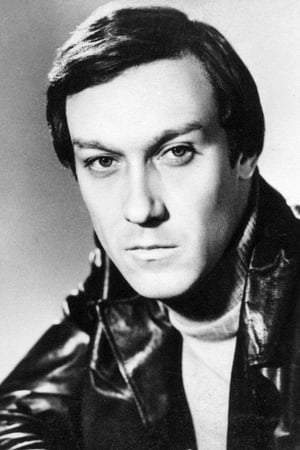
Andrei Nekrasov (Oleg Yankovskiy)
Played by Oleg Yankovskiy
Intelligent and war-weary, Nekrasov is observant and quick-thinking. He demonstrates analytical skill, memorizes fortifications, and sketches a precise map that earns him respect from his commander. His bond with Karyakin drives much of the plot as they navigate danger and questions of trust.
- 🧭 Strategist
- 🧠 Insightful
- 🕊️ Loyal
- IK
Ivan Karyakin (Rolan Bykov)
Played by Rolan Bykov
Simple-minded yet energetic and idealistic, Karyakin provides a counterpoint to Nekrasov. He initially accuses his comrade but ultimately reconciles, maturing in leadership as the pair face assault and capture. His development culminates in him becoming a commander by the time of the Perekop assault.
- 🏃♂️ Energetic
- 🗣️ Leader
- 🪶 Idealist
- AB
Aleksandr Brusentsov (Vladimir Vysotsky)
Played by Vladimir Vysotsky
Cynical and disillusioned White Army officer who kills a comrade and romances Alexandra. His actions reflect the moral decay within the White forces and foreshadow the tragedy that unfolds as the Red Army presses its advantage. His confrontation with Nekrasov and his ultimate fate underscore the cost of war.
- 💥 Antagonist
- 💔 Tragic
- 🗡️ Militarist
- A(
Alexandra (Iya Savvina)
Played by Iya Savvina
A young woman who becomes Brusentsov’s love interest, representing a personal tie amid the broader chaos of defeat and retreat. Her presence anchors one of the parallel storylines and humanizes the White Army’s perspective within the conflict.
- ❤️ Love Interest
- 👩❤️💋👨 Romantic
Where and When Is Two Comrades Were Serving Set?
Two Comrades Were Serving is set in Crimea and Perekop (1920). Here is why the time and place matter to the story.
When
1920
The story unfolds in 1920, a volatile moment in the Russian Civil War when Red Army troops contend with White Army forces and irregular bands in Crimea. It is a period of rapid front-line shifts, fragile truces, and harsh logistical realities. The mission-driven pace reflects the urgency and danger of this era, with reconnaissance, escapes, and rapid redeployments shaping the soldiers’ fates.
Where
Crimea, Perekop
The action takes place on the Crimean front, centered around the Perekop isthmus during the 1920 Russian Civil War. Red Army scouts film White Army fortifications under tense, hostile conditions, and are later captured by Makhnovists before escaping. The landscape is a war-torn borderland marked by improvised camps, ruins, and the constant threat of enemy forces.
- 🗺️ Crimea
- 🧭 Reconnaissance
- 🏰 Fortifications
What Are the Themes of Two Comrades Were Serving?
3 ideas the story keeps returning to, among them Friendship, Sacrifice and Memory.
-
01
Friendship
Two Red Army soldiers with contrasting temperaments form a deep bond during a perilous reconnaissance mission. Their loyalty and mutual support help them survive, even as suspicion and misunderstanding threaten their connection. The evolving friendship becomes a core lens through which the war’s chaos is humanized.
-
02
Sacrifice
The conflict imposes heavy costs on everyone involved, testing loyalty, courage, and self-preservation. The contrast between Nekrasov and Karyakin’s camaraderie and Brusentsov’s cynical posture highlights the spectrum of personal sacrifice within a collapsing war. The narrative culminates in acts that underscore the irreversible price of civil strife.
-
03
Memory
Nekrasov’s camera and the film reel become a fragile record of events, preserving footage of fortifications and soldierly acts. The act of filming embeds memory into the story, even as misperceptions and tragedy threaten what will be remembered. The film’s final imagery—Red Army shots captured on film—anchors its meditation on memory and storytelling.
What Kind of Film Is Two Comrades Were Serving?
Melancholic in tone, with steady pacing and a moderate story, going by the plot summary.
- Tone
- Melancholic
- Pacing
- Steady
- Story
- Moderate
- Intensity
- High
- Ending
- Bittersweet
A grim and somber war drama that follows the intertwined fates of soldiers on opposing sides, marked by tense survival, fatalistic despair, and a melancholic reflection on memory and human cost.
- somber
- grim
- fatalistic
- tense
- brooding
- reflective
- war and peace
- friendship
- camaraderie
- moral ambiguity
Content notes: war violence, suicide, execution, animal demise implied.
Quiz
How well do you remember Two Comrades Were Serving? Test yourself on the story.
Where to Watch Two Comrades Were Serving
. US availability and prices from JustWatch.
Streaming availability in the US, powered by