
The Reckoning 2004

Made by

Paramount Classics
Where to Watch The Reckoning
See current US streaming, rental, and purchase options for The Reckoning (2004) via JustWatch.







The Reckoning Plot Summary
Read the complete plot summary and ending explained for The Reckoning (2004). From turning points to emotional moments, uncover what really happened and why it matters.
In 1380, the priest Nicholas flees his village after being found in flagrante delicto with a married woman. During his flight, he witnesses a group euthanise a member to relieve his long-recurring internal pain. This brutal act brings him to the attention of the traveling acting troupe, who initially mistake him for a robber and briefly explain the killing. Reluctantly, they invite him to join as a replacement for the deceased member, accepting him into their fragile, nomadic world.
On the road to the next town, their path is disrupted by a collapsed bridge, forcing them to reroute and mend their empty, money-less cart. The troupe eventually reaches a strange town whose castle is under reconstruction. There, they witness a woman being sentenced to death for killing a boy, based on the testimony of Benedictine monk Simon Damian. The troupe performs a Biblical passion play, but the turnout is so small that they cannot bury the dead troupe member or repair their broken cart.
The troupe’s leader, Martin, decides to stage a new play drawn from the events surrounding the boy’s death. He and Nicholas visit the mute, condemned woman in the dungeons, growing convinced of her innocence. The crowd sees her as a seductress, which inflames the parents of the dead boy and others who value virtue and strength. From the castle, Plantagenet Lord de Guise surveys the scene, sending the sheriff to clear the square by force. As the crowd disperses, townsfolk share additional details about the boy’s death or disappearance.
They are ordered to leave the town by dawn, but Nicholas’s determination drives him to uncover the truth firsthand. At night, the body is unearthed and shown to have suffered sodomy before death and exposure to the plague. The King’s Justice and his squire arrive, sharing suspicions. Nicholas is forced to depart, yet soon returns in disguise as a monk. The troupe continues toward Durham, while Martin steps back from leadership and relinquishes his role.
Nicholas studies the death, noting the transition from limpness to rigor mortis, and seeks out the monk who testified at the trial to learn more. The monk reveals he had nothing to do with the death and hints at protecting someone else. Nicholas leaves and is found by Martin. They learn from the King’s Justice that the monk has been found dead, erasing any chance of evidence about de Guise’s proclivities and revealing that de Guise plans a revolt to seize the English throne.
The sheriff reveals that wherever de Guise goes, boys disappear. Nicholas gathers more evidence that the condemned woman is not the killer, as the body showed recent rigor mortis. An execution is prepared, but the troupe returns and seizes the scaffold to turn it into a stage for their latest play, exposing fresh information to the crowd. The crowd’s fury toward de Guise intensifies, and guards are called out again to clear the square. The troupe girds the church while, unknown to them, de Guise is there performing an act of penitence.
Nicholas presents his findings to de Guise, who admits everything with a defiant air, convinced he is untouchable under the feudal system. When de Guise questions Nicholas about his own sins, Nicholas confesses that he killed the husband of the woman he was found with, after she attacked him. Leaving the scene, de Guise learns that Nicholas has been exposed to the plague. As de Guise walks toward his castle through a mob of townsfolk, the portcullis remains down, and the crowd eddies around him, eventually lynching him and setting the castle alight.
The new town authorities hope the deaths will be forgotten, while the King’s Justice vows that Nicholas’s work will reach the king, though Sarah reminds them that Nicholas acted for the wrongly accused and his own redemption. Martin declares that Nicholas will live on in their new play, planned for a performance in Durham, and the troupe departs as the castle burns to the ground, leaving behind a town seeking to start anew and a tale that will endure in their performances.
The Reckoning Timeline
Follow the complete movie timeline of The Reckoning (2004) with every major event in chronological order. Great for understanding complex plots and story progression.
Nicholas flees his village and is recruited by the troupe
After being found with a married woman, Nicholas escapes his village in 1380. On the road, he witnesses a fellow member euthanized and is captured by a traveling acting troupe who explains the killing and offers him a place to replace the deceased member.
The troupe travels: bridge collapse and detour
On their journey to the next town, a collapsed bridge forces the troupe into a new district. They must mend the cart and continue the journey without money, relying on the charity of strangers and their performance to survive.
Arrival in a strange town; a woman is judged
The troupe reaches a town with a castle under reconstruction. A woman is condemned to death for killing a boy, based on the testimony of a Benedictine monk. The troupe performs a Biblical passion play, but attendance is low and they struggle to bury a dead member or fix their cart.
Martin shifts to a new play about the boy's death
Martin decides to stage a new play centered on the boy’s death. He and Nicholas visit the mute woman in the dungeon and come to believe she is innocent, even as the crowd perceives her as a seductress, angering the boy’s parents.
De Guise watches and orders clearance
Lord de Guise observes from the castle and sends the sheriff to clear the square by force. The crowd's discussions reveal more about the boy's death and disappearance, hinting at a larger conspiracy behind the crime.
Nicholas investigates and the body is found
The troupe is told to leave by first light, but Nicholas insists on uncovering the truth. That night, a body is unearthed and found to have been sodomized before death and exposed to plague, suggesting a more recent crime than initially believed.
Nicholas is expelled and returns incognito
The King’s Justice confronts Nicholas and he is forced to leave the town. He soon returns in disguise as a monk, continuing the investigation while the troupe moves toward Durham.
Martin relinquishes leadership; the troupe presses on
The troupe continues its journey toward Durham and Martin steps down as leader, altering the group’s dynamics. Nicholas’s investigation deepens as events surrounding the case unfold.
Nicholas learns from the monk's testimony
Nicholas meets the monk who testified at the trial; the monk reveals he had nothing to do with the death and is protecting someone else. This hints at a larger conspiracy and the monk’s deliberate silence.
Monk found dead; de Guise's revolt revealed
Nicholas and Martin learn that the monk has been found dead, removing a key source of evidence. They discover that de Guise is plotting a revolt to seize the English throne.
Evidence shifts to exonerate the woman; a stage is set
The sheriff notes a pattern of boys’ disappearances tied to de Guise. Nicholas gathers more evidence to prove the woman’s innocence, and the troupe returns to seize the scaffold to stage a new play based on the latest information.
Confrontation on the scaffold; the truth exposed
Nicholas presents his findings to de Guise, who confesses with a sense of invulnerability. Nicholas reveals his plague exposure; de Guise stabs him, and the crowd lynches de Guise as the castle is set aflame by enraged townsfolk.
New authorities and Nicholas's legacy contemplated
The town’s new authorities wish the deaths forgotten, while the King’s Justice promises that Nicholas’s work will reach the king. Sarah notes that Nicholas acted for the wrongly accused and for his own redemption.
Final legacy: the play continues toward Durham
Martin announces that Nicholas will live on in the troupe’s forthcoming Durham performance, and the group departs as the castle burns behind them, turning the tragedy into art.
The Reckoning Characters
Explore all characters from The Reckoning (2004). Get detailed profiles with their roles, arcs, and key relationships explained.
Nicholas (Paul Bettany)
A priest who flees after being found in a compromising situation, Nicholas is driven by guilt and a strong call for justice. His moral compass compels him to seek truth about the boy’s death, often putting him at odds with authority. He participates in the troupe and uses his perspective to question appearances versus reality, risking danger for the innocent. His arc culminates in confronting the real killer and seeking redemption.
Martin (Willem Dafoe)
Leader of the traveling troupe, Martin is pragmatic and authoritative, guiding the troupe through hardship. He adapts the troupe’s performances to reflect current mysteries, shaping how truth is told to the crowd. He relinquishes the role of leader at a crucial moment, placing the troupe’s moral mission above personal glory. His decisions drive the troupe toward confronting injustice on their own terms.
Simon Damian (Ewen Bremner)
A Benedictine monk who testifies in the trial, Simon is protective of the truth and may be guarding someone else. His testimony hints at deeper conspiracies and the limits of what is publicly known. His role underscores how religious authority intersects with justice, even as he remains enigmatic and ultimately vulnerable.
Lord de Guise
A powerful noble whose intentions and proclivities expose the corrupt layer of feudal authority. He embodies arrogance and manipulation, attempting to shield himself from scrutiny. His downfall comes through a combination of public exposure, exposed crimes, and the crowd’s demand for accountability.
The Reckoning Settings
Learn where and when The Reckoning (2004) takes place. Explore the film’s settings, era, and how they shape the narrative.
Time period
1380
The events unfold in 14th-century England, a period of feudal hierarchy and religious influence. Society is shaped by local justice, church power, and precarious travel across rough roads. Plague and disease color daily life, giving urgency to trials, executions, and communal rituals. The era's fragility sets the stage for the troupe's moral reckoning.
Location
England, Durham
Set in medieval England, the story follows a traveling troupe moving between provincial towns and a castle town. The landscape includes a village, a town with a castle under reconstruction, and the eventual arrival at Durham. The environment is defined by feudal authority, religious tension, and the looming presence of plague.
The Reckoning Themes
Discover the main themes in The Reckoning (2004). Analyze the deeper meanings, emotional layers, and social commentary behind the film.
⚖️
Justice
The film centers on uncovering truth behind a crime and challenging swift, mob-driven judgments. Nicholas pursues evidence to exonerate the wrongly accused, revealing how appearances can mask the truth. The narrative argues for moral accountability beyond official power and public opinion. Redemption comes through rigorous inquiry and personal conscience.
🎭
Theatre
The troupe uses performance as a mirror to society, turning recent events into important drama. Their plays reveal hidden motives, complicate justice, and pressure authorities to confront truth. The stage becomes a weapon for social commentary and collective memory. The final production promises to carry the truth forward to Durham.
🏰
Power
The tale exposes the corrupting reach of wealth and noble authority, epitomized by de Guise. Power shields predatory behavior until collective action—the mob, the troupe, and the audience—undermines it. The burning castle and the unraveling of feudal control symbolize accountability catching up with tyrants. The story critiques how institutions can fail the vulnerable yet be toppled from within.

Coming soon on iOS and Android
The Plot Explained Mobile App
From blockbusters to hidden gems — dive into movie stories anytime, anywhere. Save your favorites, discover plots faster, and never miss a twist again.
Sign up to be the first to know when we launch. Your email stays private — always.
Explore the mobile appThe Reckoning Spoiler-Free Summary
Discover the spoiler-free summary of The Reckoning (2004). Get a concise overview without any spoilers.
In the shadow‑laden hamlets of 17th‑century England, superstition hangs as heavy as the evening fog, and the law courts echo with whispered curses. Grace, a recently widowed mother, finds herself thrust into a world where every creak of timber and rustle of leaves can be read as an omen. The austere, candle‑lit interiors of parish churches and the cramped, soot‑stained rooms of villager homes create a claustrophobic backdrop that presses in on her every breath, while the unforgiving English countryside stretches beyond, vast and indifferent.
The film’s tone is a slow‑burning blend of psychological dread and period‑drama, where the line between reality and the imagined grows ever fainter. Grace’s internal struggle is mirrored by the austere, stone‑cold authority of a ruthless judge, whose presence looms like a cold wind through the village square. Their uneasy dance is less a courtroom duel than a relentless tug of the mind, each scene tinted with muted colours that suggest both the pallor of fear and the faint glimmer of defiant hope.
At its heart, the story is a portrait of a woman grappling with isolation and the weight of an unforgiving society. Grace’s grief over loss, her fierce love for her children, and her desperate need to cling to sanity drive her forward even as the world around her seems bent on unraveling her. The narrative invites the audience to sit beside her, feeling the chill of every accusation and the burning need to uncover hidden truths, all while the oppressive atmosphere of the era presses in, promising that any misstep could shatter the fragile world she strives to protect.
Movies with Similar Twists and Themes
Uncover films that echo the narrative beats, emotional arcs, or dramatic twists of the one you're exploring. These recommendations are handpicked based on story depth, thematic resonance, and spoiler-worthy moments — perfect for fans who crave more of the same intrigue.
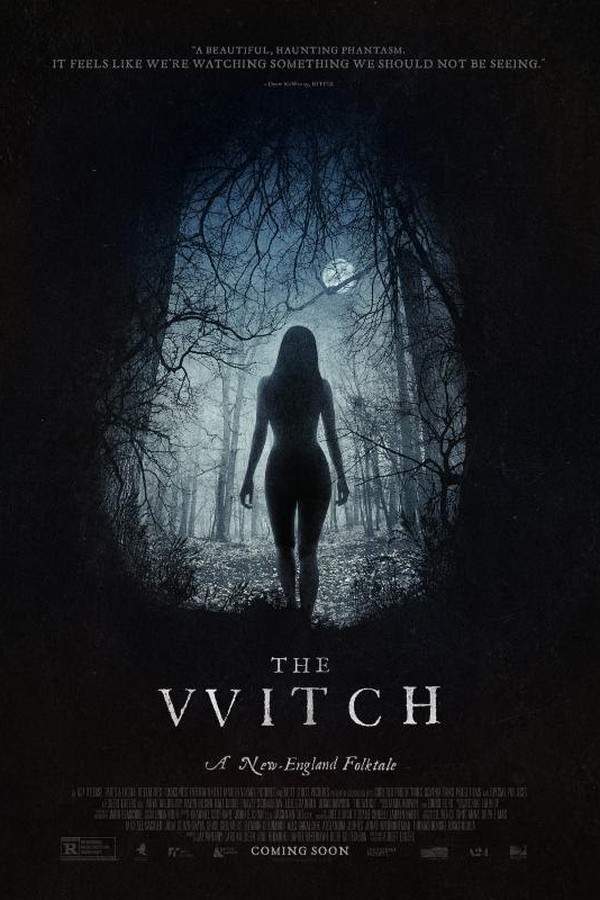

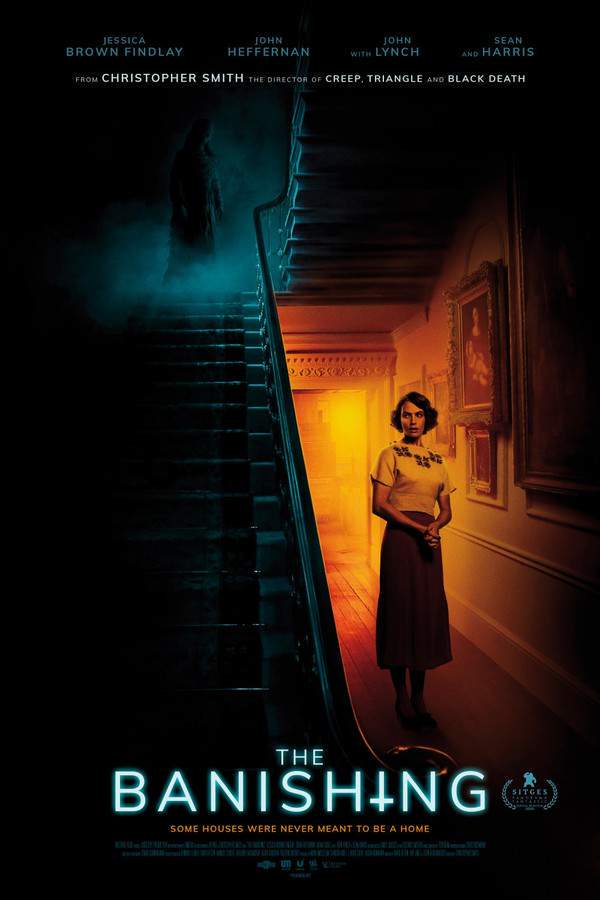

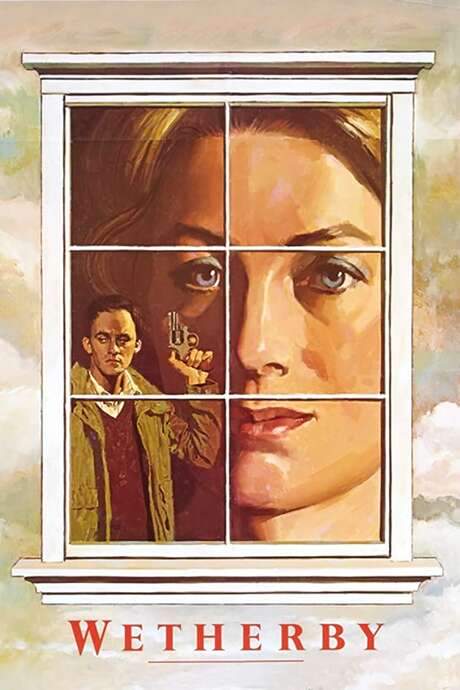


Featured on this page

What's After the Movie?
Not sure whether to stay after the credits? Find out!
Check out our other apps:

SAT Sphere
Build confidence for the Digital SAT.

Mori Atlas
Discover wild places worth protecting.

Luntero
Search smarter for a home in Amsterdam.

Plot Explained
Unravel movie endings and hidden clues.

Pokechamp
Dive into Pokémon data and battle logic.

Driving Theory
Get ready for your European theory test.

Movie Dust
Plan your next cinema trip with ease.

Musemap
Find art and culture as you travel.

Selkobase
Compare credentials before committing.

Local Manual
Turn an unfamiliar country into practical next steps.

Lernavi
Compare school systems before your next move.

GymRoam
Find a workout stop wherever your plans take you.
Explore Our Movie Platform
New Movie Releases (2026)
Famous Movie Actors
Top Film Production Studios
Movie Plot Summaries & Endings
Major Movie Awards & Winners
Best Concert Films & Music Documentaries
Movie Collections and Curated Lists
© 2026 What's After the Movie. All rights reserved.
Privacy Policy