
The Pursuit of Happiness 1971

Directed by
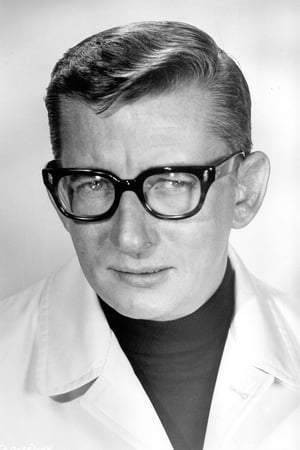
Robert Mulligan
Made by

Talent Associates
Where to Watch The Pursuit of Happiness
See current US streaming, rental, and purchase options for The Pursuit of Happiness (1971) via JustWatch.






The Pursuit of Happiness Plot Summary
Read the complete plot summary and ending explained for The Pursuit of Happiness (1971). From turning points to emotional moments, uncover what really happened and why it matters.
William Popper [Michael Sarrazin] is a college student who, urged by his aunt Ruth [Ruth White], decides to drive to Connecticut to visit his father rather than attend a talk with his girlfriend Jane [Barbara Hershey] that evening. He launches into the journey in a small sports car, the night thick with rain and the windshield smeared with spray, making visibility scarce as he threads his way out of the city after sunset. In the chaos of hurried traffic, he accidentally strikes a woman who is crossing between parked cars in the urban maze. With no witnesses around, he does the responsible thing and turns himself in to the police. Detective Cromie [Ralph Waite] questions him and quickly uncovers that William has no license and no insurance, setting a difficult legal stage for what is to come. Desperate for guidance, William hires a lawyer, Daniel Lawrence [E.G. Marshall], who arrives with his father, John Popper [Arthur Hill], to navigate the mounting trouble.
After a tense initial meeting with the lawyer, William brings his father to his rooms and asks him to meet Jane, hoping for some family support. His friend Melvin Lasher [Robert Klein] arrives with blunt practicality—he immediately asks the father for money, fully aware that John Popper is a millionaire. Jane [Barbara Hershey] returns to the scene, and William leaves her in the company of his father while he wraps up a private conversation with Melvin. When Melvin departs, William finally confesses to Jane that he killed someone that evening, a revelation that changes the tone of their relationship and sets the stage for the moral and legal maelstrom to follow.
Against the lawyer’s advice, William goes to the home of the dead woman to apologize to the Conroy family, a visit that leaves them chilly and suspicious. The family home, under the thumb of William’s formidable grandmother, feels claustrophobic and controlling, with her harsh voice and bleak judgments dominating the household. The grandmother belittles the household staff and even suggests that the dead woman was Irish and probably drunk, insisting that William obtain a “character analysis” of Mrs Conroy [Maya Kenin] as if a verdict could be drawn from gossip rather than grief.
Back with his girlfriend, the couple debates the value of wearing a suit as a sign of responsibility. He wears it, but the judge [Barnard Hughes] sees him as negligent and disobedient, a perception that threads through the courtroom and informs every subsequent confrontation with the legal system. William is ultimately convicted of criminal negligence for the death of Mrs Conroy and is sentenced to one year in prison. He spends a weekend with Jane before beginning his sentence, a quiet, fragile respite before the harsher realities of confinement.
Inside the prison, he shares a cell with James Moran [David Doyle], a former senator imprisoned for embezzlement. The dynamics inside grow more brutal when a new inmate, George Wilson [Gilbert Lewis], is stabbed and killed in the showers by Convict McCardle [Albert Henderson], an event that ripples through the inmate community and colors the upcoming trial. William finds himself drawn into the murder case as a witness, needing to explain that he was helping another inmate write a homosexual love letter, a line of questioning that seems to distort the truth and distract from the original act.
The trial devolves into procedural theatrics that threaten to taint William’s intent and character. The questioning lurches toward insinuations of homosexuality, a tactic that feels tangential to the killing and more about sensationalism than truth. A recess provides a chance for escape, and William slips through an open window to the streets outside, heading toward the university in an attempt to see Jane. The police reach Jane first and warn her about potential danger, but they do not spot William hiding in plain sight.
On a rooftop with Jane and Melvin, William contemplates surrender, arguing that with only a week left on his sentence, the moral calculus of running is uneasy at best. He returns to the family home at night, where his grandmother’s cold calculus returns to threaten him. She orders the dogs to be set on him, and in a desperate moment he pleads for funds to leave the country. She hands him $3,000 from the safe, and Melvin helps by purchasing a car for $600, enabling a plan to flee to Canada with Jane. He bids farewell to his father, who urges him not to go, a last ounce of guidance from a parent who wants to protect him from a harsher fate.
The journey stalls when the car breaks down just outside the city. William tracks down Melvin, who arranges transport by taxi to a small private airport. A mysterious man called “Mr Smith” meets them and offers a flight to Canada for $1,000, with a Wednesday departure window. He also presents an enticing (and more immediate) alternative: a trip to Mexico in a couple of hours for an extra $500. The trio escapes into the unknown, leaving behind the legal pressures and the life they know, and they take to the skies, passing the Statue of Liberty as they vanish toward a new horizon.
The Pursuit of Happiness Timeline
Follow the complete movie timeline of The Pursuit of Happiness (1971) with every major event in chronological order. Great for understanding complex plots and story progression.
Aunt's plea to drive to his father
Aunt Ruth visits and persuades William to drive to Connecticut to see his father, choosing family over his girlfriend Jane for the evening. He agrees and heads out in the city after sunset, driven by obligation and emotion.
Late-night departure into heavy rain
William leaves the city center in a small sports car as heavy rain reduces visibility. The departure is tense and solitary, setting a foreboding mood for what follows. He remains determined to reach his father despite the dangerous conditions.
Accidental collision with a pedestrian
In the rain, he strikes a woman crossing between parked cars. The incident happens quickly and initially goes unseen by others nearby. He decides to surrender to the police, taking responsibility for the act.
Police interview and legal trouble emerges
William is interviewed by Detective Cromie and learns he has no driving license or insurance. With the situation escalating, he seeks legal help and brings his father into the discussion. A lawyer, Daniel Lawrence, becomes part of his immediate circle.
Lawyer and family arrive; rooms swap
Daniel Lawrence arrives with William's father, and William moves to speak with the lawyer in his rooms. Jane is brought into the proceedings and Melvin presses William's father for money, highlighting their precarious finances. The stage is set for the legal battles ahead.
William confesses to Jane
Only after his father leaves does William confess to Jane that he killed someone that evening. The confession binds Jane to the consequences of his actions and raises questions about their relationship. The admission marks a turning point in the emotional arc of the story.
Apology visit to the dead woman's family
Against the lawyer's advice, William visits the family of the deceased to apologize. The family remains unimpressed and uneasy about the intrusion into their grief. The encounter deepens the social tensions surrounding the incident.
Grandmother's domineering stance
William returns to the family home where his grandmother dominates the household. She belittles servants and makes dismissive judgments about the dead woman, implying bias against her Irish background. She demands a character analysis of the deceased to reinforce her worldview.
Trial and judgment begin
Back with his girlfriend, William debates the value of wearing a suit. He wears it, but the judge still sees him as negligent and disobedient, framing him in terms of appearance and responsibility. The courtroom mood underscores the social dynamics at play.
Conviction and a brief prison interlude
William is convicted of criminal negligence for the killing of Mrs Conroy and sentenced to one year in prison. He is allowed a weekend to spend with Jane before beginning his sentence, a bittersweet farewell that underscores the personal costs of the case. The verdict anchors his life to a rigid prison schedule.
Prison life and a murder trial twist
In prison, William shares a cell with James J. Moran, a former senator imprisoned for embezzlement. A new inmate, George Wilson, is stabbed to death in the showers, and William ends up involved in a murder trial that is distracted by questions about a supposed homosexual letter. The line of questioning misdirects from the actual crime.
Escape, campus visit, and looming escape plan
During a toilet break, William escapes through an open window and heads toward the university to see Jane. Police warn Jane she could be in trouble if she helps him, though they do not spot him. The plan to leave the country begins to take shape, setting up further developments.
Final family aid and preparations to flee
At night, William returns to the family home where his grandmother finally gives him cash to leave, providing three thousand dollars from the safe. He arranges for Melvin to buy a car for six hundred dollars, marking the start of a plan to flee the country. The sense of impending departure grows stronger.
Private flight to Canada or Mexico option
They head toward a private airport, and Mr. Smith offers to fly them to Canada for one thousand dollars, with a Mexico option available for an extra five hundred. The choice signals a dramatic turn toward escape from legal consequences. They depart in a private flight with the Statue of Liberty in view.
The Pursuit of Happiness Characters
Explore all characters from The Pursuit of Happiness (1971). Get detailed profiles with their roles, arcs, and key relationships explained.
William Popper (Michael Sarrazin)
A college student whose impulsive decision after the accident triggers a chain of legal troubles. He grapples with guilt, bravado, and competing loyalties as he navigates his girlfriend, his father, and the courtroom.
Jane Kauffman (Barbara Hershey)
William’s girlfriend who becomes entangled in the aftermath of the accident. She oscillates between frustration with William and concern for his wellbeing, shaping the emotional core of his decisions.
Ruth Lawrence (Aunt Ruth)
William's aunt who persuades him to drive to see his father, setting the plot in motion. She embodies a blend of family influence and pragmatic concern, contributing to the pressures on William.
Detective Cromie
The detective who questions William after the hit-and-run and discovers his lack of license and insurance. He represents the formal, procedural response to the tragedy.
John Popper (Arthur Hill)
William's father, a wealthy figure whose arrival with the lawyer underscores the family’s status and influence in the case.
Melvin Lasher (Robert Klein)
William's friend who immediately asks for money when he appears, highlighting dynamics of wealth and opportunism in the social circle.
Mrs. Conroy (Maya Kenin)
The woman killed in the incident, referenced in the community and the burial of the dead, around whom the family’s responses swirl.
Mrs. Popper (Ruth White)
William's grandmother, who exerts authority over the household and mocks servants, revealing social attitudes and hypocrisy within the family.
James Moran (David Doyle)
A former senator and prison inmate who becomes a fellow inmate and shares the environment of the jail and its politics, highlighting the reach of public life into confinement.
George Wilson (Gilbert Lewis)
A fellow inmate who is stabbed and killed, illustrating the danger and cruelty within the prison's shower scene.
2nd Guard (Charles Durning)
A guard who is part of the prison environment and appears in the jail scenes surrounding William's imprisonment.
Judge Vogel (Barnard Hughes)
The judge who views William as negligent and disobedient, shaping the legal judgments and the film's moral framing.
Tom Keller (District Attorney) (Tom Rosqui)
The district attorney who prosecutes the case, contributing to the legal pressure and public face of the charge.
The Pursuit of Happiness Settings
Learn where and when The Pursuit of Happiness (1971) takes place. Explore the film’s settings, era, and how they shape the narrative.
Location
Connecticut, USA, New York City, USA
The story moves from a rain-soaked city center to the Connecticut suburbs and back toward urban theatres and universities. It centers on a young college student whose actions set off a chain of legal and personal consequences. The setting blends metropolitan pressure with an affluent family environment that shapes the decisions made.
The Pursuit of Happiness Themes
Discover the main themes in The Pursuit of Happiness (1971). Analyze the deeper meanings, emotional layers, and social commentary behind the film.
🧭
Freedom
William’s flight from responsibility and his attempts to escape the consequences of the hit-and-run explore the pull between personal liberty and accountability. The pursuit of escape to Canada frames the narrative’s tension between independence and duty. Relationships with Jane, his family, and friends test loyalty as he weighs self-preservation against righting his mistake.
⚖️
Justice
The legal process pushes the drama from arrest to conviction for criminal negligence, shaping how the audience perceives guilt and liability. Courtroom questions and prosecutors’ disclosures highlight how narrative spin can influence judgment. The film exposes imperfections and ambiguities within the justice system.
💰
Class
The grandmother’s disdain for servants and the quick judgments about the dead woman reveal sharp social biases within the family circle. Wealth and status influence how characters respond to tragedy and maneuver around consequences. The pursuit to flee is entangled with old-money pretensions and moral responsibility.

Coming soon on iOS and Android
The Plot Explained Mobile App
From blockbusters to hidden gems — dive into movie stories anytime, anywhere. Save your favorites, discover plots faster, and never miss a twist again.
Sign up to be the first to know when we launch. Your email stays private — always.
Explore the mobile appThe Pursuit of Happiness Spoiler-Free Summary
Discover the spoiler-free summary of The Pursuit of Happiness (1971). Get a concise overview without any spoilers.
In a rain‑slick city that feels both glossy and oppressive, William Popper drifts through life as the privileged son of a successful stockbroker, yet he is haunted by a deep contempt for the very system that raised him. The film opens on his restless intellect and a yearning to prove that the comfortable veneer of wealth can be stripped away, setting a tone that is as introspective as it is tense. Shadows linger over the streets, and the omnipresent hum of traffic mirrors William’s internal turbulence, hinting at a world where personal rebellion collides with societal expectations.
When a late‑night drive turns into an unexpected accident, William faces a crossroads that forces him to confront the legal machinery and his own moral compass. Rather than exploiting the possibility of exoneration, he chooses to accept responsibility in a way that feels like a deliberate act of defiance. This decision draws in the people closest to him: his pragmatic aunt Ruth, whose guidance pushes him toward the journey; his steadfast girlfriend Jane, who represents both connection and tension; his father John Popper, whose wealth offers a stark contrast to William’s disillusionment; and his blunt friend Melvin Lasher, whose presence underscores the pragmatic side of survival.
The surrounding world—courtrooms echoing with formality, a family home dominated by a formidable grandmother, and the looming walls of a prison—creates a claustrophobic backdrop that amplifies the film’s existential mood. Every setting feels meticulously crafted to reflect the friction between institutional authority and personal agency, making the narrative feel like a study of quiet revolt rather than overt action.
Against this textured tableau, William’s restless spirit searches for meaning beyond the confines of his lineage and the expectations of others. The movie lingers on the subtle power of choices made in the shadows, inviting viewers to contemplate how far one will go to make a statement when the system itself becomes the ultimate adversary.
Movies with Similar Twists and Themes
Uncover films that echo the narrative beats, emotional arcs, or dramatic twists of the one you're exploring. These recommendations are handpicked based on story depth, thematic resonance, and spoiler-worthy moments — perfect for fans who crave more of the same intrigue.


Featured on this page

What's After the Movie?
Not sure whether to stay after the credits? Find out!
Check out our other apps:

SAT Sphere
Build confidence for the Digital SAT.

Mori Atlas
Discover wild places worth protecting.

Luntero
Search smarter for a home in Amsterdam.

Plot Explained
Unravel movie endings and hidden clues.

Pokechamp
Dive into Pokémon data and battle logic.

Driving Theory
Get ready for your European theory test.

Movie Dust
Plan your next cinema trip with ease.

Musemap
Find art and culture as you travel.

Selkobase
Compare credentials before committing.

Local Manual
Turn an unfamiliar country into practical next steps.

Lernavi
Compare school systems before your next move.

GymRoam
Find a workout stop wherever your plans take you.
Explore Our Movie Platform
New Movie Releases (2026)
Famous Movie Actors
Top Film Production Studios
Movie Plot Summaries & Endings
Major Movie Awards & Winners
Best Concert Films & Music Documentaries
Movie Collections and Curated Lists
© 2026 What's After the Movie. All rights reserved.
Privacy Policy