The Pursuit of Happiness 1971


William Popper, the son of a stockbroker, is profoundly disillusioned with the system that raised him. After accidentally hitting a pedestrian with his car, he could prove his innocence, yet his contempt drives him to accept a manslaughter sentence, using the punishment as a statement against the world he despises.

Does The Pursuit of Happiness have end credit scenes?
No!
The Pursuit of Happiness does not have end credit scenes. You can leave when the credits roll.
Where to Watch The Pursuit of Happiness
See current US streaming, rental, and purchase options for The Pursuit of Happiness (1971) via JustWatch.






Meet the Full Cast and Actors of The Pursuit of Happiness
Explore the complete cast of The Pursuit of Happiness, including both lead and supporting actors. Learn who plays each character, discover their past roles and achievements, and find out what makes this ensemble cast stand out in the world of film and television.
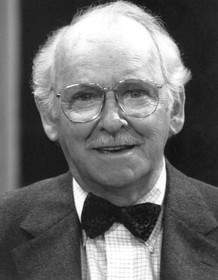
Barnard Hughes
Judge Vogel
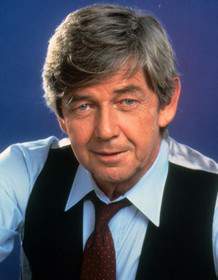
Ralph Waite
Detective Cromie
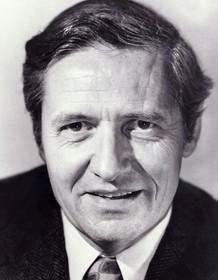
Arthur Hill
John Popper
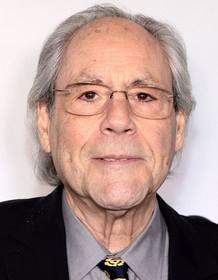
Robert Klein
Melvin Lasher
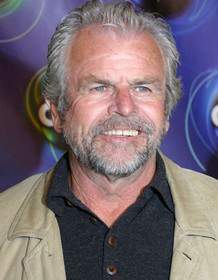
William Devane
Pilot
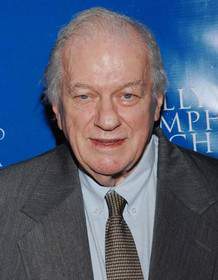
Charles Durning
2nd Guard

Barbara Hershey
Jane Kauffman

Ruth White
Mrs. Popper
Michael Sarrazin
William Popper
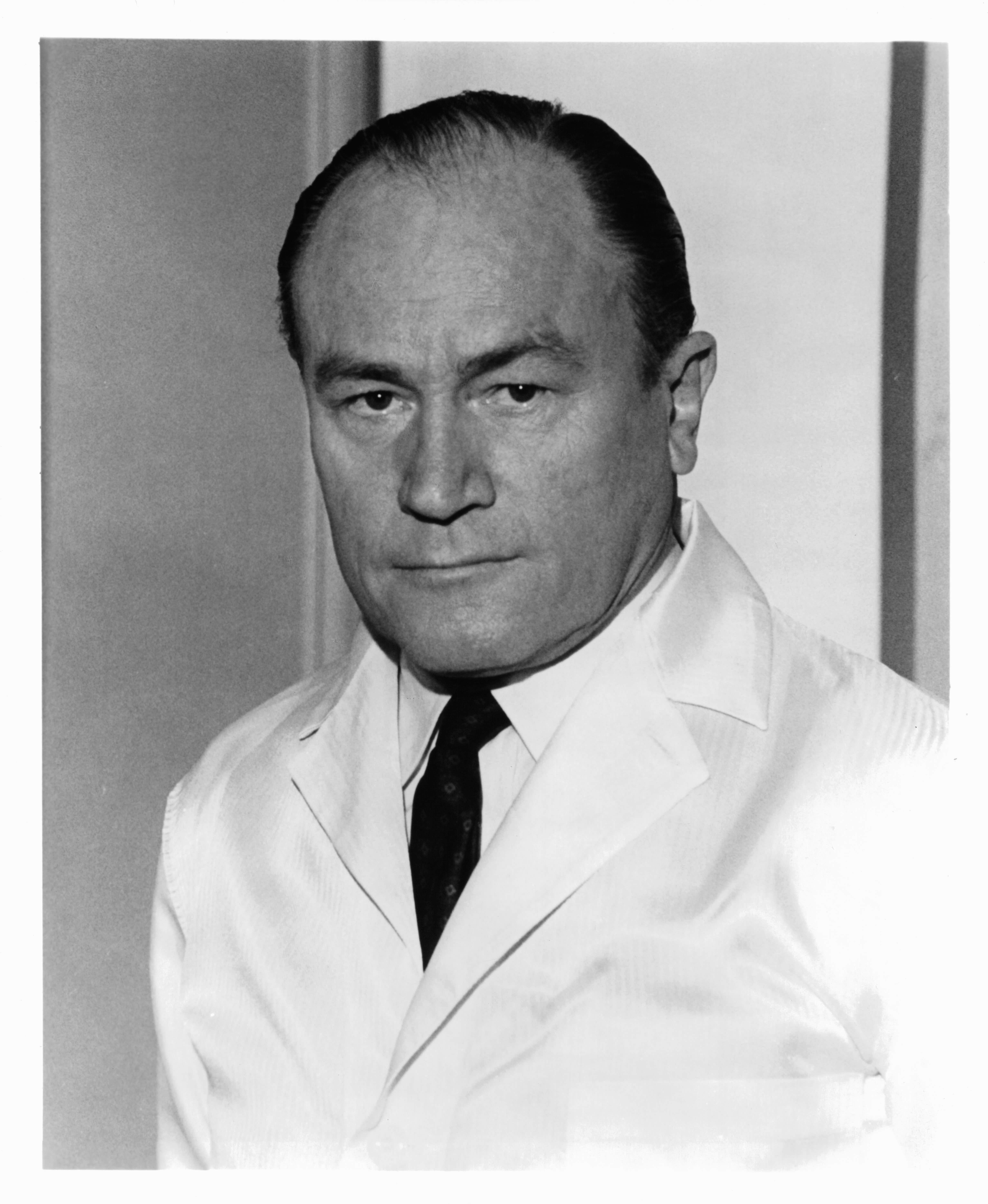
E.G. Marshall
Daniel Lawrence
David Doyle
James Moran
Peter White
Terence Lawrence
Albert Henderson
Convict McCardle
Sada Thompson
Ruth Lawrence
Ed Kovens
1st Guard
Gilbert Lewis
Convict George Wilson
Tom Rosqui
District Attorney Keller
Maya Kenin
Mrs. Conroy
External Links and Streaming Options
Discover where to watch The Pursuit of Happiness online, including streaming platforms, rental options, and official sources. Compare reviews, ratings, and in-depth movie information across sites like IMDb, TMDb, Wikipedia or Letterboxd.





Take the Ultimate The Pursuit of Happiness Movie Quiz
Challenge your knowledge of The Pursuit of Happiness with this fun and interactive movie quiz. Test yourself on key plot points, iconic characters, hidden details, and memorable moments to see how well you really know the film.
The Pursuit of Happiness (1971) Quiz: Test your knowledge of the 1971 film *The Pursuit of Happiness* with these ten multiple‑choice questions ranging from easy to difficult.
What prompts William Popper to drive to Connecticut instead of meeting his girlfriend Jane that evening?
Full Plot Summary and Ending Explained for The Pursuit of Happiness
Read the complete plot summary of The Pursuit of Happiness, including all major events, twists, and the full ending explained in detail. Explore key characters, themes, hidden meanings, and everything you need to understand the story from beginning to end.
William Popper [Michael Sarrazin] is a college student who, urged by his aunt Ruth [Ruth White], decides to drive to Connecticut to visit his father rather than attend a talk with his girlfriend Jane [Barbara Hershey] that evening. He launches into the journey in a small sports car, the night thick with rain and the windshield smeared with spray, making visibility scarce as he threads his way out of the city after sunset. In the chaos of hurried traffic, he accidentally strikes a woman who is crossing between parked cars in the urban maze. With no witnesses around, he does the responsible thing and turns himself in to the police. Detective Cromie [Ralph Waite] questions him and quickly uncovers that William has no license and no insurance, setting a difficult legal stage for what is to come. Desperate for guidance, William hires a lawyer, Daniel Lawrence [E.G. Marshall], who arrives with his father, John Popper [Arthur Hill], to navigate the mounting trouble.
After a tense initial meeting with the lawyer, William brings his father to his rooms and asks him to meet Jane, hoping for some family support. His friend Melvin Lasher [Robert Klein] arrives with blunt practicality—he immediately asks the father for money, fully aware that John Popper is a millionaire. Jane [Barbara Hershey] returns to the scene, and William leaves her in the company of his father while he wraps up a private conversation with Melvin. When Melvin departs, William finally confesses to Jane that he killed someone that evening, a revelation that changes the tone of their relationship and sets the stage for the moral and legal maelstrom to follow.
Against the lawyer’s advice, William goes to the home of the dead woman to apologize to the Conroy family, a visit that leaves them chilly and suspicious. The family home, under the thumb of William’s formidable grandmother, feels claustrophobic and controlling, with her harsh voice and bleak judgments dominating the household. The grandmother belittles the household staff and even suggests that the dead woman was Irish and probably drunk, insisting that William obtain a “character analysis” of Mrs Conroy [Maya Kenin] as if a verdict could be drawn from gossip rather than grief.
Back with his girlfriend, the couple debates the value of wearing a suit as a sign of responsibility. He wears it, but the judge [Barnard Hughes] sees him as negligent and disobedient, a perception that threads through the courtroom and informs every subsequent confrontation with the legal system. William is ultimately convicted of criminal negligence for the death of Mrs Conroy and is sentenced to one year in prison. He spends a weekend with Jane before beginning his sentence, a quiet, fragile respite before the harsher realities of confinement.
Inside the prison, he shares a cell with James Moran [David Doyle], a former senator imprisoned for embezzlement. The dynamics inside grow more brutal when a new inmate, George Wilson [Gilbert Lewis], is stabbed and killed in the showers by Convict McCardle [Albert Henderson], an event that ripples through the inmate community and colors the upcoming trial. William finds himself drawn into the murder case as a witness, needing to explain that he was helping another inmate write a homosexual love letter, a line of questioning that seems to distort the truth and distract from the original act.
The trial devolves into procedural theatrics that threaten to taint William’s intent and character. The questioning lurches toward insinuations of homosexuality, a tactic that feels tangential to the killing and more about sensationalism than truth. A recess provides a chance for escape, and William slips through an open window to the streets outside, heading toward the university in an attempt to see Jane. The police reach Jane first and warn her about potential danger, but they do not spot William hiding in plain sight.
On a rooftop with Jane and Melvin, William contemplates surrender, arguing that with only a week left on his sentence, the moral calculus of running is uneasy at best. He returns to the family home at night, where his grandmother’s cold calculus returns to threaten him. She orders the dogs to be set on him, and in a desperate moment he pleads for funds to leave the country. She hands him $3,000 from the safe, and Melvin helps by purchasing a car for $600, enabling a plan to flee to Canada with Jane. He bids farewell to his father, who urges him not to go, a last ounce of guidance from a parent who wants to protect him from a harsher fate.
The journey stalls when the car breaks down just outside the city. William tracks down Melvin, who arranges transport by taxi to a small private airport. A mysterious man called “Mr Smith” meets them and offers a flight to Canada for $1,000, with a Wednesday departure window. He also presents an enticing (and more immediate) alternative: a trip to Mexico in a couple of hours for an extra $500. The trio escapes into the unknown, leaving behind the legal pressures and the life they know, and they take to the skies, passing the Statue of Liberty as they vanish toward a new horizon.

Coming soon on iOS and Android
The Plot Explained Mobile App
From blockbusters to hidden gems — dive into movie stories anytime, anywhere. Save your favorites, discover plots faster, and never miss a twist again.
Sign up to be the first to know when we launch. Your email stays private — always.
Explore the mobile appDiscover Film Music Concerts Near You – Live Orchestras Performing Iconic Movie Soundtracks
Immerse yourself in the magic of cinema with live orchestral performances of your favorite film scores. From sweeping Hollywood blockbusters and animated classics to epic fantasy soundtracks, our curated listings connect you to upcoming film music events worldwide.
Explore concert film screenings paired with full orchestra concerts, read detailed event information, and secure your tickets for unforgettable evenings celebrating legendary composers like John Williams, Hans Zimmer, and more.


Cars Featured in The Pursuit of Happiness
Explore all cars featured in The Pursuit of Happiness, including their makes, models, scenes they appear in, and their significance to the plot. A must-read for car enthusiasts and movie buffs alike.
The Pursuit of Happiness Themes and Keywords
Discover the central themes, ideas, and keywords that define the movie’s story, tone, and message. Analyze the film’s deeper meanings, genre influences, and recurring concepts.
The Pursuit of Happiness Other Names and Titles
Explore the various alternative titles, translations, and other names used for The Pursuit of Happiness across different regions and languages. Understand how the film is marketed and recognized worldwide.
Similar Movies To The Pursuit of Happiness You Should Know About
Browse a curated list of movies similar in genre, tone, characters, or story structure. Discover new titles like the one you're watching, perfect for fans of related plots, vibes, or cinematic styles.




Quick Links: Summary, Cast, Ratings, More

What's After the Movie?
Not sure whether to stay after the credits? Find out!
Check out our other apps:

SAT Sphere
Build confidence for the Digital SAT.

Mori Atlas
Discover wild places worth protecting.

Luntero
Search smarter for a home in Amsterdam.

Plot Explained
Unravel movie endings and hidden clues.

Pokechamp
Dive into Pokémon data and battle logic.

Driving Theory
Get ready for your European theory test.

Movie Dust
Plan your next cinema trip with ease.

Musemap
Find art and culture as you travel.

Selkobase
Compare credentials before committing.

Local Manual
Turn an unfamiliar country into practical next steps.

Lernavi
Compare school systems before your next move.

GymRoam
Find a workout stop wherever your plans take you.
Explore Our Movie Platform
New Movie Releases (2026)
Famous Movie Actors
Top Film Production Studios
Movie Plot Summaries & Endings
Major Movie Awards & Winners
Best Concert Films & Music Documentaries
Movie Collections and Curated Lists
© 2026 What's After the Movie. All rights reserved.
Privacy Policy