
The People Against O’Hara 1951

Directed by
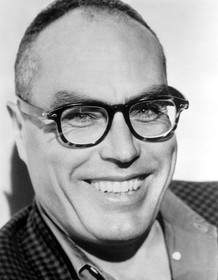
John Sturges
Made by

Metro-Goldwyn-Mayer
The People Against O’Hara Plot Summary
Read the complete plot summary and ending explained for The People Against O’Hara (1951). From turning points to emotional moments, uncover what really happened and why it matters.
James Curtayne was once a highly successful prosecutor and district attorney in New York City, known for his sharp legal mind and relentless pursuit of justice. However, his career took a downward turn due to his struggle with alcohol, which ultimately forced him out of the high-pressure world of criminal law. After a long period away from the courtroom, he attempts to settle into a quieter, less demanding practice in civil law, hoping to approach a long-overdue retirement. Despite his efforts, the shadows of his past and the toll of aging begin to weigh heavily on him.
The story takes a personal turn when a boy from Curtis’s old neighborhood, Johnny O’Hara, is accused of murder. Johnny, a young man with a troubled past, finds himself at the center of a criminal investigation that threatens to upend everything. His parents, desperate and unable to afford legal help, turn to Curtayne, pleading for him to take the case. Though he is reluctant, knowing the difficulty and emotional toll involved, Curtayne accepts, understanding the case might be more than just a professional challenge—it could become a personal battle as well.
The investigation begins with the murder of Johnny’s boss, Bill Sheffield. Sheffield was shot and robbed at his home during the night, with witnesses seeing a two-tone, older-model coupe leaving the scene. A witness exiting a saloon from a distance provides crucial information, helping police trace the car to Johnny. When questioned by Detective Vincent Ricks [pat-obrien] and District Attorney Barra [john-hodiak], Johnny panics and tries to flee, claiming he believed the detectives were threats after him. The evidence soon mounts, revealing that Johnny’s fingerprints were on the murder weapon, which he claims was stolen along with his car.
Johnny’s defense is further complicated when Pete [Korvac] — a young man with a reputation for dishonesty — is brought in. Pete confesses that he was the driver and implicates Johnny as the one who fired the gun. Johnny admits he had a fight with Sheffield over unpaid overtime that day but insists he was working all night as his alibi, which is later discredited by the night watchman. The real story is more complicated: Johnny was breaking up with Katrina, the wife of a notorious mobster called “Knuckles” Lanzetta, who controls the waterfront. Fearing repercussions, Johnny lies to protect Katrina, knowing that revealing the truth about their relationship would put her in danger.
Curtayne, a widower, is cared for by his devoted daughter, Virginia Diana Lynn. She has sacrificed her own future with her fiancé Jeff to ensure her father stays sober. Despite her concern, Curtayne believes he can manage the pressure, but his old age and drinking habits start to undermine his confidence. As he delves into the case, he visits Johnny’s family and Knuckles Lanzetta, trying to find out the truth behind the crime. The Korvac family dismisses him, denying any involvement of Pete, while Lanzetta’s denials seem evasive. Curtayne also questions Lanzetta but is cautious about accepting his offers of assistance, wary of the influence of organized crime.
During the trial, Johnny’s alibi crumbles, and Pete’s evasive testimony appears convincing. Curtayne begins to doubt his own abilities, feeling increasingly overwhelmed and sensing his mental decline. His reliance on alcohol intensifies, and he makes a risky decision to bribe a Norwegian seaman named Sven Norson, who offers to change his story for $500. When District Attorney Barra uncovers the bribe, he quietly reveals it to Curtayne, who is already doubts about his steadiness. Despite the mounting evidence and corruption, Barra secures a conviction, and Johnny faces the electric chair, with Curtayne on the verge of disbarment due to his questionable conduct.
Realizing that Johnny might have been framed, Curtayne and Ricks revisit the case, seeking a motive that could explain the true killer. They examine the “gold bar” story—an attempt to link the victim to stolen narcotics destined for the Chicago mob—only to find the tale unconvincing. Instead, lab tests reveal that the battered suitcase Johnny’s car carried contained $200,000 worth of narcotics, indicating a larger criminal enterprise. To catch those responsible, Curtayne devises a plan to infiltrate the criminals’ operation by planting a lookout at the scene. He volunteers to deliver a suspicious-looking suitcase, wired for sound, in hopes of catching the real culprit.
The plan leads to a trap set by Johnny’s brothers, who are revealed to be involved in the scheme. The eldest brother, James Korvac, confronts Curtayne, revealing that firm ties to organized crime run deep. Tragically, the situation spirals out of control when Curtayne is abducted, marched toward the river with the suitcase in hand, and faced with certain death.
The police, led by Barra [john-hodiak], quickly organize a dragnet but arrive too late. A gunfire exchange ensues, resulting in the death of Curtayne—heroically sacrificing himself to protect the truth. Moved by his bravery, Barra is faced with a difficult decision: to pursue justice at all costs or to honor Curtayne’s final act of courage. Before Ricks can respond, an ambulance medic reports that Curtayne has succumbed to his wounds, leaving his fate and the justice he fought for hanging in the balance.
Throughout this story, themes of redemption, sacrifice, and the corrupting influence of organized crime intertwine, painting a complex picture of a man trying to reconcile his past with his desire to do right. The film underscores the human cost of the relentless pursuit of justice and the fragile nature of morality in a corrupt world.
The People Against O’Hara Timeline
Follow the complete movie timeline of The People Against O’Hara (1951) with every major event in chronological order. Great for understanding complex plots and story progression.
James Curtayne's Past as a Successful Prosecutor
James Curtayne was once a highly successful district attorney in New York City, known for his effectiveness in criminal law. He has since left that high-pressure career, falling into alcohol dependency as a result of his stressful work. Now, he is attempting to settle into a quieter civil law practice, preparing for retirement.
Johnny O'Hara's Accusation
Johnny O'Hara, a young man from the neighborhood, is accused of murdering his boss, Bill Sheffield. His parents seek out Curtayne to defend him, despite their financial struggles, trusting in his old legal prowess. Curtayne accepts the case, knowing it will be challenging.
The Night of the Murder
Bill Sheffield is shot and robbed on his home stairs during the night. A bystander, an older man leaving a saloon, witnesses the event from a distance. Police trace the car used in the crime to Johnny O'Hara, suspecting him of involvement.
Johnny Flees Police
When questioned by detectives, Johnny claims he believed they were thugs after him and flees the scene. During interrogation, the murder weapon is identified as belonging to Johnny, who states it was stolen. The police arrest him based on circumstantial evidence.
Johnny's Alibi and Relationships
Johnny claims he was working all night, but his alibi is discredited by the night watchman. He reveals a complicated romantic life, involving Katrina, the wife of mobster Knuckles Lanzetti, which could serve as a possible motive or distraction in the case.
Curtayne Investigates the Case
Despite his age and personal struggles, Curtayne begins investigating Johnny’s case. He visits the Korvac family, who deny any connection with Johnny, and then approaches Knuckles Lanzetti, suspecting mob involvement, but faces distrust and denial.
Trial and Evidentiary Failures
During Johnny’s trial, his alibi collapses and witnesses like Pete Korvac provide confusing testimony. Curtayne's own confidence wanes as he struggles to contest the evidence, highlighting his failing mental state under the pressure.
Corruption and Bribery
Curtayne, increasingly desperate, bribes a Norwegian seaman to change his testimony. His act is discovered, putting both his career and Johnny’s case at risk. The outcome appears to be a conviction with Johnny facing the electric chair.
Revelation of the Real Crime
Lab tests reveal that the supposed murder weapon was linked to drug trafficking, not the murder. A plan is devised to set a trap to catch the real culprits, involving planting a lookalike in Johnny’s place with a stolen suitcase of narcotics.
Curtayne's Heroic Final Acts
Curtayne volunteers to deliver the fake suitcase, aiming to trap the real killers. He is ambushed and abducted by the Korvac brothers, who plan to kill him and dispose of the evidence. His bravery ultimately leads to his tragic death on the riverbank.
Closure and Loss
Despite efforts to save him, Curtayne is shot and killed by the Korvac brothers. His heroism is recognized, but his death marks the tragic end of his redemption arc and efforts to uncover the truth in the case.
Aftermath
The police, led by Barra and Ricks, reflect on the events surrounding Curtayne’s death. The case remains unresolved with the corrupt elements exposed, but the loss of Curtayne leaves a lasting impact on everyone involved.
The People Against O’Hara Characters
Explore all characters from The People Against O’Hara (1951). Get detailed profiles with their roles, arcs, and key relationships explained.
James P. Curtayne (Spencer Tracy)
A seasoned district attorney battling personal demons, including alcoholism, he is driven to seek justice despite his declining health and moral compromises. His dedication to uncovering the truth highlights his integrity and vulnerability, making him a sympathetic figure facing moral decay.
Johnny O'Hara
A young man accused of murder, Johnny is caught between societal expectations and his own moral struggles. His character represents innocence corrupted by circumstances, and he faces relentless pressure from the legal and criminal worlds, fighting to prove his innocence.
Katrina Lanzetta
Katrina is a troubled young woman caught in a dangerous romance with Johnny, tied to the waterfront mobster Knuckles. Her willingness to reveal the truth demonstrates her complex character, torn between love and survival.
Knuckles Lanzetta
A ruthless mobster controlling the waterfront, Knuckles exemplifies organized crime's influence over the setting. His character embodies the brutality and loyalty within the mob, determined to protect his interests at all costs.
The People Against O’Hara Settings
Learn where and when The People Against O’Hara (1951) takes place. Explore the film’s settings, era, and how they shape the narrative.
Time period
Post-World War II era, late 1940s to early 1950s
The film takes place in the late 1940s to early 1950s, a period marked by post-war economic restructuring and organized crime activity. This era saw significant social and economic changes, with crime syndicates controlling many waterfront operations and a legal system strained by corruption and moral complexities.
Location
New York City, Waterfront, Docks
The movie is set primarily in New York City, focusing on the waterfront and dock areas. These locations are known for their bustling industrial activity and mobster influence, reflecting the gritty reality of post-World War II urban life. The setting emphasizes the contrasts between law and crime within a vibrant city landscape.
The People Against O’Hara Themes
Discover the main themes in The People Against O’Hara (1951). Analyze the deeper meanings, emotional layers, and social commentary behind the film.
⚖️
Justice & Corruption
The movie explores the struggle between justice and corruption, highlighting how personal flaws and external pressures influence legal outcomes. It depicts the moral ambiguities faced by those in law enforcement and legal professions, emphasizing that justice is often compromised by greed, alcoholism, and mob influence.
🌀
Betrayal & Loyalty
Betrayal and loyalty are central themes, especially within personal relationships and criminal organizations. Characters grapple with conflicting loyalties—whether to family, friends, or the law—and these conflicts drive much of the narrative's tension and moral dilemma.

Coming soon on iOS and Android
The Plot Explained Mobile App
From blockbusters to hidden gems — dive into movie stories anytime, anywhere. Save your favorites, discover plots faster, and never miss a twist again.
Sign up to be the first to know when we launch. Your email stays private — always.
Explore the mobile appThe People Against O’Hara Spoiler-Free Summary
Discover the spoiler-free summary of The People Against O’Hara (1951). Get a concise overview without any spoilers.
In the gritty streets of post‑war New York, the city’s relentless hustle presses down on everyone who walks its avenues, and none feel it more than James Curtayne. Once a celebrated prosecutor, Curtayne has slipped into a quieter civil practice, haunted by the bottle that once buoyed his confidence and now threatens to drown his reputation. The film opens with him teetering on the edge of professional retirement, his courtroom swagger replaced by weary mornings and the lingering scent of lost glory, setting a tone of melancholy grit tinged with the faint hope of redemption.
When a desperate plea arrives from his old neighborhood, Curtayne is drawn back into the world he thought he’d escaped. Johnny O’Hara, a young man whose future hangs by a thread, looks to his former mentor for a chance at salvation, offering Curtayne a final shot at proving that skill can outrun habit. The partnership is forged in shared history and uneasy loyalty, promising a clash between the seasoned lawyer’s fading resolve and the raw urgency of a client who cannot afford any more setbacks. Their uneasy alliance hints at the larger battle between personal demons and the unforgiving demands of justice.
The movie’s atmosphere is a brooding mix of smoky office rooms, rain‑slicked alleys, and the ever‑present hum of a city that never sleeps. Through tight, shadow‑laden cinematography and a quietly tense score, the story explores themes of sacrifice, the cost of ambition, and the fragile line between law and morality. As Curtayne wrestles with his own vulnerabilities while trying to shield O’Hara from an uncertain fate, the audience is left to wonder whether a man can truly outrun his past, or if the bottle will finally claim the final case that could define his legacy.
Movies with Similar Twists and Themes
Uncover films that echo the narrative beats, emotional arcs, or dramatic twists of the one you're exploring. These recommendations are handpicked based on story depth, thematic resonance, and spoiler-worthy moments — perfect for fans who crave more of the same intrigue.
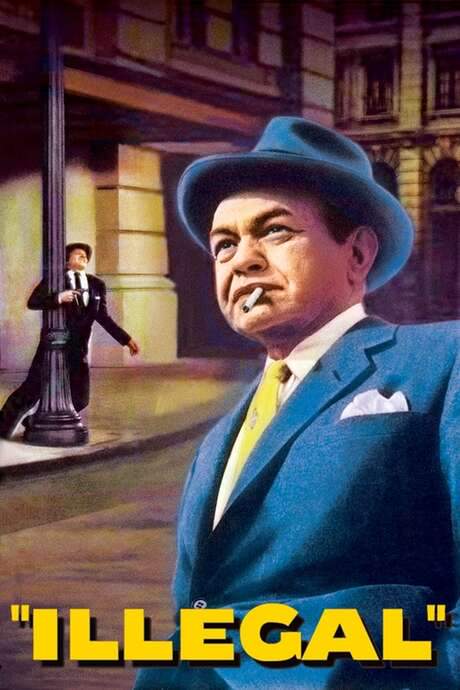
Featured on this page

What's After the Movie?
Not sure whether to stay after the credits? Find out!
Check out our other apps:

SAT Sphere
Build confidence for the Digital SAT.

Mori Atlas
Discover wild places worth protecting.

Luntero
Search smarter for a home in Amsterdam.

Plot Explained
Unravel movie endings and hidden clues.

Pokechamp
Dive into Pokémon data and battle logic.

Driving Theory
Get ready for your European theory test.

Movie Dust
Plan your next cinema trip with ease.

Musemap
Find art and culture as you travel.

Selkobase
Compare credentials before committing.

Local Manual
Turn an unfamiliar country into practical next steps.

Lernavi
Compare school systems before your next move.

GymRoam
Find a workout stop wherever your plans take you.
Explore Our Movie Platform
New Movie Releases (2026)
Famous Movie Actors
Top Film Production Studios
Movie Plot Summaries & Endings
Major Movie Awards & Winners
Best Concert Films & Music Documentaries
Movie Collections and Curated Lists
© 2026 What's After the Movie. All rights reserved.
Privacy Policy