



Where to Watch The Pentagon Wars
See current US streaming, rental, and purchase options for The Pentagon Wars (1998) via JustWatch.







The Pentagon Wars Plot Summary
Read the complete plot summary and ending explained for The Pentagon Wars (1998). From turning points to emotional moments, uncover what really happened and why it matters.
The project to develop the Bradley Fighting Vehicle faced significant hurdles, having been stalled for over seventeen years and costing around $14 billion. At the helm was Major General Partridge, who was responsible for overseeing the ongoing development. To prevent further unnecessary Pentagon spending, the U.S. Congress appointed Lieutenant Colonel James Burton, from the Air Force, to monitor and assess the progress of the vehicle’s development and testing phases.
As Burton begins his investigation, he uncovers a long and complicated history dating back to the 1960s, initially under the leadership of Colonel Robert L. Smith. Smith quickly grows frustrated with the constant design changes imposed by higher authorities, which eventually transform the Bradley from its original concept as a lightweight troop carrier into a larger, tank-like vehicle. This new design, however, significantly compromises its capacity, allowing it to carry only about half of what was initially intended, raising concerns about its practicality and effectiveness.
Throughout his investigation, Burton encounters alarming discrepancies in the testing procedures. It becomes evident that subpar weaponry—specifically, rocket-propelled grenades—were used during tests, and important live-fire exercises were deliberately manipulated. These manipulations seem to be orchestrated by Colonel Bock and Major Sayers, close associates of Partridge, who appear more interested in showcasing the vehicle’s strength than conducting honest assessments. Burton is later given confidential information by Colonel Smith, but only under the condition of maintaining his anonymity.
Furthermore, Burton learns from Master Sergeant Dalton, who was responsible for overseeing the live fire exercises, that he was regularly ordered to falsify test results. Dalton admits that officers with integrity, like Burton, often feel compelled to give in to the pressure to ensure career advancement, despite knowing the truth. Burton’s persistent push for honest testing leads to his reassignment to a base in Alaska, but a leaked secret by Smith prompts the Defense Secretary Weinberger to demand a comprehensive report on the Bradley.
Seizing the opportunity, Partridge cancels Burton’s transfer and instructs him to prepare the report with the intention of revising it later. However, Burton, adhering strictly to protocol, writes a detailed and honest account, highlighting the modifications made by Partridge’s orders. This report ends up being leaked to the press and causes a ruckus during a televised hearing before the House Armed Services Committee.
During the hearing, Partridge is publicly humiliated as Burton’s evidence exposes the flaws and manipulations associated with the Bradley’s development. The Committee Chairwoman intervenes, insisting that the vehicle undergo the true, unaltered tests. The night before the scheduled test, Burton visits the soldiers involved, reminding them of their duty to perform honestly, despite any directives from Partridge that might suggest otherwise.
On the day of the test, Partridge delivers a speech praising the Bradley’s supposed power and excellence. However, things take a dramatic turn when, during the live-fire exercise, the vehicle is completely destroyed—evidence that undercuts Partridge’s assurances. The soldiers involved, Dalton and his team, confide in Burton that they had been influenced to manipulate earlier tests but were now swayed by Burton’s sincerity and moral integrity.
In the aftermath, it’s revealed that the Bradley was significantly redesigned—changes that ultimately led to fewer casualties during its deployment in the Gulf War. Many of the officials involved in its initial development received lucrative promotions and jobs, while Burton was forced to retire due to the controversies and conflicts of interest.
This story highlights issues of integrity, political pressure, and the importance of honest engineering in military development, illustrating a battle not just on the testing grounds, but within the corridors of power as well.
The Pentagon Wars Timeline
Follow the complete movie timeline of The Pentagon Wars (1998) with every major event in chronological order. Great for understanding complex plots and story progression.
Development of the Bradley Fighting Vehicle begins
The Bradley Fighting Vehicle project has been stalled for seventeen years with a development cost of $14 billion, overseen by Major General Partridge. The development started with the aim of creating a light troop carrier but faced numerous delays and changes over the years. Congress appoints Lieutenant Colonel James Burton to oversee and evaluate its progress amidst concerns over Pentagon spending.
Original design supervision by Colonel Robert L. Smith
In the early stages of development, Colonel Robert L. Smith supervises the design of the Bradley. He quickly becomes frustrated due to constant design changes mandated by higher authorities, which significantly alter the vehicle’s original purpose.
Role of the Bradley is drastically changed
The vehicle's function is changed from a light troop carrier to a bulkier, tank-like vehicle, reducing its capacity to half of its original design. This transformation reflects ongoing delays and shifting priorities within the project.
Introduction of test discrepancies and manipulation
Lieutenant Colonel Burton uncovers issues in the testing process, including the use of inferior weapons and deliberate manipulation of live fire test results by Colonel Bock and Major Sayers, which compromises the integrity of the vehicle’s evaluation.
Confidential information from Colonel Smith
Burton receives secret information from Colonel Smith indicating corruption and issues within the testing process, but he is required to remain anonymous to protect himself while investigating further.
Realization of systemic corruption
Master Sergeant Dalton reveals that officers are routinely ordered to manipulate test results to favor the vehicle’s performance, showing a widespread culture of corruption to attain promotions and benefit the Pentagon's interests.
Burton is reassigned but leaks and pressure mount
After insisting on honest testing, Burton is reassigned to Alaska. Nonetheless, an anonymous leak prompts the Defense Secretary to demand a comprehensive report on the Bradley, forcing Partridge to reconsider Burton’s role.
Burton writes a critical report
Burton submits a detailed report exposing the manipulation and flaws in the Bradley's testing process, including a memorandum about the changes made under orders from Partridge. This document is leaked to the press and leads to congressional hearings.
Public hearing and exposure
During a House Armed Services Committee hearing, Burton’s testimony and evidence humiliate Partridge, who had previously boasted about the vehicle’s capabilities. The committee orders fresh tests to be conducted honestly.
The test day confrontation
Burton visits the soldiers before the scheduled live fire test, reminding them of their duty to perform honestly despite orders to manipulate the test. The vehicle is subjected to live fire, resulting in its total destruction, exposing the flaws publicly.
The humiliating demonstration
Partridge gives a passionate speech claiming the Bradley is powerful and excellent, but it ends in failure as the vehicle is destroyed during the test, humiliating himself and the project team.
Change and redesign of the Bradley
Following the revelations, the Bradley is extensively redesigned based on Burton’s recommendations, which significantly improve its safety and reduce casualties in subsequent conflicts like the Gulf War.
Career consequences and outcomes
While many officers involved in the development receive promotions and high-paying jobs, Burton is forced to retire, reflecting the personal cost of his integrity and efforts in exposing systemic corruption.
The Pentagon Wars Characters
Explore all characters from The Pentagon Wars (1998). Get detailed profiles with their roles, arcs, and key relationships explained.
Major General Partridge
A senior military official responsible for overseeing the Bradley project, he is depicted as driven by cost and politics, often compromising integrity for organizational benefit. His actions reflect the systemic pressures to promote military hardware regardless of its practical flaws.
Lieutenant Colonel James Burton
A principled officer committed to honesty and safety, Burton advocates for truthful testing and transparency. His integrity puts him at odds with bureaucratic interests, making him a symbol of moral courage within a corrupt system.
Colonel Bock
A subordinate to Partridge, Bock is involved in the manipulation of test results, exemplifying complicity in corruption and unethical practices within the military testing process.
The Pentagon Wars Settings
Learn where and when The Pentagon Wars (1998) takes place. Explore the film’s settings, era, and how they shape the narrative.
Time period
1960s - 1980s
The film spans over two decades, focusing on the development period starting from the 1960s through the 1980s. This era was marked by Cold War tensions, rapid technological advancements in military hardware, and extensive government oversight of defense projects, reflecting a time of bureaucratic challenges and military innovation.
Location
Pentagon, military testing grounds
The movie is set primarily within the Pentagon, the heart of US military and defense decision-making, and at military testing grounds where the Bradley Fighting Vehicle undergoes evaluation. These locations are known for their significance in shaping military technology and policy, showcasing the bureaucracy and military testing procedures involved in weapon development.
The Pentagon Wars Themes
Discover the main themes in The Pentagon Wars (1998). Analyze the deeper meanings, emotional layers, and social commentary behind the film.
🛡️
Corruption
The movie highlights corruption within military procurement and testing processes, revealing how personal interests and politics can influence defense projects. It depicts the manipulation of test results and the prioritization of promotion over safety, illustrating systemic ethical issues in military bureaucracy.
⚖️
Integrity
A central theme is the importance of honesty and integrity in military operations and decision-making. Burton's insistence on truthful testing and accountability underscores the moral values necessary for responsible leadership and safeguarding lives of soldiers.
🚧
Bureaucracy
The film showcases the complex, often inflexible military and government bureaucracy that hampers innovation and accountability. It emphasizes how bureaucratic red tape can hinder progress and allow corruption to thrive within large institutions.

Coming soon on iOS and Android
The Plot Explained Mobile App
From blockbusters to hidden gems — dive into movie stories anytime, anywhere. Save your favorites, discover plots faster, and never miss a twist again.
Sign up to be the first to know when we launch. Your email stays private — always.
Explore the mobile appThe Pentagon Wars Spoiler-Free Summary
Discover the spoiler-free summary of The Pentagon Wars (1998). Get a concise overview without any spoilers.
In a wry, documentary‑style portrait of American military ambition, the film follows a seventeen‑year, multi‑billion‑dollar effort to birth the Bradley Fighting Vehicle—a project that has become a punchline for its own grandiose promises. The story is told through a blend of archival footage, dry humor, and sharp narration that lampoons the endless cycle of redesigns, budget inflations, and bureaucratic optimism that defines the endeavor. It sets the stage as a satirical chronicle of a machine meant to be the ultimate combat platform, yet forever teetering between concept and reality.
At the heart of the narrative is James Burton, a lieutenant colonel from the Air Force thrust onto the Pentagon’s doorstep by a wary Congress eager to rein in wasteful spending. Paired with the charismatic yet imperious Major General Partridge, the overseer of the vehicle’s development, Burton becomes the audience’s guide through a labyrinth of military paperwork, high‑stakes meetings, and a culture that celebrates grandiose claims over practical results. The film also nods to the project’s deep roots, recalling the earlier influence of Colonel Robert L. Smith, whose original vision was reshaped by successive layers of authority.
The interplay between Burton’s earnest, procedural mindset and Partridge’s confident, sometimes flamboyant leadership creates a compelling contrast that drives the documentary’s tone. Their uneasy partnership hints at deeper tensions between accountability and institutional inertia, while the surrounding cast of generals, legislators, and engineers adds texture to the picture of a sprawling, almost theatrical, procurement process. Through witty interviews and cleverly staged reenactments, the film invites viewers to consider how ambition, politics, and humor collide in the making of a modern war machine.
All of this unfolds against a backdrop of sprawling Pentagon corridors, congressional hearings, and test ranges that feel both absurd and oddly reverent. The result is a lively, thought‑provoking satire that balances levity with a sincere curiosity about what happens when colossal budgets meet the messy reality of engineering—and how the people caught in the middle navigate the gray zone between duty and dissent.
Movies with Similar Twists and Themes
Uncover films that echo the narrative beats, emotional arcs, or dramatic twists of the one you're exploring. These recommendations are handpicked based on story depth, thematic resonance, and spoiler-worthy moments — perfect for fans who crave more of the same intrigue.
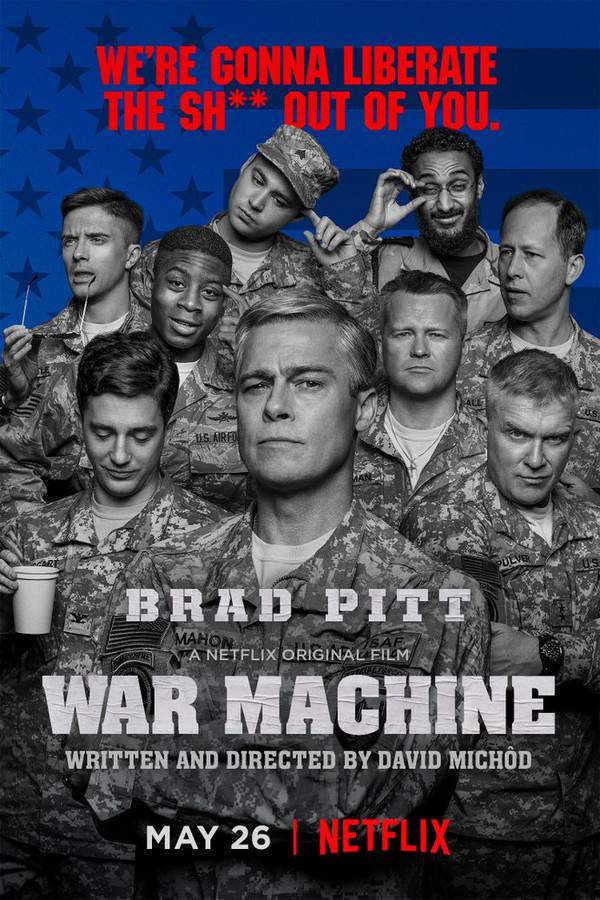

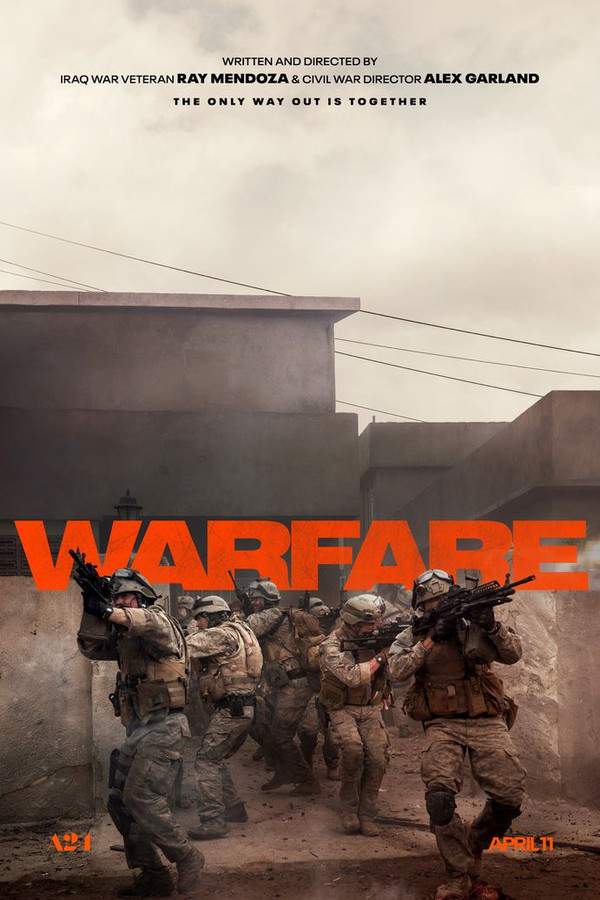

Featured on this page

What's After the Movie?
Not sure whether to stay after the credits? Find out!
Check out our other apps:

SAT Sphere
Build confidence for the Digital SAT.

Mori Atlas
Discover wild places worth protecting.

Luntero
Search smarter for a home in Amsterdam.

Plot Explained
Unravel movie endings and hidden clues.

Pokechamp
Dive into Pokémon data and battle logic.

Driving Theory
Get ready for your European theory test.

Movie Dust
Plan your next cinema trip with ease.

Musemap
Find art and culture as you travel.

Selkobase
Compare credentials before committing.

Local Manual
Turn an unfamiliar country into practical next steps.

Lernavi
Compare school systems before your next move.

GymRoam
Find a workout stop wherever your plans take you.
Explore Our Movie Platform
New Movie Releases (2026)
Famous Movie Actors
Top Film Production Studios
Movie Plot Summaries & Endings
Major Movie Awards & Winners
Best Concert Films & Music Documentaries
Movie Collections and Curated Lists
© 2026 What's After the Movie. All rights reserved.
Privacy Policy