What Is The Night We Called It a Day About?
The premise of The Night We Called It a Day in 323 words, with nothing given away. The full story follows below.
In sun‑splashed 1970s Sydney, a restless promoter with a surfer’s edge dreams of shaking the cultural status quo. Rod Blue is constantly chasing a bigger idea, staging local rock shows while scheming about a single, game‑changing invitation that could thrust his scene onto the world stage. The notion of luring a legendary voice from across the Pacific becomes his obsession, setting the tone for a story that balances ambition with the glitter of show‑business swagger.
Enter the iconic crooner whose very name conjures a bygone era of glitz and gravitas. Frank Sinatra arrives with a polished entourage, including his sharp‑tongued lawyer Mickey Rudin and loyal confidant Jilly Rizzo, and his partner, the poised Barbara Marx. Their presence turns the Australian media circuit into a buzzing hive of curiosity and expectation, where every off‑hand remark feels amplified and every photograph seems to capture a moment of history in the making. The tone is equal parts reverent admiration and underlying tension, as the star’s larger‑than‑life persona meets a country eager to claim a slice of his legend.
The arrival of such a towering figure inevitably draws the scrutiny of a press corps that thrives on probing questions. Among them, the determined journalist Hilary Hunter is ready to test the limits of celebrity composure, while Rod’s own assistant, the savvy Audrey Appleby, works behind the scenes to smooth the inevitable frictions. The cultural stakes rise further as labor unions, ever watchful of power imbalances, begin to sense the ripple effects of the tour’s glittering promise, hinting at a clash between artistic celebration and everyday realities.
Against this backdrop of bright lights, booming applause, and undercurrents of dissent, the film paints a vivid portrait of fame’s fragile balance. It invites viewers to wonder how a single invitation can ignite both adulation and controversy, and what the cost might be for those daring enough to chase a dream that blurs the line between personal ambition and public spectacle.
What Happens in The Night We Called It a Day?
The complete story of The Night We Called It a Day, from the first scene to the last, in 840 words (about 4 minutes). Spoilers throughout.
Spoilers ahead
In 1974, Rod Blue, [Joel Edgerton], a sun-bleached surfer from Sydney who also stages rock concerts, is constantly chasing a bigger idea to shake up his career. He decides to fly to Los Angeles, polish his look, and try to persuade the legendary Frank Sinatra [Dennis Hopper] to come to Australia and sing. The plan hinges on a belief that a single, well-timed invitation could spark a cultural moment Down Under and propel his own scene onto the world stage.
Sinatra hears Rod out and, moved by the young man’s passion and the reasons behind his audacious pitch, starts to warm to the notion. With the solid backing of his lawyer Mickey Rudin [David Hemmings] and his loyal associate Jilly Rizzo [Stephen O’Rourke], Sinatra agrees to entertain the possibility of a tour, sensing that this could be good for his own legacy as well as for the Australian audience waiting to hear him live. The meeting shifts the mood from curiosity to a shared anticipation, even as questions about risk and image creep in.
When they land in Australia, the welcome is bright and tense at once. A swarm of press swarms the private jet as Sinatra and his companion Barbara Marx [Melanie Griffith] step onto the tarmac, and the reporters push blunt questions that test the singer’s patience. Among the sharpest is Hilary Hunter [Portia de Rossi], a persistent and blunt journalist who wields the kind of probing glare that makes public figures squirm. Rod brings in a new aide, Audrey Appleby [Rose Byrne], a savvy assistant who has long carried a soft spot for Sinatra and who now helps to ease the star into his Australian world. Barbara, who exudes a knowing warmth, quickly befriends Audrey and offers Sinatra a portrait of life beyond the glare of the spotlight, praising him as a rare romantic ideal while steering him away from forcing marriage too soon.
Before the tour kicks off in Melbourne, Rod urges Sinatra to steer clear of sensitive topics with the press, hoping to protect the optics of a flawless Australian entry. Sinatra, true to his unpredictable style, ignores the caution and blasts back at the airport reporter, branding her a “two-dollar whore” in a moment of sharp, improvisational heat. The row spills into the restaurant scene, where Sinatra’s preferences clash with Barbara’s insistence on a certain culinary experience, leaving Mitchell-style frictions in their wake and testing both the chef’s patience and Sinatra’s temper.
Trade unions quickly take notice, and they respond by shutting down essential services—food, drink, and even maid service—at Sinatra’s hotel, a move that complicates the tour logistics and tugs at the singer’s public image. Newspapers latch onto the spectacle with mocking headlines like “Frankie, Go Home,” while even the basic fuel for his jet becomes a contested commodity, underscoring how quickly a glamourous plan can be upended by labor and public sentiment.
As tensions rise, Rudin negotiates behind the scenes with Bob Hawke [David Field], the union leader who will later become a central figure in Australian politics. The negotiations hint at a possible compromise, but the personal tensions simmer just beneath the surface. Audrey’s own loyalties are tested when she discovers Rod kissing Hilary Hunter, and a heated confrontation with Rizzo [Jilly Rizzo’s ally on the team] erupts as Rod fights to salvage his pre-sold concert tapes and the fragile balance of the project.
The plan eventually pivots toward a benefit concert that would appease the workers while keeping Sinatra’s image intact. Yet, when Sinatra returns to the stage, he refuses to apologize for the earlier insult, delivering a cool, defiant line that reframes the moment as part of his own stubborn, unapologetic persona. The mood in the venue shifts, but Sinatra still finds a moment of connection as he brings Barbara up on stage, introducing her to the Australian crowd as “the girl I’m going to marry,” a move that seals the most intimate stake of the story amid the public spectacle.
What unfolds is a layered look at how fame, labor, media scrutiny, and personal desire collide in a high-stakes cultural moment. The trip becomes less about a simple concert and more about how a global icon negotiates his legacy, how a young promoter learns to navigate power and pride, and how love and loyalty thread through a landscape of loud opinions and relentless attention. The narrative balances glittering show business with everyday tensions—contracts, press rooms, hotel corridors, and the glossy fantasy of a world where a single invitation can change everything. It’s a portrait of ambition and compromise, played out against the bright lights of a country hungry for a legend, and it leaves audiences with a provocative question about what a star owes to his audience, his collaborators, and the life he might choose to lead.
I overpaid.
In the end, the sequence of events underscores how a bold, high-stakes leap can illuminate both the magic and the cost of chasing a dream, while leaving room for the quieter, private promises that shine when the spotlight dims.
The Night We Called It a Day Timeline: Every Key Event in Order
14 key events in the order they happen, from “Rod Blue pitches Sinatra plan” to “Ambition and compromise define the trip”. 14 events name a place, across 10 locations.
- 1
Rod Blue pitches Sinatra plan
Rod Blue, a sun-bleached Sydney promoter and surfer, decides to push a bold idea: invite Frank Sinatra to Australia and create a cultural moment. He resolves to fly to Los Angeles to pitch the dream and polish his look for the bid. The goal is to put Australia on the world map through a single, well-timed invitation.
When:1974 Where:Sydney
- 2
Pitch delivered in Los Angeles
Rod meets Sinatra and pitches the audacious plan to bring him to Australia. Sinatra is moved by Rod's passion and agrees to consider the possibility of a tour with the support of his lawyer and associate. The meeting marks the shift from ambition to potential collaboration.
When:1974 Where:Los Angeles
- 3
Sinatra agrees to explore a tour
With the backing of Mickey Rudin and Jilly Rizzo, Sinatra warms to the notion of entertaining the idea of a tour. The late-night conversations set expectations for a high-stakes cultural moment Down Under. Rod's dream begins to feel tangible as Sinatra weighs logistics and image implications.
When:1974 Where:Los Angeles
- 4
Welcome in Australia and media swarm
Sinatra and Barbara Marx land in Australia to a reception that is bright yet tense. A flood of press surrounds the private jet, testing Sinatra's patience and signaling the pressure of public interest. Rod's promotional dream collides with intense media scrutiny from the outset.
When:1974 Where:Australia (tarmac)
- 5
Audrey Appleby joins as new aide
Rod introduces Audrey Appleby as a savvy aide who has long helped Sinatra on the road. Audrey's presence is meant to ease the star into the Australian world and steady the operation. A professional bond begins to form between Audrey, the team, and Sinatra.
When:1974 Where:Australia
- 6
Barbara befriends Audrey and frames Sinatra's private life
Barbara Marx quickly befriends Audrey and frames Sinatra as a romantic ideal, while steering him away from forcing marriage too soon. The friendship adds warmth to the entourage but complicates loyalties behind the scenes. The stage is set for tensions between private life and public image.
When:1974 Where:Australia
- 7
Rod warns Sinatra about press questions; Sinatra snaps
Before the tour kicks off, Rod advises Sinatra to dodge sensitive topics to protect the Australian entry. Sinatra ignores the caution and confronts an airport reporter with a blistering line, calling her a 'two-dollar whore.' The incident spills into the restaurant, highlighting clashes over taste, temper, and control.
When:1974 Where:Melbourne Airport / restaurant
- 8
Union action disrupts hotel services
Labor unions strike against the tour, shutting down food, drink, and maid service at Sinatra's hotel. The disruption threatens logistics, glamor, and the schedule, forcing the team to improvise under public pressure. Mocking headlines about Sinatra amplify the risk to the plan.
When:1974 Where:Sinatra's hotel, Australia
- 9
Rudin negotiates with Bob Hawke
Rudin works behind the scenes with Bob Hawke to broker a possible compromise with the unions. The negotiations hint at a path to salvage the tour while protecting Sinatra's image. Tensions simmer as both sides weigh concessions and public perception.
When:1974 Where:Hotel/Negotiation room
- 10
Audrey exposes Rod's kiss with Hilary Hunter
Audrey discovers Rod kissing journalist Hilary Hunter, pulling loyalties into question and complicating the concert plan. A heated confrontation with Jilly Rizzo's ally erupts as Rod fights to salvage the project. Personal scandal threatens to derail the venture.
When:1974 Where:Hotel/press area
Show the other 4 events of The Night We Called It a Day Hide the last 4 events
- 11
Plan pivots to a benefit concert
Faced with labor tensions and reputational risk, the team pivots to a benefit concert designed to appease workers while preserving Sinatra's image. The shift reframes the trip from a simple show to a high-stakes negotiation for legitimacy and charity. The audience becomes a battleground for fame, fairness, and public relations.
When:1974 Where:Australia
- 12
Sinatra returns to the stage; refuses apology
Sinatra returns to the stage and refuses to apologize for the earlier insult, framing it as a facet of his stubborn, unapologetic persona. The performance carries an edge of defiance that reshapes the crowd's mood. The moment solidifies the clash between personal pride and public expectation.
When:1974 Where:Concert venue, Australia
- 13
Barbara introduced as the future wife on stage
In a personal pivot amid the spectacle, Sinatra brings Barbara onstage and introduces her to the Australian crowd as 'the girl I’m going to marry.' The gesture ties his private life to the performance and brands the romance as a central element of the narrative. The moment fuses romance, celebrity, and media fascination.
When:1974 Where:Concert venue
- 14
Ambition and compromise define the trip
The journey becomes a layered portrait of fame, labor, media scrutiny, and personal desire colliding in a high-stakes cultural moment. Rod learns to navigate power and pride, while Sinatra negotiates legacy as much as setlists. The trip ends with questions about what a star owes to audiences, collaborators, and the life he chooses.
When:1974 Where:Australia
Who Are the Main Characters in The Night We Called It a Day?
8 characters, among them Rod Blue (Joel Edgerton), Frank Sinatra (Dennis Hopper) and Barbara Marx (Melanie Griffith): who each one is and the part they play in the story. Every profile links to the actor’s page.
-
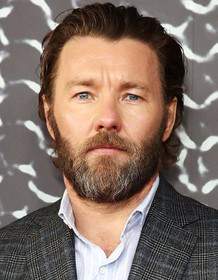
Rod Blue (Joel Edgerton)
Played by Joel Edgerton
An ambitious sun-bleached promoter from Sydney who stages rock concerts and dreams of a world-stage breakthrough. Rod is relentlessly optimistic and improvisational, betting a single invitation could spark a cultural moment Down Under. His pursuit of success tests his loyalties when he kisses Hilary Hunter and charms Audrey Appleby, complicating relationships within Sinatra’s circle.
- 🎬 Promoter
- 🌊 Surf culture
- 💡 Ambition
-
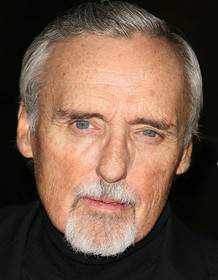
Frank Sinatra (Dennis Hopper)
Played by Dennis Hopper
A legendary singer with a wry, unpredictable temperament who weighs a provocative pitch against the risk to his legacy. He warms to the Australia plan but remains wary of public missteps, often delivering sharp quips that reveal both charm and defiance. His decisions are tested by media pressure, concert logistics, and the pull of personal loyalties.
- 🎤 Icon
- 🎭 Celebrity
-

Barbara Marx (Melanie Griffith)
Played by Melanie Griffith
Sinatra’s companion who offers warmth and a grounded counterpoint to the star’s volatile temperament. She quickly befriends Audrey and helps shape the tenor of the encounter, portraying Sinatra as not just a performer but a man capable of tenderness and complexity. Barbara’s perspective anchors the narrative’s emotional center.
- 🎬 Support
- 💖 Romance
- JR
Jilly Rizzo (Stephen O'Rourke)
Played by Stephen O'Rourke
A loyal, quick-witted aide who keeps tour logistics running and preserves Sinatra’s image in high‑pressure moments. He navigates conflicts within Sinatra’s inner circle with humor and steadiness, balancing Rod’s ambition with the singer’s needs. Jilly’s pragmatism under pressure helps anchor the plan.
- 🎯 Loyalty
- 🧭 Logistics
-

Mickey Rudin (David Hemmings)
Played by David Hemmings
Sinatra’s shrewd lawyer and adviser who steers behind-the-scenes negotiations. He harmonizes legal risk with public relations strategy, juggling union demands and management interests to protect Sinatra’s legacy while pursuing the tour. His steadiness and tactical mind shape the deal’s outcome.
- 🎩 Legal
- ⚖️ Strategy
-

Audrey Appleby (Rose Byrne)
Played by Rose Byrne
Sinatra’s savvy assistant with a soft spot for the singer, who helps ease him into Australia and manages delicate relationships on the tour. She becomes a stabilizing force within Sinatra’s circle and is challenged when she discovers Rod kissing Hilary Hunter. Her loyalty is put to the test as plans unfold.
- 💼 Assistant
- 💖 Loyalty
- HH
Hilary Hunter (Portia de Rossi)
Played by Portia de Rossi
A persistent, blunt journalist whose probing questions test Sinatra’s temperament and the tour’s optics. Her presence intensifies the press spotlight and pushes Rod toward difficult choices about what to reveal. Hilary embodies the media’s power to shape public perception.
- 🗞️ Journalist
- 🎯 Probing
- BH
Bob Hawke (David Field)
Played by David Field
The union leader who negotiates with Rudin, anchoring the plot in a broader labor context. His presence creates real leverage over tour logistics and public sentiment, forcing concessions that influence both the schedule and the star’s image. The political and economic dimensions of the tour come into sharper focus through his actions.
- ⚖️ Union
- 🤝 Negotiation
Where and When Is The Night We Called It a Day Set?
The Night We Called It a Day is set in Los Angeles, Sydney, Melbourne and Australia (1974). Here is why the time and place matter to the story.
When
1974
Set in 1974, the film captures a moment when a legendary artist could redefine a nation’s cultural moment. It portrays a media landscape and labor climate that heighten the stakes of touring plans. The narrative uses this period to explore how fame and commerce intersect on an international stage.
Where
Los Angeles, Sydney, Melbourne, Australia
Los Angeles is the epicenter of Sinatra’s management and the glamorous music industry orbit. Sydney marks the origin of Rod Blue’s bold dream and the sun-drenched promoter energy that fuels the plan. Melbourne serves as the tour’s kickoff and testing ground, while Australia becomes the arena where labor tensions and press scrutiny shape the star’s potential comeback.
- 🎬 Hollywood
- 🗺️ Global tour
- 🏙️ City life
What Are the Themes of The Night We Called It a Day?
3 ideas the story keeps returning to, among them Fame & Image, Labor & Power and Media & Legacy.
-
01
Fame & Image
The film examines how celebrity persona must endure constant media scrutiny and the risk of reputational damage. Rod pushes for a cultural moment, betting that a single invitation could redefine his scene, while Sinatra weighs the costs and benefits of a comeback. The dynamic between the singer’s public image and the promoter’s ambitions drives the emotional core of the story.
-
02
Labor & Power
Labor unions exert real leverage as they disrupt services and test the boundaries of management and artistry. Negotiations with Bob Hawke anchor the plot in a broader political economy of touring, where concessions and image are traded for access. The outcome—whether a benefit concert can satisfy workers while preserving the star’s persona—shapes the film’s central tension.
-
03
Media & Legacy
Press scrutiny probes the tension between Sinatra’s charm and stubbornness, testing how reporters shape public perception. Hilary Hunter's blunt questions push Sinatra’s responses and Rod’s plans into the spotlight, forcing tough choices about what to reveal. The narrative uses media turbulence to question what a lasting legacy means for a legend.
What Kind of Film Is The Night We Called It a Day?
Tense in tone, with steady pacing and a moderate story, going by the plot summary.
- Tone
- Tense
- Pacing
- Steady
- Story
- Moderate
- Intensity
- Medium
- Ending
- Mixed
A steadily tense drama about ambition and pride, this film captures the anxious spectacle of a celebrity tour derailed by media scandal and union pressure, ending with a mixed feeling of personal victory amid professional disappointment.
- tense
- defiant
- disappointing
- anxious
- ambitious
- romantic
- fame and legacy
- media scrutiny
- labor disputes
- personal ambition
Content notes: racial slur.
Quiz
How well do you remember The Night We Called It a Day? Test yourself on the story.