The Night We Called It a Day 2003


A small‑time journalist stumbles onto a major story when Frank Sinatra’s Australian tour erupts in controversy. After the singer insults a local reporter as a “two‑bit hooker,” unions across the country black‑ban him, prompting Sinatra to issue a public apology.


Does The Night We Called It a Day have end credit scenes?
No!
The Night We Called It a Day does not have end credit scenes. You can leave when the credits roll.
Meet the Full Cast and Actors of The Night We Called It a Day
Explore the complete cast of The Night We Called It a Day, including both lead and supporting actors. Learn who plays each character, discover their past roles and achievements, and find out what makes this ensemble cast stand out in the world of film and television.

David Hemmings
Mickey Rudin
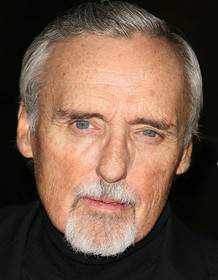
Dennis Hopper
Frank Sinatra

Melanie Griffith
Barbara Marx

Joel Edgerton
Rod Blue

Rose Byrne
Audrey Appleby

Nicholas Hope
Phil
Sean Lynch
Palm Man #2
David Field
Bob Hawke
Tony Barry
Ralph Blue

Stephen Curry
Ferret
Vincent Ball
Rex Hooper
Jeffrey Rowe
Reporter (uncredited)
Tom Burlinson
Frank Sinatra (singing voice)
Keith Robinson
Mr. Fiddler
Portia de Rossi
Hilary Hunter
Andrew Johnston
Goran
Richard Williams
Billy Thorpe
Paul McDermott
Band Manager
Victoria Thaine
Penny
Michelle Collins
Mrs. Appleby
Gary Eck
Shorty
Max Fairchild
Kerry Packer
Peter Callan
Mechanic
Tony Harvey
Jim North
Jennifer Hagan
Doris
Peter Demlakian
Ruby
George Vidalis
Vinny
Marcia Hines
Manicurist
Lena Cruz
Margarita
Nicholas Papademetriou
Luigi
Hamish McDonald
Art Dealer
Stephen O'Rourke
Jilly Rizzo
Paul Nicholson
The Aztecs
Richard Warne
The Aztecs
Brett Cresswell
The Aztecs
Jon Holliday
The Aztecs
Simon Bull
Mr. Ed
Stephen Holt
Palm Man #1
John Simeon
Sammy Davis Jr.
Alex Babic
Hal
James McCluskey-Garcia
Jim
Nathaniel Links
Photographer (as Nathanuel Links)
Mark McCann
Reporter #1
Andrew Blaxland
Reporter #2
George Brodbeck
Band Conductor
Tony Young
Union Man
Gemma Byrne
Penny's Baby
External Links and Streaming Options
Discover where to watch The Night We Called It a Day online, including streaming platforms, rental options, and official sources. Compare reviews, ratings, and in-depth movie information across sites like IMDb, TMDb, Wikipedia or Rotten Tomatoes.






Take the Ultimate The Night We Called It a Day Movie Quiz
Challenge your knowledge of The Night We Called It a Day with this fun and interactive movie quiz. Test yourself on key plot points, iconic characters, hidden details, and memorable moments to see how well you really know the film.
The Night We Called It a Day – 2003 Film Quiz: Challenge your knowledge of the 2003 Australian film "The Night We Called It a Day" with these ten mixed‑difficulty questions.
What is the name of the surfer who tries to bring Frank Sinatra to Australia?
Full Plot Summary and Ending Explained for The Night We Called It a Day
Read the complete plot summary of The Night We Called It a Day, including all major events, twists, and the full ending explained in detail. Explore key characters, themes, hidden meanings, and everything you need to understand the story from beginning to end.
In 1974, Rod Blue, [Joel Edgerton], a sun-bleached surfer from Sydney who also stages rock concerts, is constantly chasing a bigger idea to shake up his career. He decides to fly to Los Angeles, polish his look, and try to persuade the legendary Frank Sinatra [Dennis Hopper] to come to Australia and sing. The plan hinges on a belief that a single, well-timed invitation could spark a cultural moment Down Under and propel his own scene onto the world stage.
Sinatra hears Rod out and, moved by the young man’s passion and the reasons behind his audacious pitch, starts to warm to the notion. With the solid backing of his lawyer Mickey Rudin [David Hemmings] and his loyal associate Jilly Rizzo [Stephen O’Rourke], Sinatra agrees to entertain the possibility of a tour, sensing that this could be good for his own legacy as well as for the Australian audience waiting to hear him live. The meeting shifts the mood from curiosity to a shared anticipation, even as questions about risk and image creep in.
When they land in Australia, the welcome is bright and tense at once. A swarm of press swarms the private jet as Sinatra and his companion Barbara Marx [Melanie Griffith] step onto the tarmac, and the reporters push blunt questions that test the singer’s patience. Among the sharpest is Hilary Hunter [Portia de Rossi], a persistent and blunt journalist who wields the kind of probing glare that makes public figures squirm. Rod brings in a new aide, Audrey Appleby [Rose Byrne], a savvy assistant who has long carried a soft spot for Sinatra and who now helps to ease the star into his Australian world. Barbara, who exudes a knowing warmth, quickly befriends Audrey and offers Sinatra a portrait of life beyond the glare of the spotlight, praising him as a rare romantic ideal while steering him away from forcing marriage too soon.
Before the tour kicks off in Melbourne, Rod urges Sinatra to steer clear of sensitive topics with the press, hoping to protect the optics of a flawless Australian entry. Sinatra, true to his unpredictable style, ignores the caution and blasts back at the airport reporter, branding her a “two-dollar whore” in a moment of sharp, improvisational heat. The row spills into the restaurant scene, where Sinatra’s preferences clash with Barbara’s insistence on a certain culinary experience, leaving Mitchell-style frictions in their wake and testing both the chef’s patience and Sinatra’s temper.
Trade unions quickly take notice, and they respond by shutting down essential services—food, drink, and even maid service—at Sinatra’s hotel, a move that complicates the tour logistics and tugs at the singer’s public image. Newspapers latch onto the spectacle with mocking headlines like “Frankie, Go Home,” while even the basic fuel for his jet becomes a contested commodity, underscoring how quickly a glamourous plan can be upended by labor and public sentiment.
As tensions rise, Rudin negotiates behind the scenes with Bob Hawke [David Field], the union leader who will later become a central figure in Australian politics. The negotiations hint at a possible compromise, but the personal tensions simmer just beneath the surface. Audrey’s own loyalties are tested when she discovers Rod kissing Hilary Hunter, and a heated confrontation with Rizzo [Jilly Rizzo’s ally on the team] erupts as Rod fights to salvage his pre-sold concert tapes and the fragile balance of the project.
The plan eventually pivots toward a benefit concert that would appease the workers while keeping Sinatra’s image intact. Yet, when Sinatra returns to the stage, he refuses to apologize for the earlier insult, delivering a cool, defiant line that reframes the moment as part of his own stubborn, unapologetic persona. The mood in the venue shifts, but Sinatra still finds a moment of connection as he brings Barbara up on stage, introducing her to the Australian crowd as “the girl I’m going to marry,” a move that seals the most intimate stake of the story amid the public spectacle.
What unfolds is a layered look at how fame, labor, media scrutiny, and personal desire collide in a high-stakes cultural moment. The trip becomes less about a simple concert and more about how a global icon negotiates his legacy, how a young promoter learns to navigate power and pride, and how love and loyalty thread through a landscape of loud opinions and relentless attention. The narrative balances glittering show business with everyday tensions—contracts, press rooms, hotel corridors, and the glossy fantasy of a world where a single invitation can change everything. It’s a portrait of ambition and compromise, played out against the bright lights of a country hungry for a legend, and it leaves audiences with a provocative question about what a star owes to his audience, his collaborators, and the life he might choose to lead.
I overpaid.
In the end, the sequence of events underscores how a bold, high-stakes leap can illuminate both the magic and the cost of chasing a dream, while leaving room for the quieter, private promises that shine when the spotlight dims.

Coming soon on iOS and Android
The Plot Explained Mobile App
From blockbusters to hidden gems — dive into movie stories anytime, anywhere. Save your favorites, discover plots faster, and never miss a twist again.
Sign up to be the first to know when we launch. Your email stays private — always.
Explore the mobile appWatch Trailers, Clips & Behind-the-Scenes for The Night We Called It a Day
Watch official trailers, exclusive clips, cast interviews, and behind-the-scenes footage from The Night We Called It a Day. Dive deeper into the making of the film, its standout moments, and key production insights.
The Night We Called It a Day Themes and Keywords
Discover the central themes, ideas, and keywords that define the movie’s story, tone, and message. Analyze the film’s deeper meanings, genre influences, and recurring concepts.
The Night We Called It a Day Other Names and Titles
Explore the various alternative titles, translations, and other names used for The Night We Called It a Day across different regions and languages. Understand how the film is marketed and recognized worldwide.
Similar Movies To The Night We Called It a Day You Should Know About
Browse a curated list of movies similar in genre, tone, characters, or story structure. Discover new titles like the one you're watching, perfect for fans of related plots, vibes, or cinematic styles.




Quick Links: Summary, Cast, Ratings, More

What's After the Movie?
Not sure whether to stay after the credits? Find out!
Check out our other apps:

SAT Sphere
Build confidence for the Digital SAT.

Mori Atlas
Discover wild places worth protecting.

Luntero
Search smarter for a home in Amsterdam.

Plot Explained
Unravel movie endings and hidden clues.

Pokechamp
Dive into Pokémon data and battle logic.

Driving Theory
Get ready for your European theory test.

Movie Dust
Plan your next cinema trip with ease.

Musemap
Find art and culture as you travel.

Selkobase
Compare credentials before committing.

Local Manual
Turn an unfamiliar country into practical next steps.

Lernavi
Compare school systems before your next move.

GymRoam
Find a workout stop wherever your plans take you.
Explore Our Movie Platform
New Movie Releases (2026)
Famous Movie Actors
Top Film Production Studios
Movie Plot Summaries & Endings
Major Movie Awards & Winners
Best Concert Films & Music Documentaries
Movie Collections and Curated Lists
© 2026 What's After the Movie. All rights reserved.
Privacy Policy