
The Nickel Ride 1974

Directed by
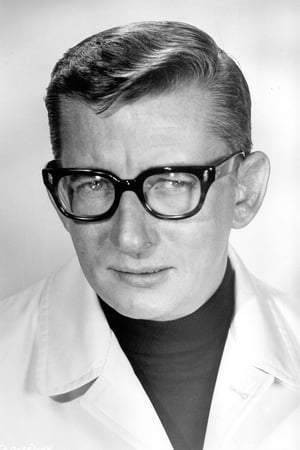
Robert Mulligan
Made by

20th Century Fox
The Nickel Ride Plot Summary
Read the complete plot summary and ending explained for The Nickel Ride (1974). From turning points to emotional moments, uncover what really happened and why it matters.
In Los Angeles, Cooper, Jason Miller, is a “key-man” (fence) for a local crime boss, running a network of warehouses that stash stolen and illicit goods. He hopes to seal a deal for a new block of storage units, bribing local realtor Elias Bart Burns to broker a pact with city officials to transfer the warehouses. Elias tells Cooper that he needs more time, so Cooper gives him a week with an implicit threat should he fail. Carl John Hillerman orders Cooper to fix a boxing match after their resident fixer Paulie Lou Frizzell failed to extract a win. Carl meets with Paulie, who admits he’s lost his touch and wants out of the criminal underworld. Cooper volunteers to take the assignment and informs the boxer Tonozzi Mark Gordon that if he doesn’t take a dive, Paulie will be hurt. Tonozzi reluctantly agrees.
After a surprise birthday party, Cooper is taken by Carl and his bodyguard Bobby Richard Evans to one of the prospective warehouses, where he is ordered to finish the deal by Saturday. Carl introduces Turner Bo Hopkins as his protégé in the underworld. A restless night follows as Paulie arrives with news that Tonozzi won the fight. Desperate to save face, Paulie begs Cooper to help, but Cooper suggests he leave town until he can smooth things over with Carl. Cooper visits Elias at a barbershop to close the warehouse deal, but Elias demands another $15,000 for bribes. Cooper agrees to pay an additional $10,000, yet Elias questions whether Cooper truly has the authority to do so, hinting that Cooper may be on his way out. Cooper then meets Carl and delivers the weekly payoffs, but as he steps into the elevator to leave, Bobby joins him and boasts that he killed Paulie. Enraged, Cooper brutally beats Bobby, breaking two of his ribs.
Hoping to ease the tension, Cooper and Turner drive to Carl’s office, where Turner is now serving as Carl’s driver after Bobby’s hospitalization. Inside, Turner slips away to the bathroom, giving Cooper a chance to slide a gun from Carl’s desk and tuck it under his coat. Turner returns and asks questions about Cooper’s days as a carnival barker, but Cooper stays tight-lipped and heads outside just as Carl arrives. Carl authorizes the extra $10,000 for the warehouse but warns that Cooper better have a definitive answer by Saturday. He also chastises Cooper for the beating of Bobby, reminding him that the syndicate relies on his precision as the “computer” and cannot afford a breakdown.
Seeking a reprieve, Cooper and his girlfriend head to a cabin in the woods to unwind, but Sarah notices wet footprints and discovers the gun is missing from a drawer. After a careful search reveals no intruder, Cooper replaces the locks and buys a shotgun. He phones Elias from a nearby hotel only to learn Elias never checked in. Back at the cabin, Turner arrives again, insisting on a clear warehouse decision, but Cooper deflects, saying he’ll call Carl once he has an answer. Sarah presses for details, but Cooper keeps saying it’s “business.” With no telephone in the cabin, he goes to a bait shop to call Elias’s hotel and learns Elias never arrived. He returns to the cabin and finds Turner waiting; Cooper vows to contact Carl himself once the decision is made and sends Turner away. When Sarah demands transparency, Cooper remains distant, admitting that new players want his job and that without this work he feels worthless. In a moment of rage, he calls her out, but she slaps him, and he responds with a punch, explaining that the world he inhabits now depends on his ability to hold this fragile power.
As the tension thickens, Cooper learns that Elias never checked in and that the warehouse deal has fallen through; Carl already knows and won’t back down. He sends Sarah on a train to Las Vegas, promising to join her later, then confronts Carl in a restaurant and warns that he’ll kill him if the contract isn’t removed from his head. Carl retorts that the mob cannot afford to lose their “key man” and that they will find other warehouses if necessary.
Back at home, Turner ambushes Cooper with a gun. The ensuing struggle leaves Cooper mortally wounded but still dangerous; he manages to brutalize Turner and strangles him to death before collapsing from his injuries. The film ends with Cooper’s exhausted, final breath, a stark reminder of how far the pursuit of power and control can push a person inside a ruthless criminal machine.
The Nickel Ride Timeline
Follow the complete movie timeline of The Nickel Ride (1974) with every major event in chronological order. Great for understanding complex plots and story progression.
Cooper's role and warehouse deal setup
In Los Angeles, Cooper works as a key-man for crime boss Carl, tasked with securing a new block of warehouses. He aims to bribe Elias O'Neil to broker the sale with city officials, with a one-week deadline looming. The stakes are high as Cooper seeks to lock in the deal before Carl's patience runs out.
Carl orders a fix for the boxing match
Carl orders Cooper to fix the boxing match after their fixer Paulie failed. The pressure to deliver a clean outcome mounts as Cooper contemplates how to control Tonozzi and save face with the syndicate. Cooper steps in to handle the dirty job himself.
Cooper arranges Tonozzi to take a dive
Cooper approaches Tonozzi and tells him to take a dive, warning that Paulie will be hurt if he refuses. Tonozzi reluctantly agrees to throw the fight, deepening Cooper's entanglement with the criminal underworld. The plan advances but risks exposure and retaliation.
Birthday party and warehouse session
A surprise birthday party unfolds, after which Cooper is taken to a prospective warehouse with Carl. Turner is introduced as Carl's new protege and the clock starts ticking toward the Saturday deadline. The underworld's pressures tighten around Cooper.
Tonozzi's victory shocks the crew
Paulie arrives to report that Tonozzi won the fight, leaving Cooper's plan exposed to Carl. Paulie begs for Cooper's help to smooth things over, signaling the fragility of loyalties and the danger of failure. The tension escalates as Cooper seeks a way out without breaking the code.
Elias negotiates harsher bribes at the barbershop
Cooper visits Elias at a barbershop to close the warehouse deal, but Elias demands another $15,000 in bribes. Cooper agrees to pay an extra $10,000, while Elias questions whether Cooper even has authority to do so, given rumors that he is on his way out. Negotiations strain Cooper's standing.
Cooper secures turnover and beats up Turner’s rumor
After presenting the weekly payoffs to Carl, Cooper exits the office where Turner has become his driver. Bobby, Carl's enforcer, brags about killing Paulie, prompting Cooper to angrily beat and break two of Bobby's ribs. The violent boundary of success and loyalty is crossed.
Cooper weaponizes leverage against Carl
Turner drives Cooper toward Carl's office, during which Cooper seizes a gun from Carl's desk and hides it under his coat. Turner questions Cooper about his carnival days, but Cooper stays silent, signaling his growing paranoia and willingness to take personal risk.
The cabin retreat and the missing gun
Cooper and his girlfriend Sarah retreat to a cabin to decompress, but paranoia follows. They notice wet footprints and find Cooper's gun missing. Turner arrives, waiting for the warehouse decision, forcing Cooper to delay and keep the 'business' separate from personal life. The couple's trust frays as danger closes in.
Dreamed confrontation and Sarah's peril
Cooper sleeps with Turner looming in a dream where Turner holds a rifle and Sarah is endangered. In the dream, Turner forces Cooper to act; when Sarah appears, the moment ends with Turner grabbing a rifle and firing. The dream foreshadows real danger and destabilizes their relationship.
Elias deal collapses; Cooper sends Sarah away
Upon returning to the city, Cooper learns Elias never arrived and that Carl already knows the warehouse deal has fallen through. He arranges for Sarah to be put on a train to Las Vegas and resolves to confront Carl for dropping the contract, signaling the end of the immediate warehouse plan.
Cooper confronts Carl over the contract
Cooper tracks down Carl at a restaurant and threatens to kill him if he doesn't remove the hit. Carl insists the mob cannot lose their 'key man' and vows to find other warehouses, revealing the immovable nature of power in the syndicate and the impossibility of quitting cleanly.
Turner attacks Cooper at home
Back home, Turner ambushes Cooper with a gun. A brutal struggle ensues, Cooper is shot multiple times, but overpowers and kills Turner by strangulation. He collapses exhausted, dying from his wounds, bringing the cycle of violence to a fatal close.
The Nickel Ride Characters
Explore all characters from The Nickel Ride (1974). Get detailed profiles with their roles, arcs, and key relationships explained.
Cooper (Jason Miller)
Cooper is the syndicate's steady, calculating 'computer' who quietly orchestrates deals, bribes, and threats. He navigates a dangerous web of loyalty, fear, and ambition to preserve his position as the key man. Although he cares for Sarah, he remains ruthless in pursuit of control, revealing his capacity for cold, pragmatic violence. His downfall traces a path of mounting pressure from all sides, showing how far one can be pushed before breaking.
Carl (John Hillerman)
Carl is the mob boss who relies on Cooper to keep the operation running and to seal deals. He demands loyalty and a steady stream of revenue, and he crushes anyone who threatens the syndicate's stability. His control is authoritative and strategic, alternating between charm and menace to enforce obedience. He cannot afford a slip that could topple the criminal machine he commands.
Turner (Bo Hopkins)
Turner is a young, dangerous protege who works as Carl's driver and enforcer. He embodies a volatile mix of loyalty and aggression, pressing forward when orders are unclear and escalating threats when needed. His presence intensifies the threat to Cooper and culminates in a deadly pursuit. He is both a pawn and a potential wildcard within the underworld hierarchy.
Elias (Bart Burns)
Elias is the bribe broker who tests Cooper's authority and demands more money to seal deals. His barbershop setting and barroom conversations reveal the transactional nature of power in the city. He represents the persistent, opportunistic forces that keep the corrupt system afloat. Elias is a practical obstacle rather than a dramatic antagonist, underscoring the corrupt infrastructure of the underworld.
Tonozzi (Mark Gordon)
Tonozzi is the boxer pressured to take a dive for the syndicate. Reluctant yet cooperative, he becomes a symbol of how ordinary men are drawn into criminal schemes. His compliance highlights the coercive leverage of the mob and the personal stakes involved in failing to stay in line. He is a pawn who pays a heavy price for keeping the system intact.
Paulie (Lou Frizzell)
Paulie is the fixer who handles the logistics of the operation but reveals weariness and a wish to exit the criminal life. His admission of losing his touch signals a shift in the power dynamics and foreshadows the tightening grip of younger players. He triggers events that propel Cooper deeper into the feud with Carl.
Bobby (Richard Evans)
Bobby is Carl's brash bodyguard who boasts about killing Paulie, reflecting the cocky bravado of the mob. His confrontation with Cooper leads to a brutal beating and further destabilizes the alliance. He represents the expendable violence that underpins the crime world and meets a violent end as the power structure tightens.
Sarah (Linda Haynes)
Sarah is Cooper's girlfriend whose presence exposes the personal costs of a life in crime. Her suspicions and pleas reveal the strain the underworld places on intimate relationships. She is a casualty of the power struggle, killed during a tense sequence that underscores the film's fatal stakes.
The Nickel Ride Settings
Learn where and when The Nickel Ride (1974) takes place. Explore the film’s settings, era, and how they shape the narrative.
Time period
1970s
The events unfold in the 1970s, a pre-digital era when bribes, threats, and barroom deals still drive power in the city. Deals are negotiated in smoky rooms and on back streets, reflecting a period of bureaucratic cynicism within organized crime. The mood is unmistakably noir, with a slow-burn tension and a sense of impending conflict.
Location
Los Angeles
Los Angeles provides the gritty backdrop for a criminal underworld, with warehouses, barbershops, and dim hotel rooms shaping the story. The city’s sprawling layout mirrors the reach of the syndicate and the complexity of negotiations. Neon nights and concealed deals emphasize a noir vibe where violence hides behind everyday settings.
The Nickel Ride Themes
Discover the main themes in The Nickel Ride (1974). Analyze the deeper meanings, emotional layers, and social commentary behind the film.
🧠
Power
Cooper operates as the syndicate's 'computer', wielding information and calculated moves to maintain control. Loyalty is transactional, guarded by threats and strategic maneuvers. The film shows how ambition and methodical planning can be more influential than brute force in a criminal empire. Power here is sustained by timing and surveillance as much as by violence.
💥
Violence
Violence serves as the currency and enforcement mechanism of the underworld. Cooper's brutal treatment of Bobby and the looming threat over Tonozzi escalate the stakes and cement the hierarchy through fear. The climactic confrontations reveal the fragility of the mob's grip when pressure mounts. The narrative uses brutality to demonstrate how quickly order can unravel.
🌆
Noir
The film oozes urban noir through its settings: barbershops, cabins, and dimly lit offices that hide dangerous deals. Characters speak in coded terms, calling their illegal activities 'business' to mask violence. Moral lines blur as survival and self-interest trump loyalty or humanity. The city itself becomes a character that amplifies paranoia and moral ambiguity.

Coming soon on iOS and Android
The Plot Explained Mobile App
From blockbusters to hidden gems — dive into movie stories anytime, anywhere. Save your favorites, discover plots faster, and never miss a twist again.
Sign up to be the first to know when we launch. Your email stays private — always.
Explore the mobile appThe Nickel Ride Spoiler-Free Summary
Discover the spoiler-free summary of The Nickel Ride (1974). Get a concise overview without any spoilers.
In the shadow‑streaked streets of Los Angeles, a hidden economy moves behind storefronts and warehouses, its rhythm set by quiet calculations rather than flash. The city’s underbelly hums with an uneasy blend of old‑school loyalty and the restless ambition of newer players, casting a perpetual dusk over every deal and meeting. Within this world, Cooper stands as the indispensable “computer” of the operation—a seasoned fixer whose reputation for precision has kept the organization steadier than the city’s shifting tides. Yet the weight of years has left him weary, and the quiet erosion of his authority is felt as an ever‑present undercurrent.
At the top of the hierarchy sits Carl, a crime boss whose own power depends on the flawless execution of his key men. Their relationship is a delicate dance of mutual dependence and thinly veiled tension; respect is seasoned with expectation, and every interaction hints at the fragile balance that holds the syndicate together. Around them swirl younger faces eager to claim their own slice of the empire, each glance a reminder that the old guard’s grip may be slipping faster than they wish to admit.
Sarah, Cooper’s longtime companion, offers a fleeting glimpse of ordinary life—a cabin in the woods, quiet moments that clash with the relentless grind of his profession. Her presence underscores the personal cost of a world that demands absolute focus, and their conversations echo the strain of keeping a double life intact. Meanwhile, Turner, the protégé eager to inherit the mantle, embodies the next wave of ambition, his proximity both a source of reassurance and a quiet alarm that the future may not honor the past.
The film breathes a gritty, noir‑infused atmosphere, its tone thick with tension and an ever‑looming sense of inevitable change. As the city’s neon flickers and the underworld’s gears grind on, Cooper finds himself perched on the edge of a precipice, confronting the question of whether a man built on precision can survive when the very structure he upholds begins to crumble.
Movies with Similar Twists and Themes
Uncover films that echo the narrative beats, emotional arcs, or dramatic twists of the one you're exploring. These recommendations are handpicked based on story depth, thematic resonance, and spoiler-worthy moments — perfect for fans who crave more of the same intrigue.


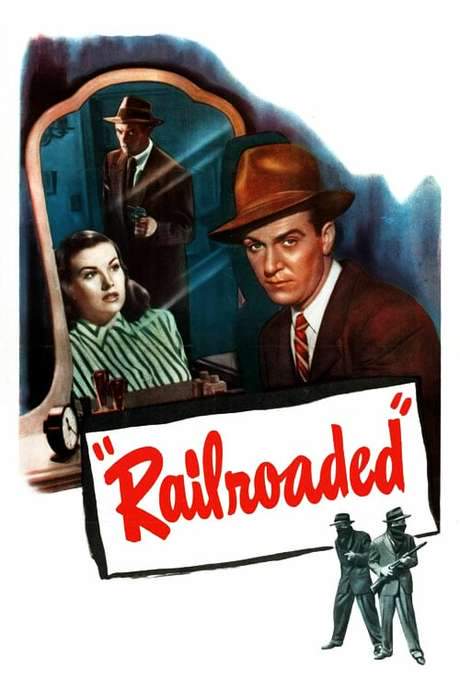

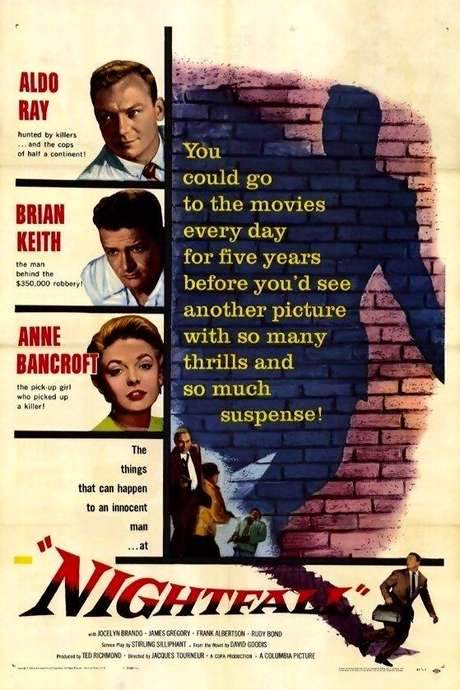
Featured on this page

What's After the Movie?
Not sure whether to stay after the credits? Find out!
Check out our other apps:

SAT Sphere
Build confidence for the Digital SAT.

Mori Atlas
Discover wild places worth protecting.

Luntero
Search smarter for a home in Amsterdam.

Plot Explained
Unravel movie endings and hidden clues.

Pokechamp
Dive into Pokémon data and battle logic.

Driving Theory
Get ready for your European theory test.

Movie Dust
Plan your next cinema trip with ease.

Musemap
Find art and culture as you travel.

Selkobase
Compare credentials before committing.

Local Manual
Turn an unfamiliar country into practical next steps.

Lernavi
Compare school systems before your next move.

GymRoam
Find a workout stop wherever your plans take you.
Explore Our Movie Platform
New Movie Releases (2026)
Famous Movie Actors
Top Film Production Studios
Movie Plot Summaries & Endings
Major Movie Awards & Winners
Best Concert Films & Music Documentaries
Movie Collections and Curated Lists
© 2026 What's After the Movie. All rights reserved.
Privacy Policy