
The New Spirit 1942

Directed by
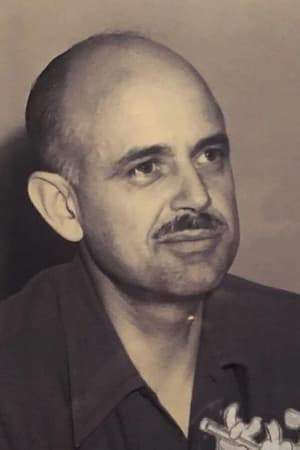
Ben Sharpsteen
Made by

U.S. Department of Treasury
The New Spirit Plot Summary
Read the complete plot summary and ending explained for The New Spirit (1942). From turning points to emotional moments, uncover what really happened and why it matters.
Set during the United States’ entry into World War II, the short opens with Clarence Nash voicing Donald Duck as he dances to a stirring patriotic tune. A radio announcer (voiced by Fred Shields) calls on him to prove his loyalty and asks if he is ready to do his part for the country. Donald, eager and earnest, proclaims his loyalty and begs to know how he can contribute, but his initial excitement cools when the announcer notes that mere words aren’t enough. He explains that taxes and resources are essential to fuel the war effort and support the nation’s troops. Reinvigorated, Donald listens as the announcer makes the case that duty involves practical steps, not just sentiment.
With the help of a talking dip pen, inkwell, blotter, and note pad, the announcer—who remains part of the scene—guides Donald through filling out the simplified Form 1040A, turning a tax task into a clear, step-by-step lesson. After practicing the form, the call to action comes: Donald must mail his payment to the Federal government at once, and he dashes across the nation to Washington, D.C. to deliver it in person. The film then switches to a montage that shows the practical impact of the contributed funds: munitions, combat vehicles, and other wartime necessities that bolster the fight against the Axis powers. The closing image frames the sky in red, white, and blue as the announcer reiterates The Four Freedoms and reminds viewers that taxes are essential for victory and for keeping democracy marching forward.
The New Spirit Timeline
Follow the complete movie timeline of The New Spirit (1942) with every major event in chronological order. Great for understanding complex plots and story progression.
Patriotic opening with Donald Duck
The film opens with Donald Duck dancing to a rousing patriotic tune as the United States enters World War II. His exuberant spirit establishes a home-front mood of civic participation. The sequence frames tax contribution as an early act of national service.
Call to action and initial doubt
A radio announcer calls for a new patriotic commitment and asks Donald to contribute. Donald pledges loyalty with gusto, but his enthusiasm falters when he is told to pay his income tax promptly. The announcer reframes tax payment as a practical necessity for the war effort, rekindling his motivation.
Tax filing tutorial with animated stationery
The announcer is joined by a talking dip pen, inkwell, blotter, and note pad who teach Donald how to fill out Form 1040A. They guide him through the steps and emphasize accuracy in a whimsical, friendly way. The lesson blends humor with civic education, turning a bureaucratic task into an engaging act of service.
Decision to mail payment and begin journey
After the lesson, the announcer urges Donald to mail his payment to the Federal government at once. Donald, energized by the instruction, commits to delivering the payment, choosing to travel to Washington, D.C. in person. This moment marks a shift from filing to actively delivering support.
Across the United States: race to Washington
A lively montage follows as Donald races across the country toward the capital. The sequence highlights the magnitude of the war effort and Donald's determination to contribute. Along the route, viewers glimpse scenes symbolizing support for the home front.
Arrival in Washington, D.C.
Donald reaches the nation’s capital to present the tax payment in person. The scene portrays him as an active participant in the war effort and a model citizen. Supporters and officials react with humor and patriotism as he completes the mission.
Montage of wartime needs funded by taxes
The film cuts to a montage illustrating wartime necessities funded by tax revenue, including munitions and combat vehicles. The imagery links financial contributions to tangible defense capabilities. The message reinforces that paying taxes directly supports victory.
Final patriotic image and Four Freedoms
The closing image shows a sky lined with red, white and blue, underscoring unity and victory. The announcer reiterates the Four Freedoms and the essential role taxes play in keeping democracy on the march. The mood is celebratory and instructive.
Civic duty framed as accessible
Across the runtime, civic responsibility is presented as approachable and uplifting through humor and personified stationery. The film asserts that tax payments are a concrete act of patriotism fueling the war effort. This blend of whimsy and politics aims to educate viewers without dampening morale.
Stationery guides as civic mentors
The animated tools serve as guides that demystify bureaucracy and turn an intimidating task into a playful educational moment. They reinforce that government defense funding relies on citizen participation. Donald ends the sequence more confident in his role as a taxpayer.
Musical and narrative pacing toward a moral
The film alternates songs, jokes, and serious messaging about national defense. This pacing keeps audiences engaged while delivering a political message. Viewers leave with a clear sense of duty and purpose.
Visual motifs tying democracy to victory
The final motifs—flag colors and the Four Freedoms—tie the home-front effort to larger war aims. The short communicates that personal taxes are a tangible contribution to victory and democracy. It ends on an uplifting, rallying note.
The New Spirit Characters
Explore all characters from The New Spirit (1942). Get detailed profiles with their roles, arcs, and key relationships explained.
Donald Duck (Clarence Nash)
An exuberant, sometimes impulsive figure whose zeal to do his part for the war effort drives the plot. He eagerly embraces the idea of contributing through taxes, but must learn how the process actually works. His comic optimism and naivete make the civic lesson accessible and memorable.
Radio Announcer (Fred Shields)
A guiding, authoritative voice who frames the patriotic mission and explains the tax filing steps. He uses a upbeat, instructional tone to mobilize Donald and the audience. His presence anchors the educational aspect of the short and ties the message to national policy.
The New Spirit Settings
Learn where and when The New Spirit (1942) takes place. Explore the film’s settings, era, and how they shape the narrative.
Time period
World War II era (early 1940s)
The events unfold during the United States' mobilization for World War II. The narrative emphasizes domestic support for the war, including tax collection as a key resource for the war effort. The imagery of a patriotic drive and government instruction situates the story in the early 1940s home front. The montage at the end reinforces the period's urgency and purpose.
Location
United States, Washington, D.C.
Set on the United States home front during World War II, the short follows Donald Duck as he is swept into a nationwide wartime tax education drive. The journey culminates in a dash to Washington, D.C. to deliver his tax payment, reflecting the era's emphasis on civic duty and government mobilization. The visuals and narration connect everyday life with the broader effort to fund munitions and military vehicles.
The New Spirit Themes
Discover the main themes in The New Spirit (1942). Analyze the deeper meanings, emotional layers, and social commentary behind the film.
🇺🇸
Patriotism
The film centers on a call to national service, using Donald Duck's enthusiasm to showcase citizen pride during wartime. It frames paying taxes as a tangible act of loyalty and support for democracy. The patriotic mood is reinforced by the announcer’s rhetoric and the montage of war-related needs.
💸
Taxation
Tax payments are presented as a civic duty essential to the war effort. The educational sequence with the Form 1040A via inanimate office supplies makes the process approachable and reinforces fiscal responsibility. The message ties individual compliance to national victory.
📣
Public Messaging
A government announcer uses direct address to instill a sense of urgency and purpose. The talking tools anthropomorphized (pen, inkwell, blotter, note pad) turn bureaucratic tasks into an active, entertaining lesson. The overall tone channels wartime propaganda that links everyday actions to broader democratic goals.

Coming soon on iOS and Android
The Plot Explained Mobile App
From blockbusters to hidden gems — dive into movie stories anytime, anywhere. Save your favorites, discover plots faster, and never miss a twist again.
Sign up to be the first to know when we launch. Your email stays private — always.
Explore the mobile appThe New Spirit Spoiler-Free Summary
Discover the spoiler-free summary of The New Spirit (1942). Get a concise overview without any spoilers.
Set against the backdrop of the United States’ entry into World War II, the film captures a moment of heightened patriotism and urgent national mobilization. The atmosphere is charged with a sense of duty, inviting viewers to see a familiar animated face in a more serious and purposeful light. At the center of this call to action is Donald Duck, a character typically known for his temper and comedic mishaps, here reimagined as an earnest citizen eager to prove his loyalty. He embodies the spirit of the everyday American, ready to spring into action but initially unsure of the most effective way to channel his energy.
The narrative tension stems not from a traditional antagonist, but from the challenge of translating patriotic sentiment into tangible action. A radio announcer serves as the guiding voice, probing Donald’s readiness to contribute and establishing that good intentions alone are insufficient. This interaction transforms the abstract concept of “doing one’s part” into a pressing personal responsibility, setting the stage for a lesson that bridges the gap between civilian life and the demands of a global conflict. The tone balances the gravity of the historical moment with the inherent charm of its animated protagonist.
What follows is a unique blend of animation and educational instruction, where the mundane task of filling out tax forms becomes a critical step toward victory. As Donald prepares to navigate the complexities of his Form 1040A, he is aided by personified office supplies—a talking dip pen, inkwell, and blotter—that bring a touch of whimsy to the process. The film sets up a journey where financial responsibility is reframed as a direct contribution to the war effort, promising a story where civic duty and animated storytelling intersect to define a “New Spirit.”
Movies with Similar Twists and Themes
Uncover films that echo the narrative beats, emotional arcs, or dramatic twists of the one you're exploring. These recommendations are handpicked based on story depth, thematic resonance, and spoiler-worthy moments — perfect for fans who crave more of the same intrigue.


Featured on this page

What's After the Movie?
Not sure whether to stay after the credits? Find out!
Check out our other apps:

SAT Sphere
Build confidence for the Digital SAT.

Mori Atlas
Discover wild places worth protecting.

Luntero
Search smarter for a home in Amsterdam.

Plot Explained
Unravel movie endings and hidden clues.

Pokechamp
Dive into Pokémon data and battle logic.

Driving Theory
Get ready for your European theory test.

Movie Dust
Plan your next cinema trip with ease.

Musemap
Find art and culture as you travel.

Selkobase
Compare credentials before committing.

Local Manual
Turn an unfamiliar country into practical next steps.

Lernavi
Compare school systems before your next move.

GymRoam
Find a workout stop wherever your plans take you.
Explore Our Movie Platform
New Movie Releases (2026)
Famous Movie Actors
Top Film Production Studios
Movie Plot Summaries & Endings
Major Movie Awards & Winners
Best Concert Films & Music Documentaries
Movie Collections and Curated Lists
© 2026 What's After the Movie. All rights reserved.
Privacy Policy