

What Is The Ducktators About?
The premise of The Ducktators in 305 words, with nothing given away. The full story follows below.
In a sunlit farmyard that initially appears serene and inviting, a narrator guides the audience through a setting that promises to upend the peace. The tranquility of the barnyard is disrupted when a uniquely colored black egg hatches, revealing a duckling unlike any other. Out steps Hitler Duck, a white bird distinguished by a toothbrush mustache and a thunderous shout, immediately establishing a commanding presence that hints at the turbulence to come. This arrival signals that the farm will no longer be just a home for ordinary animals, but a stage for a much larger, satirical conflict.
As this strange duckling grows, he begins to deliver forceful speeches, projecting an aura of authority that seeks to reorder the farm’s natural hierarchy. He is soon joined by a boisterous ally, a large goose named Mussolini Duck, whose Neapolitan accent and bravado perfectly complement the duck’s ambitions. Their partnership introduces a note of discord into the peaceful enclosure, using the language of visual gags and caricature to represent the unsettling rise of aggressive leadership. The animation uses this absurd premise to blend slapstick humor with sharp political commentary, creating a unique tone that oscillates between cartoonish fun and foreboding tension.
While the rest of the farm’s residents attempt to navigate this new, polarizing atmosphere, a watchful Dove of Peace observes from above, weeping at the hostility bubbling beneath the surface. The narrative frames this barnyard struggle as a microcosm of global conflict, highlighting the fragility of harmony when power-hungry voices dominate the scene. As the ambitious duo pushes the boundaries of acceptable behavior, the mood shifts from pastoral calm to a volatile standoff. The film invites viewers to consider how courage and solidarity might rise to challenge such intimidation, setting the stage for a memorable confrontation between the forces of aggression and the enduring spirit of peace.
What Happens in The Ducktators?
The complete story of The Ducktators, from the first scene to the last, in 480 words (about 2 minutes). Spoilers throughout. Names in the text link to 3 cast member pages.
Spoilers ahead
From the outset, Narrator guides the audience through a sunlit farm where a pair of ducks eagerly await the hatching of a duckling from a uniquely black egg. To their astonishment, a white duckling with a toothbrush moustache hatches, named Hitler Duck and immediately proclaims his presence with a thunderous shout of “Sieg Heil!”
Sieg Heil!
As Hitler Duck grows, he delivers loud, forceful speeches to the other ducks and geese, portraying himself as a commanding figure who seeks influence and order. His only ally is a large Neapolitan-accented goose named Mussolini Duck, a caricature of the second dictator who stands by his side with a booming bravado that mirrors the era’s notoriety. Together, they project a sense of ambition that unsettles the peaceful farmyard.
Around this brewing tension, a vigilant Dove of Peace watches from above, weeping at the impending violence and hoping for a calmer path. The farm’s residents sense the looming threat as Hitler Duck’s influence begins to polarize the community, pushing the boundaries of what the peaceful enclosure considers acceptable.
A peace conference is attempted in an effort to defuse tensions, but the moment the paper is signed, Hitler Duck shreds the treaty and triggers a chaotic brawl. The attempt at diplomacy dissolves into a clash that underscores the fragility of harmony when power-hungry voices dominate the scene.
Into this volatile mix arrives Hideki Tojo, a peculiar Japanese duck who steps onto the farm to lend support to the fascist coalition, though his actions quickly backfire in comic, satirical fashion. He inadvertently angers a sea turtle by mistaking it for an island and plants a sign reading “Japanese Mandate Island” on the turtle’s shell, a moment that highlights the cartoon’s penchant for visual gags and caricatured wit rather than historical accuracy.
With the trio intent on conquering the farm, the Dove of Peace—supported by a chorus of chickens, a rescued chick, and a rabbit resembling Jerry Colonna—mounts a determined resistance. Their unlikely alliance shows that courage and solidarity can challenge even the most intimidating show of force. The Dove’s victory is not just a physical defeat but a symbolic triumph of peaceful resistance over aggression.
In the end, the defeated trio’s heads are displayed as trophies, a stark, comic reminder of the price of tyranny. Yet the tale closes with a broader, unapologetically patriotic message: a nudge toward supporting the country’s collective ideals, including the notion of investing in one’s nation through state bonds. The final image is less about vengeance and more about a satirical reinforcement of national steadfastness, framed through the farm’s battle between spectacle and peace.
Overall, the narrative folds slapstick satire, bold caricature, and a clear moral into a long-form, easy-to-read retelling. It presents a cautionary tale about the rise of aggressive leadership, the resilience of peaceful communities, and the way humor can illuminate serious themes without losing its accessible, family-friendly tone.
The Ducktators Timeline: Every Key Event in Order
10 key events in the order they happen, from “Hatching of Adolf from black egg” to “Triumphant display and propaganda”. Every event takes place in Farm.
- 1
Hatching of Adolf from black egg
A pair of farm ducks eagerly await the hatching of a duckling from a uniquely black-colored egg. When the egg hatches, a white duckling emerges with a toothbrush moustache and is named Adolf Hitler. He immediately shouts Sieg Heil and performs a Nazi salute, setting a dark tone for his personality. The moment marks the unusual start of a disturbing arc on the farm.
When:Hatching period Where:Farm
- 2
Adolf grows into an aggressive speaker
As Adolf grows into adulthood, he begins giving aggressive speeches to the other ducks and geese, rallying them with his harsh rhetoric. His charisma attracts followers, and he finds an ally in Benito Mussolini, a large Neapolitan-accented goose who becomes his closest partner.
When:Adulthood Where:Farm
- 3
Mussolini joins the alliance
Hitler and Mussolini forge a political alliance on the farm, uniting two ambitious figures. Their partnership signals a shift in the farm's balance of power and the emergence of a threatening leadership duo.
When:Early alliance Where:Farm
- 4
Stormtroopers surround the farm
A unit of stormtroopers surrounds the farm, intensifying the sense of siege and danger. The Dove of Peace watches from above, weeping at the looming violence and the threat to the peaceful community.
When:Siege atmosphere Where:Farm
- 5
Peace conference is attempted
An attempt is made to resolve tensions through a peace conference, offering a chance for compromise. Hitler disrupts the proceedings and escalates the conflict, undermining any chance for peaceful negotiation.
When:Peace talks Where:Farm
- 6
Tojo arrives and missteps
Hideki Tojo, a peculiar Japanese duck, arrives to support Hitler and Mussolini, adding a new dynamic to the alliance. In a misguided act, Tojo mistakes a sea turtle for an island and plants a sign reading Japanese Mandate Island on its shell, provoking the creature's anger.
When:Arrival and misstep Where:Farm
- 7
Conquest plans take shape
The trio of Hitler, Mussolini, and Tojo sets out to conquer the farm, rallying their followers and spreading intimidation. They marshal resources and prepare to seize control of the rural community.
When:Planning phase Where:Farm
- 8
Dove of Peace mobilizes the resistance
The Dove of Peace, aided by chickens, a rescued chick, and a rabbit resembling Jerry Colonna, mobilizes a counteroffensive. They organize a defense to thwart the invaders and protect the farm's inhabitants.
When:Resistance formation Where:Farm
- 9
Resistance defeats the invaders
The resistance action leads to the defeat of the invasion attempt, with the Dove coordinating the efforts. The trio's plans crumble under the coordinated defense of the peaceful animals.
When:Confrontation outcome Where:Farm
- 10
Triumphant display and propaganda
In a final, symbolic gesture, the Dove proudly displays the defeated trio's heads as trophies. She uses the moment to promote patriotism and suggests buying United States state bonds as a civic gesture.
When:Post-conflict Where:Farm
Who Are the Main Characters in The Ducktators?
8 characters, among them Adolf Hitler Duck (Mel Blanc), Benito Mussolini Duck and Hideki Tojo Duck: who each one is and the part they play in the story. 2 of them link to the actor’s page.
-
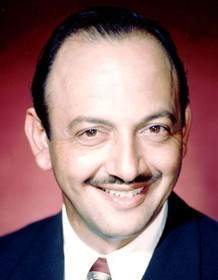
Adolf Hitler Duck (Mel Blanc)
Played by Mel Blanc
A white duckling with a toothbrush moustache who delivers aggressive speeches and shouts Sieg Heil. He leads a band of stormtrooper-like followers around the farm, actively inciting violence and conquest. His rhetoric embodies propaganda and blind loyalty to tyranny.
- 🪖 Dictator
- 🗣️ Orator
- 🎭 Caricature
- BM
Benito Mussolini Duck
Played by Michael Maltese
A large Neapolitan-accented goose who allies with Hitler, deepening the fascist leadership dynamic on the farm. His presence amplifies the militaristic mood and showcases the power of propaganda in a rural setting.
- 🪖 Dictator
- 🗣️ Orator
- 🎭 Caricature
- HT
Hideki Tojo Duck
A peculiar Japanese duck who arrives to support the duo but causes comic misunderstandings by mistaking a sea turtle for an island and planting a sign. His presence satirizes wartime alliances and the absurdities of expansionist ambitions.
- 🎭 Caricature
- 🗺️ Strategist
- DO
Dove of Peace
A dove that watches from above, weeping for the violence to come; she inspires defense of peace and helps thwart the tyrants with aid from the farm’s other animals.
- 🕊️ Peacekeeper
- 🎭 Symbol
- ST
Sea Turtle
A sea turtle that is angered when Tojo mistakes it for an island, adding an obstacle to the tyrants’ plans and highlighting the slapstick nature of the satire.
- 🐢 Ocean Creature
- 🧭 Obstacle
- C
Chickens
A group of chickens that aid the Dove, contributing to the defense of the farm through collective action.
- 🐔 Sidekicks
- 🛡️ Support
- RC
Rescued Chick
A rescued chick who, along with the chickens, helps in defending the farm against the invading trio.
- 🐤 Helper
- 🛡️ Support
- R(
Rabbit (Jerry Colonna-like)
A rabbit resembling Jerry Colonna who provides comedic relief during the conflict and assists in defeating the invaders.
- 🐰 Comedy
- 🗣️ Caricature
Where and When Is The Ducktators Set?
The Ducktators is set in Duck Farm (1930s–1940s). Here is why the time and place matter to the story.
When
1930s–1940s
Set during the World War II era, the story parodies the rise of fascist leaders in the late 1930s and early 1940s. The farm becomes a stand-in for a world stage where aggressive rhetoric and militaristic plans collide with pacifist forces. This time frame shapes the satirical depictions of the dictators and their attempts at conquest.
Where
Duck Farm
A rural duck farm serves as the setting where ducks and geese live. The peaceful countryside becomes a battleground of propaganda when caricatured dictators attempt conquest, while a Dove of Peace watches from above. The setting contrasts ordinary farm life with the surreal events of the war-time satire.
- 🐥 Farm
- 🗺️ Countryside
What Are the Themes of The Ducktators?
3 ideas the story keeps returning to, among them Dictatorship, Peace and Satire.
-
01
Dictatorship
The film lampoons totalitarian leadership by presenting caricatured versions of Hitler, Mussolini, and Tojo as domineering figures. Their speeches and plans reveal the dangers of propaganda and obedience to authority. The contrast with the Dove of Peace underscores the violent outcomes of unchecked power.
-
02
Peace
Peace is symbolized by the Dove of Peace, which weeps for the violence to come and then actively works to thwart the tyrants. The peace conference is interrupted by aggression, illustrating how fragile peace can be in the face of warlike ambition. The film mocks efforts to impose peace through intimidation.
-
03
Satire
As an animated short, it uses humor, caricature, and absurd situations to critique war propaganda and the cult of personality. The absurdity of the island-mandate mix-up highlights the ridiculousness of imperial claims. The conclusion, with the tyrants defeated and the state bonds promoted, frames propaganda as a misguided call to patriotism rather than national security.
What Kind of Film Is The Ducktators?
Light in tone, with fast pacing and a straightforward story, going by the plot summary.
- Tone
- Light
- Pacing
- Fast
- Story
- Straightforward
- Intensity
- Medium
- Ending
- Happy
A fast-paced, satirical cartoon that uses absurd anthropomorphism to mock Axis leaders, delivering a whimsical and patriotic viewing experience where good easily triumphs over evil.
- satirical
- patriotic
- whimsical
- aggressive
- triumphant
- cartoonish
- war propaganda
- political satire
- anthropomorphism
- dictatorship
Content notes: war themes, political satire.

