

What Is Der Fuehrer’s Face About?
The premise of Der Fuehrer’s Face in 305 words, with nothing given away. The full story follows below.
In a hyper‑stylized version of a wartime town, every street sign, fence and even the clouds are twisted into swastikas and exaggerated facial features that parody the era’s propaganda. A marching band composed of caricatures of Axis leaders parades through the streets, their music a jaunty distortion of militaristic anthems. The setting feels both familiar and grotesquely altered, turning ordinary scenery into a living cartoon tableau that constantly reminds the viewer of the absurdity of totalitarian pageantry.
The short rides a fine line between satire and darkness, using bright, exaggerated animation to amplify the ridiculousness of a world where even the most mundane objects are hijacked for ideological show. The tone is buoyant yet edged with a lingering sense of oppression, as the relentless parade of symbols and slogans creates a backdrop that is simultaneously comic and unsettling. Classic cartoon clips are woven into the fabric of the piece, giving it a surreal, almost dream‑like quality that reinforces the critique of propaganda’s invasive reach.
Donald Duck finds himself squarely in the middle of this exaggerated reality, cast as an ordinary citizen forced to navigate the daily rituals demanded by the omnipresent regime. His familiar temperament—irritated, sarcastic, and surprisingly resilient—bumps against the forced conformity of the town’s absurd customs. The contrast between his personal quirks and the imposed uniformity generates much of the film’s humor, while also highlighting the tension between individual spirit and collective pressure.
As the story unfolds, the audience is drawn into wondering how Donald will respond to the relentless parade of absurdities and whether the whimsical veneer can hide a deeper yearning for freedom. The film teases a journey that balances slapstick comedy with a pointed commentary on the limits of propaganda, leaving viewers eager to see how the iconic duck negotiates a world that refuses to let him simply be himself.
What Happens in Der Fuehrer’s Face?
The complete story of Der Fuehrer’s Face, from the first scene to the last, in 577 words (about 3 minutes). Spoilers throughout.
Spoilers ahead
In this animated short, viewers are taken into a satirical portrayal of a World War II-era caricatured German town, where every element—from trees and fences to clouds and houses—is designed to resemble swastikas and Adolf Hitler’s facial features. The story revolves around Donald Duck, who is depicted as a German citizen living under the oppressive shadow of Nazi ideology. The summary begins with Donald waking up at 4 a.m. to an alarm clock branded with a pickelhaube, which he promptly smashes in frustration. His morning is interrupted by a cuckoo clock that, instead of a cheerful bird, has a Hitler-esque figure singing, and a rooster outside salutes with a Nazi greeting. As Donald goes about his morning routine, the Nazi band—composed of leaders such as Hideki Tojo on the sousaphone, Hermann Göring on the piccolo, Joseph Goebbels on the trombone, Benito Mussolini on the bass drum, and Heinrich Himmler on the snare—marches melodiously through the town, singing praise for the Nazi doctrine while the environment around them is grotesquely themed to fit the narrative.
Donald’s day quickly shifts from humorous to oppressive as he is shown being rousted out of bed by band members with bayonets and forced to salute portraits of Hitler, Hirohito, and Mussolini. His breakfast features wartime rationed items like extremely stale bread requiring a saw, a single coffee bean brewed into a tiny cup, and a bacon-and-egg-flavored breath spray—a testament to the scarcity and austerity of war. The scene takes a darker turn when a propaganda leaflet, specifically Mein Kampf, is shoved before him, and the marching Nazi band interrupts Donald’s routine with ominous tunes tainted by cynicism.
Donald is then dragged to a factory at bayonet point, where he starts a grueling 48-hour shift on an assembly line, attaching caps to artillery shells of all sizes—from tiny bullets to massive projectiles. Each batch bears portraits of Hitler, forcing Donald into the humiliating ritual of giving the Nazi salute repeatedly. As the pace of work speeds up, the routine becomes overwhelming. The propaganda continuously echoes messages about Aryan superiority and the glory of serving the Führer, with guards overhearing and threatening Donald whenever he shows signs of frustration. His forced labor includes contorted exercises in front of a mountain painting, which soon evolve into Overtime demands, pushing Donald towards a nervous breakdown filled with hallucinatory images of exploding shells and hissing marching band shells.
Just when it seems Donald can no longer endure, he awakens in a peacefully decorated bed dressed in patriotic pajamas, only to see the shadow of a figure raising its hand. He initially fears he is under Nazi influence but soon realizes it’s the shadow of a miniature Statue of Liberty sitting on his windowsill. Donald embraces the statue with relief, exclaiming, “Am I glad to be a citizen of the United States of America!” The short concludes with a satirical caricature of Hitler’s angry face, which is met with a playful act of rebellion—someone throws a tomato at it, causing the splatter to spell out The End, symbolizing victory over tyranny and the absurdity of totalitarian propaganda.
Throughout this animated parody, the tone skillfully combines humor and critique, emphasizing the oppressive environment and the absurdity of the fanaticism depicted. The animation, infused with recycled sequences from classic cartoons, enhances the surreal and exaggerated style characteristic of this satire. This short serves as both a comedic and critical reflection on wartime propaganda and the importance of freedom and democracy.
Der Fuehrer’s Face Timeline: Every Key Event in Order
12 key events in the order they happen, from “Introduction of a caricature German town” to “End credits with caricature Hitler”. 11 events name a place, across 6 locations.
- 1
Introduction of a caricature German town
The movie opens with a whimsical, caricatured German town where everything, including trees, windmill blades, fences, and clouds, is shaped like swastikas. Houses resemble Adolf Hitler's face, setting a satirical and exaggerated tone for the film. An oom-pah band composed of Axis leaders marches through the town, singing praises of Nazi doctrine.
Where:German town
- 2
Donald Duck's morning routine
Donald Duck, portrayed as a German citizen, is awakened at 4 a.m. by his alarm clock wearing a pickelhaube helmet. He reacts violently by smashing the clock, and the scene includes a cuckoo clock with a Hitler-esque bird and a rooster performing a Nazi salute, emphasizing the satirical tone.
When:4 a.m. Where:Donald’s house
- 3
Interruption by caricature soldiers and band
caricatured band members with bayonets wake Donald, escorting him out of bed and greeting him with propaganda posters of Hitler, Hirohito, and Mussolini. Donald attempts to return to sleep but is splashed with water and yelled at in German, highlighting the oppressive atmosphere.
Where:Donald’s house
- 4
Breakfast amidst wartime rationing
Donald tries to make breakfast with limited rations, including stale bread, brewed coffee from a single bean, and breath spray flavored like bacon and eggs. The band forcibly hands him a copy of Mein Kampf, underscoring the wartime propaganda control.
Where:Donald’s kitchen
- 5
March to the factory
Donald is marched at bayonet point to a factory, carrying a bass drum as the band leads the way. The scene depicts strict militaristic discipline and propaganda, with Donald being pushed along by Göring kicking him as they arrive.
Where:Factory
- 6
Start of hard labor shift
Donald begins a grueling 48-hour shift screwing caps onto artillery shells on an assembly line. Each shell features a portrait of Hitler, requiring him to perform the Nazi salute repeatedly, illustrating the oppressive wartime labor conditions.
Where:Factory assembly line
- 7
Intensification of labor and propaganda
The pace of work accelerates as Donald struggles with shells of varying sizes, from bullets to massive artillery. The propaganda song becomes more cynical, criticizing Hitler and the citizens’ suffering, while guards threaten Donald when he murmurs his frustrations.
Where:Factory assembly line
- 8
Overtime compulsory exercises
Donald is forced into quick, repetitive Nazi salutes and contortions as part of compulsory exercise routines. The voice announces he must work overtime, and his mental state begins to deteriorate with hallucinations of shells and marching band motifs.
Where:Factory
- 9
Donald's hallucinations and breakdown
Overwhelmed by exhaustion, Donald experiences hallucinations involving snake-shaped shells and marching band shells that hiss music. He has a nervous breakdown, illustrating the intense and absurd conditions of wartime labor as recycled animation emphasizes his mental distress.
Where:Factory
- 10
Awakening from the nightmare
Donald wakes up in a bed dressed in stars-and-stripes pajamas, initially perceiving a Nazi salute but then realizing it's the shadow of the Statue of Liberty outside his window. He feels relief and joy, expressing pride in his American citizenship.
Where:Donald’s room
- 11
Celebration of American identity
Donald embraces the Statue of Liberty and exclaims his happiness to be an American, symbolizing a return to normalcy and national pride after the harrowing wartime sequence. The scene shifts from satire to a patriotic conclusion.
Where:Donald’s house
- 12
End credits with caricature Hitler
The film concludes with a caricature of Hitler's angry face, which is abruptly splattered with a tomato, creating the words 'The End'. This final gag emphasizes the satirical and irreverent tone of the short film.
Who Are the Main Characters in Der Fuehrer’s Face?
2 characters, among them Donald Duck and Nazi (voice): who each one is and the part they play in the story. 1 of them link to the actor’s page.
- DD
Donald Duck
Donald Duck is depicted as an ordinary German citizen subjected to propaganda, forced labor, and oppressive regime measures. His character embodies frustration, confusion, and eventual relief, representing the common person caught in totalitarian circumstances.
- 🎖️ Hero
- 😤 Frustrated
- 🇺🇸 American patriot
-
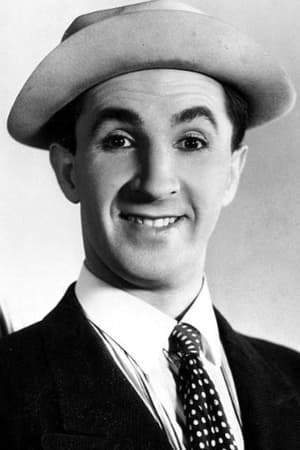
Nazi (voice)
Played by Billy Bletcher
The Nazi leader voice, performed by Billy Bletcher, is a caricature of totalitarian authority, representing oppressive propaganda and command through exaggerated and threatening tones.
- 🔊 Villain
- 🎩 Authoritative
- 🎙️ Voice actor
Where and When Is Der Fuehrer’s Face Set?
Der Fuehrer’s Face is set in German town and Nazi Germany (World War II era). Here is why the time and place matter to the story.
When
World War II era
The events take place during the timeframe of World War II, specifically within the context of Nazi Germany's regime. The short satire captures the wartime propaganda and societal mood, emphasizing themes of conformity and nationalism associated with that period.
Where
German town, Nazi Germany
The movie is set in a highly exaggerated caricature of a German town during the Nazi era, where everything is shaped like Nazi symbols or figures. The environment reflects the propaganda-heavy, oppressive atmosphere of Nazi Germany, with trees, houses, and clouds all stylized to emphasize the regime's imagery. This setting underscores the satirical tone of the film, highlighting the absurdity of totalitarian control.
- 🇩🇪 🇩🇪 Caricature
- Totalitarian Monopoly
- Propaganda
What Are the Themes of Der Fuehrer’s Face?
2 ideas the story keeps returning to, among them Propaganda and Totalitarianism.
-
01
Propaganda
The film satirizes the use of propaganda by the Nazi regime, depicting the relentless and exaggerated promotion of Nazi ideology. It reflects how propaganda was used to manipulate citizens and promote loyalty, often through humor or irony in the animation.
-
02
Totalitarianism
The short explores themes of oppressive control and the absurdity of authoritarian rule. The exaggerated imagery and forced labor scenes highlight the loss of individual freedom under totalitarian regimes, emphasizing the cruelty and absurdity of such systems.
What Kind of Film Is Der Fuehrer’s Face?
Tense in tone, with fast pacing and a straightforward story, going by the plot summary.
- Tone
- Tense
- Pacing
- Fast
- Story
- Straightforward
- Intensity
- High
- Ending
- Happy
A fast-paced, surreal, and oppressive animated satire that plunges the viewer into a nightmarish vision of Nazi Germany, creating high tension and anxiety before a sudden, profound sense of relief and patriotic reassurance.
- oppressive
- surreal
- satirical
- anxious
- nightmarish
- relieved
- war propaganda
- totalitarianism
- forced labor
- freedom vs oppression
Content notes: psychological oppression, forced labor, wartime propaganda.
Quiz
How well do you remember Der Fuehrer’s Face? Test yourself on the story.


