
The Man Who Haunted Himself 1970

Directed by
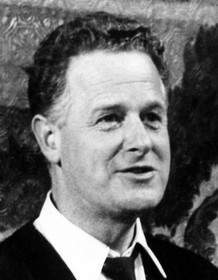
Basil Dearden
Made by

Excalibur Films
The Man Who Haunted Himself Plot Summary
Read the complete plot summary and ending explained for The Man Who Haunted Himself (1970). From turning points to emotional moments, uncover what really happened and why it matters.
Harold Pelham, Roger Moore, a director at the marine-technology firm Freeman, Pelham & Dawson, experiences a startling personality shift as he drives home from his London office. What begins as a moment of reckless bravado behind the wheel soon escalates into a full-blown crisis: he hurtles along the road in a imagined sports-car mindset and mangles his fate in a serious high-speed crash. On the operating table he briefly slips into clinical death, and the monitoring equipment oddly records two heartbeats—a haunting hint that something in his very identity has fractured.
After the accident, the world around him begins to feel unreal. Pelham notices odd, almost selective memory gaps, and encounters in which people claim to have seen him in places he does not remember visiting or in actions he cannot recall. The sense of being watched grows stronger as friends, colleagues, and acquaintances describe his supposed comings and goings in places he cannot recall, and in moments of rash behavior that clash with his usual meticulous, controlled life. At home, he encounters a friendly, unremembered visitor for a drink, and at the company’s swimming pool an alluring young woman seems to regard him with a knowing awareness. That same evening, his wife observes a mysterious silver car parked outside their house, though she dismisses it for the moment. The car’s driver—who lights a cigarette and breaks the match in half after blowing it out—acts in the exact same way Pelham does, deepening the sense that something is duplicating his life.
A corporate undercurrent soon emerges: there is talk of a secret merger with a rival company, and Pelham suspects a shadowy double is masquerading as him. The pressure of the boardroom intensifies as he discovers evidence that he may have supported a deal he now opposes, while the rival firm appears to push the negotiations from behind the scenes. The mystery tightens around a trio of clandestine meetings that allegedly secured the breakthrough technology at the heart of the merger: meetings at the top of The Monument, inside the London Planetarium, and aboard a boat on The Serpentine. When Pelham confronts executives and the rival company’s leadership, he learns that a dual existence has been orchestrated for his benefit—one version of himself who is compliant, and another who is not.
Distraught and unsure of his own sanity, Pelham seeks help from the clinic of Freddie Jones as Dr Harris. The psychiatrist does not declare him mad, but suggests that the double may have emerged from a subconscious urge to break free from Pelham’s obsessively rigid lifestyle. Pelham agrees to extended observation and treatment, and the doctor guides him toward adopting less conventional behavior. Upon his discharge, Pelham attempts to re-enter life with a fresh appearance and altered demeanor, hoping to reclaim control of his existence. Yet, in his absence, the double solidifies the merger and takes his wife, Eve Pelham, Hildegard Neil out for the night, culminating in a secret liaison that Pelham denies having with the girl at the pool earlier.
The tension peaks when Pelham calls home from the office and is stunned to hear a voice claiming to be him answer the phone. When he returns to the house, he confronts the double face-to-face, and the two versions of Pelham stand before his family and close friends who have chosen sides. The double confesses that his new clothes—the outward show of a life left behind—were a mistake, explaining that on the operating table the doppelgänger was let out, but there is only room in this world for one Pelham. The two men vow to take the matter to the police, but the lines between right and wrong have blurred beyond repair.
In a high-stakes chase through rain-soaked streets, the two cars hurtle toward a bridge. The real Pelham attempts to swerve away from the confrontation, plunging into the river. As the river swallows the real Pelham, the double peers after him with a sudden, internal pain—an adrenaline-spiked moment that suggests either exhaustion or the last tremor of a divided self. The water dims the image of the man, and when the moment passes, the doppelgänger remains, now with a renewed sense of calm and the uneasy truth that there is once more only one Pelham left in the world.
The Man Who Haunted Himself Timeline
Follow the complete movie timeline of The Man Who Haunted Himself (1970) with every major event in chronological order. Great for understanding complex plots and story progression.
Crash and clinical death on the road
Pelham's drive home ends in a reckless, high-speed crash on the road near London. On the operating table he briefly dies, and the monitor shows two heartbeats where there should be one. This near-death moment marks the start of the strange, doubled reality he will face.
Post-crash anomalies begin
After awakening, Pelham starts noticing odd phenomena: colleagues and friends swear they have seen him in places he cannot remember visiting. He acts in ways that feel alien to his routine, and memories begin to fracture.
Unexplained visits and hints of a hidden life
A friend appears at his house for a drink he does not recall arranging, and an attractive girl at the company pool gives him a knowing look. His wife senses a change in their relationship and a lack of intimacy begins to worry him.
The silver car outside the house
A mysterious silver car sits outside their house, and its driver lights a cigarette and snaps the match in half after blowing it out, mirroring Pelham's own habit. The presence of this taunting vehicle deepens the sense of a double shadowing him.
Double at work and a suspected masquerade
At the office, Pelham discovers he has supported a merger that he now opposes. He suspects a double is masquerading as him and shaping corporate events behind his back. The seed of corporate intrigue grows into a personal crisis.
Night at the club and the affair insinuation
On a night out with his wife at the company club, he tries to energize their relationship by gambling, but remains tense and detached. He bumps into the attractive girl again, who hints that his wife is unaware of their past. His wife becomes furious at the potential scandal.
Confronting the girl about the affair
Pelham confronts the girl later at her home, where she implies that an other version of him was having an affair. He denies it, realizing the double is actively manipulating his life. The tension between him and those around him continues to escalate.
Secret meetings and the merger scheme
Back at work, Pelham learns the merger is real and his opposition could jeopardize it. A rival executive explains how the double arranged the deal in secret meetings, each step serving the double's plan and the companys' hidden tech breakthrough. Three secret meetings are recalled: at The Monument, in the London Planetarium, and in a boat on The Serpentine.
Therapy and admission to a clinic
Distraught, Pelham seeks help from Dr Harris, who argues that Pelham may be acting from subconscious urges to break free of his rigid lifestyle rather than being insane. He agrees to be admitted to the psychiatrist’s clinic for several days of observation.
Discharge and new persona
Harris suggests adopting less conventional behavior, and Pelham goes to work dressed differently upon his discharge. The change is intended to loosen the grip of the double, but it accelerates the double's control in the absence of the real Pelham.
Double completes the merger and exploits the wife
During Pelham's absence, the double finalises the merger and takes Pelham's wife out on the town, culminating in them sleeping together. Pelham remains unaware of these events until confronted later, increasing the stakes of their confrontation.
The confrontation begins
Pelham calls home from the office and is stunned when the line is answered by someone claiming to be himself. He drives home and discovers the double waiting, who insists he is the real Pelham. They agree to talk privately while the family and a close friend witness the moment.
The pursuit and the river crash
The double flees when confronted, and Dr Harris witnesses a high-speed pursuit as the cars race toward a bridge in the rain. The real Pelham swerves into the river, and the image of the other briefly fades as the double clutches his chest in apparent pain.
Resolution: only one Pelham remains
In the final moment the double clutches his chest and, after a brief heartbeat, the image of the other collapses. The narrative ends with there being only one Pelham again, his identity restored, or perhaps redefined by the ordeal.
The Man Who Haunted Himself Characters
Explore all characters from The Man Who Haunted Himself (1970). Get detailed profiles with their roles, arcs, and key relationships explained.
Harold Pelham (Roger Moore)
Harold is a disciplined, ambitious director at Freeman, Pelham & Dawson who prizes control and routine. After a near-fatal accident, his life is disrupted by the appearance of a second self that seems to live his life in parallel. He remains rational and composed, yet memory and certainty begin to fracture as events spiral out of his grasp.
Eve Pelham (Hildegard Neil)
Eve is Harold's wife, perceptive and emotionally aware, caught between affection for her husband and mounting unease about his strange behavior. She notices the silver car and inconsistent actions, raising questions about Harold's fidelity and their marriage. Her loyalty is tested as the couple navigates escalating tension.
Dr. Harris (Freddie Jones)
Dr Harris is a psychiatrist who treats Harold and challenges the notion that the events are mere madness. He suggests the possibility that the double may express a subconscious desire to escape a rigid lifestyle. Harris guides Harold toward unconventional treatment and a more symbolic understanding of his experiences.
Mason (Laurence Hardy)
Mason is Harold's friend and colleague, involved in the corporate side of Freeman, Pelham & Dawson. He embodies pragmatic loyalty and serves as a touchstone for Harold’s professional life, even as the merger plot complicates their partnership.
Ashton (John Carson)
Ashton is a key figure from the rival firm, representing the climate of corporate espionage and strategic maneuvering surrounding the merger. He embodies calculated ambition and subtle manipulation that drives the plot’s power struggle.
Sir Arthur Richardson (Anthony Nicholls)
Sir Arthur Richardson is a senior executive whose authority and strategic mind shape the corporate decisions around the merger. He is calm, calculating, and focused on corporate advantage.
James Pelham (Hugh Mackenzie)
James Pelham is Harold’s son, a family member who briefly anchors the personal stakes of Harold’s life. The scenes involving him highlight the impact of Harold’s turmoil on his family.
The Man Who Haunted Himself Settings
Learn where and when The Man Who Haunted Himself (1970) takes place. Explore the film’s settings, era, and how they shape the narrative.
Time period
late 1960s
The film feels anchored in late-1960s London, a time of rapid modernization and changing social norms. Office life, nightlife, and social rituals reflect the era’s polished, high-contrast style. The period’s attitudes toward marriage, loyalty, and technological progress shape the characters’ choices and the unfolding mystery.
Location
London, England
The action is set primarily in London, moving between sleek corporate offices, exclusive clubs, and a comfortable home. The city’s modern, cosmopolitan vibe provides a backdrop for a man whose orderly life is disrupted by a mysterious double. The plot threads through recognizable urban spaces and landmarks, underscoring the tension between public life and private duplicity.
The Man Who Haunted Himself Themes
Discover the main themes in The Man Who Haunted Himself (1970). Analyze the deeper meanings, emotional layers, and social commentary behind the film.
🪞
Identity
The plot centers on a man who appears to split into two selves after a near-fatal accident. The double mimics his life, creating confusion about who is in control. The film uses the doppelgänger trope to probe the limits of personal identity and the reliability of memory. It asks what defines the true self when life can be staged or performed by a second version.
🧠
Psychology
A psychiatrist analyzes whether Harold's experiences reflect madness or a subconscious desire to break free from rigidity. Therapy scenes reveal the tension between rational control and irrational impulse. The narrative uses clinical language to explore how identity can be shaped by fear, desire, and social expectations. The ending suggests a fragile boundary between sanity and delusion.
💑
Marriage
The double infiltrates Harold’s personal life, testing his relationship with his wife Eve. She notices unfamiliar clues and experiences emotional strain as trust erodes. The couple’s intimacy is destabilized by suspicion, a rumored affair, and the haunting presence of a second life. The crisis forces them to confront what binds them together and what they stand to lose.

Coming soon on iOS and Android
The Plot Explained Mobile App
From blockbusters to hidden gems — dive into movie stories anytime, anywhere. Save your favorites, discover plots faster, and never miss a twist again.
Sign up to be the first to know when we launch. Your email stays private — always.
Explore the mobile appThe Man Who Haunted Himself Spoiler-Free Summary
Discover the spoiler-free summary of The Man Who Haunted Himself (1970). Get a concise overview without any spoilers.
In the sleek, rain‑slick streets of London, a world of high‑stakes corporate ambition collides with the quiet hum of scientific discovery. Within the glass‑walled headquarters of a marine‑technology firm, executives juggle mergers and cutting‑edge inventions while the city outside moves in a perpetual state of muted tension. The film’s atmosphere leans heavily on muted colour palettes and a lingering, almost tactile sense of dread, inviting the audience to breathe in the same oppressive air that its characters feel.
Harold Pelham is a meticulous director whose life is built on control and precision. Plagued by relentless fear, he pushes himself to the brink of recklessness, a habit that culminates in a catastrophic accident that teeters on the edge of death. Miraculously surviving, he awakens to a world that feels subtly altered—every reflection seems off‑kilter, every familiar face flickers with an unfamiliar awareness. The experience leaves him questioning whether he is still the master of his own existence.
As Harold returns to his corporate life, unsettling coincidences begin to surface. Colleagues recall conversations he never remembers holding, strangers claim to have seen him in places he has never been, and his own home feels invaded by an unseen presence that mirrors his gestures and habits. Seeking clarity, he turns to a seasoned psychiatrist, Dr. Harris, whose calm demeanor offers a measured perspective on the growing dissonance. The doctor hints at the fragility of identity when it is strained by trauma, suggesting that Harold’s disciplined exterior may be masking something far more volatile.
The film drifts between moments of stark realism and surreal unease, constantly probing the thin line between sanity and fragmentation. Through moody cinematography and a haunting score, it raises a timeless question: when the self is split in two, which half will claim the right to live? The answer remains hidden in the shadows, inviting viewers to linger in the ambiguity long after the credits roll.
Movies with Similar Twists and Themes
Uncover films that echo the narrative beats, emotional arcs, or dramatic twists of the one you're exploring. These recommendations are handpicked based on story depth, thematic resonance, and spoiler-worthy moments — perfect for fans who crave more of the same intrigue.



Featured on this page

What's After the Movie?
Not sure whether to stay after the credits? Find out!
Check out our other apps:

SAT Sphere
Build confidence for the Digital SAT.

Mori Atlas
Discover wild places worth protecting.

Luntero
Search smarter for a home in Amsterdam.

Plot Explained
Unravel movie endings and hidden clues.

Pokechamp
Dive into Pokémon data and battle logic.

Driving Theory
Get ready for your European theory test.

Movie Dust
Plan your next cinema trip with ease.

Musemap
Find art and culture as you travel.

Selkobase
Compare credentials before committing.

Local Manual
Turn an unfamiliar country into practical next steps.

Lernavi
Compare school systems before your next move.

GymRoam
Find a workout stop wherever your plans take you.
Explore Our Movie Platform
New Movie Releases (2026)
Famous Movie Actors
Top Film Production Studios
Movie Plot Summaries & Endings
Major Movie Awards & Winners
Best Concert Films & Music Documentaries
Movie Collections and Curated Lists
© 2026 What's After the Movie. All rights reserved.
Privacy Policy