What Is The Man in the Glass Booth About?
The premise of The Man in the Glass Booth in 269 words, with nothing given away. The full story follows below.
In the glittering heights of Manhattan, a world of polished glass and quiet power frames the life of Arthur Goldman, a wealthy industrialist whose reputation is built on sharp wit and a relentless refusal to let the past define him. A survivor of the Holocaust, Goldman cloaks his memories in humor and provocation, trading barbs with his devoted assistant Charlie Cohn as they navigate the thin line between reverence and irreverence in their daily banter. Their relationship, equal parts mentorship and sparring, offers a glimpse into a man who has fashioned a veneer of control around an inner landscape still marked by loss.
The film’s tone balances the sleek, modern sophistication of a Manhattan high‑rise with an undercurrent of historical weight, creating a tension that feels both intellectual and visceral. The polished exterior of Goldman’s world is juxtaposed with the looming presence of a past that refuses to stay buried, setting a mood that is at once elegant and unsettling. The sharp dialogue and darkly comedic moments invite the audience to consider how people conceal trauma behind charisma and success.
The story takes a sudden turn when Israeli agents abruptly abduct Goldman and transport him to Israel, thrusting him into a courtroom that becomes a crucible for truth and accountability. The trial that follows is less a simple legal proceeding than a public reckoning, forcing not only the accused but also the prosecutors and witnesses to confront the tangled web of memory, guilt, and moral responsibility. As the legal drama unfolds, the film maintains a taut, suspenseful atmosphere, probing how history’s shadows can infiltrate even the most insulated lives.
What Happens in The Man in the Glass Booth?
The complete story of The Man in the Glass Booth, from the first scene to the last, in 309 words (about 1 minute). Spoilers throughout. Names in the text link to 2 cast member pages.
Spoilers ahead
Arthur Goldman, played by Maximilian Schell, is a Jewish death camp survivor who has risen to become a wealthy industrialist living in a luxurious Manhattan high-rise. He fills his days with sharp, irreverent banter, especially with his assistant Charlie Cohn as they spar over aspects of Jewish life and memory. The tension between comfort and conscience underpins his world, and his conversations reveal a man who flirts with provocation as a shield against the past.
One day, a bold move disrupts Goldman’s insulated life: Israeli Mossad agents kidnap him and transport him to Israel to stand trial for alleged Nazi war crimes. The trial becomes a public reckoning, forcing Goldman’s accusers to confront not only his guilt in memory but also the complicity and moral compromises of those who witness and narrate history. The courtroom becomes a stage where personal histories collide with collective guilt, and the line between victim and perpetrator blurs in the glare of testimony and memory.
As the proceedings unfold, a shocking twist emerges: Goldman did not simply fall into the hands of justice by chance. He had falsified the dental records the Israelis used to identify him, a deception that would upend the entire case. When the Israeli prosecutor uncovers the ruse, Goldman’s carefully constructed armor crumbles. He stands in the trial court’s bulletproof glass box, stripped of illusion, a broken man whose inner fortress can no longer shelter him from the truth.
The revelation shatters Goldman’s mental stability and he slides into a catatonic state. In a haunting mental replay, he envisions a Nazi firing squad, a memory that seals his fate. He dies as the courtroom witnesses softly recite the Jewish prayer, and the scene crystallizes into a stark, cruciform image: he is posed inside the glass box, an unmistakable echo of Christ on the cross.
Sh’ma Yis’ra’eil Adonai Eloheinu Adonai echad
The Man in the Glass Booth Timeline: Every Key Event in Order
10 key events in the order they happen, from “Luxurious Manhattan life” to “Final image and symbolism”. 10 events name a place, across 7 locations.
- 1
Luxurious Manhattan life
Arthur Goldman, a Jewish survivor of Nazi camps, lives in luxury as a wealthy industrialist in a Manhattan high-rise. He banters with his assistant Charlie, shocking him with outrageous and irreverent remarks about Jewish life. The present comforts underscore the contrast with his traumatic past.
When:Present day Where:Manhattan, New York
- 2
Mossad kidnaps Goldman
Mossad agents abduct Goldman and forcibly transport him to Israel for trial on charges of Nazi war crimes. The capture is abrupt and disorienting, abruptly ending his comfortable life. The incident launches a high-stakes confrontation over guilt, memory, and justice.
When:During kidnapping and transport to Israel Where:New York City; en route to Israel
- 3
Trial opens in Israel
Goldman faces trial in an Israeli courtroom where the proceedings invite his accusers to confront not only his alleged guilt but also their own complicity in the moral ambiguities of war crimes. The courtroom becomes a forum for personal and national memory. The case pivots on questions of accountability and proof.
When:Early stage of trial Where:Israel, courtroom
- 4
Dental record deception revealed
As the trial advances, the Israeli prosecutor reveals that the dental records identifying Goldman were falsified, and the identification was manipulated to bring the case to court. The revelation challenges the legitimacy of the charges and casts doubt on the entire proceedings. The mood shifts from accusation to scrutiny of evidence.
When:Mid-trial Where:Israeli courtroom
- 5
The truth reframes the case
With the deception exposed, Goldman is shown not to be the Nazi war criminal the Israelis pursued. The trial's credibility collapses as the source of guilt becomes suspect. The courtroom grapples with the unsettling possibility that justice has been triggered by flawed evidence.
When:Mid to late trial Where:Israeli courtroom
- 6
Goldman stands in the glass box
The trial reaches a brutal pivot as Goldman remains seated in the bulletproof glass box, a stark symbol of a verdict that may be hollow. He becomes a focal point of the drama rather than a proven offender. The moment redefines guilt as something manufactured by circumstance.
When:End of trial Where:Courtroom
- 7
Mental collapse begins
The overwhelming stress shatters Goldman’s mental health, and he sinks into catatonia. He can no longer participate in the proceedings as the courtroom peels away the veneer of justice. The atmosphere tightens into a tense, suffocating crucible of memory and consequence.
When:Immediately after revelation Where:Courtroom
- 8
Flashback to the firing squad
Within his collapsing mind, Goldman relives a Nazi firing squad execution, a brutal memory that haunts his identity. The line between memory and reality blurs as this traumatic scene resurfaces with visceral power. The moment underlines the deep scars of his past.
When:During collapse Where:In his mind during the courtroom ordeal
- 9
Death in the courtroom
The psychological strain culminates in Goldman’s death in the courtroom. The room grows hushed as the community processes the collapse of a man whose life has become a symbol of contested guilt. The whispered prayer of Sh'ma Yis'rael rises around the scene.
When:Shortly after collapse Where:Israel courtroom
- 10
Final image and symbolism
In the film's closing moment, Goldman is posed inside the glass box, unmistakably echoing Christ on the cross. The ending leaves viewers pondering guilt, memory, and the moral ambiguity of justice. The stark, symbolic tableau lingers as the credits roll.
When:Final moment Where:Courtroom
Who Are the Main Characters in The Man in the Glass Booth?
3 characters, among them Arthur Goldman (Maximilian Schell), Charlie Cohn (Lawrence Pressman) and Presiding Judge: who each one is and the part they play in the story. Every profile links to the actor’s page.
-
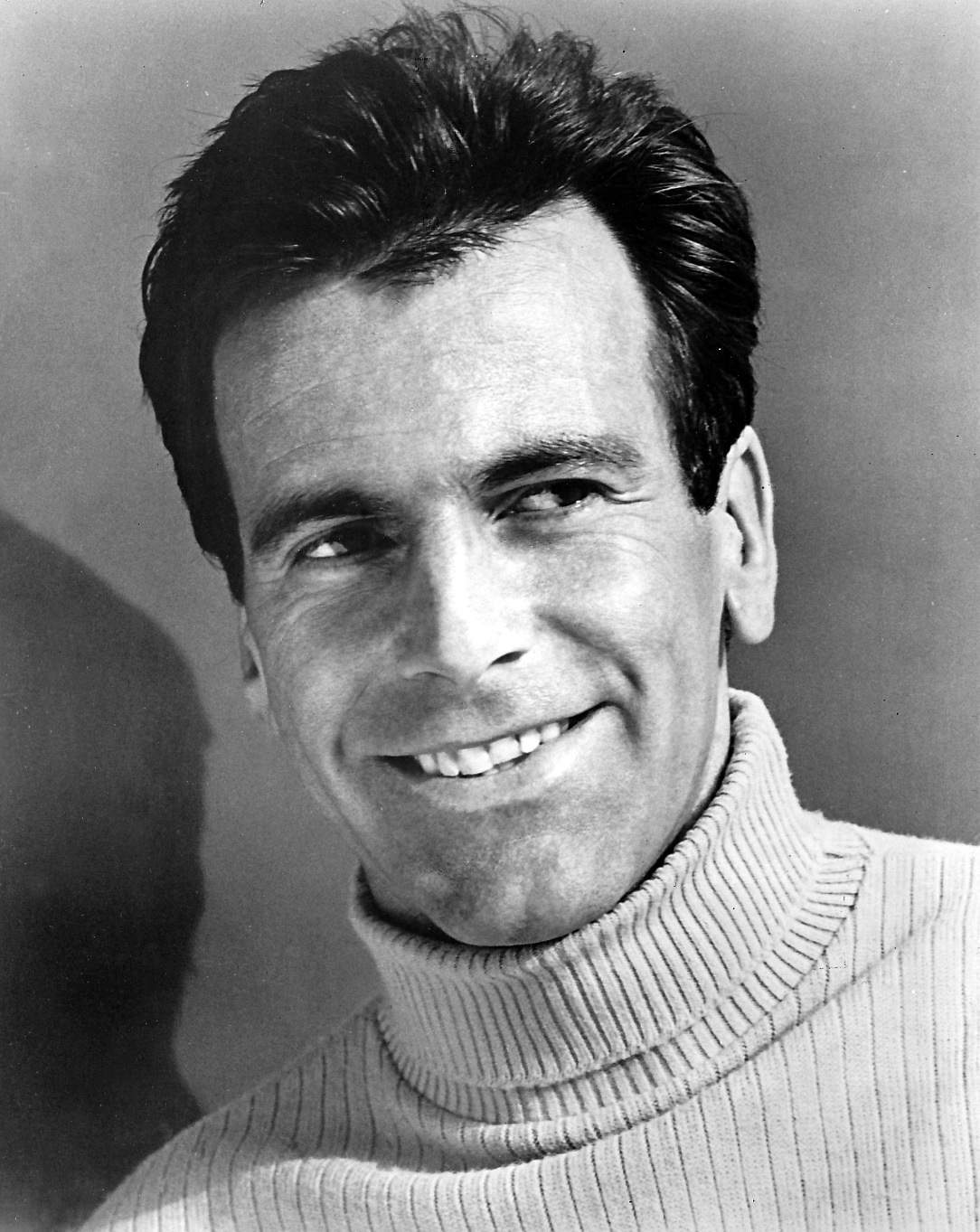
Arthur Goldman (Maximilian Schell)
Played by Maximilian Schell
A Jewish Holocaust survivor turned wealthy industrialist whose irreverent banter conceals a calculated mind. He embodies charm and menace, using humor to unsettle those around him. His later exposure as a fraud—falsifying dental records—catalyzes his breakdown and enables the courtroom's moral reckoning.
- 🧭 Survivor
- 💼 Wealth
- 🎭 Charisma
- CC
Charlie Cohn (Lawrence Pressman)
Played by Lawrence Pressman
Arthur’s loyal assistant who is repeatedly unsettled by his employer’s shocking remarks about Jewish life. He provides a grounded perspective amid escalating tension and serves as a conduit for the audience’s perception of the trial.
- 🧭 Assistant
- 🗣️ Witness
- PJ
Presiding Judge
Played by Luther Adler
The formal authority in the Israeli trial who oversees proceedings and delivers rulings. He represents the legal framework through which the charges, testimonies, and evidence are scrutinized, guiding the drama toward its climactic revelations.
- ⚖️ Judge
- 🏛️ Courtroom
Where and When Is The Man in the Glass Booth Set?
The Man in the Glass Booth is set in Manhattan, New York and Israel (1960s). Here is why the time and place matter to the story.
When
1960s
The events unfold in the contemporary 1960s, a period still shaped by World War II and its aftermath. The narrative uses a modern trial to probe memory, guilt, and identity, rather than a distant historical past. The setting reflects a society confronting the legacy of genocide through public judgment and personal conscience.
Where
Manhattan, New York; Israel
The story moves between a luxurious Manhattan high-rise where Arthur Goldman lives and a courtroom in Israel where his fate is decided. The high-rise setting emphasizes wealth and separation from history, while the Israeli courtroom foregrounds legal reckoning with a Nazi past. The two places together frame a transnational drama about memory, guilt, and accountability.
- 🏙️ Urban
- ⚖️ Legal drama
- 🕊️ Holocaust memory
What Are the Themes of The Man in the Glass Booth?
3 ideas the story keeps returning to, among them Guilt & Identity, Memory and Perception.
-
01
Guilt & Identity
The trial forces characters to confront who they are and what they owe to history. Identity is tested as appearances clash with memory, and the line between survivor, perpetrator, and accuser blurs. The narrative probes how guilt can redefine a person and how truth can be manipulated.
-
02
Memory
Memories of the Holocaust haunt the present, shaping how characters justify actions and assess guilt. The courtroom becomes a arena where memory is interrogated, contested, or weaponized. The plot links personal trauma to collective history, complicating moral judgments.
-
03
Perception
What is real is tested by appearances, deception, and the performative nature of legal proceedings. The glass box becomes a symbol of judgment and showmanship, challenging audience assumptions. The narrative questions whether truth is discovered or constructed.
What Kind of Film Is The Man in the Glass Booth?
Tense in tone, with steady pacing and a moderate story, going by the plot summary.
- Tone
- Tense
- Pacing
- Steady
- Story
- Moderate
- Intensity
- High
- Ending
- Sad
An intense and morally challenging courtroom thriller that maintains a high level of suspense before culminating in a tragic, psychologically devastating conclusion.
- tense
- unsettling
- morally complex
- somber
- philosophical
- tragic
- holocaust
- war crimes
- identity
- justice
Content notes: holocaust, war violence, torture, mental breakdown, execution.
Where to Watch The Man in the Glass Booth
Stream it on Kanopy and Kino Film Collection. US availability and prices from JustWatch.
 Kanopy
  Kino Film Collection
  Plex
Plex  Plex Channel
 Streaming availability in the US, powered by