What Is The Magic Box About?
The premise of The Magic Box in 362 words, with nothing given away. The full story follows below.
In the early 1920s London of The Magic Box, the fledgling film industry hums with the clatter of projectors and the rush of new ideas, yet beneath the glitter lies a world of cramped studios, precarious finances, and a relentless drive to capture reality in colour. The city feels both hopeful and weary, its streets echoing with the promise of a medium that could speak to anyone, anywhere. Within this atmosphere of artistic ambition and commercial pressure, a modest conference becomes a crucible for a man whose imagination refuses to be dimmed.
William Friese‑Greene stands at the centre of this swirl—a once‑handsome photographer who reshaped his identity to honour a lost love and now clings to a single, fierce conviction: that moving pictures can become a universal language. His life has been a series of experiments, from early portrait work to daring attempts at colour film, each step pushing him further from the stability of a steady trade and deeper into the uncertain realm of invention. The film portrays his obsession not as mere eccentricity but as a quiet, stubborn devotion that colors every interaction, setting the tone for a story that balances reverent wonder with the ache of sacrifice.
Around him, two women navigate the delicate line between support and self‑preservation. Helena—his steadfast second wife—provides a tender yet strained anchor, her love tested by the endless cycles of hope and disappointment that accompany his pursuits. Earlier, Edith, his first wife and former client, witnessed the same brilliance and the same cost, sharing in the early spark that set his dream aflame. Their stories intertwine, suggesting that the true depth of his quest is measured not just in frames of film but in the quiet acts of devotion that keep his vision alive.
The film therefore unfolds as a lyrical meditation on imagination and intimacy, its tone muted by the weight of history yet brightened by the relentless flicker of possibility. Through soft lighting, period detail, and the lingering gaze of characters bound together by love and longing, The Magic Box invites the audience to contemplate the price of a dream that can change the world, even as it remains forever unfinished.
What Happens in The Magic Box?
The complete story of The Magic Box, from the first scene to the last, in 620 words (about 3 minutes). Spoilers throughout. Names in the text link to 4 cast member pages.
Spoilers ahead
Set in 1921, the story follows British inventor William Friese-Greene, Robert Donat as he wrestles with severe financial distress while attending a London film industry conference that will be told largely through a tapestry of flashbacks. The narrative initially centers on Helena Friese-Greene, Maria Schell, who recounts how she first met Willie, their marriage, and the four sons they had amid a growing, relentless pressure from his obsession with color film. The strain takes a toll on the family: their three eldest boys even lie about their ages to enlist in the army during the First World War, and Helena ultimately leaves him, unable to endure the mounting tension.
Back in 1921, Friese-Greene is deeply discouraged by the conference attendees, who seem absorbed by the commercial side of filmmaking rather than its artistry or science. When he attempts to speak, he is dismissed and ignored, a moment that sends him spiraling into a longer flashback about his early career.
In this extended recollection, Willie begins as an assistant to the photographer Maurice Guttenberg, a man who resists giving him creative freedom. After a disagreement over portrait techniques, Willie leaves to strike out on his own with his new wife Edith, Margaret Johnston, a former client. Although they start with several studios and a modest early success, Willie’s ambitions increasingly tilt toward moving pictures and the development of color processes—often at the expense of his profitable photography work. He even abandons his wife at a choir concert to pursue a meeting with the photographic pioneer Basil Sydney, who embodies the legend of Fox Talbot, and returns home buoyed by the encounter.
Willie relocates to London and teams up with the businessman Arthur Collings, Eric Portman, to push his film experiments forward. Collings initially offers support, but the mounting financial burden strains the partnership to the breaking point, forcing Willie to mortgage his home to raise more funds. A Sunday excursion in Hyde Park becomes a turning point when he films relatives with his new camera, and that very night he develops the footage, watching light dance across the frames with a sense of breakthrough and wonder.
Despite his optimism and the belief that they are on the cusp of wealth, bankruptcy soon follows. Helena, exhausted by the endless cycle of risk and disappointment, collapses in a side office at the court. A doctor prescribes a year of rest, but she privately tears up the expensive prescription while returning home and sells her jewelry to fund a new studio for her husband. On his birthday—forgotten by him—she gives him a prism, a small symbol of hope that she hopes will rekindle their collaboration.
Back at the 1921 conference, Friese-Greene rises once more, clutching film reels as he speaks about a new era in cinema. In a defiant and impassioned moment, he proclaims cinema to be a “universal language,” a line that is echoed by a doctor who arrives too late to save him from collapse. The scene ends with the doctor finding only enough money in his pockets to purchase a cinema ticket, a bittersweet reminder of the dream that his life had represented.
This biographical arc blends intimate domestic struggles with the stubborn, high-stakes pursuit of technological progress, painting a portrait of a man driven by vision even as his personal life frays around the edges. The film uses Helena’s perspective to ground the narrative in emotional reality, while Willie’s intense pursuit of color technology traces the early, formative era of moving pictures. Thematic threads of devotion, sacrifice, and the price of obsession run through both the family drama and the scientific quest, culminating in a poignant meditation on the cost of chasing a dream that changed the world of cinema.
The Magic Box Timeline: Every Key Event in Order
13 key events in the order they happen, from “1921 conference: Willie's disillusion” to “Return to the conference: universal language, collapse”. 7 events name a place, across 5 locations.
- 1
1921 conference: Willie's disillusion
In 1921, William Friese-Greene attends a London film industry conference while financially ruined. The attendees appear focused on commercial potential rather than artistry. When he tries to speak, he is ignored, foreshadowing the memory-heavy flashbacks that will follow.
When:1921 Where:London, at the conference
- 2
Helena recalls meeting Willie and starting a family
Helena recounts how she met Willie, their marriage, and the arrival of four sons. The family endures constant financial strain due to his obsession with developing color film. Despite their love, the growing pressure strains the marriage.
- 3
Three sons enlist in WWI; Helena leaves
The three eldest sons lie about their ages to enlist in World War I, adding financial and emotional stress to the Friese-Greene clan. The prolonged strain drives Helena to leave Willie. The family is pulled apart by the pressures of war and ambition.
When:World War I (1914-1918)
- 4
Back at the conference: a longer flashback begins
Back in the 1921 conference, Willie is disheartened by attendees chasing commerce over art. He slips into a longer flashback recounting his early career and the choices that shaped his ambitions. The narrative shifts from present concerns to past struggles.
When:1921 Where:London
- 5
Early career: assistant to Maurice Guttenberg
As a young man, Willie works as an assistant to photographer Maurice Guttenberg, who refuses him creative freedom. Their clash over portrait techniques pushes Willie toward independence and a new studio. The seed of his experimental drive takes root.
- 6
Willie opens own studio with Edith
Willie leaves Guttenberg to open his own studio with Edith, a former client. He enjoys initial success with multiple studios but increasingly prioritizes moving pictures and color processes over profitable photography. This shift marks a turning point toward his lifelong obsession.
- 7
Visit to Fox Talbot; elated return
He abandons his wife at a choir concert to visit photographic pioneer Fox Talbot, returning home elated from the meeting. The encounter reinforces his belief that his innovations will change cinema. The triumph deepens his fixation on color and movement.
- 8
Relocation to London and Collings partnership
He relocates to London and partners with businessman Arthur Collings to push his film experiments. Collings initially supports him, but the mounting financial burden strains the partnership and his dreams.
Where:London
- 9
Partnership ends and mortgage is taken
The financial strain overpowers the partnership, forcing Willie to mortgage his home to raise more funds. He doubles down on experiments despite the risk of losing everything. The dream persists even as reality tightens its grip.
- 10
Sunday Hyde Park filming and immediate aftermath
One Sunday, he skips church to film relatives in Hyde Park with his new camera. That night, he develops the footage and watches light flicker across the images, convinced of cinema's transformative potential. The moment seals his obsession with light and color.
When:One Sunday Where:Hyde Park, London
Show the other 3 events of The Magic Box Hide the last 3 events
- 11
Bankruptcy and Helena's crisis
Despite his ambitions, he is declared bankrupt. Helena collapses in a side office at the court, and a doctor advises rest. She secretly tears up the expensive prescription on the way home, choosing to press on for the sake of the family.
Where:London, at the court
- 12
Helena funds a new studio; birthday prism
To keep his dream alive, Helena sells her jewelry to fund a new studio for him. On his birthday—forgotten by him—she gives him a prism, which he accepts with joy, a tangible symbol of light and color.
When:Birthday Where:Home
- 13
Return to the conference: universal language, collapse
Back at the 1921 conference, Willie rises with film reels and proclaims cinema a universal language. He collapses mid-speech, and a doctor arrives too late, finding only enough money in his pockets for a cinema ticket. The moment marks a poignant, cyclical end to his lifelong pursuit.
When:1921 Where:London
Who Are the Main Characters in The Magic Box?
6 characters, among them William Friese-Greene (Willie), Helena Friese-Greene and Edith Harrison Friese-Greene: who each one is and the part they play in the story. Every profile links to the actor’s page.
-

William Friese-Greene (Willie)
Played by Robert Donat
British inventor and filmmaker whose relentless drive to master colour film fuels both his breakthroughs and his financial ruin. He shifts from photography to moving pictures, cherishing the dream of a public breakthrough even as debts mount. His intense focus strains his marriage and tests the endurance of those who support him.
- 🧪 Inventor
- 💰 Financing-strained
- 🎬 Filmmaker
- 💡 Innovator
- HF
Helena Friese-Greene
Played by Maria Schell
Willie’s first wife and the narrator of the opening flashback, she supports him through early success but bears the emotional toll of his fixation. Her steadfast presence contrasts with the chaos created by his experiments, and she ultimately steps away when the strain becomes too much.
- ❤️ Partner
- 💔 Heartbreak
- 👩👧👦 Family sacrifice
- EH
Edith Harrison Friese-Greene
Played by Margaret Johnston
Willie’s second wife, a former client who marries him and becomes part of his studio world. She assists in keeping the business afloat during the later, more financially precarious phases and stands by him as the pursuit of colour cinema intensifies.
- 💑 Wife
- 🏢 Studio partner
- 🎞️ Early film collaborator
-
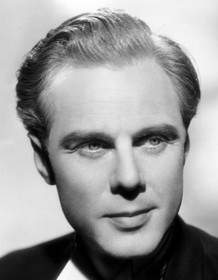
Maurice Guttenberg
Played by Marius Goring
A photographic pioneer who initially mentors Willie but resists giving him creative freedom. Their clash over technique pushes Willie to leave and strike out on his own, setting the stage for his independent studio experiments.
- 🧭 Mentor
- 🎭 Artistic difference
-
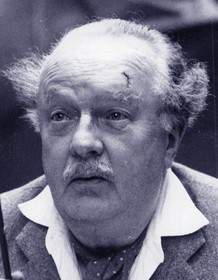
Fox Talbot
Played by Basil Sydney
The foundational photographic pioneer who inspires Willie’s early ambitions and frames his thinking about light, capture, and the potential of film. The film positions this encounter as formative, guiding Willie toward the dream of bringing colour to cinema.
- 📷 Pioneer
- 🧪 Scientific inspiration
-
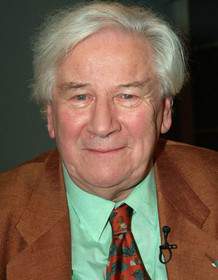
Arthur Collings
Played by Peter Ustinov
A businessman who supports Willie at first but becomes a representative of the commercial pressures surrounding early cinema. The partnership's fragility mirrors the broader struggle between artistic risk and financial feasibility.
- 💼 Business
- 🤝 Partnership
Where and When Is The Magic Box Set?
The Magic Box is set in London, Hyde Park and Bankruptcy Court (London) (1921 and early 1900s). Here is why the time and place matter to the story.
When
1921 and early 1900s
The film swings between the present 1921 conference in London and earlier decades when Willie pursued his early experiments in photography and colour processes. It evokes the dawn of cinema and the transition from still photography to moving pictures. The arc covers pre-war Britain through the early postwar atmosphere of ambition, debt, and artistic risk.
Where
London, Hyde Park, Bankruptcy Court (London)
The story unfolds primarily in London, a hub of early cinema and commercial filmmaking. Key sequences occur at a London film industry conference and at Hyde Park where Willie films relatives with his camera. The narrative also moves through a bankruptcy court in London, underscoring the financial pressures that haunt the Friese-Greene family. The locations serve as a backdrop to a life spent between invention and economic strain.
- 🗺️ Urban
- 🏙️ London
- 🎬 Film industry
What Are the Themes of The Magic Box?
3 ideas the story keeps returning to, among them Obsession, Innovation and Cinema as Language.
-
01
Obsession
Willie’s unyielding fixation on perfecting colour film drives him forward even as it erodes his finances and family life. The pressure to innovate consumes time, money, and relationships. The film portrays how one person’s dream of revolutionizing cinema can become a double-edged sword. The story shows the emotional cost when passion outpaces practical needs.
-
02
Innovation
The narrative centers on the restless pursuit of new technologies, from still photography to colour motion pictures. It highlights the tension between creative experimentation and the harsh economics of the film industry. The characters illustrate how breakthroughs often require risky bets and alliances that may falter. The tone celebrates curiosity as the engine of cinema’s evolution.
-
03
Cinema as Language
The clinching moment in 1921 frames cinema as a universal language capable of uniting diverse audiences. The film depicts the medium as a bridge between people, even as it tests the resilience of those who pioneer it. The pursuit of a shared visual grammar drives Willie to sacrifice, and Helena to preserve the family. It positions film as both art form and cultural force.
What Kind of Film Is The Magic Box?
Melancholic in tone, with slow pacing and a moderate story, going by the plot summary.
- Tone
- Melancholic
- Pacing
- Slow
- Story
- Moderate
- Intensity
- Medium
- Ending
- Bittersweet
A slow, melancholic biographical drama that paints a tragic portrait of obsessive genius, chronicling the heavy emotional toll of a man's artistic and financial struggles on himself and those who love him.
- melancholic
- obsessive
- reflective
- nostalgic
- desperate
- tragic
- obsession
- technological innovation
- sacrifice
- marital strain
Content notes: financial hardship, family separation, death of a protagonist.
Quiz
How well do you remember The Magic Box? Test yourself on the story.
Where to Watch The Magic Box
. US availability and prices from JustWatch.
Streaming availability in the US, powered by