

What Is This Happy Breed About?
The premise of This Happy Breed in 339 words, with nothing given away. The full story follows below.
In the quiet aftermath of the Great War, London awakens to a tentative optimism that filters through its soot‑stained streets and newly painted terraces. The film opens with an aerial glide over the capital, a voice‑over that sets a tone of hopeful reconstruction as men return to civilian life and houses once again become homes. Within a modest South London row house, the everyday rhythms of a growing family become a gentle lens through which an entire generation’s transition is observed.
At the heart of this domestic tableau is Frank Gibbons, a warm‑hearted former soldier who now steadies his family with practical determination, taking a job that connects the past’s battlefields with the present’s curiosity. His wife, Ethel, balances affection with the firm resolve of a matriarch, while the imposing presence of her mother, Mrs. Flint, adds a strand of old‑world authority. Sylvia, Frank’s widowed sister‑in‑law, lives under the same roof, her quiet resilience echoing the era’s understated strength. Their three children—Reg, Vi and Queenie—each embody a different facet of youthful aspiration, their personalities shaping the household’s lively, sometimes contentious, interactions. A long‑standing friendship with Bob Mitchell introduces another generational perspective, rounding out the intimate ensemble.
The film’s style is unhurried and observational, allowing the camera to linger on the modest details of daily life: a crystal radio humming in the living room, the soft glow of a kitchen lamp, the muffled chatter of neighbours across the pavement. While the narrative remains firmly rooted in the family’s private sphere, a subtle undercurrent of broader societal change runs just beneath the surface, hinting at the larger forces that will ripple through their world. The tone is both nostalgic and buoyant, inviting the viewer to feel the pulse of a period where ordinary moments carry extraordinary weight.
Through this richly textured portrait, the story promises a meditation on resilience, love, and the quiet courage required to stitch together a life amid the shifting tides of history, leaving the audience eager to watch how these ordinary lives navigate the inevitable currents ahead.
What Happens in This Happy Breed?
The complete story of This Happy Breed, from the first scene to the last, in 739 words (about 3 minutes). Spoilers throughout. Names in the text link to 1 cast member page.
Spoilers ahead
Laurence Olivier provides the opening narration over a moving aerial shot of 1919 London, setting a quiet, hopeful tone as the city begins to rebuild after four long years of war. “After four long years of war, the men are coming home. Hundreds and hundreds of houses are becoming homes once more.”
Set in South London, the film centers on the Gibbons family—Frank Gibbons [Robert Newton], his wife Ethel Gibbons [Celia Johnson], and their children Reg Gibbons [John Blythe], Vi Gibbons [Eileen Erskine], and Queenie Gibbons [Kay Walsh]—as well as Frank’s widowed sister Sylvia [Alison Leggatt] and Ethel’s mother. Frank, a warm and practical man, lands a job with a travel agency that arranges tours of the Western Front, a choice that both reflects and shapes the family’s postwar adjustments. The bustling city around them slowly adopts new entertainments and technologies, from the Wembley Empire Exhibition in 1924 to the purchase of a crystal radio around Christmas 1925, moments that symbolize a growing sense of modern life and shared optimism.
As the decade advances, the country faces its own tensions. The General Strike of 1926 finds Frank and Bob Mitchell [Stanley Holloway], a friend from his army days, volunteering as a bus driver and conductor, a small but telling sign of ordinary citizens stepping into responsibility during uncertain times. The events ripple through the family: Reg sustains an injury in a brawl, Vi blames her socialist boyfriend, Sam Leadbitter [Guy Verney], who had brought Reg into the fray, and the couple eventually marry despite the upheaval. Queenie, who moves with the family’s orbit, wins a Charleston contest in 1928, turning a moment of simple grace into another thread in the tapestry of their lives. The year 1929 brings the onset of sound film as Sam and Vi attend one of the new talking pictures, The Broadway Melody, and the wider world begins to echo of political change as news of the Nazi rise in Germany starts filtering into newspapers.
Reg’s marriage to Phyl—Phyllis Blake [Betty Fleetwood]—adds another layer to the family’s story, hinting at the compromises and tensions within close-knit households. Bob’s son Billy Mitchell [John Mills], who has joined the Royal Navy, becomes romantically entangled with Queenie. He asks her about other suitors, and she initially says nothing, prompting him to guess that the other man is married. The dynamics inside the house grow more complicated as the era’s shadows lengthen.
One night, after a drunken regimental reunion in 1931, Bob expresses his optimistic faith in the League of Nations, while Frank grows anxious about the Japanese invasion of Manchuria. They try to keep quiet, but their concerns wake Ethel, who sends Bob home and sends Frank to bed. A discovered letter reveals that Queenie has run off with the married man, a blow that Ethel receives with a stubborn, painful reserve and a vow never to forgive.
As years pass, the family endures sorrow: Reg and Phyl die in a car crash, and Ethel’s mother dies of pneumonia after influenza, while Aunt Sylvia discovers spiritualism. In Hyde Park, Frank and Ethel briefly witness a disturbing moment as a member of the British Union of Fascists tries to stir anti-Semitic sentiment among listeners. The political climate shifts with the 1935 general election, and Stanley Baldwin’s government comes to power.
In January 1936, King George V dies, and Frank and Ethel join the crowds filing past his coffin; less than a year later, King Edward VIII abdicates the throne, signaling another upheaval in the country’s story. By 1938, Neville Chamberlain returns from Munich, triumphantly announcing “peace in our time” to a cheering crowd outside 10 Downing Street, a moment Frank greets with disgust at what he fears lies ahead. On leave from the navy, Billy visits with news of Queenie, who—after being abandoned by her lover—had already opened a tearoom in France to make ends meet and regrets leaving home. Billy reveals that he has married Queenie and brought her back to London, and Ethel offers forgiveness.
With a new war looming despite emerging agreements, Queenie leaves her baby with her parents and sails to join her husband in Singapore. The family space shifts once more as Frank and Ethel move to a flat with Billy and Queenie’s son. The story closes on a contemplative note, with a long tracking shot of 1939 London that suggests both the resilience and fragility of a generation waiting for what comes next.
This Happy Breed Timeline: Every Key Event in Order
15 key events in the order they happen, from “Postwar London and the Gibbons' move” to “War looms and Queenie sails to Singapore”. 15 events name a place, across 6 locations.
- 1
Postwar London and the Gibbons' move
Laurence Olivier provides introductory narration over a moving aerial shot of 1919 London as the men return from four years at war. The Gibbons family settles into a rented house in South London, beginning peacetime life. Frank quickly finds work with a travel agency, arranging tours of Western Front battlefields.
When:1919 Where:London (South London)
- 2
Friendship with Bob Mitchell
Frank's neighbour Bob Mitchell, a friend from his army days, becomes a constant presence next door. The two men share stories, plans, and a sense of camaraderie as peacetime Britain slowly takes shape.
When:1919-1920 Where:London
- 3
Wembley Empire Exhibition
The family attends the British Empire Exhibition at Wembley in 1924, a symbol of postwar optimism. The outing marks a communal milestone for the community and the Gibbons.
When:1924 Where:Wembley, London
- 4
Crystal radio comes home
Around Christmas 1925, the Gibbons acquire their first crystal radio, bringing voices and music into the living room. The device ushers in a new era of home entertainment that the family enjoys together.
When:Christmas 1925 Where:London
- 5
General Strike and Reg injury
During the General Strike of 1926, Frank and Bob volunteer as bus driver and conductor, showing the era's solidarity and disruption. Reg is injured in a brawl, and Vi's relationship with Sam creates tension that the family must navigate.
When:1926 Where:London
- 6
Vi and Sam marry
Vi marries her socialist boyfriend Sam, reflecting shifting social patterns of the era. The couple's union sits alongside the continuing challenges and changes endured by the Gibbons family.
When:1926-1927 Where:London
- 7
Queenie Charleston win
In 1928, Queenie wins a Charleston dance contest, signaling the younger generation's embrace of modern swing and fashion. The win adds a touch of youthful hope to the family story.
When:1928 Where:London
- 8
Broadway Melody and growing concern
In 1929, Sam and Vi attend one of the new talking pictures, The Broadway Melody. Around the same time, news begins to appear about the electoral rise of the German Nazi Party.
When:1929 Where:London
- 9
Reg marries Phyl
Reg marries his girlfriend Phyl, marking another step in the family's evolving relationships. The wedding sits within a larger social shift as interwar Britain recalibrates traditional ties.
When:1930 Where:London
- 10
Regimental reunion and Queenie runs off
After a drunken 1931 regimental reunion, Bob expresses his faith in the League of Nations while Queenie runs off with a married man. Ethel confronts her daughter with anger, vowing never to forgive the betrayal.
When:1931 Where:London
Show the other 5 events of This Happy Breed Hide the last 5 events
- 11
Tragedies and spiritualism
Time passes and the family endures tragedy: Reg and Phyl die in a car crash, and Ethel's mother dies of pneumonia after influenza. Aunt Sylvia begins exploring spiritualism, hinting at the era's shifting beliefs.
When:Early to mid-1930s Where:London
- 12
Fascism in Hyde Park and a changing vote
In Hyde Park, Frank and Ethel briefly witness a British Union of Fascists speaker trying to stir anti-Semitic sentiment. The era's politics weigh on the family as Baldwin wins the 1935 general election.
When:1935 Where:Hyde Park, London
- 13
Royal transitions: George V dies and Edward VIII abdicates
January 1936 sees King George V die, and Frank and Ethel join the crowds filing past his coffin. The abdication of King Edward VIII later that year signals a turbulent royal transition.
When:1936 Where:London
- 14
Munich and peace in our time
In 1938, Neville Chamberlain returns from Munich celebrating 'peace in our time' with a cheering crowd outside 10 Downing Street, a moment Frank greets with disgust. Billy visits with news that Queenie, who had run a tearoom in France after leaving home, has married him and is back in London.
When:1938 Where:London; France
- 15
War looms and Queenie sails to Singapore
With war looming, Queenie leaves her baby with her parents and sails to join her husband in Singapore. Frank and Ethel move their family into a flat with Billy and Queenie's son as the film closes on 1939 London.
When:1939 Where:London; Singapore
Who Are the Main Characters in This Happy Breed?
10 characters, among them Frank Gibbons (Robert Newton), Ethel Gibbons (Celia Johnson) and Queenie Gibbons (Kay Walsh): who each one is and the part they play in the story. Every profile links to the actor’s page.
-
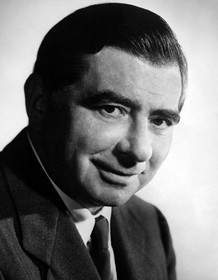
Frank Gibbons (Robert Newton)
Played by Robert Newton
Patriarch of the Gibbons family, Frank is practical, hopeful, and steadier in the face of postwar uncertainty. He works for a travel agency arranging tours of Western Front battlefields, connecting his family to history while seeking stability. He remains loyal to his wife and children, navigating his friendships and the era’s anxieties with quiet resolve.
- 👨👩👧👦 Family man
- 💼 Working life
- 🕊️ Stability
-

Ethel Gibbons (Celia Johnson)
Played by Celia Johnson
The matriarch who anchors the household with warmth and firm resolve. She supports Frank’s efforts to keep the family intact while managing duties and the complexities of her children. She confronts infidelity and loss with steady compassion, offering forgiveness and strength as the family endures hardship.
- 🧭 Family anchor
- 💪 Strength
- 🏡 Domestic life
-
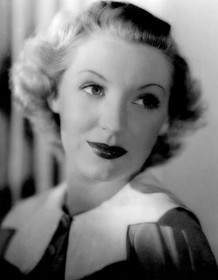
Queenie Gibbons (Kay Walsh)
Played by Kay Walsh
Oldest daughter who tests parental boundaries with a free-spirited streak. She runs off with a married man, later reconciles, and eventually marries Billy, starting a new life with him in London and later Singapore. Her choices illustrate the pull between romance and responsibility in a changing era.
- 💃 Rebellion
- 💖 Romance
- 🌍 Change
-
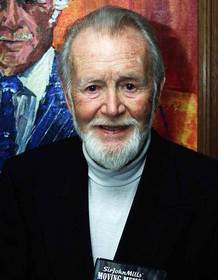
Billy Mitchell (John Mills)
Played by John Mills
Bob Mitchell’s son, a Royal Navy man who courts Queenie and eventually marries her. He embodies loyalty and pragmatism as the decade edges toward war, balancing family obligations with his own commitments. He brings energy to the family while navigating the era’s uncertainties.
- ⚓ Navy life
- 🫶 Romance
- 👪 Family ties
-
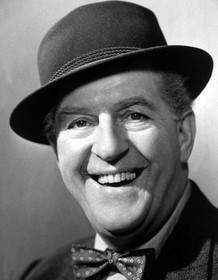
Bob Mitchell (Stanley Holloway)
Played by Stanley Holloway
Frank’s friend and next-door neighbor, a bus driver who participates in the 1926 General Strike and provides warmth and humor. His loyalty to Frank and the family grounds the social world around the Gibbons, offering camaraderie amid upheaval.
- 🚎 Working-class
- 🤝 Friendship
- 🗺️ Urban life
- RG
Reg Gibbons (John Blythe)
Played by John Blythe
Frank’s elder son whose life is cut short in a car crash, leaving a lasting impact on the family. His death deepens the parents’ grief and underlines the fragility of happiness in a time of changing social orders.
- 💔 Tragedy
- 👨👩👧 Family loss
- 🚗 Accident
- PB
Phyllis Blake (Betty Fleetwood)
Played by Betty Fleetwood
Reg’s girlfriend turned fiancée, whose engagement and later circumstances intersect with tragedy. Phyl represents the era’s social expectations for women and the impact of loss on family dynamics.
- 💍 Marriage
- ⚰️ Loss
- 👩👧 Resilience
- VG
Vi Gibbons (Eileen Erskine)
Played by Eileen Erskine
Frank’s daughter Vi, who navigates romance with Sam Leadbitter and ultimately marries him. Her arc reflects the era’s shifting attitudes toward love, class, and partnership in a transforming society.
- 💑 Romance
- 🗳️ Social change
- 👩❤️👨 Relationships
- SL
Sam Leadbitter (Guy Verney)
Played by Guy Verney
Vi’s socialist boyfriend who embodies the period’s political ideals and labor consciousness. While their relationship challenges conventional expectations, Sam represents engagement with the social issues of the day.
- 🌹 Political ideals
- 🪧 Social change
- 👨👩👧 Relationships
- AS
Aunt Sylvia (Alison Leggatt)
Played by Alison Leggatt
Frank’s widowed sister who explores spiritualism, reflecting the period’s fascination with mysticism as a coping mechanism for grief. Her presence adds a sense of superstition and communal memory within the family.
- 🔮 Spiritualism
- 👵 Family ties
Where and When Is This Happy Breed Set?
This Happy Breed is set in London and South London (1919–1939). Here is why the time and place matter to the story.
When
1919–1939
The action unfolds across the interwar years in Britain, tracking peacetime adjustment and social shifts. It spans events such as the 1926 General Strike and the era’s cultural changes—radio, cinema, and modern dances—while hinting at rising political tensions. The narrative culminates as the late 1930s bring anxiety about Nazi expansion and war, all set against a modernizing London.
Where
London, South London
The Gibbons family establishes a home in a rented house in South London, anchoring the story in a concrete urban neighborhood. The opening aerial view places 1919 London as a city rebuilding after four years of war. The film later moves through landmarks like Hyde Park and Wembley during the 1920s, illustrating everyday life amid exhibitions, dances, and new technologies.
- 🏙️ London
- 🧭 Interwar Britain
- 🏡 South London life
What Are the Themes of This Happy Breed?
4 ideas the story keeps returning to, among them Family & Home, Societal Change and Culture & Modernity.
-
01
Family & Home
The Gibbons family endures a decade of change with a steady home life at its center. Their routines—work, schooling, and domestic disputes—provide continuity amid social upheaval. The love and patience within the household help characters navigate loss, marriage, and responsibility.
-
02
Societal Change
The film situates ordinary lives within broader shifts—labor unrest, shifting gender roles, and the specter of extremist movements. The General Strike of 1926 and the encounter with a fascist speaker in Hyde Park highlight the era’s political tensions. Personal choices are shown as intertwined with the era’s evolving social and political landscape.
-
03
Culture & Modernity
Mass culture and modern technologies appear through dancing, cinema, and radio. The characters attend the Charleston contest, watch talking pictures, and experience public exhibitions, signaling a Britain rapidly absorbing new forms of entertainment. These cultural currents shape relationships and daily life within the family and community.
-
04
Memory & Nostalgia
Memories of war color the family’s present, especially through grief over Reg and other losses. Nostalgia for prewar certainties contrasts with the new social realities, influencing attitudes toward politics, progress, and personal choices. Memory serves as both comfort and a reminder of peace’s fragility.
What Kind of Film Is This Happy Breed?
Bittersweet in tone, with steady pacing and a moderate story, going by the plot summary.
- Tone
- Bittersweet
- Pacing
- Steady
- Story
- Moderate
- Intensity
- Medium
- Ending
- Bittersweet
A steady, reflective portrait of an ordinary family navigating two decades of joy and sorrow, creating a profoundly bittersweet and nostalgic viewing experience that balances personal resilience with the weight of history.
- nostalgic
- reflective
- somber
- resilient
- quietly moving
- enduring
- family saga
- generational change
- domestic life
- historical events
Content notes: war themes, death of family members.
Quiz
How well do you remember This Happy Breed? Test yourself on the story.
Where to Watch This Happy Breed
Stream it on Criterion Channel and Darkroom, or rent or buy it from Amazon Video and Apple TV Store. US availability and prices from JustWatch.
Stream 7
 Criterion Channel
  Darkroom
  Plex
Plex  Plex Channel
  The Roku Channel
  Tubi TV
  YouTube Free


Streaming availability in the US, powered by 


