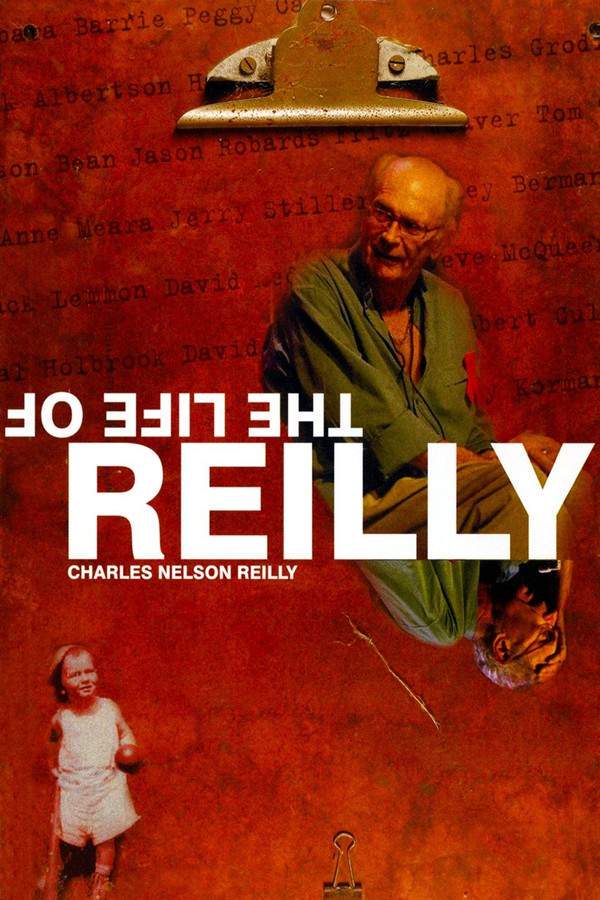
The Life of Reilly 2007

Directed by

Barry Poltermann
Made by

The Life of Reilly Plot Summary
Read the complete plot summary and ending explained for The Life of Reilly (2007). From turning points to emotional moments, uncover what really happened and why it matters.
The film opens with Reilly reminiscing about his childhood in the bustling environments of New York City and Connecticut, introducing us to his family—a father who would later be institutionalized, a mother who wielded a baseball bat alongside her racist tendencies, and a lobotomized aunt among others. Reilly cynically quips that Eugene O’Neill would never want to write about this family.
Before his father was sent to an institution, he was a talented Paramount Pictures poster artist who had a chance to collaborate with another illustrator on their debut animated film in color. However, this opportunity came with the catch of relocating to California, which Reilly’s mother quickly dismissed. This missed collaboration was with none other than Walt Disney, creating a pivotal moment in young Reilly’s life as he later reflects on the journey that ensued.
After his father’s descent into alcohol abuse and subsequent breakdown, the family moved from the Bronx to Connecticut, seeking refuge with Reilly’s maternal relatives. At the age of eighteen, Reilly made his way to New York City, where he pursued his acting dreams. He humorously notes that the actors of that era did something rare in today’s context: they actually studied their craft. Fueled by ambition and hunger, he enrolled in an acting class at HB Studios, known for its open-door policy that welcomed aspiring actors regardless of financial means.
Under the tutelage of the acclaimed actress Uta Hagen, Reilly found himself amongst a talented group that included future iconic figures such as Steve McQueen and Gene Hackman. As he candidly states, despite their aspirations, they were a cohort that “couldn’t act for shit.” During this time, a friend set up a meeting with a powerful NBC executive, but Reilly faced outright discrimination, being told, > “They don’t let queers on television.” In hindsight, he regarded it as merely a brief encounter, yet this prejudice couldn’t suppress his talent and perseverance.
Reilly broke through to Broadway, winning his first Tony Award for his performance in How To Succeed In Business Without Really Trying, as well as securing roles in the original casts of Bye Bye Birdie and Hello, Dolly! His television journey included notable appearances in shows like Car 54, Where Are You?, The Ghost & Mrs. Muir, and starring in Lidsville. He also became a recurring guest on The Tonight Show Starring Johnny Carson, ranking just behind Bob Hope in frequency of appearances.
As time went on, Reilly developed a routine of scouring the weekly TV Guide to tally up his numerous television slots, which sometimes surpassed a hundred in a week. He humorously mused about the NBC executive’s initial rejection, pondering, “Who do I have to &!$# to get off?!”
His career flourished, allowing him to transform his extensive experience into a teaching opportunity. A generous gift from his lifelong friend, Burt Reynolds, included a theater for teaching acting, which has since brought him fulfillment. As the film draws to a close, we see a poignant portrait of an artist—a man shaped by adversity who overcame prejudice and emerged as a beloved comedic figure. He stands not just as an entertainer, but also as a devoted son, a mentor, and a storyteller, living out what he describes as The twilight of an extraordinary life.
The Life of Reilly Timeline
Follow the complete movie timeline of The Life of Reilly (2007) with every major event in chronological order. Great for understanding complex plots and story progression.
Reilly's Childhood Memories
The film begins with Reilly reminiscing about his tumultuous childhood. He reflects on his experiences growing up in the bustling environments of New York City and Connecticut, painting a vivid picture of a challenging family dynamic.
Father's Artistic Aspirations
Before his father's institutionalization, he was a talented poster artist for Paramount Pictures. He had the chance to collaborate with Walt Disney on a groundbreaking animated film opportunity which required a move to California.
Mother's Dismissal
Reilly’s mother quickly dismissed his father's opportunity to relocate for work. Her refusal marked a significant turning point in Reilly's early life as it led to unfulfilled potential and hardship that would follow.
Family's Downfall
Following his father's descent into alcohol abuse and breakdown, the family was forced to move from the Bronx to Connecticut. This relocation was a desperate attempt to seek refuge with Reilly's maternal relatives.
New York City Dreams
At the age of eighteen, Reilly ventured into New York City, fueled by dreams of becoming an actor. He humorously noted that actors of that era were dedicated to studying their craft, a rarity in today’s context.
Enrolling at HB Studios
Driven by ambition, Reilly enrolled in an acting class at HB Studios, a place known for its open-door policy. This was a significant step for him, as it marked the beginning of his formal acting education.
Uta Hagen's Influence
Under the mentorship of acclaimed actress Uta Hagen, Reilly joined a talented and ambitious group of aspiring actors. Despite their shared dreams, he candidly reflected on their struggles and lack of skill during that time.
Facing Discrimination
At this stage in his career, a friend arranged a meeting with an NBC executive, but Reilly faced overt discrimination. Remarkably, he was told that 'they don’t let queers on television,' highlighting the prejudice of the industry.
Broadway Breakthrough
Reilly achieved a significant milestone by making his Broadway debut and winning his first Tony Award for his role in 'How To Succeed In Business Without Really Trying'. His talent began to gain recognition in the theatrical community.
Television Appearances
Reilly's television career blossomed as he appeared in popular shows like 'Car 54, Where Are You?' and became a recurring guest on 'The Tonight Show Starring Johnny Carson'. This success positioned him among the most recognized faces in American television.
Weekly TV Guide Routine
As his fame grew, Reilly developed a routine of checking the weekly TV Guide to tally his television appearances. He humorously described moments when he surpassed a hundred slots in a week, illustrating his hectic career.
Teaching Acting
Reilly transitioned from performing to teaching, utilizing his extensive experience in theater to mentor upcoming actors. His lifelong friend Burt Reynolds generously gifted him a theater, which became a hub for nurturing new talent.
Reflection on Life
As the film approaches its conclusion, Reilly reflects on his journey filled with adversity and triumph. He presents a poignant portrait of an artist who overcame prejudice and remains a beloved figure in entertainment.
Legacy of an Artist
Reilly's story encapsulates the essence of resilience and passion, culminating in him being more than just an entertainer. He is depicted as a devoted son, a mentor, and a storyteller, embodying what he calls 'The twilight of an extraordinary life.'
The Life of Reilly Characters
Explore all characters from The Life of Reilly (2007). Get detailed profiles with their roles, arcs, and key relationships explained.
Reilly
Reilly emerges as a multifaceted character shaped by his experiences, exhibiting a blend of humor, resilience, and vulnerability. He reflects on his childhood adversities, family dynamics, and his rise in the acting world, combining candid storytelling with self-deprecating wit. His journey from a struggling actor to a beloved figure in the entertainment industry reveals his depth and complexity.
The Life of Reilly Settings
Learn where and when The Life of Reilly (2007) takes place. Explore the film’s settings, era, and how they shape the narrative.
Time period
The events of the film reflect a bygone era in American theatre and entertainment, particularly highlighting the late 20th century's struggle for acceptance within the industry. The narrative is steeped in the cultural dynamics of the times, marked by societal prejudices and the evolution of performance arts. It showcases the contrasts between traditional theatre practices and the evolving landscape of television.
Location
New York City, Connecticut, California, Bronx
The movie traverses several significant places, with *New York City* serving as a vibrant backdrop for Reilly's acting aspirations. *Connecticut* is depicted as a refuge during family turmoil, while *California* represents missed opportunities in the burgeoning animation industry. The *Bronx* also plays a role in Reilly's early struggles, encapsulating the chaotic environment he grew up in.
The Life of Reilly Themes
Discover the main themes in The Life of Reilly (2007). Analyze the deeper meanings, emotional layers, and social commentary behind the film.
🎭
Identity
Reilly's journey is heavily influenced by his quest for identity amidst societal expectations and prejudice. The film reveals how his struggles with acceptance as a queer artist shaped his career and personal life. Through humor and resilience, Reilly navigates these challenges, ultimately fostering a powerful sense of self.
🌈
Perseverance
Despite facing discrimination and personal challenges, Reilly's tenacity shines through as a central theme. His unwavering ambition drives him to overcome barriers, leading to success on Broadway and television. This theme resonates as a testament to the power of resilience in the pursuit of one's dreams.
👨🎤
Creativity
Reilly's life as an artist reflects the essence of creativity intertwined with hardship. The film captures his artistic evolution, showcasing his experiences in acting, teaching, and mentoring aspiring performers. This portrayal underscores the importance of creativity as a means of self-expression and connection with others.

Coming soon on iOS and Android
The Plot Explained Mobile App
From blockbusters to hidden gems — dive into movie stories anytime, anywhere. Save your favorites, discover plots faster, and never miss a twist again.
Sign up to be the first to know when we launch. Your email stays private — always.
Explore the mobile appThe Life of Reilly Spoiler-Free Summary
Discover the spoiler-free summary of The Life of Reilly (2007). Get a concise overview without any spoilers.
In a world that flickers between the neon glare of post‑war New York and the quieter, cramped houses of Connecticut, Charles Nelson Reilly looks back on a life that feels both wildly comic and achingly tender. The film opens with his voice‑over, a mix of sharp wit and rueful reflection, as he sketches the chaotic tableau of a family shaped by a lobotomized aunt, an institutionalized father, and a mother whose harshness is softened only by the occasional absurdity of her own contradictions. This backdrop of hardship and humor sets a tone that is simultaneously intimate and far‑cavalier, inviting the audience to feel the weight of memory without ever spelling out every detail.
Against this personal storm, the bustling theatrical and television scene of mid‑century America emerges as a second character, its bright marquees and smoky rehearsal rooms offering both refuge and challenge. Young Reilly finds himself at an open‑door acting studio where the air buzzes with the restless energy of future legends, and a demanding mentor—Uta Hagen—pushes him to turn raw experience into disciplined craft. The contrast between the gritty streets he grew up on and the glittering stages he aspires to step onto creates a vivid, almost kinetic atmosphere, where every audition is a gamble and every laugh a small rebellion against the prejudices that linger in the industry.
At its heart, the story follows a man whose resilience is forged in the crucible of family dysfunction and societal bias, yet who discovers his own voice through relentless humor and a fierce love of performance. As he navigates a world that often tells him “they don’t let queers on television,” his quick wit and unapologetic sincerity become both shield and spear. The film’s mood balances bittersweet nostalgia with a buoyant, sardonic optimism, hinting at the extraordinary legacy he will craft—not through grand gestures, but through the countless, everyday moments where laughter triumphs over adversity.
Movies with Similar Twists and Themes
Uncover films that echo the narrative beats, emotional arcs, or dramatic twists of the one you're exploring. These recommendations are handpicked based on story depth, thematic resonance, and spoiler-worthy moments — perfect for fans who crave more of the same intrigue.


Featured on this page

What's After the Movie?
Not sure whether to stay after the credits? Find out!
Check out our other apps:

SAT Sphere
Build confidence for the Digital SAT.

Mori Atlas
Discover wild places worth protecting.

Luntero
Search smarter for a home in Amsterdam.

Plot Explained
Unravel movie endings and hidden clues.

Pokechamp
Dive into Pokémon data and battle logic.

Driving Theory
Get ready for your European theory test.

Movie Dust
Plan your next cinema trip with ease.

Musemap
Find art and culture as you travel.

Selkobase
Compare credentials before committing.

Local Manual
Turn an unfamiliar country into practical next steps.

Lernavi
Compare school systems before your next move.

GymRoam
Find a workout stop wherever your plans take you.
Explore Our Movie Platform
New Movie Releases (2026)
Famous Movie Actors
Top Film Production Studios
Movie Plot Summaries & Endings
Major Movie Awards & Winners
Best Concert Films & Music Documentaries
Movie Collections and Curated Lists
© 2026 What's After the Movie. All rights reserved.
Privacy Policy