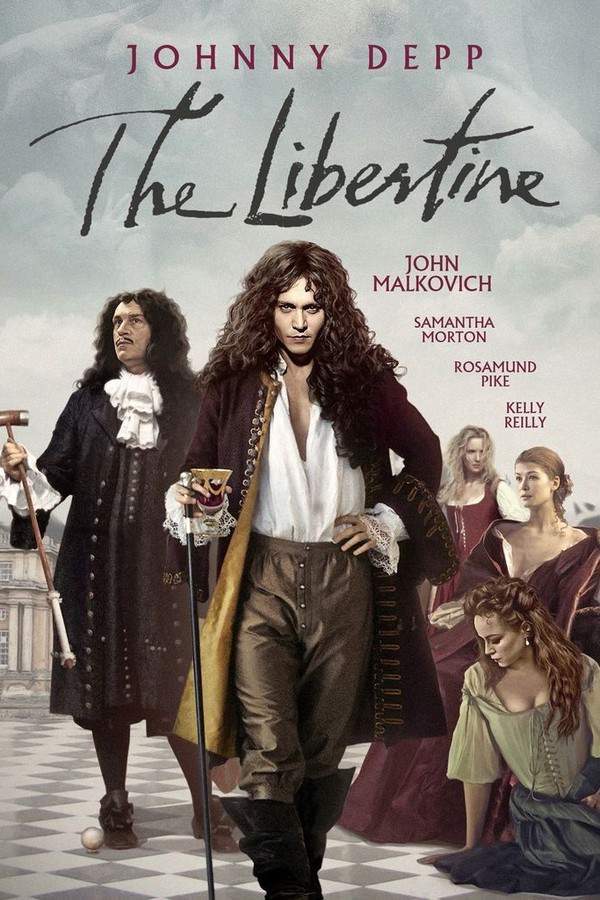
The Libertine 2005


Directed by

Laurence Dunmore
Made by

Weinstein Company, The
Where to Watch The Libertine
See current US streaming, rental, and purchase options for The Libertine (2005) via JustWatch.








The Libertine Plot Summary
Read the complete plot summary and ending explained for The Libertine (2005). From turning points to emotional moments, uncover what really happened and why it matters.
In 1675, Johnny Depp portrays John Wilmot, Second Earl of Rochester, delivering a vivid prologue that lays bare the man’s indulgent appetites: a fondness for drink, a restless sexual energy, and a biting contempt for the people who fill the audience around him. This opening sets a roguish, sardonic tone that will thread through his rise, his misadventures, and his ultimate decline.
Back in London, the political wheel turns in Rochester’s favor when King Charles II, John Malkovich, withdraws the Earl’s banishment because the crown has a use for him in the House of Lords. The earl reconnects with his notorious “Merry Gang”—George Etherege and Charles Sackville—in a bawdy venue that hums with conniving wit and drunken bravado. A chance street encounter with Alcock, a clever but unscrupulous thief, leads Rochester to hire him as his gentleman, expanding his circle of temptation and deceit. The Merry Gang also introduces a fresh, dangerous recruit, an 18-year-old named Billy Downs, whose presence carries its own set of risks. Rochester warns Downs in no uncertain terms: “Young man, you will die of this company,” signaling the perilous lure of the life he now advocates.
Their troupe attends a theater where the actress Elizabeth Barry is booed off the stage, dismissed when she refuses to take a curtain call, and subsequently fired. Rochester sees in Barry a rare talent and engineers her re-employment with the company. He takes on the role of mentor, coaching her in the craft of acting, and her abilities surge as a result. Under his tutelage, Barry delivers a performance of striking brilliance in her next production, a transformation that draws the attention of the court. The King, watching closely, hints at a dual purpose: he desires Barry to become a spy of sorts, to observe Rochester as he works toward a grand tribute to the French Ambassador. The intrigue thickens as power, art, and desire intersect behind the scenes.
Charles, seeking funds from France and craving a public monument to his reign, asks Rochester to craft a play in honor of the ambassador’s visit. Rochester rises to the challenge, composing Sodom, or the Quintessence of Debauchery, a scorching satire that he insists is “a monument to Charles”—the very thing the king requested, albeit delivered through a lens of sharp satire and biting audacity. The premiere becomes a volatile confrontation when the king interrupts the performance and confronts Rochester onstage, leaving the audience in stunned silence. Rochester flees London in the wake of the confrontation, a legacy of scandal trailing behind him.
Tension escalates as Downs is mortally wounded in a sword fight outside a constable’s residence, and Rochester, standing apart from the scene, whispers a rueful, regretful line: “I told you.” The earl’s life begins to spiral as he hides from the king in the English countryside, burdened by the physical toll of syphilis. He peddles phony gynecological “treatments” for women, marketing “potions” distilled from Alcock’s urine, a grotesque symbol of his decline and the scams that have become entwined with his fame. His face soon bears the marks of syphilitic gummata, and he disguises his deformity beneath a mask. Charles eventually tracks him down, but the punishment is severe in its restraint: the king’s verdict is that “the worst punishment possible is to simply ‘let you be you.’” Rochester returns to his estate and his wife, Elizabeth, who declares her enduring love for him, even as he remains haunted by what he has become.
Political drama intensifies as Charles’s choice of heir—the Roman Catholic James, Duke of York—sparks a heated parliamentary showdown over the Exclusion Bill. Rochester, who arrives in the Lords with the aid of disguises and artificial aids (make-up and a silver nose tip) to mask his symptoms, strides in hobbling on two canes. His fierce denunciation of the bill wins the king’s approval when the measure is defeated, illustrating how Rochester’s talents—fierce rhetoric and fearless honesty—still hold sway in the political arena, even as his body weakens. A dramatic revelation arrives in the talk of the theater: Rochester confesses a desire to make Elizabeth Barry his wife, only to discover she never desired to become anyone’s wife in the traditional sense. She reveals a secret of her own—the existence of a daughter she had with Rochester, a child whom he did not know existed, named Elizabeth.
Rochester returns to his estate to confront the physical and emotional toll of years of excess. He ends up bedridden, cared for by Elizabeth and his mother, as a priest is brought in to “bring God to him,” a final attempt to anchor his soul as he fights the encroaching end. Alcock remains a shadow in the background of these last chapters, a reminder of the morally ambiguous networks that sustained Rochester’s life. In his final hours, Rochester asks the priest to recite a passage from Isaiah, chapter 53, and begs Elizabeth to recount the story of how she was abducted when she was eighteen and how they fell in love, a memory thatTestifies to a complicated, intertwined history of romance, power, and risk.
Rochester’s death is followed by a haunting image: Elizabeth Barry stepping into the role of his wife in Etherege’s Man of Mode, a meta-theatrical echo of Rochester’s own life and the public theater that surrounded him. The epilogue fades into a candlelit hush, with Rochester slipping toward darkness and murmuring a final, intimate question that lingers in the air: Do you like me now?
Throughout, the film blends sharp social satire with intimate portraits of longing, friendship, ambition, and self-destruction. It tracks Rochester’s ascent among the Merry Gang, his high-stakes literary gambits, his volatile relationship with Elizabeth Barry, and his inexorable slide into physical decay and moral ambiguity. The result is a portrait of a man who could wield social influence with dazzling wit while also becoming a casualty of the very milieu he helped promote, leaving behind a scattered, controversial legacy that continues to spark discussion about art, power, and desire.
The Libertine Timeline
Follow the complete movie timeline of The Libertine (2005) with every major event in chronological order. Great for understanding complex plots and story progression.
Rochester's 1675 Prologue: Debauchery and Dismissal
Rochester delivers a provocative prologue that proclaims his fondness for drink, his sexual appetites, and his contempt for the audience. The moment sets the film's sardonic tone and frames the reckless path his life will take. It foreshadows the clashes between art, power, and desire that follow.
Charles II Reinstates Rochester in the Lords
King Charles II retracts Rochester's banishment because he needs the earl's talents in the House of Lords. Rochester returns from exile to a political stage where wit and audacity can still shape events. The renewed access to power pulls him deeper into court intrigues and personal temptations.
Rochester Rejoins the Merry Gang
Back in London, Rochester reconnects with his Merry Gang Etherege and Sackville in a bawdy house, resuming their raucous camaraderie. The reunion marks the onset of his renewed indulgence and the plotting that follows. Loyalties and schemes rapidly reconfigure his world.
Alcock: The Street Encounter and Hiring
On the street, Rochester meets Alcock, a crafty thief whose sharp tongue wins him a place in the earl's circle. He hires Alcock as his gentleman, trusting a man of deceit to serve his capricious needs. This alliance blurs the line between performance and manipulation that defines much of his life.
Billy Downs Joins the Crew
The Merry Gang introduces an 18-year-old Billy Downs to Rochester's circle. Rochester warns the young man that life in this company is perilous and corrosive. Downs becomes a symbol of youthful temptation and the dangers of this circle.
Elizabeth Barry Booed, Then Rehired
The company watches Elizabeth Barry booed off the stage and refuses to participate in a curtain call, leading to her firing. Rochester is drawn to her talent and secures her re-employment with the theatre company. He begins coaching her, guiding her toward greater stage craft.
Barry's Return: A Brighter Stage
Barry's acting improves dramatically, culminating in a brilliant performance in the next production. Rochester's mentorship helps unleash her star power, drawing audiences and critics alike. The pair's professional bond intertwines with personal tension as the season unfolds.
The King's Request: Barry Spying on Rochester
The King asks Barry to spy on Rochester as he pursues a tribute to the French Ambassador. Barry becomes a covert observer, blurring the lines between theatre, politics, and personal ambitions. Her position places her at the center of court intrigue surrounding Rochester and the king.
Sodom: The Monument to Charles
Charles asks Rochester to write a monument to his reign, and Rochester drafts Sodom, or the Quintessence of Debauchery, a biting satire depicting the king in compromising terms. The play becomes a vehicle for political critique wrapped in debauchery. The ambitious project tests Rochester's nerve and loyalty.
Premiere Fallout: The King Intervenes
At the premiere, the King interrupts the performance and confronts Rochester on stage, deeply offending him. Rochester flees London, leaving the spectacle and its consequences behind. The incident cements his reputation as a fearless yet reckless artist.
Downs is Mortally Wounded
Weeks or days after, Billy Downs is mortally wounded in a sword fight outside a Constable's home. Rochester stands back, whispering I told you, acknowledging the fatal consequences of their circle. The moment underscores the deadly stakes surrounding his associates.
Hiding, Illness, and Fraud
Rochester hides in the English countryside, sick with syphilis, and peddles phony gynecological treatments to women. He disguises his disfigurement with makeup and a silver nose tip. The sequence traces his fall from power into physical ruin.
Parliamentary Showdown and Disguise
Charles tracks Rochester but decides the worst punishment is to let him be himself. In Parliament, the Exclusion Bill showdown erupts, and Rochester arrives in the Lords disguised, hiding his illness with makeup and a cane. He denounces the bill, and the king's side wins when it is defeated, earning reluctant approval.
Barry's Revelation: Daughter Elizabeth
During a confrontation, Barry reveals that she never wanted to marry and that they share a daughter named Elizabeth. The revelation reshapes Rochester and Barry's relationship and adds a personal dimension to their intertwined fates.
Deathbed and Epilogue
Rochester returns to his estate, bedridden and cared for by Elizabeth and his mother. A priest is summoned to bring God to him as his mother refused to let him die an atheist. On his deathbed, Rochester asks for Isaiah 53 to be read and for Barry to recount how they first fell in love when she was eighteen. In the epilogue, Elizabeth Barry performs as his wife in The Man of Mode, the play about him, and the candlelight fades as he murmurs the final question, Do you like me now.
The Libertine Characters
Explore all characters from The Libertine (2005). Get detailed profiles with their roles, arcs, and key relationships explained.
John Wilmot, Earl of Rochester
A brilliant but self-destructive wit and libertine, Rochester leads a circle of bon vivants and theater lovers. His appetite for drink, sex, and provocation drives his art and his clashes with authority. As illness and disillusion mount, his charm masks a deep fear of insignificance and mortality.
King Charles II
The Restoration monarch who both profits from Rochester's talents and resents his satire. He alternately enjoys patronage of the arts and confronts the poet on stage when his image is mocked. His political instincts propel court intrigue and parliamentary battles that shape the era.
Elizabeth Barry
A gifted actress whose career is revived by Rochester's coaching. She becomes a focus of the royal theatre world and a personal revelation for Rochester, ultimately concealing and discovering truths about love, power, and legitimacy.
Alcock
A street thief whom Rochester hires as a gentleman, his dishonesty and streetwise cunning expose the moral looseness of the period. The character embodies the opportunistic underbelly of Restoration London.
Billy Downs
An 18-year-old new member of the Merry Gang, whose life is cut short when he is mortally wounded in a sword fight. Rochester warns him that such company will be deadly, foreshadowing the costs of their libertine circle.
The Libertine Settings
Learn where and when The Libertine (2005) takes place. Explore the film’s settings, era, and how they shape the narrative.
Time period
1670s–1680s
Set in the late 1670s through the early 1680s, the story situates John Wilmot within the court of King Charles II. It reflects the Restoration era's mix of theatrical flourishing, political maneuvering, and personal decadence. The timeline spans Rochester's rise, satire, decline, and death, against a backdrop of shifting royal favor and parliamentary tension.
Location
London, England, English countryside
The action centers in London during the Restoration, with scenes in bawdy houses and theatres, and in political spaces like the House of Lords. Some sequences move to the English countryside where Rochester hides while ill, underscoring the era's mix of urban indulgence and rural retreat. The setting is defined by courtly intrigue, patronage of the arts, and a culture of libertine excess.
The Libertine Themes
Discover the main themes in The Libertine (2005). Analyze the deeper meanings, emotional layers, and social commentary behind the film.
🍷
Hedonism
A central thread is the pursuit of pleasure through drink, sex, and spectacle. Rochester's life is a constant tasting of excess, and the Merry Gang embodies a culture where wit and libertinism outrank restraint. The film uses opulence, debauched parties, and bawdy performances to critique power, fame, and moral limits.
👑
Power
Power dynamics drive the plot as the king and Parliament manipulate culture, art, and personal lives. Charles II seeks monuments and control, even as he relies on Rochester's talent. The satire on the king's reign and the political maneuvering reveals how authority collides with personal freedom.
🎭
Theatre
The theatre world is both a stage and a battleground. Elizabeth Barry's career shows how performance can elevate or ruin a life, while Rochester writes a savage 'monument' to the king that tests loyalty and artistic integrity. The film explores performance, mentorship, and the power of audience reception.
💀
Mortality
Rochester's syphilitic illness marks the physical and moral decline that follows lavish excess. The mask he wears hides disfigurement and vulnerability, culminating in a dying bedside scene that reframes his life as a tragic ascent and fall. The film uses death to question the value of reputation and fame.

Coming soon on iOS and Android
The Plot Explained Mobile App
From blockbusters to hidden gems — dive into movie stories anytime, anywhere. Save your favorites, discover plots faster, and never miss a twist again.
Sign up to be the first to know when we launch. Your email stays private — always.
Explore the mobile appThe Libertine Spoiler-Free Summary
Discover the spoiler-free summary of The Libertine (2005). Get a concise overview without any spoilers.
In the roiling heart of Restoration London, the court of King Charles II is a glittering stage where ambition, appetite, and wit collide. Within this world of opulent banquets, smoky taverns, and a relentless appetite for spectacle, the Earl of Rochester — a man whose reputation for excess precedes him — moves like a comet, leaving trails of laughter and scandal in equal measure. His charisma draws a circle of fellow mischief‑makers, each eager to test the limits of propriety and power.
Robert (John) Wilmot, the Earl himself, is a paradox of sharp intellect and unbridled hedonism. Commissioned by the monarch to craft a theatrical tribute, he confronts the paradox of creating art that satisfies a king while refusing to be tamed by courtly expectations. His razor‑thin humor slices through decorum, yet a lingering yearning for genuine connection keeps him tethered to a world that both celebrates and condemns his freedoms.
Amid the swirling revelry, a talented actress named Elizabeth Barry emerges, her brilliance a flash of possibility against the backdrop of a society that often silences women’s voices. Their partnership hints at a volatile blend of mentorship, attraction, and the shared desire to push the boundaries of performance and self‑expression. Together they navigate the precarious dance of loyalty to the crown and the fierce urge to assert personal agency.
The film immerses the viewer in a vivid tableau of 17th‑century intrigue, where every witty exchange carries the weight of political consequence and every indulgent binge masks deeper insecurities. It is a story of a man who wields language as his weapon, striving to reconcile the intoxicating lure of liberty with the inexorable pull of duty, all set against the lush, decadent canvas of a court that is as unforgiving as it is enthralling.
Movies with Similar Twists and Themes
Uncover films that echo the narrative beats, emotional arcs, or dramatic twists of the one you're exploring. These recommendations are handpicked based on story depth, thematic resonance, and spoiler-worthy moments — perfect for fans who crave more of the same intrigue.

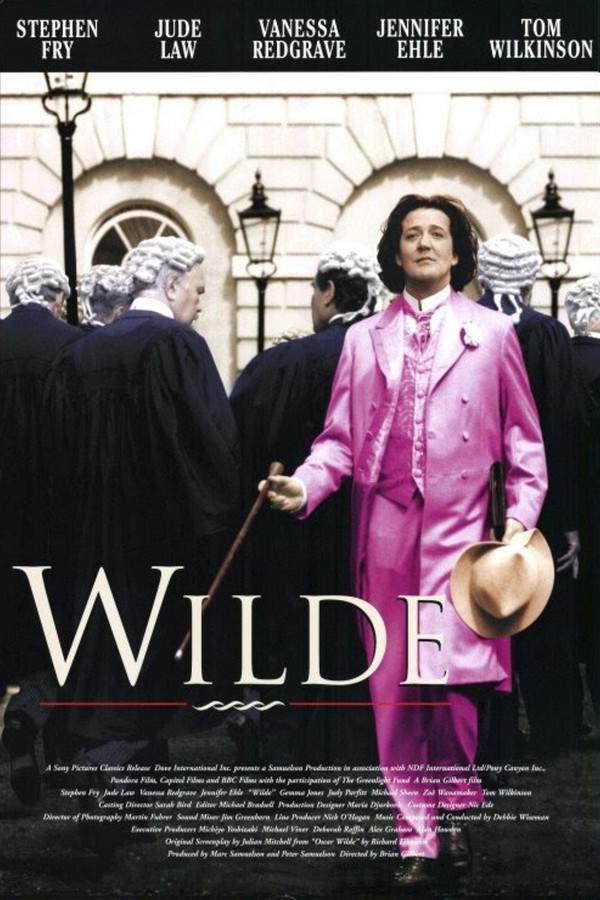
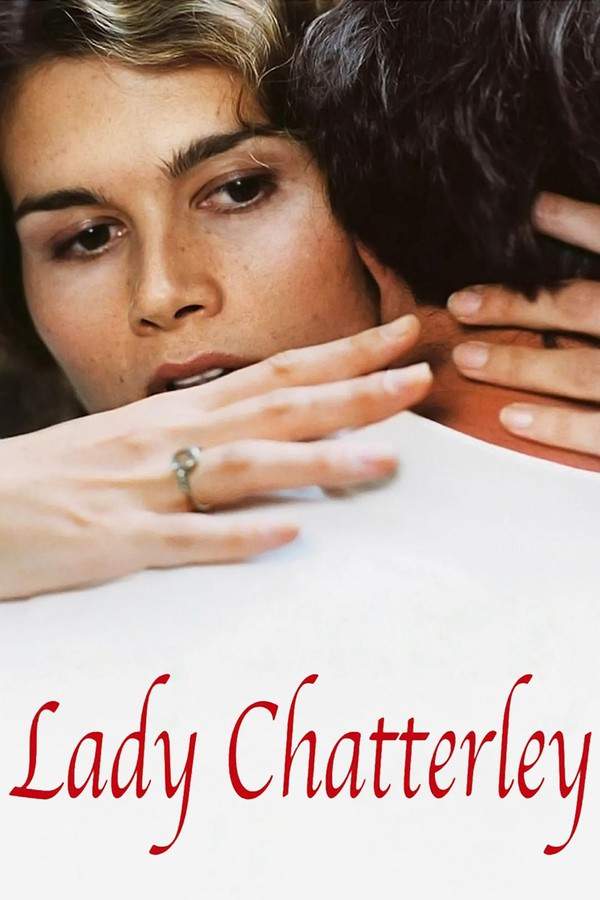
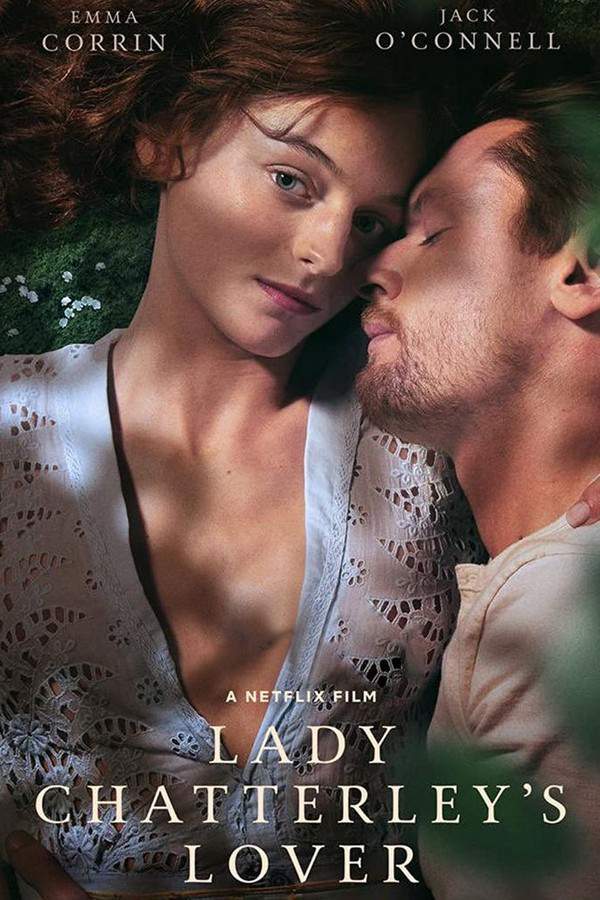

Featured on this page

What's After the Movie?
Not sure whether to stay after the credits? Find out!
Check out our other apps:

SAT Sphere
Build confidence for the Digital SAT.

Mori Atlas
Discover wild places worth protecting.

Luntero
Search smarter for a home in Amsterdam.

Plot Explained
Unravel movie endings and hidden clues.

Pokechamp
Dive into Pokémon data and battle logic.

Driving Theory
Get ready for your European theory test.

Movie Dust
Plan your next cinema trip with ease.

Musemap
Find art and culture as you travel.

Selkobase
Compare credentials before committing.

Local Manual
Turn an unfamiliar country into practical next steps.

Lernavi
Compare school systems before your next move.

GymRoam
Find a workout stop wherever your plans take you.
Explore Our Movie Platform
New Movie Releases (2026)
Famous Movie Actors
Top Film Production Studios
Movie Plot Summaries & Endings
Major Movie Awards & Winners
Best Concert Films & Music Documentaries
Movie Collections and Curated Lists
© 2026 What's After the Movie. All rights reserved.
Privacy Policy