What Is The Late Shift About?
The premise of The Late Shift in 282 words, with nothing given away. The full story follows below.
In the early 1990s, the glow of studio lights and the hum of late‑night audiences define a world where a single chair can shape an entire generation’s evenings. The suddenly announced retirement of Johnny Carson sends shockwaves through NBC’s corridors, turning a familiar routine into a high‑stakes chess game. The network’s sleek headquarters become a pressure cooker of ambition, gossip, and quiet maneuvering, all set against the backdrop of a nation tuned in at 11:30 p.m. for a blend of humor, news, and cultural commentary.
Two on‑air personalities emerge as the most likely heirs. David Letterman, the sardonic host of a rival program, brings a razor‑sharp wit and a loyal, cult‑like following that thrives on irony. Opposite him, Jay Leno, long‑time guest host with a more conventional, every‑man charm, exudes a breezy affability that the network hopes will translate into broader appeal. Behind Leno, the formidable Helen Kushnick steps in as a shrewd manager, her aggressive tactics hinting at a behind‑the‑scenes battle as intense as any on‑stage monologue. The tone of the competition crackles with a mix of dry comedy and corporate brinkmanship, turning every laugh track into a subtle signal of power.
Within NBC’s executive suite, seasoned veterans like Peter Lassally weigh the future of the franchise, while outside agents such as Michael Ovitz circle the periphery, offering tantalizing promises that could reshape the late‑night landscape. The stakes feel both personal and institutional: a coveted time slot, the legacy of an icon, and the ambitions of rising stars converge in a tense, almost theatrical atmosphere. As contracts are whispered and alliances tested, the audience senses a looming showdown that will define not just a program, but an era of television itself.
What Happens in The Late Shift?
The complete story of The Late Shift, from the first scene to the last, in 534 words (about 2 minutes). Spoilers throughout. Names in the text link to 1 cast member page.
Spoilers ahead
In 1991, behind-the-scenes network politics swirl around NBC’s late-night lineup as Johnny Carson, Rich Little—the longtime host of The Tonight Show since 1962—faces the reality of aging audiences and the impending need for a successor. The decision-making heat builds as talk of a future host becomes more urgent, setting the stage for a high-stakes contest that could reshape late-night television.
Two on-air contenders rise to the forefront: Jay Leno, [Daniel Roebuck], the show’s permanent guest host, and David Letterman, [John Michael Higgins], who leads the rival late-night program that follows Carson’s slot. Inside NBC, the feeling is that Letterman is the favored option, but there is pushback: Leno might appeal to a broader audience and be easier for the network to manage. Meanwhile, NBC insists Letterman’s contract terms are favorable enough to keep him locked in, at least in the eyes of many executives.
Behind the scenes, Helen Kushnick, [Kathy Bates], emerges as a forceful manager who pushes hard to secure Leno’s position, adopting aggressive negotiating tactics that blur the lines between shrewd and potentially unethical. Kushnick instructs Leno to stick to jokes and let her handle the business side. Her success is evident when she lands the producer’s role for The Tonight Show, but she does so with a whispered caveat: no public announcement will be made. Letterman remains convinced he is still in the running.
In the spring of 1991, Carson unexpectedly retires, and NBC bluntly informs Letterman that Leno will take over the Tonight Show. Leno assumes the role on May 25, 1992, while Kushnick’s coercive approach begins to alienate colleagues and guests, threatening NBC’s relationships and airtime. The network warns Leno that Kushnick must be dismissed; she is ultimately barred from the studio lot, and Leno fires her, ending their collaboration. The outcome leaves Letterman watching from the sidelines as NBC weighs its next move.
With Kushnick out of the picture, Letterman turns to Hollywood power broker Michael Ovitz, [Treat Williams], to negotiate his future. Ovitz delivers a bold pitch: Letterman will be offered an 11:30 p.m. slot across multiple networks. The promise is enticing but comes with a tangled web of contractual dynamics—Letterman is technically barred from negotiating with NBC’s competitors, and Ovitz soon secures interest from CBS, effectively guaranteeing Letterman an 11:30 p.m. show. Yet Letterman remains haunted by his dream of hosting The Tonight Show, and his fate hinges on what NBC can offer.
Peter Lassally, [Steven Gilborn], a producer with connections to both Carson and Letterman, presses NBC to present a counteroffer that would keep Letterman in the fold. His warning lands hard: NBC’s terms threaten to make Letterman “damaged goods” in the press, risking public backlash and undermining his future prospects. The pressure mounts as Letterman weighs his options against the rival lure of CBS.
Ultimately, Letterman declines NBC’s offer, choosing CBS’s path toward his own 11:30 show, which would become Late Show with David Letterman, slated to begin on August 30, 1993. The late-night battlefield intensifies as Letterman and Leno prepare to clash at the 11:30 slot: Letterman initially leads in the early ratings, but Leno soon re-establishes The Tonight Show’s dominance, setting the stage for a long-running late-night rivalry that reshaped American television.
The Late Shift Timeline: Every Key Event in Order
12 key events in the order they happen, from “Carson retires and NBC weighs a successor” to “The Tonight Show reasserts dominance; enduring rivalry”.
- 1
Carson retires and NBC weighs a successor
Johnny Carson, host of The Tonight Show since 1962, announces his retirement in spring 1991. Behind-the-scenes network politics heat up as NBC plans who will carry the show forward. The aging audience and changing times put pressure on NBC to identify a long-term replacement.
When:Spring 1991
- 2
Leno's manager Kushnick secures a path to The Tonight Show
Leno's manager, Helen Kushnick, uses aggressive negotiating tactics to secure the producer position for Leno under wraps. She insists that no public announcement be made, giving her leverage and control behind the scenes. Letterman remains in consideration, as NBC weighs terms that could keep him in play.
When:1991-1992
- 3
NBC informs Letterman Leno is chosen to replace Carson
In the spring of 1991, NBC informs an aggrieved Letterman that Leno has been selected to replace Carson. Letterman believes he remains in contention, while Leno's rollout is quietly coordinated. The decision sparks tension behind closed doors as the network moves toward a formal announcement.
When:Spring 1991
- 4
Leno takes over The Tonight Show
May 25, 1992 marks Leno's ascent to The Tonight Show host, stepping into Carson's long shadow. Kushnick's influence remains controversial among peers and guests, unsettling NBC staff and straining relationships. The transition signals a major shift in late-night television power dynamics.
When:May 25, 1992
- 5
Kushnick's tactics trigger NBC push to intervene
Kushnick's aggressive approach provokes complaints from colleagues and potential guests, drawing scrutiny from NBC executives. They warn that her methods could jeopardize the network's relationships and the show's harmony. Pressure mounts as Leno's new era begins amid controversy.
When:1992
- 6
Kushnick is dismissed; Leno ends the partnership
NBC fires Kushnick and bars her from the studio lot. Leno is angered by the near-loss of his dream job and ends his relationship with Kushnick after a heated confrontation. Kushnick's departure marks a turning point in NBC's control over the Tonight Show's future.
When:1992
- 7
NBC considers replacing Leno; Letterman learns of it
Leno eavesdrops on a meeting where NBC executives discuss the possibility of replacing him with Letterman. The revelation intensifies the rivalry and adds pressure on all parties involved. Carson's legacy and media scrutiny amplify the stakes.
When:1992
- 8
Ovitz negotiates for Letterman; CBS shows interest
Letterman hires Hollywood superagent Michael Ovitz to negotiate on his behalf. Ovitz promises not only an 11:30 p.m. show but also interest from CBS and other networks, broadening Letterman's options. CBS's offer becomes a major threat to NBC's position.
When:1992-1993
- 9
NBC's counteroffer and Lassally's role
Producer Peter Lassally, close to both Carson and Letterman, pushes NBC to present a counteroffer for The Tonight Show. The deal is weaker than CBS's offer, and NBC suggests Letterman would have to wait, warning of potential damage to his reputation if he moves too soon.
When:1993
- 10
Letterman declines NBC; accepts CBS for a new 11:30 show
Letterman rejects NBC's counteroffer and signs with CBS to host his own 11:30 p.m. program beginning August 30, 1993. The move sets the stage for a real late-night showdown at 11:30 between CBS and NBC. The decision ends years of negotiations and reshapes the late-night landscape.
When:August 30, 1993
- 11
Leno and Letterman duel at 11:30; initial ratings tilt
Letterman and Leno go head-to-head at 11:30, with Letterman initially winning in the ratings battles. The early results signal a serious challenge to The Tonight Show's dominance. Over time, Leno works to re-establish NBC's supremacy in late-night.
When:Fall 1993
- 12
The Tonight Show reasserts dominance; enduring rivalry
Despite Letterman's strong start, Leno solidifies The Tonight Show's dominance at the 11:30 time slot. The rivalry becomes a defining chapter in American television history, shaping how networks manage talent and brand identity for years to come. NBC ultimately maintains the Tonight Show's primacy in late-night programming.
When:1993-1994
Who Are the Main Characters in The Late Shift?
6 characters, among them Jay Leno (Daniel Roebuck), David Letterman (John Michael Higgins) and Helen Kushnick (Kathy Bates): who each one is and the part they play in the story. Every profile links to the actor’s page.
-

Jay Leno (Daniel Roebuck)
Played by Daniel Roebuck
Jay Leno is portrayed as a rising comedian who is positioned as the network's likely successor to Carson. He is cautious about Kushnick's aggressive tactics and worries about alienating Carson and the audience. He wants to secure the Tonight Show job while balancing loyalty and career ambition.
- 🎭 Celebrity
- 🧭 Loyalty
- 💼 Career-ambition
-

David Letterman (John Michael Higgins)
Played by John Michael Higgins
David Letterman is depicted as a long-time late-night host with his own ambitions, convinced he deserves the Tonight Show throne. He faces the threat of Leno's ascent and pursues a path to his own 11:30 show, seeking leverage through negotiations and alliances.
- 🎤 Host
- 🧭 Ambition
- 💬 Public image
-
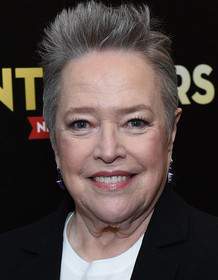
Helen Kushnick (Kathy Bates)
Played by Kathy Bates
Helen Kushnick is shown as Leno's aggressive manager who uses hard-nosed tactics to secure the position. Her methods create controversy and threaten relationships with guests and colleagues, culminating in her dismissal.
- 🎯 Manager
- 💼 Ethics
- 🤝 Tactics
-
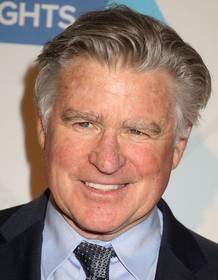
Michael Ovitz (Treat Williams)
Played by Treat Williams
Michael Ovitz is portrayed as a Hollywood superagent who negotiates blockbuster deals and promises broad options for Letterman, shaking up the late-night negotiation landscape.
- 💼 Agent
- 🧭 Negotiation
- 🌐 Influence
- PL
Peter Lassally (Steven Gilborn)
Played by Steven Gilborn
Peter Lassally, a producer close to Carson and Letterman, plays a pivotal role in guiding NBC's strategy and sustaining the push toward a new host while managing relationships.
- 🎬 Producer
- 🤝 Liaison
- 🏛️ TV History
- JC
Johnny Carson (Rich Little)
Played by Rich Little
Johnny Carson's retirement triggers the upheaval that starts the late-night succession race. His legend anchors the era even as he steps back, leaving others to compete for his throne.
- 🎤 Iconic Host
- 🌟 Legacy
- 🧭 Influence
Where and When Is The Late Shift Set?
The Late Shift is set in NBC Studios and The Tonight Show stage (1991-1993). Here is why the time and place matter to the story.
When
1991-1993
The spring of 1991 marks the start of a turbulent period as Carson nears retirement and Leno and Letterman jostle for the throne. NBC executives weigh contracts and public perception while negotiations ripple through the network. The period culminates with Leno taking over in 1992 and Letterman plotting a competing 11:30 show, with the reshuffle continuing into August 1993.
Where
NBC Studios, The Tonight Show stage
The events unfold inside NBC's production environment, centering on The Tonight Show studio where the show's future is negotiated. The NBC headquarters and studio lot act as a backdrop for executive meetings, deals, and strategic pressure. The setting captures the high-stakes atmosphere of American network television in the early 1990s.
- 🎬 TV Industry
- 🏢 Studio
- 🎭 Late-Night Show
What Are the Themes of The Late Shift?
4 ideas the story keeps returning to, among them Power Struggle, Loyalty vs Ethics and Legacy and Change.
-
01
Power Struggle
The late-night throne becomes a political battlefield where executives, agents, and hosts trade leverage. Decisions are driven by ratings, contracts, and public perception rather than idealized television loyalties. Kushnick's tactics reveal how control over airtime can determine a career's fate. The struggle exposes the fragility of long-standing television hierarchies.
-
02
Loyalty vs Ethics
Leno's loyalty to his mentor contrasts with the network's demand for control and reputational risk. Kushnick's aggressive negotiating methods raise questions about ethics in deal-making. Ovitz's interventions promise big outcomes but risk collateral damage to relationships. The narrative probes where personal loyalty ends and professional expediency begins.
-
03
Legacy and Change
Carson's retirement signals the end of an era and a fragile moment of transition for late-night television. The plot tracks how new talents must prove themselves while audiences and guests react to the upheaval. The shift from the Carson era to new formats highlights the economics and personalities that shape television history. Change is framed as both opportunity and risk for the networks.
-
04
Negotiation
The pursuit of the Tonight Show throne hinges on aggressive negotiations, lucrative offers, and strategic timing. Ovitz's high-stakes bargaining with NBC and CBS illustrates how power is brokered in Hollywood. The film shows how deals can reshape careers and alter the television landscape. It also reveals the delicate balance between creativity, business, and public expectations.
What Kind of Film Is The Late Shift?
Tense in tone, with steady pacing and a moderate story, going by the plot summary.
- Tone
- Tense
- Pacing
- Steady
- Story
- Moderate
- Intensity
- Medium
- Ending
- Mixed
A tense and businesslike drama that chronicles the high-stakes corporate power struggle behind the scenes of late-night television, marked by sharp dialogue and a constant undercurrent of professional anxiety.
- anxious
- strategic
- cutthroat
- businesslike
- frustrating
- ambitious
- professional rivalry
- media industry
- power struggle
- career ambition
Quiz
How well do you remember The Late Shift? Test yourself on the story.