
The House with Laughing Windows 1976

Directed by

Pupi Avati
Made by

A.M.A. Film
The House with Laughing Windows Plot Summary
Read the complete plot summary and ending explained for The House with Laughing Windows (1976). From turning points to emotional moments, uncover what really happened and why it matters.
Stefano, Lino Capolicchio, arrives in a quiet village in the Valli di Comacchio area to restore a fresco depicting what appears to be the martyrdom of Saint Sebastian, painted on a rotting wall of the local church by a mysterious, long-dead artist named Legnani. He takes up residence in the house that had been previously owned by the painter’s two sisters, a detail that adds a ghostly history to his assignment. In this austere setting, he begins a romance with a new, beautiful schoolteacher, Francesca, Francesca Marciano.
As he works, Stefano hears whispers among the townspeople about the painter’s deranged methods and choices. He learns that the artist – aided by his two equally insane sisters – derived his art from real life, and that the brutal torture and killings described in the stories may have fueled the horrific imagery on his canvases. This bitter legacy seems to loom over the fresco and the entire village, suggesting that the very painting Stefano is restoring could be entangled with murder and madness from the past.
Throughout the town, a creeping sense of danger grows as Stefano faces increasing resistance to his investigation. Some villagers are brutally killed, including his employer, a blow that shakes him and deepens the mystery. The locals’ reluctance to discuss the painter’s true nature only heightens Stefano’s resolve to uncover the truth behind the artist and the ominous lineage he left behind. With each discovery, the boundary between art and life blurs, and the slow-burning suspense intensifies in the sleepy countryside.
As Stefano presses on, the romance with Francesca becomes both a refuge and a stake in the unraveling plot. He finds himself torn between the quiet, almost lyrical cadence of village life and the darker current that runs beneath it, where real horror has fed art for years. The clues accumulate in a way that challenges Stefano’s perception of history, memory, and the power of images to haunt a community long after the artist’s supposed demise. In the end, the restoration project becomes a crucible where ambition, love, and fear collide, forcing Stefano to confront whether the truth he seeks can ever be fully separated from the blood-stained origins of the fresco he’s determined to save.
The House with Laughing Windows Timeline
Follow the complete movie timeline of The House with Laughing Windows (1976) with every major event in chronological order. Great for understanding complex plots and story progression.
Stefano arrives to restore the fresco
Stefano arrives in the village of the Valli di Comacchio to restore a fresco depicting Saint Sebastian. He takes up residence in the house that had belonged to the painter's two sisters, establishing a base from which he will observe the town. The task is framed by a sense of isolation and eerie atmosphere as old secrets loom.
Commission to restore the Saint Sebastian fresco
Stefano is tasked with restoring a fresco on the rotting wall of the local church, depicting Saint Sebastian, attributed to the mysterious long-dead artist Legnani. The village whispers about the painter's dark legacy, hinting that the restoration may uncover unsettling truths.
A new home among the painter's remains
Stefano begins living in the house formerly owned by Legnani's two sisters, immersing himself in the room where the fresco will be touched up. The quiet residence becomes a base for his growing observations of the village and its secrets. The arrangement also introduces him to the local atmosphere and its whispers about the painter.
A romance with Francesca
Stefano meets Francesca, a new and beautiful schoolteacher, and their relationship slowly develops amid the unsettled atmosphere. The bond offers him emotional respite as he confronts unsettling rumors about Legnani. The romance anchors a human counterpoint to the creeping dread surrounding the artwork.
Learning of the painter's madness
From townspeople, Stefano learns that Legnani was a madman who shaped his art from real life, a disturbing approach that casts doubt on the painting's origin. He realizes that the artist's gruesome fascination may inform the very execution of the Saint Sebastian fresco. The revelation unsettles his confidence in the restoration process.
The sisters' complicity
Stefano discovers that the painter was aided by his two equally insane sisters, who may still be connected to the present danger. The sisters are part of the dark legacy that haunts the village and the painting's truth. This knowledge deepens the mystery and raises the stakes of the restoration.
Art mirrors reality of crime
As the clues accumulate, Stefano suspects that the fresco's imagery mirrors real killings rather than merely telling a story. The line between art and murder blurs, fueling his fixation on uncovering Legnani's true crimes. The town's quiet façade begins to crack under the strain.
Brutal killings strike the village
Several villagers are brutally killed, including Stefano's employer, shattering the community's calm. The deaths intensify the sense that someone is weaponizing fear to stop his inquiry. Stefano's resolve to finish the fresco is tested by the danger closing in.
Suspicion of a deterrent killer
Stefano comes to suspect that the murderer is actively trying to deter him from discovering the full truth behind the artist and his ominous legacy. The town's silence and the killings point toward a deliberate campaign to halt the restoration of truth. He maintains his stubborn pursuit despite the threats.
Investigation continues amid danger
Despite escalating danger, Stefano continues the restoration work and pursues the connections between Legnani's life and the fresco. The tension between personal risk and artistic duty drives his choices in the days that follow. The village's ancient secrets seem to be closing in around him.
Legacy surfaces through clues
Fragments of Legnani's story surface through clues in the church, the sisters' past, and the painted scenes. Stefano pieces together how the killer's life fed the artist's terrifying imagery. The process tests both his skill as restorer and his grip on reality.
Truth remains hidden, Stefano's resolve
The film leaves a chilling sense that the full truth about Legnani's legacy is still hidden, and someone in the village works to keep it buried. Stefano becomes convinced that the murderer will try to deter him from uncovering the truth. Yet he shows resolve to press on and complete his uneasy task.
The House with Laughing Windows Characters
Explore all characters from The House with Laughing Windows (1976). Get detailed profiles with their roles, arcs, and key relationships explained.
Stefano (Lino Capolicchio)
An earnest fresco restorer who arrives to work on a rotting wall depicting Saint Sebastian. As he digs into Legnani's past, he uncovers a history of violence the town prefers to forget. His growing relationship with Francesca creates a fragile center amid escalating danger.
Francesca (Francesca Marciano)
A new, beautiful schoolteacher in the village who captures Stefano's interest. She represents warmth and possibility, yet becomes entangled in the mystery surrounding Legnani and the killings. Their relationship provides emotional tension as danger closes in.
Antonio Mazza (Giulio Pizzirani)
Stefano's employer who hires him to restore the fresco; he is killed as the mystery deepens, anchoring the stakes of the investigation.
Buono Legnani (Tonino Corazzari)
A member of the Legnani family linked to the painter's dark legacy; a killer or accomplice whose actions escalate danger for Stefano.
Legnani Sister (uncredited) (Eugene Walter)
One of the painter Legnani's two sisters, equally insane, who participates in the murders to inspire the artworks.
Franchini the Librarian (Luciano Bianchi)
Keeper of local lore who provides Stefano with clues about the painter's past and the town's secrets.
Mayor Solmi (Bob Tonelli)
The local mayor whose political influence and decisions reflect the dynamics of small-town life as the mystery unfolds.
Police Marshal (Ferdinando Orlandi)
The village's lawman who grapples with maintaining order while the murders shock the community.
Concierge (Ines Ciaschetti)
Concierge of the boarding house where Stefano stays; a quiet observer who notices oddities and chafing tensions.
The House with Laughing Windows Settings
Learn where and when The House with Laughing Windows (1976) takes place. Explore the film’s settings, era, and how they shape the narrative.
Time period
1970s
The story unfolds in a contemporary Italian village of the 1970s, where modern life collides with superstition and old secrets. The fresco restoration project and the painter's ominous legacy anchor the events in a specific era of rural life. As murders escalate, the atmosphere shifts from quiet normalcy to creeping dread.
Location
Village in the Valli di Comacchio, Italy
Set in a quiet village in the Valli di Comacchio region, the setting feels timeless and claustrophobic. Its aging church and decaying frescoes become the heart of the mystery. The locals' whispers hint at a brutal past tied to the painter Legnani and his family.
The House with Laughing Windows Themes
Discover the main themes in The House with Laughing Windows (1976). Analyze the deeper meanings, emotional layers, and social commentary behind the film.
🔍
Mystery
Stefano's task to restore a damaged fresco pulls him into a mystery rooted in art and violence. The villagers' memories and the painter's legacy blur the line between truth and rumor. The investigation is slowed by fear, superstition, and intimate knowledge locals keep about the past. Secrets surface gradually, threatening Stefano's safety and his fragile romance.
🗝️
Obsession
Obsession drives the painter Legnani and, by extension, the killings linked to his paintings. The pursuit of perfect art becomes a dangerous compulsion with real-world consequences. The restoration project mirrors a hunt for hidden answers, forcing Stefano to confront a monstrous lineage. The danger intensifies as the boundary between craft and murder blurs.
🖼️
Art and Death
The fresco of Saint Sebastian is more than decoration; it embodies the town's memory and guilt. Recreating the scenes tests Stefano's ethics and resolve. The work becomes a conduit for tragedy as art mirrors the killer's brutality. Painting functions as both evidence and weapon in the unfolding horror.

Coming soon on iOS and Android
The Plot Explained Mobile App
From blockbusters to hidden gems — dive into movie stories anytime, anywhere. Save your favorites, discover plots faster, and never miss a twist again.
Sign up to be the first to know when we launch. Your email stays private — always.
Explore the mobile appThe House with Laughing Windows Spoiler-Free Summary
Discover the spoiler-free summary of The House with Laughing Windows (1976). Get a concise overview without any spoilers.
In the quiet, marsh‑tangled valleys of the Valli di Comacchio, a centuries‑old church clings to a wall where a faded fresco of Saint Sebastian hangs, its colors bleeding into the crumbling plaster. The mural, rendered by an enigmatic, long‑dead artist, has become the focal point of a small village that seems to exist outside of time. When a young restorer arrives to preserve the delicate work, the project feels less like a routine commission and more like an invitation to step into a lingering mystery, where the very act of restoration threatens to stir the silent history etched into the stone.
The restorer, Stefano, takes up residence in a house once owned by the painter’s two sisters, a detail that imbues his stay with an uncanny sense of lineage. He soon meets Francesca, a new schoolteacher whose bright presence offers a gentle counterpoint to the village’s austere rhythm. Their budding connection weaves itself into the fabric of daily life, providing both a refuge and a subtle catalyst for the questions that swirl around the fresco and its creator. Whispers among the locals hint at the painter’s unconventional methods and the unsettling legacy left by his hands and those of his sisters, suggesting that the artwork may be more than a simple religious scene.
The film balances its measured, almost lyrical pacing with an undercurrent of unease, allowing the landscape and the faded mural to speak as much as the characters do. As Stefano delves deeper into the task, the line between art and lived experience begins to blur, and the quiet countryside reveals hidden currents that have shaped its identity for generations. The story invites viewers to contemplate how memory, obsession, and the act of preserving the past can echo long after the original hands have disappeared.
Movies with Similar Twists and Themes
Uncover films that echo the narrative beats, emotional arcs, or dramatic twists of the one you're exploring. These recommendations are handpicked based on story depth, thematic resonance, and spoiler-worthy moments — perfect for fans who crave more of the same intrigue.
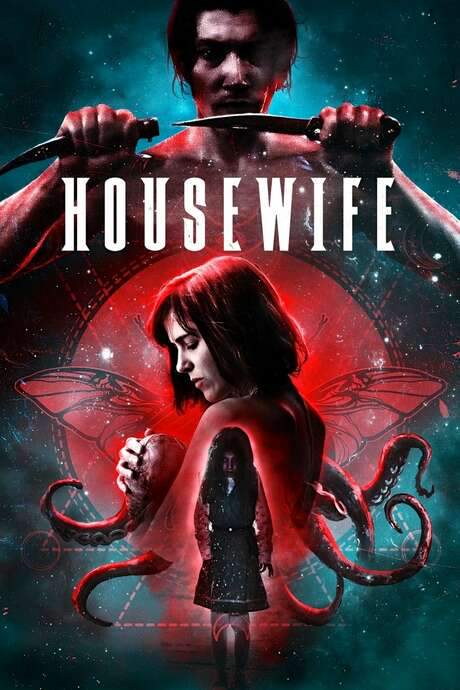


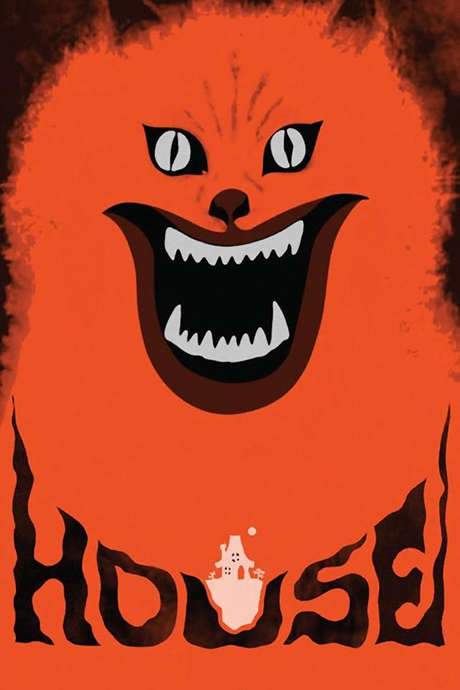


Featured on this page

What's After the Movie?
Not sure whether to stay after the credits? Find out!
Check out our other apps:

SAT Sphere
Build confidence for the Digital SAT.

Mori Atlas
Discover wild places worth protecting.

Luntero
Search smarter for a home in Amsterdam.

Plot Explained
Unravel movie endings and hidden clues.

Pokechamp
Dive into Pokémon data and battle logic.

Driving Theory
Get ready for your European theory test.

Movie Dust
Plan your next cinema trip with ease.

Musemap
Find art and culture as you travel.

Selkobase
Compare credentials before committing.

Local Manual
Turn an unfamiliar country into practical next steps.

Lernavi
Compare school systems before your next move.

GymRoam
Find a workout stop wherever your plans take you.
Explore Our Movie Platform
New Movie Releases (2026)
Famous Movie Actors
Top Film Production Studios
Movie Plot Summaries & Endings
Major Movie Awards & Winners
Best Concert Films & Music Documentaries
Movie Collections and Curated Lists
© 2026 What's After the Movie. All rights reserved.
Privacy Policy