


The Geisha House Plot Summary
Read the complete plot summary and ending explained for The Geisha House (1999). From turning points to emotional moments, uncover what really happened and why it matters.
In 1958, as Japan prepared to enforce the Anti-Prostitution Law, the story centers around the lives of women working at the Fujinoya Geisha House, under the guidance of Madam Satoe. Among them is Tokiko, a young maiko who is just beginning her journey into the world of traditional entertainment. Throughout her days, she witnesses various events that highlight the social tensions and personal struggles faced by women in her line of work. One such incident involves Terucho, a fellow geisha, who becomes furious when she discovers that Kimiryo has been sleeping with a client at the Momoyama Hotel. Additionally, Tokiko observes scenes of unrest, such as striking workers at Hinod Taxi being violently beaten by hired thugs, illustrating the turbulent atmosphere of the era.
The narrative also touches on the complex relationships between patrons and geishas. Mr. Yoshikawa, a tailor and a long-time patron of Madam Satoe for over ten years, suddenly stops visiting after his wife and daughter request him to cut ties. His son and his friends later visit the geisha house, where they are entertained by Terucho. During their conversation, it is revealed that Mrs. Yoshikawa may be disinherited for her wealth, prompting her son to threaten her financial stability. Despite the tension, Terucho advises him to continue his support of Madam Satoe if he truly cares about her, suggesting the importance of loyalty and connections.
Tokiko’s personal life gets more complicated as she returns home to find her sister, Fujiko, has quit school to work with their mother, while her unemployed brother, Sadao, spends his time drinking and neglecting the family’s needs. Meanwhile, Yamashita, a young man working at a sawmill, meets Tokiko and they share a moment over rice cakes, discussing their hopes and uncertainties about their futures.
The film takes a darker turn when Mr. Yoshikawa’s son resumes his visits to Terucho and engages in a sexual encounter. When his father finds out, he is furious and publicly disowns Terucho, even physically slapping her. The son then reveals that his actions were part of his plan to drive his father away from Madam Satoe. Subsequently, he sexually assaults Terucho, who later reports the incident to the police and plans to pursue legal action, fearing damage to the family’s reputation because of their engagement to another woman.
Meanwhile, Michiko, a bar owner, faces her own struggles. She borrows money from Madam Satoe to lend to the father of her young son, Ichiro. Sadly, the father disappears almost immediately, leaving her uncertain about his whereabouts despite their 15-year relationship.
As the story progresses, Madam Hanaman offers to support Tokiko’s debut as a maiko by covering the costs of her new kimono and debut party, in exchange for part of the earnings from her first client, the wealthy and elderly Mr. Tamura. Before securing a patron, Madam Satoe sells herself to a new sponsor to meet her financial needs. Tokiko, now bearing the geisha name “Omocha,” meaning “toy,” makes her debut and prepares to meet her first client with hope and trepidation, marking a significant milestone in her journey.
Throughout this poignant and layered narrative, the film explores themes of love, duty, societal expectations, and the harsh realities faced by women navigating a changing Japan on the brink of legal and social upheaval.
The Geisha House Timeline
Follow the complete movie timeline of The Geisha House (1999) with every major event in chronological order. Great for understanding complex plots and story progression.
Anti-Prostitution Law Approaches
In 1958, the societal backdrop is set with the impending implementation of the Anti-Prostitution Law, creating a tense environment for the geisha community. The law threatens to disrupt the traditional livelihood of the geishas and their hostesses, including Tokiko and Madam Satoe. This development influences many of the characters' decisions and actions throughout the story.
Tokiko Begins Her Work at Fujinoya Geisha House
Tokiko, a young maiko, works under Madam Satoe at the Fujinoya Geisha House. She observes the daily routines of geisha life and the relationships among the women, including conflicts such as Terucho's anger at Kimiryo for sleeping with a client. Tokiko’s initiation into geisha life is marked by her participation in these routines.
Witnessing Conflict Between Geishas
Tokiko witnesses a dispute where Terucho becomes angry with Kimiryo for sleeping with a client at the Momoyama Hotel. This incident highlights the complex relationships and tensions among the geishas, as personal relationships intertwine with professional boundaries.
Striking Workers and Violence
Tokiko observes striking workers at Hinod Taxi being beaten by hired thugs, exposing the harsh realities of labor disputes and violence in the city. This event underscores the social unrest and economic struggles faced by ordinary people during this period.
Mr. Yoshikawa's Patronage and Family Issues
The tailor Mr. Yoshikawa, a long-time patron of Madam Satoe, stops visiting after his wife and daughter request him to cease. His son and friends visit the geisha house, entertaining Terucho and revealing family dynamics. Mr. Yoshikawa’s family’s affections conflict with his patronage.
Yoshikawa's Son and Terucho
Mr. Yoshikawa's son visits Terucho and they engage in a sexual encounter. When Mr. Yoshikawa discovers this, he reacts angrily and cuts ties with Madam Satoe, showing the strain between personal desire and social reputation.
Further Conflict and Violence
The son admits to plotting to make Mr. Yoshikawa leave Madam Satoe and then proceeds to rape Terucho. She later reports the incident to the police and plans to take him to court, fearing damage to his reputation due to his engagement and social standing.
Michiko's Borrowing and Disappearance
Michiko, a long-standing bar owner and concubine, borrows money from Madam Satoe to support her young son Ichiro. However, her partner disappears to his hometown, leaving her uncertain of his whereabouts after 15 years of her devotion.
Tokiko’s Debut and Geisha Name
Tokiko receives a new geisha name, 'Omocha' (meaning 'toy'), from Madam Hanaman. She prepares for her debut as a maiko, a significant milestone in her career, and is set to meet her first client, Mr. Tamura, a wealthy 78-year-old man.
Financial Struggles and Patron Engagement
Madam Hanaman offers to cover part of Tokiko’s debut expenses in exchange for a share of her first client’s fee. Madam Satoe also sells her body for money to support her expenses, illustrating the financial hardships faced by the characters in this environment.
Tokiko’s Debut with Mr. Tamura
Tokiko makes her debut at her debut party and keeps her appointment with her first client, Mr. Tamura. This marks her official entry into the geisha profession amidst ongoing financial and social pressures.
The Geisha House Characters
Explore all characters from The Geisha House (1999). Get detailed profiles with their roles, arcs, and key relationships explained.
Tokiko (Omocha)
A young maiko navigating her debut in the traditional geisha world amid societal pressures and personal dreams. Her journey reflects themes of morality, change, and the struggle for independence within a restrictive environment.
Madam Satoe
The owner of Fujinoya Geisha House, she is resilient and pragmatic, managing her livelihood amid societal restrictions. Her decisions are influenced by economic necessity and the changing legal landscape.
Terucho
A geisha struggling with her reputation and personal dilemmas, especially after her relationship with her client and her confrontation with Mr. Yoshikawa's son. She embodies the conflict between personal desire and societal expectations.
Mr. Yoshikawa
A patron of Madam Satoe’s geisha house, his family represents the influence of wealth and social status. His actions reflect the power dynamics and the societal expectations of respectability in the period.
Yamashita
A young man working in a sawmill, representing the working-class youth concerned with their future amidst economic struggles. His interactions with Tokiko highlight hopes and aspirations outside the geisha world.
The Geisha House Settings
Learn where and when The Geisha House (1999) takes place. Explore the film’s settings, era, and how they shape the narrative.
Time period
1958
The story takes place during 1958, a period marked by significant social and legal changes in Japan. The Anti-Prostitution Law is about to be implemented, impacting the geisha culture and economy. This era was also characterized by modernization and shifting values post-World War II.
Location
Fujinoya Geisha House, Momoyama Hotel, Hinod Taxi, town, Tokiko's home
The movie is set primarily in a traditional geisha house in Tokyo during 1958, reflecting Japan's post-war cultural landscape. Key scenes also occur at a hotel and taxi stand, depicting the social stratification and working-class struggles of the time. Tokiko’s home provides a domestic view into family life amidst societal changes.
The Geisha House Themes
Discover the main themes in The Geisha House (1999). Analyze the deeper meanings, emotional layers, and social commentary behind the film.
⚖️
Legal Reforms
The imminent implementation of the Anti-Prostitution Law influences characters' lives, highlighting themes of morality, legality, and societal reform. The film explores how laws impact traditional social structures and individual choices.
🎭
Cultural Identity
Through the setting of a geisha house and traditional practices, the movie delves into Japan's cultural identity amidst modernization. It portrays the delicate balance between tradition and change faced by women and society.

Coming soon on iOS and Android
The Plot Explained Mobile App
From blockbusters to hidden gems — dive into movie stories anytime, anywhere. Save your favorites, discover plots faster, and never miss a twist again.
Sign up to be the first to know when we launch. Your email stays private — always.
Explore the mobile appThe Geisha House Spoiler-Free Summary
Discover the spoiler-free summary of The Geisha House (1999). Get a concise overview without any spoilers.
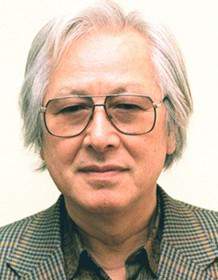
In the twilight of the 1950s, Japan stands at a crossroads where old customs brush against a wave of moral reform. The looming Anti‑Prostitution Law casts a quiet tension over the elegant yet fragile world of the geisha house, a place where centuries‑old rituals coexist with the hustle of an emerging modern economy. Director Kinji Fukasaku paints this era with a hypnotic, almost lyrical lens, letting the viewer feel the soft rustle of silk and the distant hum of protests that echo through narrow alleys. The atmosphere is one of restrained beauty, underscored by the uneasy awareness that change is inevitable.
At the heart of this delicate balance is a young woman known as Omocha. Driven by a fierce desire to lift her struggling family out of poverty, she eyes the path of the geisha with a mix of reverence and resolve. Through her eyes we glimpse the rigorous training, the intricate financial ties, and the quiet sacrifices that sustain the house. Her personal hopes are intertwined with the expectations of a community that values loyalty, grace, and perseverance, creating a portrait of ambition tempered by tradition.
Guiding her journey is Madam Satoe, the seasoned matron who navigates the house’s precarious finances while holding fast to its core values. Around them, a constellation of fellow women—Terucho, other seasoned geishas, and a cast of patrons—populate a world where whispered conversations and subtle exchanges hint at deeper social currents. The film captures the interplay of duty and desire, the unspoken bonds that hold the house together, and the gentle unease of a society on the brink of transformation, inviting the audience to wonder how each delicate thread will weave into the tapestry of tomorrow.
Movies with Similar Twists and Themes
Uncover films that echo the narrative beats, emotional arcs, or dramatic twists of the one you're exploring. These recommendations are handpicked based on story depth, thematic resonance, and spoiler-worthy moments — perfect for fans who crave more of the same intrigue.

Featured on this page

What's After the Movie?
Not sure whether to stay after the credits? Find out!
Check out our other apps:

SAT Sphere
Build confidence for the Digital SAT.

Mori Atlas
Discover wild places worth protecting.

Luntero
Search smarter for a home in Amsterdam.

Plot Explained
Unravel movie endings and hidden clues.

Pokechamp
Dive into Pokémon data and battle logic.

Driving Theory
Get ready for your European theory test.

Movie Dust
Plan your next cinema trip with ease.

Musemap
Find art and culture as you travel.

Selkobase
Compare credentials before committing.

Local Manual
Turn an unfamiliar country into practical next steps.

Lernavi
Compare school systems before your next move.

GymRoam
Find a workout stop wherever your plans take you.
Explore Our Movie Platform
New Movie Releases (2026)
Famous Movie Actors
Top Film Production Studios
Movie Plot Summaries & Endings
Major Movie Awards & Winners
Best Concert Films & Music Documentaries
Movie Collections and Curated Lists
© 2026 What's After the Movie. All rights reserved.
Privacy Policy