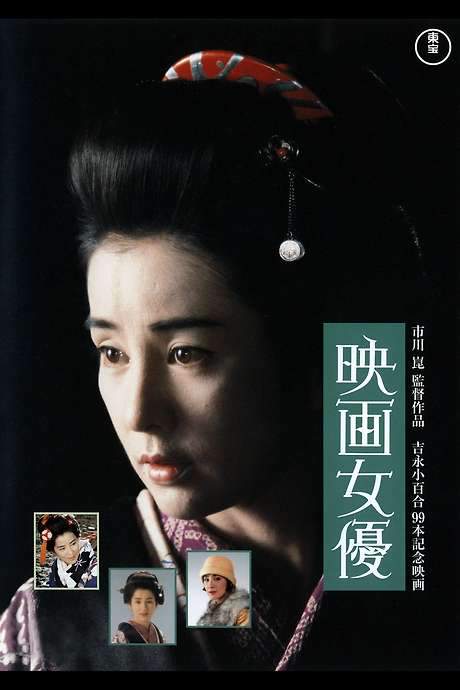
The Geisha House 1999


Set in the late 1950s as moral crusades threaten geisha tradition, the film follows Omocha (Miyamoto Maki), a determined girl who hopes becoming a geisha will lift her impoverished family. Through her eyes we see strict protocols, intricate financial ties and sacrifices that sustain a geisha house, captured in Fukasaku’s hypnotic direction.

Does The Geisha House have end credit scenes?
No!
The Geisha House does not have end credit scenes. You can leave when the credits roll.
Meet the Full Cast and Actors of The Geisha House
Explore the complete cast of The Geisha House, including both lead and supporting actors. Learn who plays each character, discover their past roles and achievements, and find out what makes this ensemble cast stand out in the world of film and television.

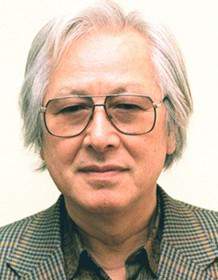
Takeshi Katô
Kitayama
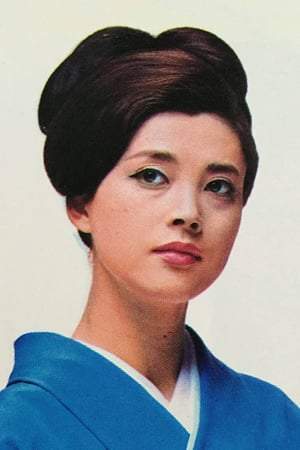
Mariko Okada
Hanaman's owner
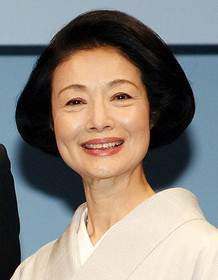
Sumiko Fuji
Satoe

Masahiko Tsugawa
Yoshikawa
Takashi Sasano
Kosaka
Kaho Minami
Terucho
Naomasa Musaka
Kayama
Yumiko Nogawa
Michiko
Seizō Fukumoto
Police detective
Noboru Mitani
Mikami
Mai Kitajima
Somemaru
Yasuyo Matsumura
Tokiko's mother
Maki Miyamoto
Tokiko aka Omocha
Ryoko Gi
Chinatsu Izumi
External Links and Streaming Options
Discover where to watch The Geisha House online, including streaming platforms, rental options, and official sources. Compare reviews, ratings, and in-depth movie information across sites like IMDb, TMDb, Wikipedia or Letterboxd.




Take the Ultimate The Geisha House Movie Quiz
Challenge your knowledge of The Geisha House with this fun and interactive movie quiz. Test yourself on key plot points, iconic characters, hidden details, and memorable moments to see how well you really know the film.
The Geisha House (1999) - Movie Quiz: A diverse quiz about the characters, plot, and themes of The Geisha House from 1999.
In what year is The Geisha House set?
Full Plot Summary and Ending Explained for The Geisha House
Read the complete plot summary of The Geisha House, including all major events, twists, and the full ending explained in detail. Explore key characters, themes, hidden meanings, and everything you need to understand the story from beginning to end.
In 1958, as Japan prepared to enforce the Anti-Prostitution Law, the story centers around the lives of women working at the Fujinoya Geisha House, under the guidance of Madam Satoe. Among them is Tokiko, a young maiko who is just beginning her journey into the world of traditional entertainment. Throughout her days, she witnesses various events that highlight the social tensions and personal struggles faced by women in her line of work. One such incident involves Terucho, a fellow geisha, who becomes furious when she discovers that Kimiryo has been sleeping with a client at the Momoyama Hotel. Additionally, Tokiko observes scenes of unrest, such as striking workers at Hinod Taxi being violently beaten by hired thugs, illustrating the turbulent atmosphere of the era.
The narrative also touches on the complex relationships between patrons and geishas. Mr. Yoshikawa, a tailor and a long-time patron of Madam Satoe for over ten years, suddenly stops visiting after his wife and daughter request him to cut ties. His son and his friends later visit the geisha house, where they are entertained by Terucho. During their conversation, it is revealed that Mrs. Yoshikawa may be disinherited for her wealth, prompting her son to threaten her financial stability. Despite the tension, Terucho advises him to continue his support of Madam Satoe if he truly cares about her, suggesting the importance of loyalty and connections.
Tokiko’s personal life gets more complicated as she returns home to find her sister, Fujiko, has quit school to work with their mother, while her unemployed brother, Sadao, spends his time drinking and neglecting the family’s needs. Meanwhile, Yamashita, a young man working at a sawmill, meets Tokiko and they share a moment over rice cakes, discussing their hopes and uncertainties about their futures.
The film takes a darker turn when Mr. Yoshikawa’s son resumes his visits to Terucho and engages in a sexual encounter. When his father finds out, he is furious and publicly disowns Terucho, even physically slapping her. The son then reveals that his actions were part of his plan to drive his father away from Madam Satoe. Subsequently, he sexually assaults Terucho, who later reports the incident to the police and plans to pursue legal action, fearing damage to the family’s reputation because of their engagement to another woman.
Meanwhile, Michiko, a bar owner, faces her own struggles. She borrows money from Madam Satoe to lend to the father of her young son, Ichiro. Sadly, the father disappears almost immediately, leaving her uncertain about his whereabouts despite their 15-year relationship.
As the story progresses, Madam Hanaman offers to support Tokiko’s debut as a maiko by covering the costs of her new kimono and debut party, in exchange for part of the earnings from her first client, the wealthy and elderly Mr. Tamura. Before securing a patron, Madam Satoe sells herself to a new sponsor to meet her financial needs. Tokiko, now bearing the geisha name “Omocha,” meaning “toy,” makes her debut and prepares to meet her first client with hope and trepidation, marking a significant milestone in her journey.
Throughout this poignant and layered narrative, the film explores themes of love, duty, societal expectations, and the harsh realities faced by women navigating a changing Japan on the brink of legal and social upheaval.

Coming soon on iOS and Android
The Plot Explained Mobile App
From blockbusters to hidden gems — dive into movie stories anytime, anywhere. Save your favorites, discover plots faster, and never miss a twist again.
Sign up to be the first to know when we launch. Your email stays private — always.
Explore the mobile appDiscover Film Music Concerts Near You – Live Orchestras Performing Iconic Movie Soundtracks
Immerse yourself in the magic of cinema with live orchestral performances of your favorite film scores. From sweeping Hollywood blockbusters and animated classics to epic fantasy soundtracks, our curated listings connect you to upcoming film music events worldwide.
Explore concert film screenings paired with full orchestra concerts, read detailed event information, and secure your tickets for unforgettable evenings celebrating legendary composers like John Williams, Hans Zimmer, and more.


The Geisha House Themes and Keywords
Discover the central themes, ideas, and keywords that define the movie’s story, tone, and message. Analyze the film’s deeper meanings, genre influences, and recurring concepts.

Unlock the World of Movies with Our Comprehensive Wiki
Dive into our Movie Wiki for in-depth film encyclopedia entries, including cast biographies, production trivia, plot synopses, behind-the-scenes facts, and thematic analyses. Whether you’re researching iconic directors, exploring genre histories, or discovering hidden easter eggs, our expertly curated movie database has everything you need to fuel your cinematic passion.
Similar Movies To The Geisha House You Should Know About
Browse a curated list of movies similar in genre, tone, characters, or story structure. Discover new titles like the one you're watching, perfect for fans of related plots, vibes, or cinematic styles.







Quick Links: Summary, Cast, Ratings, More

What's After the Movie?
Not sure whether to stay after the credits? Find out!
Check out our other apps:

SAT Sphere
Build confidence for the Digital SAT.

Mori Atlas
Discover wild places worth protecting.

Luntero
Search smarter for a home in Amsterdam.

Plot Explained
Unravel movie endings and hidden clues.

Pokechamp
Dive into Pokémon data and battle logic.

Driving Theory
Get ready for your European theory test.

Movie Dust
Plan your next cinema trip with ease.

Musemap
Find art and culture as you travel.

Selkobase
Compare credentials before committing.

Local Manual
Turn an unfamiliar country into practical next steps.

Lernavi
Compare school systems before your next move.

GymRoam
Find a workout stop wherever your plans take you.
Explore Our Movie Platform
New Movie Releases (2026)
Famous Movie Actors
Top Film Production Studios
Movie Plot Summaries & Endings
Major Movie Awards & Winners
Best Concert Films & Music Documentaries
Movie Collections and Curated Lists
© 2026 What's After the Movie. All rights reserved.
Privacy Policy