
The Fighting Lady 1944

Directed by
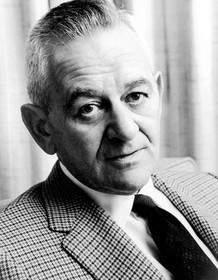
William Wyler
Made by

United States Navy
Where to Watch The Fighting Lady
See current US streaming, rental, and purchase options for The Fighting Lady (1944) via JustWatch.




Streaming availability powered by 
The Fighting Lady Plot Summary
Read the complete plot summary and ending explained for The Fighting Lady (1944). From turning points to emotional moments, uncover what really happened and why it matters.
This documentary-style war film follows the daily life of sailors aboard a U.S. Navy aircraft carrier during World War II. The carrier’s identity is kept secret, nicknamed The Fighting Lady, later revealed to be the USS Yorktown (CV-10). Some landing sequences were filmed aboard the Yorktown’s sister ship, the USS Ticonderoga. The carrier is commanded by Captain Joesph J. Clark (later Admiral), with an uncredited voiceover by Harry Morgan accompanying these scenes.
Two veteran narrators guide the viewer: Charles Boyer provides the French-language narration, while Robert Taylor handles the English version.
Much of the early portion is devoted to the rhythm of life on board—the routines, watches, meals, and the waiting that war demands. The film follows the ship as she sails from the Panama Canal into the Pacific, with aerial footage of strikes against Japanese bases, and notes the famous first strike on Marcus Island in late August 1943, where the action lasts three days.
After a successful attack on Kwajalein in early 1944, intelligence signals reveal that a large Japanese fleet is massing near Truk, a major logistical hub in the Carolines. The Fighting Lady and her task force embark on a fast, limited mission to neutralize the threat and then return to Marcus, deliberately avoiding a landing that would expose the crew to greater risk.
From there, the carrier moves to the waters off the Marianas and takes part in the celebrated Marianas Turkey Shoot, one of the pivotal air battles of the war, showcasing the carrier’s air Wing in action against Japanese aircraft.
Rounding out the film are appearances by real servicemen who lived through these events—from Dixie Kiefer appearing as himself to John S. McCain also appearing as himself. The film closes with a reflection on the cost of battle as some of these men are reintroduced, and the narrator notes that they have died in combat.
The Fighting Lady Timeline
Follow the complete movie timeline of The Fighting Lady (1944) with every major event in chronological order. Great for understanding complex plots and story progression.
Life aboard the Fighting Lady
The film opens aboard the aircraft carrier USS Yorktown (CV-10), showing sailors, pilots, and deck crews going through routines that keep the ship in fighting shape. It emphasizes the long stretches of waiting and maintenance that frame every sortie. The crew's camaraderie and discipline set the tone for life at sea during wartime.
Panama Canal to the Pacific
The Fighting Lady and her task force pass through the Panama Canal, crossing from the Atlantic into the Pacific theater. The crew adapts to new horizons, and routine flight operations begin to dominate daily life. The transition marks the shift from transit to frontline air warfare.
Marcus Island attack begins
Carrier aircraft from the Fighting Lady strike Marcus Island, targeting Japanese defenses and installations. The operation showcases the tempo of war and the importance of carrier power in the Pacific theater. The island’s fortifications resist, but the campaign continues beyond a single day.
Three-day Marcus Island bombardment
For three days, waves of aircraft bomb and probe Marcus Island, returning to the Yorktown for fuel and repairs between sorties. The crew endures fatigue and monotony punctuated by bursts of intense flight activity. The operation exemplifies the adage that war is largely about waiting and endurance.
Kwajalein assault
After Marcus Island, the fleet turns to Kwajalein Atoll to strike Japanese bases in the Marshall Islands. The strikes aim to cripple enemy bases and pave the way for further advances in the central Pacific. The operation highlights the scale of air power in island-hopping campaigns.
Intelligence on Truk massing
Intelligence reports reveal a Japanese fleet massing near Truk, a crucial logistics hub in the Caroline Islands. The warning prompts the task force to prepare for a fast, mobile strike rather than a landing. The sense of looming fleet engagement heightens the tension on board.
Hit-and-run raid on Truk
The Fighting Lady leads a hit-and-run raid to neutralize Truk's fleet and bases, avoiding a full landing. Planes overfly the lagoon, delivering strikes while keeping the ships ready for quick withdrawal. The operation emphasizes speed and surprise over prolonged occupation.
Return from Truk and regroup
After the Truk raid, the ship withdraws to rejoin the operations in the central Pacific and recuperates between sorties. The crew refits and readies for the next objective, maintaining high readiness with limited downtime. The return marks a shift from direct offensive action to strategic repositioning.
Move toward the Marianas
The Fighting Lady's group is redirected toward the Marianas, positioning off Saipan and Guam to support the broader campaign. The long voyage underscores the global scope of the war and the imperative of forward deployment. Aircraft prepare for major air operations over the Marianas.
Marianas Turkey Shoot
In the Marianas, carrier aircraft engage Japanese planes in the climactic air battles known as the Marianas Turkey Shoot. The film showcases pilots' skill, tight coordination, and the overwhelming advantage held by American air power. The action epitomizes the turning point in Pacific air superiority.
Aerial strikes across the Pacific
Aerial views capture repeated strikes against Japanese bases across the Pacific, illustrating the breadth of the campaign beyond a single target. Bombers and fighters radiate from the Fighting Lady and other carriers to press the offensive. These actions depict a sustained push to erode Japanese capacity.
Epilogue and casualties
In the closing moments, some of the servicemen who appeared in the film are reintroduced, and the narrator notes that others have died in battle. The film closes on memory and the cost of war. The epilogue ties together the hardships and sacrifices of those aboard the Fighting Lady.
Command under Captain Jocko Clark
The ship is commanded by Captain Joseph J. 'Jocko' Clark, whose leadership shapes the coordination and risk of carrier operations. His decisions guide flight operations during key engagements, earning the crew's respect. The film anchors its narrative in his command during these campaigns.
The Fighting Lady Characters
Explore all characters from The Fighting Lady (1944). Get detailed profiles with their roles, arcs, and key relationships explained.
Narrator (Charles Boyer)
Charles Boyer provides the French-language narration, offering a measured, reflective tone over the shipboard life. The narration frames the crew's days as a blend of routine and waiting, highlighting the discipline required during wartime. It anchors the film's documentary feel by guiding viewers through the carrier's rhythms and the crew's camaraderie.
Narrator (Robert Taylor)
Robert Taylor serves as the primary narrator, guiding audiences through the ship's daily life and the build-up to combat. His narration emphasizes the monotony, the humor, and the steady tension before action. It complements the footage of landings and airstrikes, grounding the documentary in a human perspective.
Captain Joseph J. 'Jocko' Clark
Captain Joseph J. 'Jocko' Clark is the commanding officer of the Yorktown during the depicted actions. The film presents him as a steady leader, shaping the ship's operations during critical strikes against Marcus Island, Kwajalein, Truk, and the Marianas. An uncredited voiceover by Harry Morgan is associated with Clark.
Himself (John S. McCain)
John S. McCain appears as himself, lending a real-world witness to the carrier's operations. His presence anchors the documentary-style portrayal of the crew's experiences in a broader wartime context. He contributes a veteran perspective to the film's events.
Himself (Dixie Kiefer)
Dixie Kiefer appears as himself, offering a first-hand account and personal perspective from aboard the ship. His presence adds a tangible human element to the documentary narrative.
The Fighting Lady Settings
Learn where and when The Fighting Lady (1944) takes place. Explore the film’s settings, era, and how they shape the narrative.
Time period
1943-1944
The narrative unfolds during World War II in the Pacific Theater. It covers the Marcus Island attack starting August 31, 1943, the early 1944 Kwajalein raid, and the massing of Japanese ships near Truk, followed by actions off the Marianas in the famed 'Marianas Turkey Shoot'.
Location
USS Yorktown (The Fighting Lady), Panama Canal, Pacific Ocean, Marcus Island, Kwajalein Atoll, Truk Lagoon, Marianas
Onboard the aircraft carrier nicknamed 'The Fighting Lady' and later identified as USS Yorktown (CV-10), the film follows sailors through daily routines and the long stretches of waiting before action. The ship sails through the Panama Canal into the Pacific, where it conducts airstrikes against Japanese bases. The setting emphasizes the carrier as a moving theater of war, blending cramped quarters, flight decks, and the constant readiness of a warship.
The Fighting Lady Themes
Discover the main themes in The Fighting Lady (1944). Analyze the deeper meanings, emotional layers, and social commentary behind the film.
🛡️
Duty
The film foregrounds the discipline and sense of obligation required of sailors living at sea. It portrayals the daily routine, waiting, and steady work that sustain a fighting ship in war. Duty is shown as a collective effort, where camaraderie and reliability underpin fragile moments of danger.
🎯
Strategy
Aerial campaigns and naval tactics are central to the narrative, from routine flight operations to the large-scale airstrikes against Marcus Island, Kwajalein, and Truk. The film emphasizes planning, precision, and the real-time decision-making that shapes success and peril at sea. The 'hit and run' approach to neutralizing enemy bases highlights the strategic tempo of the Pacific War.
🕯️
Remembrance
As the battles unfold, the documentary turns toward the costs of war. The film reintroduces several servicemen and closes with the sobering note that many would die in combat. It invites reflection on sacrifice, memory, and the personal toll of wartime service.

Coming soon on iOS and Android
The Plot Explained Mobile App
From blockbusters to hidden gems — dive into movie stories anytime, anywhere. Save your favorites, discover plots faster, and never miss a twist again.
Sign up to be the first to know when we launch. Your email stays private — always.
Explore the mobile appThe Fighting Lady Spoiler-Free Summary
Discover the spoiler-free summary of The Fighting Lady (1944). Get a concise overview without any spoilers.
Directed by Oscar-winner William Wyler, this 1944 documentary-style film plunges viewers into the heart of the Pacific theater during World War II. Shot by U.S. Navy cameramen in actual combat zones, the narrative centers on a newly commissioned aircraft carrier known only by her nickname, The Fighting Lady. With narration provided by Lieutenant Robert Taylor, the film functions as a tribute to the American carrier fleet, capturing the raw reality of naval warfare and the vessels that carried the fight across the ocean.
The film establishes a unique world where the massive vessel serves as both a home and a fortress for thousands of men. Under the command of Captain Joesph J. Clark, the crew navigates the transition from routine drills to the high-stakes environment of the Pacific. The early portion is devoted to the rhythm of life at sea, exploring the quiet moments of monotony, the shared meals, and the rigorous watches that define the daily existence of sailors waiting for their moment to engage the enemy.
As the ship sails from the Panama Canal into the vast ocean, the tone shifts from the mundane to the perilous. The viewer is introduced to the carrier’s capabilities during a raid on Marcus Island, signaling the start of a dangerous campaign against Japanese forces. Through this lens, the film captures the tension of aerial combat and the immense coordination required to operate a floating airfield in hostile waters.
Beyond the machinery and military strategy, the narrative is deeply rooted in the human element. Real-life servicemen, including Dixie Kiefer and John S. McCain, appear as themselves, grounding the story in authenticity. The film sets the stage for a meditation on the cost of duty, offering an immersive look at the lives of the men who fought and the price of their service.
Movies with Similar Twists and Themes
Uncover films that echo the narrative beats, emotional arcs, or dramatic twists of the one you're exploring. These recommendations are handpicked based on story depth, thematic resonance, and spoiler-worthy moments — perfect for fans who crave more of the same intrigue.


Featured on this page

What's After the Movie?
Not sure whether to stay after the credits? Find out!
Check out our other apps:

SAT Sphere
Build confidence for the Digital SAT.

Mori Atlas
Discover wild places worth protecting.

Luntero
Search smarter for a home in Amsterdam.

Plot Explained
Unravel movie endings and hidden clues.

Pokechamp
Dive into Pokémon data and battle logic.

Driving Theory
Get ready for your European theory test.

Movie Dust
Plan your next cinema trip with ease.

Musemap
Find art and culture as you travel.

Selkobase
Compare credentials before committing.

Local Manual
Turn an unfamiliar country into practical next steps.

Lernavi
Compare school systems before your next move.

GymRoam
Find a workout stop wherever your plans take you.
Explore Our Movie Platform
New Movie Releases (2026)
Famous Movie Actors
Top Film Production Studios
Movie Plot Summaries & Endings
Major Movie Awards & Winners
Best Concert Films & Music Documentaries
Movie Collections and Curated Lists
© 2026 What's After the Movie. All rights reserved.
Privacy Policy