
The End of Violence 1997


Directed by
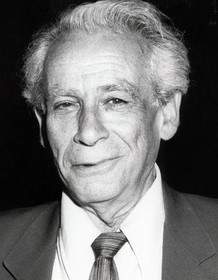
Samuel Fuller
Made by

Kintop Pictures
Where to Watch The End of Violence
See current US streaming, rental, and purchase options for The End of Violence (1997) via JustWatch.

Amazon Prime Video
HD
Amazon Prime Video with Ads
HD
fuboTV
HD
MGM Plus
HD
MGM Plus Roku Premium Channel
HD
MGM+ Amazon Channel
HD
Philo
HD
Tubi TV
SD
Amazon Video
HD
Apple TV Store
HD
Fandango At Home
HD
Google Play Movies
SD
YouTube
SD Streaming availability powered by 
The End of Violence Plot Summary
Read the complete plot summary and ending explained for The End of Violence (1997). From turning points to emotional moments, uncover what really happened and why it matters.
Film producer Mike Max, Bill Pullman, sits with a growing sense of unease about fear—the kind that gnaws at creativity, personal safety, and the everyday rhythms of a life lived in the glare of a public eye. The film opens with his outward success masking an inward jitter, a tension that intensifies when his wife Paige, Andie MacDowell, announces she is leaving him. The rupture of their marriage becomes a lens that sharpens Max’s sense that violence and betrayal could appear anywhere, even in the most controlled corners of the entertainment world.
A digital knock arrives in Max’s inbox: a document from a NASA employee he met earlier at a conference. The importance of this correspondence isn’t just technical—it signals a possible thread linking science, security, and something darker beneath the surface of public life. Before Max can open the file, a sudden, jarring crisis erupts: he is kidnapped and narrowly escapes death, a moment captured by surveillance cameras and later observed by Ray Bering, Gabriel Byrne, a computer scientist who happens to be examining the very footage in his Griffith Observatory laboratory. The scene is eerie and clinical, blending the cold precision of surveillance with the raw fear of an ordinary man dragged into extraordinary danger.
As the dust settles, it becomes clear that Max is not simply a victim but a person under active suspicion. He learns that he has been implicated in the deaths of two men who were shot during the incident—the very men who were said to have threatened him. In a bid for safety and clarity, Max seeks shelter with a group of Mexican gardeners who find him and choose to help him uncover who is really trying to kill him and why. Their quiet, practical kindness grounds the narrative while the danger around them grows more complex and systemic.
The plot thickens as Bering, who initially sent the email and recognized Max in the surveillance footage, confides in an intelligence agent about a sweeping, still-unapproved plan: a new anti-crime satellite surveillance program that would expand the reach of state power. The implicit message is brutal and blunt: anyone who interferes with this project could be targeted in a terminal fashion. The film threads this tension through the everyday life of Max, rendering fear not as a sensational backdrop but as a lived reality with consequences for truth, privacy, and power.
Complicating the chase is Detective Dean Brock, Daniel Benzali, who becomes a cautious ally. Brock’s instinct is to see Max as a person rather than a killer, a stance that leads him to press for dialogue with Bering as part of a larger attempt to disentangle the web of accusations surrounding Max. But the conversation takes a dark turn when Bering is assassinated while they are just beginning to speak, underscoring the thriller’s theme that information itself has become dangerous and that masking the truth can be deadly.
With the stakes raised to a frenzied pitch, Max is forced to confront a new reality: his life, his work, and his independence are all at the mercy of forces that operate beyond the ordinary rules of crime and punishment. He relinquishes his business and wealth to Paige, choosing a path away from the life that once defined him, in part as an act of protection for those he cares about and in part as a desperate bid to reclaim a shred of autonomy.
The narrative crescendos in a meditation on fear itself. What begins as a paranoid postulation about personal safety evolves into a more expansive meditation on the nature of attack and control in the modern world. The line between victim and agent blurs as Max shifts from a figure defined by his status and possessions to someone who must navigate a landscape where the most profound threats are tied to systems of surveillance, political power, and the uneasy alliance between security and civil liberties.
In the final moments, Max reflects on the paradox at the story’s heart: a real attack—not the imagined dangers that once haunted him—has liberated him from the crippling grip of fear. The film closes on a note of subdued acceptance, suggesting that survival may require both courage and surrender: courage to face a world where danger hides in plain sight, and the wisdom to relinquish a fixation on control when it no longer serves a humane, hopeful life.
Overall, the film blends a noirish meditation on fear with a careful examination of how modern surveillance, political ambitions, and personal relationships intersect to shape a man’s sense of safety. It is a patient, precise portrait of a life at the edge of trust, where the line between protection and oppression becomes increasingly difficult to discern—and where the only real escape from fear might be a redefined sense of self and purpose.
The End of Violence Timeline
Follow the complete movie timeline of The End of Violence (1997) with every major event in chronological order. Great for understanding complex plots and story progression.
Max confronts paranoia and an unraveling life
In the opening sequence, film producer Mike Max studies how fear of attack haunts his work and daily life. His worldview is unsettled when his wife Paige announces she’s leaving him, signaling a personal collapse. The moment plants the seeds of the paranoia that drives the rest of the story.
Paige declares she is leaving
Paige's decision exposes the fragility of Max's marriage and how his fixation on fear has affected their relationship. The sense of personal stability slips away as he faces both a professional and emotional crossroads. This break sets the stage for the events that follow.
A NASA-connected document arrives by email
Max receives a document via email from a NASA employee he met at a conference, a clue that promises significance beyond ordinary business. He hesitates to open it, thinking it could expose him to danger. The email introduces the conspiracy that will propel his pursuit of answers.
Kidnapping and the surveillance capture
Before Max can open the document, he is kidnapped and nearly killed, a brutal disruption that forces him into flight. The assault is captured by surveillance cameras, and computer scientist Ray Bering witnesses the scene from his Griffith Observatory lab. The event thrusts Max into a web of suspicion and danger.
Max escapes and is blamed for shootings
Max manages to escape, but police and others soon believe he is responsible for shooting the two men connected to the kidnapping. He becomes a fugitive, racing to prove his innocence while the true motives behind the attack remain hidden. The chase reframes his purpose from fear to survival.
Shelter with the Mexican gardeners
Seeking safety, Max finds refuge with Mexican gardeners who discover him and consent to help. They become his unlikely allies, offering support and resources as he begins to uncover who is trying to kill him and why. The gardeners introduce a grounded, human element to the conspiracy plot.
Bering's link and the anti-crime satellite warning
Bering, the man who sent the email, recognizes Max in the surveillance footage and discusses the case with an intelligence agent. The agent warns that anyone opposing a new anti-crime satellite program risks termination, hinting at a powerful motive behind the attacks. The conversation deepens the sense of systemic danger surrounding Max.
Detective Brock pursues the truth
Detective Dean Brock suspects that Max is not a killer and starts pursuing leads that point to a setup. On a tip, he arranges a meeting with Bering to gain clarity, signaling a potential turning point in the investigation. The tension escalates as the conspiracy tightens around them.
Bering is assassinated during the meeting
As Brock and Bering begin to speak, an assassin executes Bering, cutting short any chance for a straightforward explanation. The murder confirms the seriousness of the conspiracy and the danger facing anyone who tries to interfere. The moment destabilizes the investigation and raises the stakes for Max.
Max relinquishes his wealth to Paige
In a shifting sense of priorities, Max gives up his business and money to his wife as a sign of stepping away from his former life. This gesture marks a practical severing of his professional identity and a personal turn toward reconciliation. The act reflects his new attitude toward control and fear.
A real attack frees him from paranoia
The film ends with Max meditating on how a real attack has freed him from the crippling fear that defined his existence. He reframes his perception of threat, realizing that imagination had fueled his paranoia more than reality. The closing reflection signals a new equilibrium in his life.
The End of Violence Characters
Explore all characters from The End of Violence (1997). Get detailed profiles with their roles, arcs, and key relationships explained.
Mike Max (Bill Pullman)
A film producer who spirals into fear and suspicion after his wife Paige says she is leaving him. His paranoia is intensified by a series of violent events and the sense that surveillance is closing in on him. He longs for safety while navigating a world that feels simultaneously glamorous and hostile.
Paige (Andie MacDowell)
Mike’s wife who announces she’s leaving, triggering a cascade of psychological and relational fractures. Her decision exposes the fragility of personal life under a culture of intrusion and media scrutiny. She becomes a catalyst for Mike’s introspection as domestic life collides with public paranoia.
Ray Bering (Gabriel Byrne)
A computer scientist who recognizes the surveillance footage and becomes embroiled in a larger intelligence scheme. His actions and later murder drive the investigation and raise questions about who controls information and how it is used.
Detective Dean Brock (John Diehl)
A detective who suspects that Mike is not a killer and pursues leads, meeting with Bering as the case unfolds. He embodies the procedural aspect of the investigation and the tension between doubt and certainty in a world full of ambiguity.
The End of Violence Settings
Learn where and when The End of Violence (1997) takes place. Explore the film’s settings, era, and how they shape the narrative.
Time period
Late 1990s
Set in the late 1990s, the film sits at the crossroads of contemporary media culture and rising surveillance concerns. The period features emerging technology and public debates about privacy, security, and the reach of institutional power. This near-present timeframe anchors the paranoia in a recognizable era of cameras, emails, and high-stakes media politics.
Location
Los Angeles, California, Griffith Observatory
The story unfolds mainly in Los Angeles, a city synonymous with media power and celebrity. Key scenes take place around the Griffith Observatory, a landmark that symbolizes science, public access, and the omnipresence of observation. The urban landscape contrasts a glittering entertainment world with a pervasive atmosphere of fear and control.
The End of Violence Themes
Discover the main themes in The End of Violence (1997). Analyze the deeper meanings, emotional layers, and social commentary behind the film.
🕵️♂️
Paranoia
Paranoia drives the narrative as fear of attack and the sensation of being watched reshape personal choices. The protagonist’s mistrust blurs the line between threat and reality, affecting relationships and decisions. The film uses this mood to critique how fear can be manufactured and exploited within a media-saturated society.
📡
Surveillance
Surveillance is both a plot mechanism and a social force, visible in surveillance footage, emails, and intelligence chatter. The protagonist becomes a target of monitoring, while others manipulate information to steer outcomes. The story probes who watches the watchers and what happens when surveillance translates into policy and power.
🎬
Media Power
The film critiques the influence of the film industry and media on truth, safety, and personal life. It shows how reputation, sensationalism, and corporate interests can distort reality and justify coercive actions. Through the protagonist’s ordeal, it questions whether entertainment, profit, and ethics can coexist without compromising humanity.

Coming soon on iOS and Android
The Plot Explained Mobile App
From blockbusters to hidden gems — dive into movie stories anytime, anywhere. Save your favorites, discover plots faster, and never miss a twist again.
Sign up to be the first to know when we launch. Your email stays private — always.
Explore the mobile appThe End of Violence Spoiler-Free Summary
Discover the spoiler-free summary of The End of Violence (1997). Get a concise overview without any spoilers.
In the glittering yet precarious world of Hollywood, success is measured in box‑office numbers while uncertainty lurks behind every bright marquee. The city pulses with a restless energy, where the promise of fame is shadowed by the constant hum of surveillance and the whisper that nothing truly endures. This volatile backdrop sets the tone for a story that examines how fear and the desire for control can shape lives that seem, on the surface, perfectly curated.
Mike Max is a seasoned film producer whose career has been built on spotting the next big story, yet he finds himself haunted by a growing paranoia that the very industry he commands may be turning against him. His marriage to Paige is fraying, and her decision to leave adds a personal fissure to his uneasy equilibrium. Across the city, Ray Bering, a meticulous computer scientist stationed at the Griffith Observatory, watches the endless streams of data that blanket the metropolis, while Dean Brock, a seasoned detective, navigates the thin line between law and the hidden currents that drive it. An unnamed surveillance agent operates in the periphery, embodying the ever‑present eye that watches from above.
When a botched abduction shatters the routine of these four strangers, their paths converge in a knot of mystery that is amplified by the omnipresent lenses of security cameras and the looming prospect of an “anti‑crime” satellite program yet to receive congressional approval. The incident forces each character to confront the very anxieties they have tried to suppress—whether it be the fear of professional obsolescence, marital dissolution, technological overreach, or institutional distrust. The narrative unfolds with a moody, almost noir quality, blending the glossy veneer of movie‑making with the stark realities of modern surveillance.
Against this tapestry of glamour and dread, the film invites viewers to linger on the uneasy feeling that an unseen threat can turn everyday existence into a meditation on vulnerability. The characters’ intertwined journeys hint at deeper questions about control, observation, and the fleeting nature of security, leaving the audience to wonder what lies beyond the screen’s flickering glow.
Movies with Similar Twists and Themes
Uncover films that echo the narrative beats, emotional arcs, or dramatic twists of the one you're exploring. These recommendations are handpicked based on story depth, thematic resonance, and spoiler-worthy moments — perfect for fans who crave more of the same intrigue.
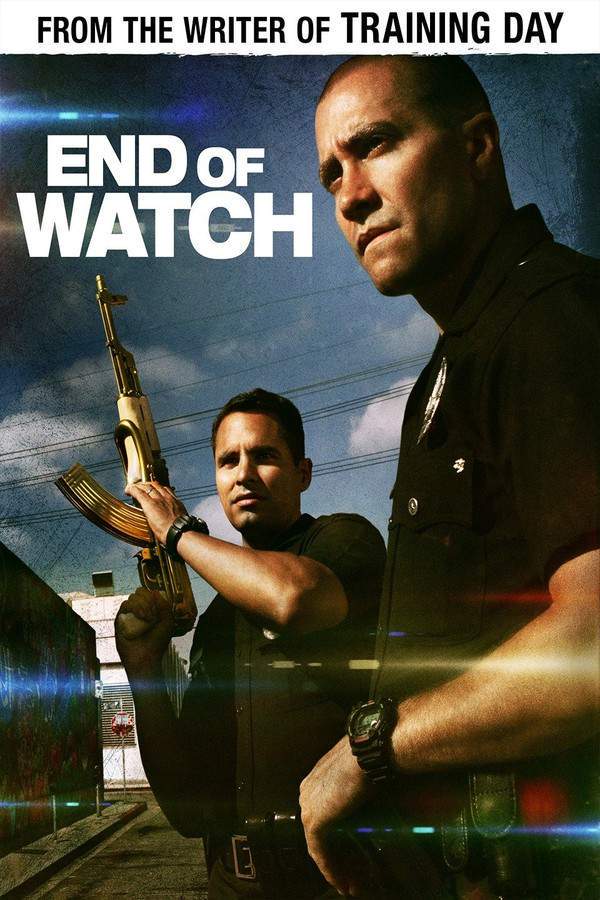
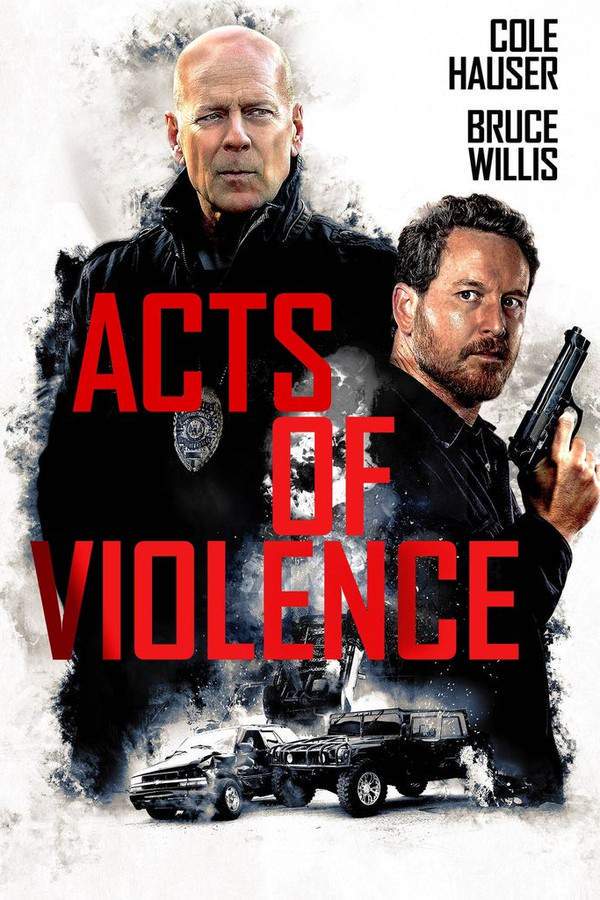


Featured on this page

What's After the Movie?
Not sure whether to stay after the credits? Find out!
Check out our other apps:

SAT Sphere
Build confidence for the Digital SAT.

Mori Atlas
Discover wild places worth protecting.

Luntero
Search smarter for a home in Amsterdam.

Plot Explained
Unravel movie endings and hidden clues.

Pokechamp
Dive into Pokémon data and battle logic.

Driving Theory
Get ready for your European theory test.

Movie Dust
Plan your next cinema trip with ease.

Musemap
Find art and culture as you travel.

Selkobase
Compare credentials before committing.

Local Manual
Turn an unfamiliar country into practical next steps.

Lernavi
Compare school systems before your next move.

GymRoam
Find a workout stop wherever your plans take you.
Explore Our Movie Platform
New Movie Releases (2026)
Famous Movie Actors
Top Film Production Studios
Movie Plot Summaries & Endings
Major Movie Awards & Winners
Best Concert Films & Music Documentaries
Movie Collections and Curated Lists
© 2026 What's After the Movie. All rights reserved.
Privacy Policy