The End of Violence 1997


Nothing Lasts Forever. In Hollywood, the lives of a successful film producer, his wife, a police detective and a surveillance agent intersect after a botched abduction.



Does The End of Violence have end credit scenes?
No!
The End of Violence does not have end credit scenes. You can leave when the credits roll.
Meet the Full Cast and Actors of The End of Violence
Explore the complete cast of The End of Violence, including both lead and supporting actors. Learn who plays each character, discover their past roles and achievements, and find out what makes this ensemble cast stand out in the world of film and television.

Andie MacDowell
Paige

Rosalind Chao
Claire
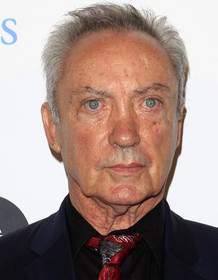
Udo Kier
Zoltan

Bill Pullman
Mike

Gabriel Byrne
Ray

Nicole Ari Parker
Ade

Frederic Forrest
MacDermot
Traci Lind
Cat
Loren Dean
"Doc"
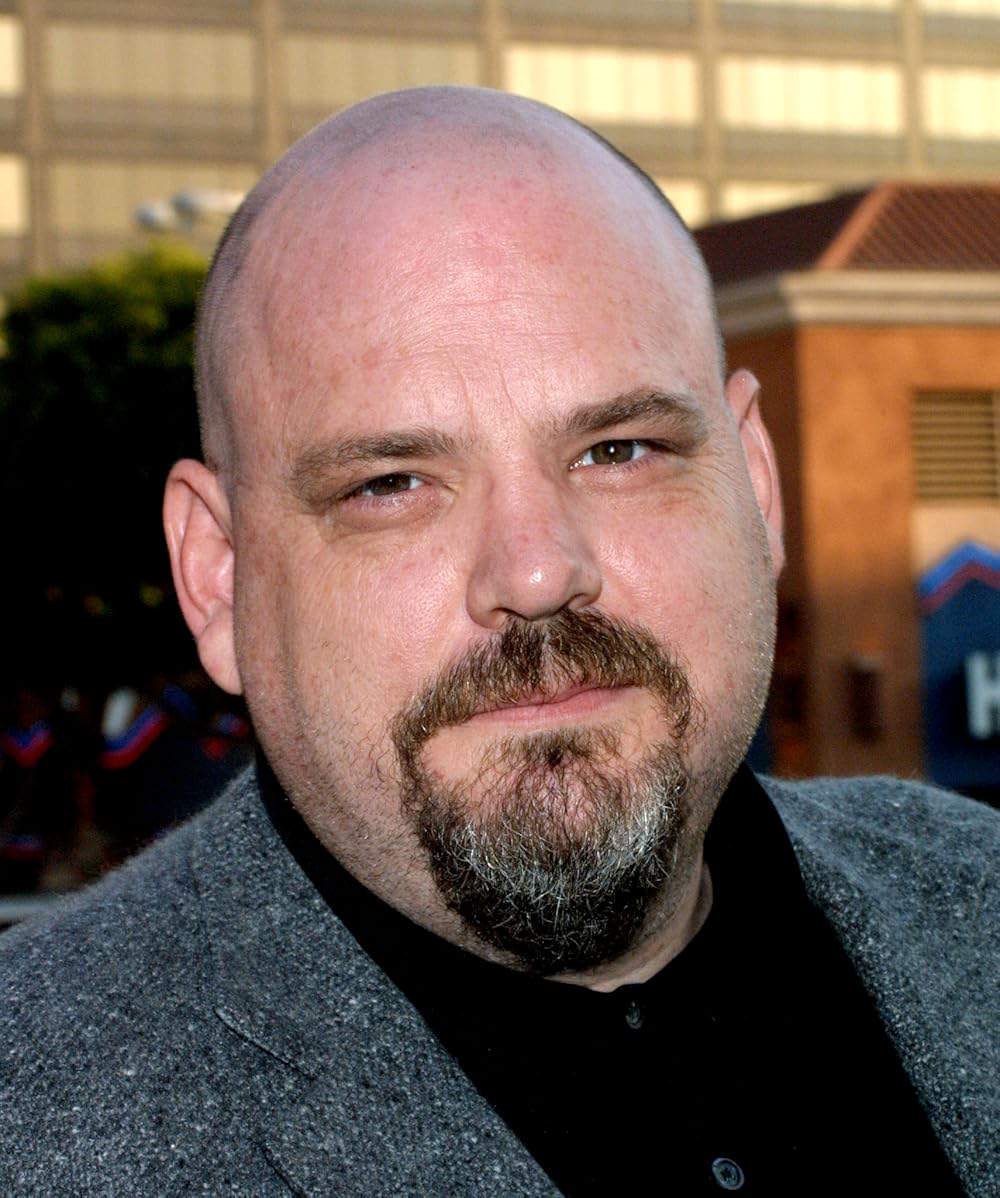
Pruitt Taylor Vince
Frank Cray
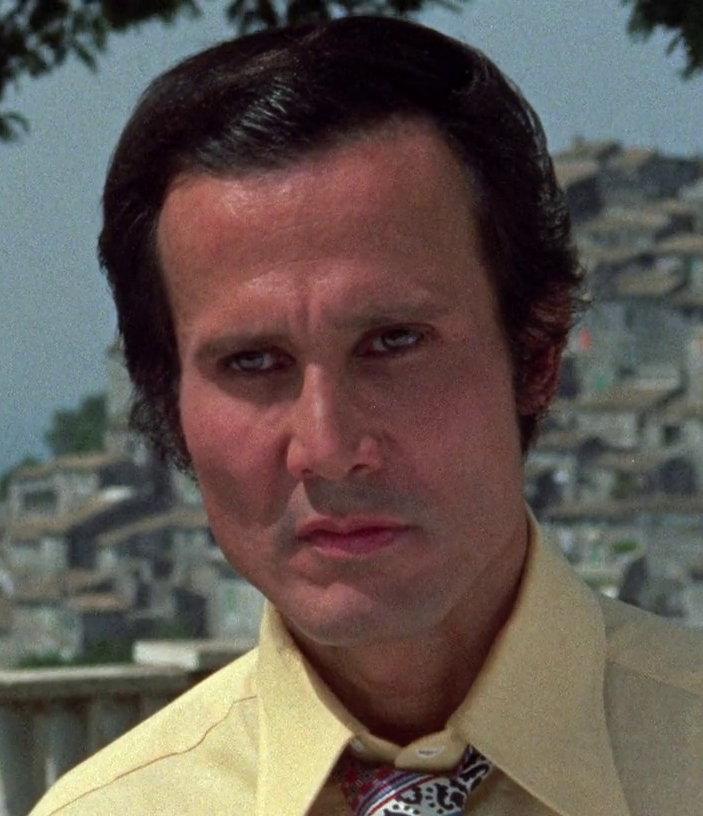
Henry Silva
Juan-Emilio
Peter Horton
Brian

Marshall Bell
Call
Enrique Castillo
Ramon
Soledad St. Hilaire
Anita
John Diehl
Lowell
K. Todd Freeman
Six
Sal Lopez
Tito
Karen Ross
Fluffball
O-Lan Jones
Barmaid
Michael Massee
Guy in Bar
Mili Avital
Featured Performer
Sam Phillips
Singer
Chris Douridas
Technician
Reg Rogers
Jack
Daniel Benzali
Phelps
Ulysses Cuadra
Jose
Meshell Ndegeocello
Malike
Marisol Padilla Sánchez
Mathilda
Aymara De Llano
Florinda
Ulusses Culzea
Jesus
Black Encyclopaedia
Rapper 1
Victoria Duffy
Female Cop
External Links and Streaming Options
Discover where to watch The End of Violence online, including streaming platforms, rental options, and official sources. Compare reviews, ratings, and in-depth movie information across sites like IMDb, TMDb, Wikipedia or Rotten Tomatoes.








Full Plot Summary and Ending Explained for The End of Violence
Read the complete plot summary of The End of Violence, including all major events, twists, and the full ending explained in detail. Explore key characters, themes, hidden meanings, and everything you need to understand the story from beginning to end.
Film producer Mike Max, Bill Pullman, sits with a growing sense of unease about fear—the kind that gnaws at creativity, personal safety, and the everyday rhythms of a life lived in the glare of a public eye. The film opens with his outward success masking an inward jitter, a tension that intensifies when his wife Paige, Andie MacDowell, announces she is leaving him. The rupture of their marriage becomes a lens that sharpens Max’s sense that violence and betrayal could appear anywhere, even in the most controlled corners of the entertainment world.
A digital knock arrives in Max’s inbox: a document from a NASA employee he met earlier at a conference. The importance of this correspondence isn’t just technical—it signals a possible thread linking science, security, and something darker beneath the surface of public life. Before Max can open the file, a sudden, jarring crisis erupts: he is kidnapped and narrowly escapes death, a moment captured by surveillance cameras and later observed by Ray Bering, Gabriel Byrne, a computer scientist who happens to be examining the very footage in his Griffith Observatory laboratory. The scene is eerie and clinical, blending the cold precision of surveillance with the raw fear of an ordinary man dragged into extraordinary danger.
As the dust settles, it becomes clear that Max is not simply a victim but a person under active suspicion. He learns that he has been implicated in the deaths of two men who were shot during the incident—the very men who were said to have threatened him. In a bid for safety and clarity, Max seeks shelter with a group of Mexican gardeners who find him and choose to help him uncover who is really trying to kill him and why. Their quiet, practical kindness grounds the narrative while the danger around them grows more complex and systemic.
The plot thickens as Bering, who initially sent the email and recognized Max in the surveillance footage, confides in an intelligence agent about a sweeping, still-unapproved plan: a new anti-crime satellite surveillance program that would expand the reach of state power. The implicit message is brutal and blunt: anyone who interferes with this project could be targeted in a terminal fashion. The film threads this tension through the everyday life of Max, rendering fear not as a sensational backdrop but as a lived reality with consequences for truth, privacy, and power.
Complicating the chase is Detective Dean Brock, Daniel Benzali, who becomes a cautious ally. Brock’s instinct is to see Max as a person rather than a killer, a stance that leads him to press for dialogue with Bering as part of a larger attempt to disentangle the web of accusations surrounding Max. But the conversation takes a dark turn when Bering is assassinated while they are just beginning to speak, underscoring the thriller’s theme that information itself has become dangerous and that masking the truth can be deadly.
With the stakes raised to a frenzied pitch, Max is forced to confront a new reality: his life, his work, and his independence are all at the mercy of forces that operate beyond the ordinary rules of crime and punishment. He relinquishes his business and wealth to Paige, choosing a path away from the life that once defined him, in part as an act of protection for those he cares about and in part as a desperate bid to reclaim a shred of autonomy.
The narrative crescendos in a meditation on fear itself. What begins as a paranoid postulation about personal safety evolves into a more expansive meditation on the nature of attack and control in the modern world. The line between victim and agent blurs as Max shifts from a figure defined by his status and possessions to someone who must navigate a landscape where the most profound threats are tied to systems of surveillance, political power, and the uneasy alliance between security and civil liberties.
In the final moments, Max reflects on the paradox at the story’s heart: a real attack—not the imagined dangers that once haunted him—has liberated him from the crippling grip of fear. The film closes on a note of subdued acceptance, suggesting that survival may require both courage and surrender: courage to face a world where danger hides in plain sight, and the wisdom to relinquish a fixation on control when it no longer serves a humane, hopeful life.
Overall, the film blends a noirish meditation on fear with a careful examination of how modern surveillance, political ambitions, and personal relationships intersect to shape a man’s sense of safety. It is a patient, precise portrait of a life at the edge of trust, where the line between protection and oppression becomes increasingly difficult to discern—and where the only real escape from fear might be a redefined sense of self and purpose.

Coming soon on iOS and Android
The Plot Explained Mobile App
From blockbusters to hidden gems — dive into movie stories anytime, anywhere. Save your favorites, discover plots faster, and never miss a twist again.
Sign up to be the first to know when we launch. Your email stays private — always.
Explore the mobile appWatch Trailers, Clips & Behind-the-Scenes for The End of Violence
Watch official trailers, exclusive clips, cast interviews, and behind-the-scenes footage from The End of Violence. Dive deeper into the making of the film, its standout moments, and key production insights.
Cars Featured in The End of Violence
Explore all cars featured in The End of Violence, including their makes, models, scenes they appear in, and their significance to the plot. A must-read for car enthusiasts and movie buffs alike.
The End of Violence Themes and Keywords
Discover the central themes, ideas, and keywords that define the movie’s story, tone, and message. Analyze the film’s deeper meanings, genre influences, and recurring concepts.
The End of Violence Other Names and Titles
Explore the various alternative titles, translations, and other names used for The End of Violence across different regions and languages. Understand how the film is marketed and recognized worldwide.
Similar Movies To The End of Violence You Should Know About
Browse a curated list of movies similar in genre, tone, characters, or story structure. Discover new titles like the one you're watching, perfect for fans of related plots, vibes, or cinematic styles.



Quick Links: Summary, Cast, Ratings, More

What's After the Movie?
Not sure whether to stay after the credits? Find out!
Check out our other apps:

SAT Sphere
Build confidence for the Digital SAT.

Mori Atlas
Discover wild places worth protecting.

Luntero
Search smarter for a home in Amsterdam.

Plot Explained
Unravel movie endings and hidden clues.

Pokechamp
Dive into Pokémon data and battle logic.

Driving Theory
Get ready for your European theory test.

Movie Dust
Plan your next cinema trip with ease.

Musemap
Find art and culture as you travel.

Selkobase
Compare credentials before committing.

Local Manual
Turn an unfamiliar country into practical next steps.

Lernavi
Compare school systems before your next move.

GymRoam
Find a workout stop wherever your plans take you.
Explore Our Movie Platform
New Movie Releases (2026)
Famous Movie Actors
Top Film Production Studios
Movie Plot Summaries & Endings
Major Movie Awards & Winners
Best Concert Films & Music Documentaries
Movie Collections and Curated Lists
© 2026 What's After the Movie. All rights reserved.
Privacy Policy