What Is The Duke About?
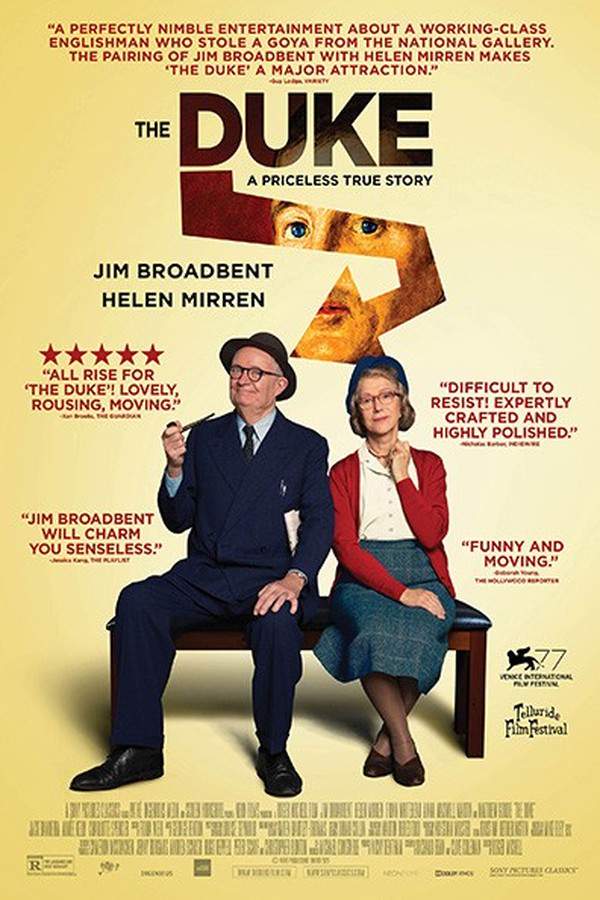
The premise of The Duke in 303 words, with nothing given away. The full story follows below.
In the brisk spring of 1961, Britain feels both the stubbornness of its post‑war routine and the restless whisper of change. The streets of Newcastle and the corridors of London pulse with a mixture of everyday grit and a flicker of idealism, while television, still a novelty, becomes a subtle battlefield for who gets to see the world. Against this backdrop, a modest taxi driver discovers that a single daring gesture can magnify the voice of ordinary people into a national conversation.
Kempton Bunton is a quick‑talking, self‑educated widower whose charm is matched only by his fierce loyalty to his family. At home, his wife Dorothy keeps the household afloat with quiet determination, while their children—Jackie, a restless young man dreaming of a future beyond the north‑east, and Kenny, whose path is more shadowed—represent contrasting hopes and tensions. The family’s love is palpable, built on shared loss and quiet humor, and it is this close‑knit dynamic that fuels Kempton’s unconventional crusade.
Driven by a belief that the elderly should not be forced to pay for a television licence, Kempton fashions a bold, public‑spanning campaign. His plan is as much a performance as a protest, blending earnest conviction with a sly, almost comic audacity that captures the imagination of a nation. The tone of the story swirls between heartfelt drama and wry British understatement, inviting the audience to root for a man whose methods are as unorthodox as his heart is sincere.
As his cause spirals into the public eye, the legal system beckons, and the venerable Old Bailey becomes a stage where personal conviction, familial bonds, and societal expectations clash. The atmosphere is charged with anticipation, hinting at how one man’s unlikely stand might echo far beyond his modest neighbourhood, challenging the status quo while revealing the quiet strength hidden in everyday lives.
What Happens in The Duke?
The complete story of The Duke, from the first scene to the last, in 653 words (about 3 minutes). Spoilers throughout. Names in the text link to 4 cast member pages.
Spoilers ahead
Sixty-year-old Kempton Bunton, portrayed by Jim Broadbent, finds himself in Court Number 1 at the Old Bailey, where he pleads not guilty to accusations of stealing Goya’s Portrait of the Duke of Wellington and its frame from the esteemed National Gallery in London. The story unfolds back in the spring of 1961 when Kempton, a self-taught working-class man from Newcastle upon Tyne, had sent a script to the BBC. Shortly after, he is incarcerated for 13 days at Durham for the audacious act of watching television without a license. Despite being able to afford one, he stands firm against the idea of paying, driven by his campaign advocating for pensioners and his steadfast beliefs in supporting the common man.
Upon his release, Kempton’s son Jackie (played by Fionn Whitehead) meets him, and together they visit the grave of Marion, Jackie’s sister, who tragically lost her life at just 18 in a biking accident. Meanwhile, Kempton’s wife Dorothy, depicted by Helen Mirren, works diligently as a housekeeper and babysitter for a local councillor. Jackie has aspirations to become a boat-builder and move away, contrasted by the elder brother Kenny (not portrayed by an actor provided in the cast list), whose life in Leeds is characterized by low-level criminal activity.
Kempton’s stint as a taxi driver comes to an end when he is fired for being overly talkative with passengers and giving a free ride to a destitute disabled veteran of the First World War. Determined, he persuades Dorothy to permit him a brief trip to London to garner media and parliamentary interest in his campaign, promising that if he fails, he will abandon writing and find a traditional job. Following his return, a thief with a distinct northeast English accent steals the painting, prompting Kempton and Jackie to craft a hidden compartment in their wardrobe for the artwork.
To stir intrigue and support for his cause, Kempton sends ransom notes to the government, specifying the return of the painting under the condition that the elderly are exempt from paying for a TV license. Complications arise when Kenny visits his parents with his estranged lover Pammy (not portrayed by an actor provided in the cast list), who uncovers the secret of the painting’s hiding place, seeking half the £5,000 reward. In a state of panic, Kempton abandons plans of raising money through a painting exhibition, choosing instead to walk into the National Gallery to return the artwork and confess to the theft.
Despite seemingly dire circumstances, his barrister Jeremy Hutchinson QC, played by Matthew Goode, argues that Kempton had no intention to deprive the gallery of the painting permanently, framing it as a temporary “borrowing” to support his cause. Kempton’s enthusiasm and verbose testimony during the questioning only bolster this argument.
As the trial progresses back in Newcastle, Jackie confesses to his mother Dorothy that he was the actual thief, with his father heroically taking the fall. Ultimately, the jury finds Kempton not guilty of all charges except for the theft of the £80 picture frame, which Jackie had mistakenly lost. Their three-month separation leads Kempton and Dorothy towards reconciliation as they reflect on their grief over Marion’s death. This moment of healing culminates in them watching Dr. No, where they laugh together at a scene that features the ‘stolen’ Goya painting.
Four years later, Jackie comes clean to the police about his role in the theft, but the authorities, led by the Director of Public Prosecutions, choose not to pursue charges out of concern for Kempton becoming embroiled in another public spectacle. They strike a deal; if Jackie remains silent, he will not be prosecuted. The film closes with text indicating that the frame was never recovered, Bunton’s plays were never produced, yet in 2000, a significant milestone was achieved when TV licenses were made free for those over 75. Ironically, by August 2020, shortly before the film’s premiere, this policy had been rescinded.
The Duke Timeline: Every Key Event in Order
15 key events in the order they happen, from “Kempton's Court Appearance” to “Jackie's Admission to Police”. 10 events name a place, across 7 locations.
- 1
Kempton's Court Appearance
Kempton Bunton pleads not guilty in Court Number 1 at the Old Bailey, facing charges for stealing Goya's Portrait of the Duke of Wellington. This pivotal moment sets the stage for the events that follow, underscoring his determination to advocate for the elderly.
When:Spring 1961 Where:Old Bailey, London
- 2
Campaign for Pensioners
In the spring of 1961, Kempton, a self-taught man from Newcastle, sends a script to the BBC as part of his efforts to raise awareness for pensioners. His campaigning spirit is fueled by personal convictions, demonstrating his commitment to social justice.
When:Spring 1961 Where:Newcastle upon Tyne
- 3
Incarceration for TV License
Kempton is incarcerated for 13 days in Durham for watching television without a license, reflecting his defiance against the system despite being financially able to pay. This experience further solidifies his resolve to stand up for the common man.
When:Spring 1961 Where:Durham
- 4
Visit to Marion's Grave
After his release, Kempton's son Jackie meets him and together they visit the grave of Marion, Jackie's late sister. This poignant moment highlights the family's grief and the bonds they share in the face of tragedy.
Where:Graveyard
- 5
Kempton Fired from Taxi Job
Kempton's career as a taxi driver ends abruptly when he is fired for his excessive chatter with passengers and for giving a free ride to a disabled veteran. This incident underscores his compassionate nature, yet also foreshadows further struggles.
Where:Newcastle
- 6
Trip to London
Determined to gain media attention for his campaign, Kempton convinces Dorothy to allow him a brief trip to London. He promises to abandon writing if he fails, showcasing his desperation and dedication to the cause.
Where:London
- 7
Theft of the Painting
Upon Kempton's return, a thief steals the Goya painting, prompting him and Jackie to create a hidden compartment for it in their wardrobe. This theft marks a turning point, intertwining Kempton's fate with the stolen artwork.
Where:Newcastle
- 8
Ransom Notes Sent
To generate support, Kempton sends ransom notes to the government, demanding that pensioners be exempt from TV license fees in exchange for the painting's return. This bold move highlights his unwavering commitment to his cause and stirs public interest.
- 9
Complications with Kenny
Kenny visits Kempton and Dorothy with his girlfriend Pammy, who discovers the secret of the painting's hiding spot. This revelation complicates matters, as Pammy seeks half of the reward offered for the painting, creating tension within the family.
- 10
Confession to National Gallery
In a rush of regret, Kempton decides to return the painting to the National Gallery and confess to the theft. This act of honesty signifies his internal conflict and desire to amend his actions, even if it means facing legal consequences.
Where:National Gallery, London
Show the other 5 events of The Duke Hide the last 5 events
- 11
Trial Proceedings
During the trial, barrister Jeremy Hutchinson QC argues that Kempton never intended to deprive the gallery of the painting permanently. His enthusiastic testimony serves to bolster the defense, providing hope for Kempton's outcome.
Where:Newcastle
- 12
Jackie's Revelation to Dorothy
Jackie confesses to his mother, Dorothy, that he was the true thief, while Kempton heroically took the blame. This revelation adds complexity to the family dynamics and highlights themes of sacrifice and familial loyalty.
- 13
Verdict and Consequences
The jury finds Kempton not guilty of theft but convicts him only for the frame, which Jackie had misplaced. This result allows for some relief, yet signifies unresolved tensions and the emotional toll of the events.
Where:Newcastle
- 14
Family Healing
In the aftermath, Kempton and Dorothy reflect on their loss of Marion and find ways to heal through shared experiences. They watch Dr. No, laughing together at a scene that features the 'stolen' painting, symbolizing their gradual reconciliation.
- 15
Jackie's Admission to Police
Four years later, Jackie confesses to the police about his theft role, but the authorities decide not to press charges. This decision reflects on the film's themes of justice and public opinion, leaving a lasting impact on the family.
Who Are the Main Characters in The Duke?
4 characters, among them Kempton Bunton (Jim Broadbent), Dorothy Bunton (Helen Mirren) and Jackie Bunton (Fionn Whitehead): who each one is and the part they play in the story. Every profile links to the actor’s page.
-
Kempton Bunton (Jim Broadbent)
Played by Jim Broadbent
Kempton Bunton is a passionate and stubborn working-class man with a strong sense of justice and advocacy for the common people. His humorous yet audacious personality drives him to steal a valued painting as part of a campaign to bring attention to the plight of pensioners, showcasing his complexity and depth. Despite facing legal troubles, Kempton's dedication to his beliefs and family remains unwavering.
- 👨⚖️ Activist
- 🎨 Artist
- 🏛️ Defender
-
Dorothy Bunton (Helen Mirren)
Played by Helen Mirren
Dorothy Bunton is a devoted wife who juggles her responsibilities as a housekeeper and a mother while supporting her husband, Kempton. She embodies strength and resilience, often acting as a grounding force amidst the chaos of her husband's antics. Dorothy’s character brings tenderness and perspective to the family’s struggles, highlighting the emotional costs of their choices.
- 👩👧👦 Caregiver
- 💼 Homemaker
- ❤️ Supportive
-
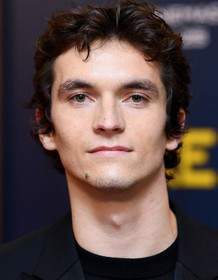
Jackie Bunton (Fionn Whitehead)
Played by Fionn Whitehead
Jackie Bunton is the son of Kempton and Dorothy, grappling with his aspirations to become a boat-builder while navigating family dynamics. His youthful ambition is overshadowed by the family's sorrow and the impact of his father's actions. Jackie’s internal conflict and eventual confession illustrate themes of loyalty, guilt, and the search for redemption in a complicated familial context.
- 🌊 Dreamer
- 🛠️ Builder
- 😔 Troubled
-
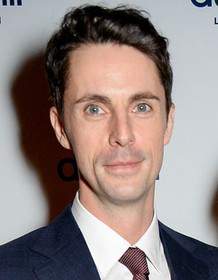
Jeremy Hutchinson QC (Matthew Goode)
Played by Matthew Goode
Jeremy Hutchinson QC is the barrister representing Kempton in court, showcasing legal prowess and charm in the courtroom. His strategic arguments reveal his understanding of both law and human nature, framing Kempton’s actions in a light that garners sympathy. His character represents the professional advocacy and moral nuances that play a critical role in the judicial process.
- ⚖️ Lawyer
- 🎓 Intellectual
- 🔍 Advocate
Where and When Is The Duke Set?
The Duke is set in London, Newcastle upon Tyne and Durham (1961). Here is why the time and place matter to the story.
When
1961
Set in the spring of 1961, the film captures a time of social change and the growing awareness of common people's rights in Britain. This era reflects the social dynamics post-World War II, where individuals began to voice their dissatisfaction with government policies. The storyline intertwines personal battles against socio-economic issues, making it a significant time for reform and activism.
Where
London, Newcastle upon Tyne, Durham
The movie takes place in major locations across England, including Newcastle upon Tyne, where Kempton Bunton resides, and London, where the National Gallery is situated. The Old Bailey in London serves as the courtroom for Kempton's trial, highlighting the film's connection to the legal and cultural landscape of the time. Durham also plays a crucial role as the prison where Kempton is held, reflecting the struggles of the working-class man against societal norms.
- 🏙️ City
- 📍 Location
- ✉️ Historical
What Are the Themes of The Duke?
3 ideas the story keeps returning to, among them Justice, Loss and Grief and Activism.
-
01
Justice
The theme of justice is central to the narrative as Kempton Bunton stands trial for the theft of a famous painting. His unconventional actions spark a broader debate about the rights of pensioners and the responsibilities of the government. The courtroom scenes illustrate the complexities of legality and morality, culminating in the jury's eventual verdict.
-
02
Loss and Grief
Loss and grief permeate the film, particularly through the character of Kempton and his family's experiences surrounding the death of his daughter Marion. The emotional weight of this loss influences character decisions and their relationships. This theme resonates as they navigate their grief and strive to reconnect as a family amidst the trials they face.
-
03
Activism
The narrative explores activism through Kempton's fight against having to pay for a TV license, highlighting the plight of pensioners and the importance of public advocacy. His campaign serves as a vehicle for social change, emphasizing the impact of individual actions in challenging societal expectations. The story illustrates how personal convictions can translate into broader movements for change.
What Kind of Film Is The Duke?
Hopeful in tone, with steady pacing and a moderate story, going by the plot summary.
- Tone
- Hopeful
- Pacing
- Steady
- Story
- Moderate
- Intensity
- Medium
- Ending
- Bittersweet
A charming and heartfelt true-story dramedy that balances the defiant whimsy of a civil disobedience caper with the tender melancholy of a family processing grief.
- whimsical
- defiant
- tender
- uplifting
- quirky
- melancholic
- social justice
- family reconciliation
- courtroom drama
- grief and loss
Content notes: death of a child (referenced).
Quiz
How well do you remember The Duke? Test yourself on the story.
Where to Watch The Duke
Stream it on fuboTV and FXNow, or rent or buy it from Amazon Video and Apple TV Store. US availability and prices from JustWatch.
Stream 4
 fuboTV
  FXNow
FXNow  Hulu
Hulu  YouTube TV





Streaming availability in the US, powered by