
The Divine Weapon 2008

Directed by

Kim Yoo-jin
Made by

KnJ Entertainment
The Divine Weapon Plot Summary
Read the complete plot summary and ending explained for The Divine Weapon (2008). From turning points to emotional moments, uncover what really happened and why it matters.
During the reign of King Sejong the Great, Joseon Korea faces escalating hostility from Ming China. Ming forces press Korea with unyielding demands, deepening distrust and a fear of subservience. The conflict intensifies after leaked news reveals Korea is pursuing an arms development program that Ming China sees as a direct challenge to its supremacy. The Emperor’s commands demand a grim tribute: the sending of young Korean girls to China to reduce Korea’s manpower and cripple its military capacity. With invasion looming, the nation finds its fate tethered to completing an unfinished project—the creation of Singijeon, the Divine Weapon.
In the climactic clash, Korea—outnumbered by thousands—puts up a stubborn defense with fewer than 100 fighters. They wield spears, bombs, and finished Singijeon, which are launched through hwachas. The arrows carried by the Singijeon rain devastation upon the Ming infantry, and many fall to the explosive powder packed inside the arrows. Those Ming soldiers who remain are finally overcome by even larger projectiles, the Grand Singijeon (대신기전), a large model of the weapon. Among the Ming ranks, one noble chooses peace over continued war.
The Divine Weapon Timeline
Follow the complete movie timeline of The Divine Weapon (2008) with every major event in chronological order. Great for understanding complex plots and story progression.
Ming Demands and Growing Suspicion
During King Sejong the Great's reign, Ming China intensifies demands on Joseon, pressing for tribute and signaling potential invasion. Rumors spread that Joseon is developing arms to counter Ming power, deepening distrust between the two nations. The Korean court debates how to respond to mounting pressure without triggering a full-scale war.
The Unfinished Divine Weapon Project
Despite the threats, Joseon authorities decide to push forward with the unfinished Singijeon project, believing a powerful ranged weapon could deter Ming aggression. Officials race to assemble the blueprints, gather artisans, and test prototypes under strict secrecy. The project becomes a symbol of national resolve and the hope for a decisive edge.
Political Debate and Peace Faction
A faction of nobles and officials advocates for peace rather than warfare, cautioning against provoking an empire. They warn that rushing a weapon could trigger harsher retaliation. A crucial debate shapes whether Korea pursues war-ready arms or diplomacy.
Ming Envoys and Pressure
Ming envoys arrive with new demands and warnings, stacking pressure on Joseon to submit and repay past grievances. The Korean court scrambles to maintain dignity while resisting immediate surrender. The looming threat compounds the urgency to complete Singijeon.
Siege Preparations and Training
Korean forces and craftsmen train in using hwachas and Singijeon, rehearsing coordinated salvos to maximize impact. The outnumbered Korean garrison practices tactics to counter a numerically superior enemy. The atmosphere tightens as the final preparations approach.
The Battle Begins
The final confrontation erupts with entrenched Ming forces marching into Korean lands. The Korean defenders unleash a barrage of hwachas and Singijeon, catching the invaders off guard. The initial phase of the battle demonstrates the power of the Divine Weapon and the defenders' resolve.
Arrows and Gunpowder Deal a Toll
The Singijeon arrows carry explosive payloads and kill a wave of Ming foot soldiers as they advance. The gunpowder-filled missiles wreak devastation and turn the tide in favor of the smaller force. The Ming lines falter under the relentless assault.
The Grand Singijeon Scores a Turn
Surviving Ming units are overwhelmed by the Grand Singijeon, a massive weapon designed to break heavy formations. The enormous arrows and explosive charges decimate the enemy ranks. The Korean defense begins to encircle and collapse the Ming forces.
A Ming Noble Chooses Peace
Amid the chaos, one Ming noble who advocates peace over warfare stands out, choosing to seek a negotiated settlement. His stance influences the retreat of his faction and hints at the possibility of diplomacy. The hawks' stubborn resolve contrasts with this rare plea for negotiation.
Aftermath: Victory and Withdrawal
Thousands of Ming foot soldiers are killed, and the Korean forces suffer far fewer casualties thanks to strategic weaponry. The surviving Ming commanders assess the defeat and withdraw. Joseon celebrates the breakthrough as a testament to Sejong's leadership and the Singijeon's potential.
Fall of the Invasion Threat
With Ming pressure reduced, the threat of invasion subsides as the battle's outcome resonates across the region. The demonstration of the Divine Weapon deters further hostilities for the moment. Joseon's position is strengthened, though future tensions remain.
The Divine Weapon Realized
The completed Singijeon project proves its efficacy, altering Joseon's strategic posture. Secret caches and production lines secure future deterrence against imperial pressure. The Divine Weapon becomes a symbol of national resilience and innovation.
The Divine Weapon Characters
Explore all characters from The Divine Weapon (2008). Get detailed profiles with their roles, arcs, and key relationships explained.
King Sejong (Ahn Sung-ki)
The enlightened ruler guiding Joseon’s destiny, he champions the Singijeon project as a means to secure the kingdom’s future. He bears the weight of guarding sovereignty against Ming demands while pursuing reform and innovation. His leadership blends strategic foresight with a willingness to take calculated risks for national defense.
Seol-joo (Jung Jae-young)
A sharp court strategist who threads political pressures with scientific ambitions. She helps translate battlefield needs into policy and steers the development of Singijeon. Her perspective embodies the tension between curiosity, loyalty, and duty to the crown.
Hong Man (Lee Do-gyeong)
A trusted minister who weighs risk and diplomacy, coordinating defense against Ming pressure. He embodies pragmatic leadership within the court and plays a crucial role in aligning political goals with military needs. His counsel reflects the balancing act required in a time of existential threat.
Bang Ok (Ryu Hyun-kyung)
A palace researcher contributing to Singijeon design, representing the scientific side of the project. She demonstrates technical skill under political constraints and pressure to deliver tangible results. Her work highlights how innovation meets national responsibility.
Pan-soo (Shin Jung-keun)
A noble or field officer who debates strategy and plays a pivotal role in mobilizing defense. His arc illustrates the moral weight of warfare and the complexities of making hard choices under threat. He embodies the clash between skepticism and steadfast loyalty to the realm.
Kkya Oh Ryung (Kim Myung-soo)
A royal official and engineer overseeing arms development and logistics. He balances innovation with institutional constraints, ensuring Singijeon can reach the battlefield. His work underscores the practical challenges of turning theory into effective defense.
The Divine Weapon Settings
Learn where and when The Divine Weapon (2008) takes place. Explore the film’s settings, era, and how they shape the narrative.
Time period
1418–1450
The narrative operates in the early 15th century, during the height of Sejong’s reformist rule. It is a period marked by scholarly revival, state-led technological ambition, and precarious diplomacy with Ming China. The era’s mood is one of urgent invention and strategic negotiation, as Korea seeks to strengthen its defenses against external threats.
Location
Joseon Korea, Ming China
Set in the Joseon Dynasty during King Sejong’s reign, the story unfolds within the royal court and frontier outposts. The plot centers on the tense relationship with Ming China and the struggle to defend sovereignty. The setting highlights a culture of scholarly advancement and military modernization, where political intrigue and warfare intersect. Battlefield scenes and frontier tensions reflect a nation under pressure to innovate or perish.
The Divine Weapon Themes
Discover the main themes in The Divine Weapon (2008). Analyze the deeper meanings, emotional layers, and social commentary behind the film.
⚔️
Power
The film centers on a power struggle between a rising military-technical program and traditional political authority. It portrays how leadership decisions, factional pressure, and national pride shape strategic moves against a superior enemy. The pressure to demonstrate strength drives risky innovations that could redefine the balance of power in the region.
🧪
Innovation
Singijeon technology embodies the era’s push for modernization. The narrative highlights the challenges, experiments, and risks involved in turning a battlefield idea into a functional weapon. Innovation is shown as both a lifeline for defense and a source of political tension within the court.
🕊️
Peace
The story includes a moral counterpoint where some nobles advocate peace over continued war. This tension between diplomacy and conflict tests the characters’ loyalties and decisions. It underscores the heavy human cost of war and the possibility of resolving hostilities without bloodshed.

Coming soon on iOS and Android
The Plot Explained Mobile App
From blockbusters to hidden gems — dive into movie stories anytime, anywhere. Save your favorites, discover plots faster, and never miss a twist again.
Sign up to be the first to know when we launch. Your email stays private — always.
Explore the mobile appThe Divine Weapon Spoiler-Free Summary
Discover the spoiler-free summary of The Divine Weapon (2008). Get a concise overview without any spoilers.
In the winter of 1448, the kingdom of Joseon sits at the height of its cultural renaissance under the wise and inquisitive reign of King Sejong. The court glitters with scholarly achievement, yet the air is heavy with the distant drums of a powerful neighbor. Ming China, ever expansive, presses for tribute and influence, casting a shadow over the otherwise harmonious streets of Hanyang. Against this backdrop of diplomatic strain, the kingdom’s sense of identity and sovereignty begins to crystallize into quiet determination.
Within the palace’s stone walls, a covert initiative takes shape: a marvel of fire and iron that the scholars whisper will become known as the Singijeon, the “Divine Weapon.” Concealed from prying eyes, the project blends the era’s budding gunpowder knowledge with intricate engineering, promising a weapon unlike any seen before. The atmosphere in the hidden workshops is charged with hushed urgency, where ink‑stained scrolls and sparks of invention coexist, embodying Joseon’s relentless pursuit of progress even as external threats loom.
Guiding the endeavor is Jang, a modest yet brilliant royal artisan whose loyalty to the throne is matched only by his fascination with the mechanics of the unknown. He works alongside a cadre of trusted scholars, each driven by a blend of patriotic fervor and personal curiosity. Their collaboration becomes a silent crucible, forging not only a weapon but also a deep bond forged in secrecy, sacrifice, and the weight of history.
The film paints a world where reverence for tradition meets the restless pulse of innovation, set against a tapestry of looming imperial ambition. A tone of measured tension intertwines with moments of quiet wonder, inviting viewers to wonder how far a people will go to protect their way of life when the future itself hangs on a single, hidden spark.
Movies with Similar Twists and Themes
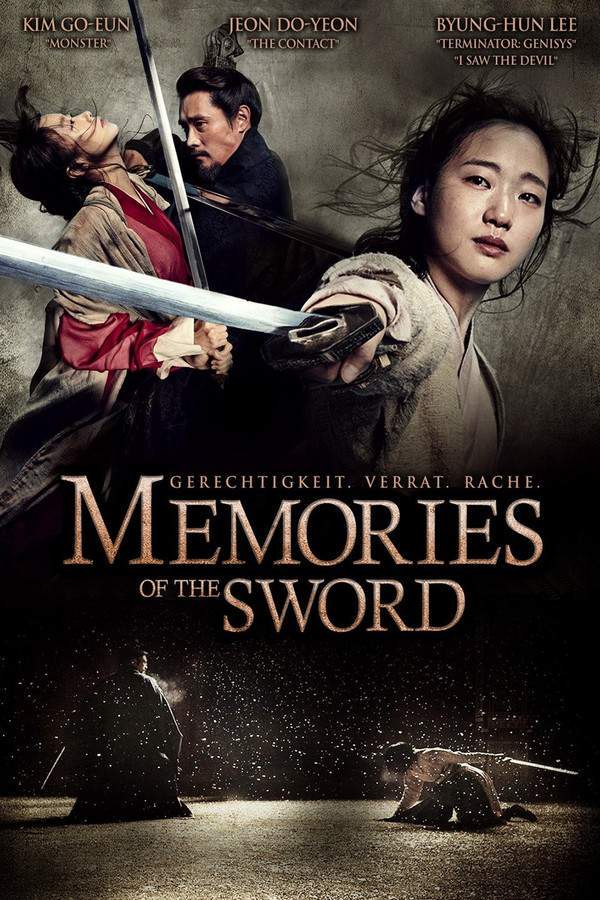
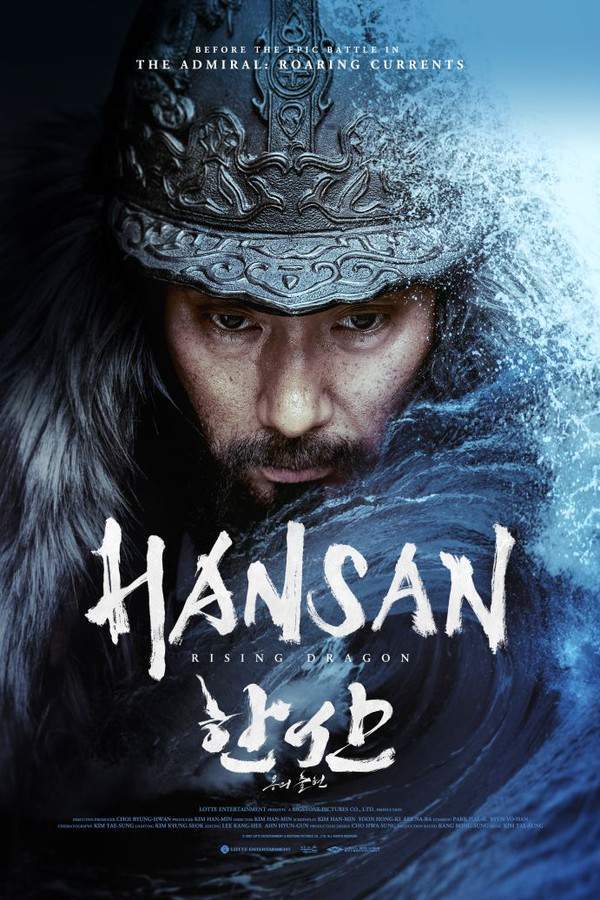
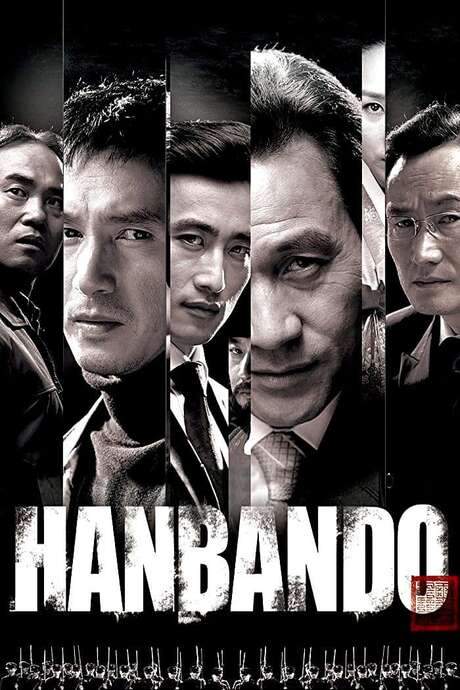
Uncover films that echo the narrative beats, emotional arcs, or dramatic twists of the one you're exploring. These recommendations are handpicked based on story depth, thematic resonance, and spoiler-worthy moments — perfect for fans who crave more of the same intrigue.



Featured on this page

What's After the Movie?
Not sure whether to stay after the credits? Find out!
Check out our other apps:

SAT Sphere
Build confidence for the Digital SAT.

Mori Atlas
Discover wild places worth protecting.

Luntero
Search smarter for a home in Amsterdam.

Plot Explained
Unravel movie endings and hidden clues.

Pokechamp
Dive into Pokémon data and battle logic.

Driving Theory
Get ready for your European theory test.

Movie Dust
Plan your next cinema trip with ease.

Musemap
Find art and culture as you travel.

Selkobase
Compare credentials before committing.

Local Manual
Turn an unfamiliar country into practical next steps.

Lernavi
Compare school systems before your next move.

GymRoam
Find a workout stop wherever your plans take you.
Explore Our Movie Platform
New Movie Releases (2026)
Famous Movie Actors
Top Film Production Studios
Movie Plot Summaries & Endings
Major Movie Awards & Winners
Best Concert Films & Music Documentaries
Movie Collections and Curated Lists
© 2026 What's After the Movie. All rights reserved.
Privacy Policy