
The Chapman Report 1962

Directed by
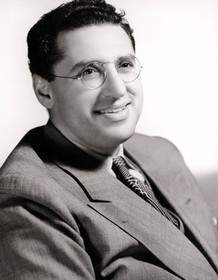
George Cukor
Made by

Darryl F. Zanuck Productions
Where to Watch The Chapman Report
See current US streaming, rental, and purchase options for The Chapman Report (1962) via JustWatch.






The Chapman Report Plot Summary
Read the complete plot summary and ending explained for The Chapman Report (1962). From turning points to emotional moments, uncover what really happened and why it matters.
Kathleen Barclay [Jane Fonda] is a young widow living with the shadow of her late husband’s words, which have left her convinced she is frigid. In the Briarwood interview room, her tremor and tears reveal a depth of longing she has kept hidden, and when Radford [Efrem Zimbalist Jr.] quietly retrieves her wallet after a panic, she recognizes his voice and suddenly feels exposed in a way she hasn’t permitted herself to be before. What begins as a clinical conversation evolves into something intimate, and the more Radford attends to Kathleen’s vulnerability, the more a cautious trust grows between them. She confronts the fear that has wrapped itself around her understanding of love and sex, and in time she lets herself hope that she is not beyond healing. The arc outlines a tender, transformative relationship that challenges her to redefine intimacy on her own terms, beyond the harsh verdicts she once believed about herself.
Teresa Harnish [Glynis Johns] is a vivacious, married woman who greets the Briarwood session with a bright, almost reckless curiosity. She recognizes her interviewer as Dr. Chapman [Andrew Duggan], and she begins to record everything with a mind to replay it for her husband. The exercise destabilizes the easy certainty she had about her own desires, nudging her toward an adventure she imagines might be “abnormal” yet thrilling. In her pursuit of Ed Kraski [Ty Hardin], a strong young football player, the pursuit quickly pivots toward physical play, but the comedy of their attempt to connect clashes with real emotion. When Ed finally acknowledges her fantasies, his eager, if imperfect, response becomes a moment of comic relief that also underscored the fragile line between fantasy and genuine affection. She bursts into laughter, then retreats, realizing that desire can be both liberating and ridiculous, and that romance must meet reality rather than simply satisfy a fantasy. Teresa’s segment highlights how a buoyant exterior can mask insecurities and how a flirtation can reveal more about a person’s longing than about the partner they imagine.
Sarah Garnell [Shelley Winters] is a middle-aged wife and mother whose affair with Fred Linden [Ray Danton], the young director of the local little theater, has its own tumult. Her interview delves into a relationship she regards as only “tolerable,” a quiet, recurring affair that occupies Saturdays more than Sundays. As she weeps describing their bond, the questions push her to examine what she and her husband Frank Garnell [Harold J. Stone] mean to one another and whether their marriage could survive honesty about their sexual life. The revelation of Sarah’s growing awareness leads her to a drastic step: she leaves a note and her wedding ring for Frank and goes to Fred’s boat, seeking a new possibility. But Fred’s wife is waiting, and when he refuses to engage with the sealed consequences of their liaison, Sarah is forced to confront the limits of desire and the stubborn, enduring pull of loyalty. She ultimately returns to Frank, realizing that commitment and pain can coexist, and that love may require more than a single, fiery act to sustain a marriage.
Naomi Shields [Claire Bloom] is a divorcée whose life is defined by a pattern of risk and self-destruction. A highly sexually active, alcoholic woman, she greets men with boldness, including Bob Jensen, a water-delivery man she seduces in a charged, dangerous moment. Her life spirals further when Wash Dillon, a seedy jazz musician, introduces her to a brutal turn of events: a gang-rape by Dillon and his friends, a cruel act that leaves Naomi adrift and betrayed. When it comes time for her Briarwood interview, she recounts a history of numerous partners and chaotic choices, oscillating between confession and self-justification. She admits a past of harming and being harmed, of seeking solace in sex as a defense against loneliness and shame. A failed suicide attempt follows the assault, and Naomi’s voice trembles with the ache of someone who has long believed she must navigate pain alone. The interview echoes after: Dillon is blamed indirectly, and Radford emphasizes that Naomi’s trajectory was broken long before Briarwood ever began. Her story is a stark reminder of how trauma and vulnerability can intertwine with desire, and how society’s quick judgments can overlook the deeper fractures beneath the surface.
Across these four narratives, Dr. Chapman [Andrew Duggan] and his associate Paul Radford [Efrem Zimbalist Jr.] sift through the data with care, trying to preserve dignity while uncovering patterns about love, fidelity, and what people truly want from intimacy. Their findings reveal that the vast majority of American marriages, in their survey, show happiness, even as individuals wrestle with fear, fantasy, and fault lines within their relationships. The film uses these four intimate windows—Kathleen’s healing, Teresa’s mixed optimism, Sarah’s awakening and return, Naomi’s devastation—to probe how people cope when confronted with honest, sometimes painful, conversations about sex and love. As the study unfolds, the pair pause to reflect on their own connection to the data and to one another.
In a quiet, hopeful moment toward the end, Radford shares news that feels earned and personal: he and Kathleen Barclay [Jane Fonda] are engaged. This personal milestone folds the professional into a single emotional arc, suggesting that the work of understanding desire can lead not only to clearer data but to the possibility of a shared future built on trust and mutual respect. The ending leaves viewers with a tempered sense of optimism—one that acknowledges the complexity of intimacy while affirming that connection and commitment can still emerge from honest examination and courageous vulnerability.
The Chapman Report Timeline
Follow the complete movie timeline of The Chapman Report (1962) with every major event in chronological order. Great for understanding complex plots and story progression.
Arrival in Briarwood for the anonymous sex survey
Dr. George C. Chapman, his assistant Paul Radford, and their research team fly to Los Angeles to recruit volunteers in Briarwood for an anonymous sex survey. They begin setting up interviews and collecting candid responses from American women. The researchers hope the data will reveal what sex means in everyday life and its relation to love and commitment.
Chapman’s speech to the Briarwood Women’s Club
Chapman delivers a confident speech to the Briarwood Women's Club, arguing that knowledge about sex can be decent, clean, and dignified. He frames the project as a way to illuminate a crucial part of women's lives. The audience's reaction is mixed, reflecting broader social tensions.
Dr. Jonas campaigns against the project
Dr. Jonas publicly campaigns against the project, warning that focusing on the physical act objectifies sex and neglects love. He cautions that interviews may confuse or hurt participants without providing any follow-up support. His critique challenges the researchers' premise and foreshadows conflict.
Low turnout at the club meeting
The club turnout is notably low—82 instead of 150—highlighting resistance to the project. Jonas argues that the research questions probe sensitive territory without guaranteed help for those interviewed. The team proceeds with interviews anyway, continuing their study.
Kathleen Barclay’s revealing interview
Kathleen Barclay, a young widow, breaks down in tears during her interview and flees in distress, dropping her purse. Radford later returns her wallet and recognizes her voice, deepening his awareness of her pain. She protests that she is not one of Chapman and Radford’s pathological cases, though a personal connection begins to form.
Kathleen and Radford’s growing bond
Kathleen and Radford’s paths cross in a way that softens the boundaries of their professional relationship. They begin to fall in love as Kathleen starts to confront her fears about sexuality and self-worth. The evolving romance complicates the researchers’ objectivity and ethics.
Teresa Harnish’s interview and pursuit of a fantasy
Teresa Harnish recognizes Chapman during her interview and records everything to replay for her husband. She pursues a brash, young football player, Ed Kraski, hoping to energize her sex life. The encounter ends in awkwardness and disillusionment as his strength overwhelms her fantasy.
Sarah Garnell faces a choice about her marriage
Sarah Garnell, a middle-aged wife and mother, describes her sex life as 'tolerable' and recounts an affair with Fred Linden. The interview prompts thoughts of leaving her husband, but she ultimately returns to him, leaving a note and her wedding ring. Fred refuses to see her, and the emotional toll deepens as her husband reassesses their vows.
Naomi Shields’ descent into trauma
Naomi Shields, a promiscuous alcoholic, is drawn into a sequence of sexual encounters that culminates in rape by Wash Dillon. After the assault, she attempts suicide, first with pills and then again after a later confrontation. Her death becomes a grim data point, with Dr. Jonas blaming the interview and Radford noting she was lost long before the study.
Reviewing the Briarwood data
Chapman and Radford pause to review the collected data from the Briarwood interviews. They reflect on the reassuring statistics showing that the vast majority of American marriages are happy, contrasting with the personal turmoil disclosed by the participants. The moment underscores the tension between aggregate data and individual pain.
Radford shares his engagement news
Radford reveals that he and Kathleen are now engaged, signaling a personal victory born from the very study that brought them together. The revelation adds a hopeful note to the researchers’ work and validates their emotional risk.
Closing reflections and cautious optimism
The film closes with the researchers acknowledging the limits of their method and the complexity of human sexuality. They contemplate future studies and the ongoing dialogue between sex, love, and social norms. Their work ends on a mixed but hopeful note, balancing scientific inquiry with personal consequences.
The Chapman Report Characters
Explore all characters from The Chapman Report (1962). Get detailed profiles with their roles, arcs, and key relationships explained.
Kathleen Barclay (Jane Fonda)
A young widow who believes she is frigid, she breaks down during her interview and fears she is a pathological case. Her emotional turmoil shifts as she and Radford develop genuine affection, guiding her toward self-acceptance and openness to love.
Paul Radford (Efrem Zimbalist Jr.)
Radford is a thoughtful assistant conducting the interviews. He forms a personal connection with Kathleen, balancing professional duty with genuine empathy as they navigate attraction and ethical boundaries.
Dr. George C. Chapman (Andrew Duggan)
The lead psychologist who frames sex as a dignified subject to be studied. He champions the project and its potential, while also weighing concerns raised by colleagues about the moral implications of probing intimate lives.
Teresa Harnish (Glynis Johns)
A vivacious wife who records her interviews to share with her husband, yet she questions her own desires. Her escapade with a young football player reveals the gap between fantasy and physical reality.
Ed Kraski (Ty Hardin)
A strong, athletic football player who becomes the object of Teresa's longing. His initially blunt, physical approach exposes the clash between fantasy and awkward reality.
Sarah Garnell (Shelley Winters)
A middle-aged wife and mother who recounts her affair with the theater director. The interview pushes her to confront the state of her marriage and ultimately reconsider commitment.
Naomi Shields (Claire Bloom)
A divorced, alcoholic woman whose promiscuity leads to tragedy. Her interview exposes the destructive consequences of unresolved trauma and societal judgment.
Frank Garnell (Harold J. Stone)
Sarah's husband who initially thinks their marriage is fine. The interviews gradually reveal cracks, challenging his assumptions about happiness and fidelity.
Fred Linden (Ray Danton)
The young director of the local little theater and Sarah's lover. His relationship with Sarah unfolds against the backdrop of artistic ambition and marital strain.
Dr. Jonas
A rival voice who argues against the project, warning that probing sexual lives without follow-up can cause harm and distort perceptions of love and normalcy.
The Chapman Report Settings
Learn where and when The Chapman Report (1962) takes place. Explore the film’s settings, era, and how they shape the narrative.
Time period
1960s
The story unfolds in the early 1960s, a period of shifting social mores around sex, marriage, and female autonomy. Public norms emphasize respectability while private desires begin to challenge those standards. The film uses this era to explore the friction between scientific inquiry and intimate human experience.
Location
Briarwood, Los Angeles
Briarwood is depicted as an affluent Los Angeles suburb anchored by a prominent women's club. The community represents midcentury suburban normalcy, where appearances and propriety mask private longing and conflict. The club gatherings and social events provide the transactional backdrop for the survey and its emotional fallout.
The Chapman Report Themes
Discover the main themes in The Chapman Report (1962). Analyze the deeper meanings, emotional layers, and social commentary behind the film.
🔬
Sex Research
A team of psychologists conducts an anonymous survey of American women to quantify sexual behavior. The process exposes how data collection interacts with personal vulnerability, sometimes clashing with ethical concerns. The film questions whether clinical findings can neatly translate into real emotional understanding.
💞
Love vs. Sex
The four participants reveal how sexual desire intertwines with affection, commitment, and personal history. The interviews expose contradictions between physical acts and emotional needs. Relationships are tested as fantasies collide with real-life dynamics.
🕊️
Autonomy & Choice
Interviews spark self-awareness, prompting characters to reevaluate marriages and long-standing routines. Some decide to redefine their lives, while others cling to familiar roles. The narrative highlights the tension between societal expectations and personal agency.
🏙️
Society & Class
Briarwood’s social structure reflects postwar propriety and status, where appearances drive behavior more than truth. The setting reveals how class and respectability shape conversations about sex and intimacy. Public facades contrast with private turmoil.

Coming soon on iOS and Android
The Plot Explained Mobile App
From blockbusters to hidden gems — dive into movie stories anytime, anywhere. Save your favorites, discover plots faster, and never miss a twist again.
Sign up to be the first to know when we launch. Your email stays private — always.
Explore the mobile appThe Chapman Report Spoiler-Free Summary
Discover the spoiler-free summary of The Chapman Report (1962). Get a concise overview without any spoilers.
In a modest research clinic that feels more like a confessional than a laboratory, a seasoned psychologist and his thoughtful associate set out to translate the private language of desire into something measurable. Their method is straightforward: a series of intimate interviews that promise participants both anonymity and the faint hope of self‑understanding. The atmosphere is quiet, the lighting soft, and the conversations are threaded with a delicate mix of curiosity and restraint, inviting viewers into a world where personal truth is examined with clinical care.
Among the volunteers is Kathleen Barclay, a recently widowed woman whose lingering doubts about her own capacity for pleasure have become a quiet ache. Teresa Harnish arrives with a bright, restless energy, eager to explore fantasies that hover between whimsical and unsettling. Sarah Garnell brings the perspective of a middle‑aged mother navigating a long‑standing, complicated liaison that challenges the boundaries of her marriage. Finally, Naive Shields—a divorced, hard‑living soul—offers a raw, unfiltered view of a life marked by risk, excess, and a search for connection amid chaos. Each woman’s voice adds a distinct texture to the tapestry the researchers are weaving.
The film moves with a measured, almost lyrical pace, allowing the interview room to become a stage where vulnerability is both exposed and protected. The professional duo, Dr. Chapman and Paul Radford, listen with a blend of empathy and analytical distance, their own personalities subtly echoed in the stories they hear. The tone oscillates between quiet drama and occasional wry humor, reflecting the unpredictable ways people interpret love, longing, and the social scripts that shape them.
Through these intertwined portraits, the story invites contemplation of how honesty—no matter how uncomfortable—can become a catalyst for introspection. It suggests that the act of asking the right questions may illuminate hidden patterns, offering a glimpse of hope that even the most private struggles might lead to clearer understanding of oneself and, perhaps, of others.
Movies with Similar Twists and Themes
Uncover films that echo the narrative beats, emotional arcs, or dramatic twists of the one you're exploring. These recommendations are handpicked based on story depth, thematic resonance, and spoiler-worthy moments — perfect for fans who crave more of the same intrigue.



Featured on this page

What's After the Movie?
Not sure whether to stay after the credits? Find out!
Check out our other apps:

SAT Sphere
Build confidence for the Digital SAT.

Mori Atlas
Discover wild places worth protecting.

Luntero
Search smarter for a home in Amsterdam.

Plot Explained
Unravel movie endings and hidden clues.

Pokechamp
Dive into Pokémon data and battle logic.

Driving Theory
Get ready for your European theory test.

Movie Dust
Plan your next cinema trip with ease.

Musemap
Find art and culture as you travel.

Selkobase
Compare credentials before committing.

Local Manual
Turn an unfamiliar country into practical next steps.

Lernavi
Compare school systems before your next move.

GymRoam
Find a workout stop wherever your plans take you.
Explore Our Movie Platform
New Movie Releases (2026)
Famous Movie Actors
Top Film Production Studios
Movie Plot Summaries & Endings
Major Movie Awards & Winners
Best Concert Films & Music Documentaries
Movie Collections and Curated Lists
© 2026 What's After the Movie. All rights reserved.
Privacy Policy