
The Man Who Loved Women 1983

Directed by
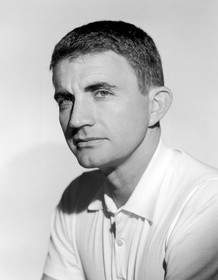
Blake Edwards
Made by

Columbia Pictures
The Man Who Loved Women Plot Summary
Read the complete plot summary and ending explained for The Man Who Loved Women (1983). From turning points to emotional moments, uncover what really happened and why it matters.
David Fowler, a celebrated sculptor, lies at the center of a funeral that gathers a cross-section of his life’s social circle. The film uses this wake as a starting point to unwind a complex personal history threaded through romance, obsession, and creative paralysis. Among the mourners is Marianna Solari, his psychiatrist, whose sessions peel back the layers of a man who always seemed to chase connection even as his relationships left him spiritually unfulfilled. Early on, a single glance through a window—legs moving down a street—sets in motion a sequence of decisions that push David toward impulsive pursuits and morally slippery choices. He fakes a hit-and-run, which leads him to a chance encounter with Agnes Chapman later in the story, a meeting that foreshadows how his appetites pull him toward people who will shape his fate.
The history of his first romantic forays comes into view as David recalls a teenage encounter with Darla, a prostitute he encountered at 15, and the way his mother’s own pattern of absence—sleeping with various men—left an imprint on his sense of attachment. In a rain-drenched memory, he also recalls meeting another prostitute, Nancy; he brings Nancy back to his home, pays her for the night, and the encounter becomes a marker in his continuing struggle with decision-making. The therapy sessions, intersected with memories of early sexual experiences, reveal a man who often treats intimacy as a performance rather than a genuine meeting of minds.
David’s life takes a dramatic turn in Houston when he unveils a new sculpture and meets Louise Carr(/actor/kim-basinger), the wife of Texas millionaire Roy Carr(/actor/barry-corbin). Louise draws him into an affair that spills into public spaces and private penthouses alike. The affair intensifies after a horse race, and Louise—believing her husband to be away—confesses love for David, a confession that culminates in a tense, almost surreal escape: with her husband returning unexpectedly, David hides in a closet, only to flee in a Rolls-Royce, his hand glued to a dog and his boots stuck to the carpet. The episode makes clear how David’s creative energy is increasingly bound up with his sexual entanglements, a pattern that leaves him creatively impotent after he leaves Houston.
As public consequences unfold, Louise faces serious consequences at home when Roy discovers the affair, and she is later charged with attempted murder. David’s ongoing therapy—punctuated by an earthquake during a session—deepens his fixation on Marianna Solari as a romantic possibility, even as he flits between other liaisons, including a brunette named Courtney Wade(/actor/cynthia-sikes) and a younger woman seeking work as a babysitter, Sue (a figure whose actor is not specified in the cast list). Marianna, meanwhile, sees her own physician, Dr. Simon Abrams(/actor/joseph-bernard), who urges her to end the relationship, a tug-of-war that mirrors David’s wavering promises and shifting loyalties.
Despite the pull of new attractions, David’s heart keeps returning to Marianna, and he even proposes marriage, only to have her decline. When she leaves to see her stepson, she suggests another therapist for him, and David finds himself alone again with the memory of what he almost had. In the intervals, he encounters Agnes Chapman(/actor/marilu-henner) again, only to discover she is now engaged and moving on with her life. Months pass, and a new encounter with Janet Wainwright(/actor/sela-ward)—while she is Christmas shopping—reignites a spark of pursuit in David as he fixates on another woman’s legs, a motif that threads through his wandering gaze.
The film escalates toward tragedy as a car accident interrupts David’s introspection, and he is hospitalized. In that vulnerable state, he chooses to leap from a window, ending his life. The final scenes bring the story full circle: in the waiting room and at his graveside, the many women who crossed his path mourn him, their memories intertwining with his artistic legacy and the personal costs of his restless, searching heart. The mourners—led by those who cared for him during his life—reflect on the ways his brilliance as a sculptor was inseparable from his tendency to chase intimacy, often at the expense of lasting connection. The film closes on a note of quiet consequence, underscoring how a life of intense passion can both inspire art and precipitate a solitary end.
The Man Who Loved Women Timeline
Follow the complete movie timeline of The Man Who Loved Women (1983) with every major event in chronological order. Great for understanding complex plots and story progression.
Funeral of David Fowler
Mourners gather to bid farewell to David Fowler, the celebrated sculptor, at his funeral. The scene underscores the film's preoccupation with a life lived through romantic entanglements and creative ambitions. Among the attendees is his psychiatrist, Dr. Marianna Solari, signaling the psychological thread that will persist throughout the story.
Therapy session foreshadows Agnes
In a therapy session, David confronts a deepening dilemma about whether his many affairs define him or trap him. He glimpses a woman's legs through the window, follows her, and fakes a hit-and-run as a reckless test of agency. When he returns home, he learns the woman is Agnes Chapman, triggering a new fixation.
David meets Agnes and begins pursuit
David meets Agnes Chapman at a gas station and gives her his phone number, instantly feeling drawn to her. He then stalks her at her aerobics class, escalating his fixation. The day ends with their decision to become intimate, as they sleep together that evening.
David's memories of Darla and his mother
David recalls his first romantic dalliance with Darla, a prostitute, when he was 15, revealing early patterns of sexual risk. He also remembers his mother, who was frequently absent as she slept with various men. These memories highlight a lifelong search for affection and control that haunts his present choices.
Rain-soaked encounter with Nancy
On a rainy night, David picks up Nancy, a street prostitute, and brings her back to his residence. He decides not to sleep with her but pays her $200 to stay the night, exposing his transactional approach to intimacy. The scene illustrates how his desire often clashes with his moral or emotional impulses.
Houston sculpture unveiling and Louise Carr affair
David unveils his latest sculpture in Houston, where he meets Louise Carr, the wife of Texas millionaire Roy Carr. Louise takes him to her penthouse and the two begin a discreet but escalating sexual affair, continuing in various public places. The affair deepens as Louise offers affection that contrasts with David's creative block.
Louise confesses love; Roy returns with Simba
Louise confesses her love for David, complicating their affair. Roy Carr unexpectedly returns with a new pet dog, Simba, shattering the secrecy. David hides in a closet as Roy showers, and when the moment passes, he escapes in a Rolls-Royce with his hands glued to Simba and his boots glued to the carpet in a moment of chaotic escape.
Creativity dries up and Louise faces charges
After leaving Houston, David finds himself creatively impotent, blocked by his tangled relationships. Louise is charged with attempted murder after Roy discovers the affair, intensifying the consequences of their liaison. The romance now feels weighed down by suspicion and danger.
Earthquake therapy and new dalliances
During another therapy session, an earthquake interrupts the proceedings, yet the moment also rekindles David's interest in Marianna. He begins new affairs with Courtney Wade and Sue, a college student seeking work as a babysitter, showing a continued pattern of restless pursuit. The therapy room becomes a space where romance and risk collide.
Marianna's advice and renewed affair with Louise
Marianna, wary of the cycles of David's relationships, recommends another therapist to him as she flies overseas to see her stepson. Feeling dejected, David resumes the affair with Louise after her release, seeking a renewed spark that never seems stable. The cycle of dependence continues, now shadowed by Marianna's absence.
Love for Marianna challenged; Agnes reappears
David experiences genuine affection for Marianna, but she declines his marriage proposal. Shortly after, Marianna flies overseas to see her stepson. He also encounters Agnes again, only to learn she is engaged, a setback that reinforces his sense of isolation.
Final tragedy and mourners at the gravesite
Months pass and David meets Janet during Christmas shopping, noticing another woman's legs and pursuing her, a fatal misstep when he is hit by an oncoming car. He is hospitalized, and in a final act, he jumps from a window to his death. In the waiting room and later at his gravesite, all of his past lovers mourn him, completing the film's tragic arc.
The Man Who Loved Women Characters
Explore all characters from The Man Who Loved Women (1983). Get detailed profiles with their roles, arcs, and key relationships explained.
David Fowler
A successful sculptor whose prowess and charm fuel a long history of romantic entanglements. He pursues women with a mix of charm and entitlement, seeking validation as much as companionship. His pattern of sexual conquest masks creative insecurity and emotional fragility, culminating in a tragic decision.
Marianna Solari
David's psychiatrist who guides his therapy and probes the roots of his compulsive behavior. She is perceptive and professional but becomes entangled emotionally as their sessions blur boundaries. Her own life and choices mirror the tension between healing and personal desire.
Louise Carr
Wife of Texas millionaire Roy Carr, she initiates an affair with David in search of excitement and escape from her marriage. Luxurious and poised, she hides vulnerability behind a confident veneer. Her affair ignites a cascade of consequences for herself, Roy, and David.
Roy Carr
A wealthy Texas magnate whose marriage to Louise frames a high-society backdrop. He is astute and protective, quickly unraveling when he discovers the affair, which pushes the plot toward betrayal and danger.
Agnes Chapman
A woman from David's past whose presence reappears in later acts, highlighting how his sexual history is connected to his present relationships. She becomes a catalyst for introspection and remorse.
Nancy
A prostitute whom David encounters; their encounter delves into transactional intimacy and the line between care and commodification. This memory shapes his attitude toward relationships.
Darla
Another of David's early encounters, representing the casual sexual history that informs his present choices. The memory emphasizes a pattern of seeking validation in physical connections.
Courtney Wade
A brunette affair that adds to David's string of romantically intense but unstable relationships. She serves as another data point in his emotional map, rather than a stabilizing partner.
Janet Wainwright
A woman David meets during the Christmas shopping season who briefly becomes part of his romantic orbit. Her appearance extends the pattern of empty, unfulfilling connections.
The Man Who Loved Women Settings
Learn where and when The Man Who Loved Women (1983) takes place. Explore the film’s settings, era, and how they shape the narrative.
Time period
1980s
Set in the early 1980s, the story sits in a era of conspicuous wealth, social excess, and evolving attitudes toward sexuality. Therapy and psychoanalytic talk-box culture frame the characters' motivations. The period's opulence contrasts with the characters' emotional hunger and ultimate disillusionment.
Location
Houston, Texas
The film unfolds primarily in Houston, a major Texas city known for its wealth and cosmopolitan flair. The setting shifts from the sculptor's studio to upscale penthouses, busy streets, and social venues that map a world of luxury and appetite. The city's weather and nightlife provide a moody backdrop for David's romantic pursuits and therapy sessions.
The Man Who Loved Women Themes
Discover the main themes in The Man Who Loved Women (1983). Analyze the deeper meanings, emotional layers, and social commentary behind the film.
💔
Romance Obsession
David treats romantic partners as objects to conquer rather than people with autonomy. His compulsive pursuit of women masks a deep loneliness and creative block, leading to temporary highs followed by emptiness. The film traces how obsession corrodes intimacy and fuels a cycle of heartbreak.
🔎
Voyeurism & Control
David's stalking and fixation reveal a controlling gaze that borders on intrusion. The narrative questions where desire ends and dominance begins, as public spaces become stages for pursuit. This dynamic drains the potential for genuine connection and leaves pain in its wake.
🧠
Therapy & Self-Discovery
Therapy sessions act as a mirror, exposing David's tangled past and the sources of his fear of commitment. The doctors' analyses frame his actions while spotlighting the tension between professional distance and personal fascination. The arc suggests that self-understanding alone cannot redeem a consumer of affection without consent.

Coming soon on iOS and Android
The Plot Explained Mobile App
From blockbusters to hidden gems — dive into movie stories anytime, anywhere. Save your favorites, discover plots faster, and never miss a twist again.
Sign up to be the first to know when we launch. Your email stays private — always.
Explore the mobile appThe Man Who Loved Women Spoiler-Free Summary
Discover the spoiler-free summary of The Man Who Loved Women (1983). Get a concise overview without any spoilers.
In the glittering yet demanding world of contemporary art, a celebrated sculptor wrestles with a paradox that threatens to mute his creative voice. David Fowler, known as much for his flamboyant personality as for his striking statues, finds his imagination tangled in a restless longing for connection. The film opens amid the hushed reverence of a wake, hinting that his personal history is as intricately layered as the marble he carves, and that the line between inspiration and obsession is perilously thin.
Surrounded by a revolving cast of women—models, lovers, and fleeting acquaintances—David’s life reads like a series of alluring sketches that never quite become finished works. Each encounter offers a brief flash of possibility, yet the pattern of pursuit leaves him perpetually on the edge of fulfillment. The narrative gently traces how his early experiences and the echo of his mother’s own elusive attachments have shaped a habit of chasing intimacy without ever settling into lasting steadiness.
Enter the clinical calm of his psychiatrist, whose steady presence offers a counterpoint to his chaotic yearning. Marianna Solari—with her own blend of professional poise and personal curiosity—guides him through sessions that feel less like examinations and more like delicate sculpting of the self. Their dialogues reveal a mind constantly oscillating between the urge to possess and the desire to be understood, turning therapy into a mirror that reflects both his artistic brilliance and his compulsive cravings.
The tone balances sensuality with introspection, wrapping the audience in a mood that is at once elegant and unsettling. Cinematic flourishes capture the tactile world of studios, galleries, and private rooms, while a subtle, almost lyrical soundtrack underscores the inevitable tension between creation and consumption. As David navigates his labyrinth of desire, the film invites viewers to contemplate whether true art can ever be separated from the restless heart that seeks it.
Movies with Similar Twists and Themes
Uncover films that echo the narrative beats, emotional arcs, or dramatic twists of the one you're exploring. These recommendations are handpicked based on story depth, thematic resonance, and spoiler-worthy moments — perfect for fans who crave more of the same intrigue.



Featured on this page

What's After the Movie?
Not sure whether to stay after the credits? Find out!
Check out our other apps:

SAT Sphere
Build confidence for the Digital SAT.

Mori Atlas
Discover wild places worth protecting.

Luntero
Search smarter for a home in Amsterdam.

Plot Explained
Unravel movie endings and hidden clues.

Pokechamp
Dive into Pokémon data and battle logic.

Driving Theory
Get ready for your European theory test.

Movie Dust
Plan your next cinema trip with ease.

Musemap
Find art and culture as you travel.

Selkobase
Compare credentials before committing.

Local Manual
Turn an unfamiliar country into practical next steps.

Lernavi
Compare school systems before your next move.

GymRoam
Find a workout stop wherever your plans take you.
Explore Our Movie Platform
New Movie Releases (2026)
Famous Movie Actors
Top Film Production Studios
Movie Plot Summaries & Endings
Major Movie Awards & Winners
Best Concert Films & Music Documentaries
Movie Collections and Curated Lists
© 2026 What's After the Movie. All rights reserved.
Privacy Policy