What Is The Butcher Boy About?
The premise of The Butcher Boy in 309 words, with nothing given away. The full story follows below.
In the early‑1960s a mist‑cloaked Irish town drifts between the ordinary rhythms of rural life and the flickering promises of a new, atom‑powered world. Television sets buzz with images of aliens, communists, and the looming threat of nuclear annihilation, while the streets echo with a mischievous chant—“This little piggy laughed all the way home!”—that seems to follow the children wherever they go. The town’s pastel façades mask an undercurrent of tension, offering a backdrop where imagination collides with the stark realities of a post‑war society.
Francie Brady, a twelve‑year‑old with a restless mind, spends his days turning the town’s narrow lanes into battlegrounds for cowboys, gangsters, and comic‑book monsters. Beside him, his best friend Joe Purcell shares the same fierce curiosity, their conversations a blend of youthful bravado and the era’s anxieties. At home, however, the picture darkens: an emotionally distant, hard‑drinking father and a mother battling manic depression and suicidal thoughts press heavy expectations on Francie, demanding that he abandon his make‑believe and assume adult responsibilities far too soon.
The juxtaposition of boundless fantasy against a household fraught with volatility creates a pressure cooker of feelings never fully expressed. The lingering chant becomes a haunting refrain, a reminder that the world can be both playful and cruel. As the weight of his family’s despair deepens, Francie’s once‑bright imagination begins to fray, hinting at a growing dissonance between the boy he pretends to be and the harshness that surrounds him.
In this uneasy blend of nostalgic wonder and unsettling dread, the film invites viewers to linger on the thin line separating innocence from madness. The mood remains charged with a quiet intensity, suggesting that when a child’s world begins to crumble, the response may be as unpredictable and volatile as the era’s imagined monsters, leaving the audience to wonder how far a desperate mind might stray before it shatters.
What Happens in The Butcher Boy?
The complete story of The Butcher Boy, from the first scene to the last, in 238 words (about 1 minute). Spoilers throughout. Names in the text link to 4 cast member pages.
Spoilers ahead
In the small Irish town of Clones, set in the early 1960s, Francie Brady is a bright but troubled twelve-year-old whose life is shaped by the glow of television—aliens, cowboys and Indians, and the Atomic Age. When his mother suffers a nervous breakdown and ultimately commits suicide, his world tilts as his father, Da Brady, a distant and volatile alcoholic, struggles to connect with him.
Francie spends most of his time with his best friend Joe Purcell, swapping stories about gangsters, heroes, and the threats and wonders of the era. Their friendship anchors him as his imagination grows more vivid and unruly, blurring lines between fantasy and reality.
But trouble grows as his escalating feud with a neighborhood boy, Phillip Nugent, and the Nugent family pushes him toward crossing boundaries. He ends up at reform school, a place that becomes a crucible for his anger and sense of power.
There, he endures traumatic experiences, including molestation by Father Sullivan, and finds a dangerous solace in fantasies centered on a foul-mouthed Virgin Mary, a figure he conjures to cope with pain and isolation Our Lady/Colleen.
When he returns home, he discovers Joe has moved on and befriended Phillip Nugent, and his father has drunk himself to death, leaving him utterly alone. The loss of family supports and the sense of abandonment drive him toward a breaking point, and his rage erupts in brutal acts that shock his provincial hometown.
The Butcher Boy Timeline: Every Key Event in Order
11 key events in the order they happen, from “Clones and a boy with a wild imagination” to “Final breakdown and brutal act”. 11 events name a place, across 3 locations.
- 1
Clones and a boy with a wild imagination
The film opens in the small Irish town of Clones, set in the early 1960s. Francie Brady, a twelve-year-old, fills his days with TV-fueled fantasies about aliens, communists, and the Atomic Age. These flights of fancy color his perception of the world before serious troubles emerge.
When:early 1960s Where:Clones, Ireland
- 2
Mother suffers a breakdown
Francie's mother experiences a nervous breakdown and ultimately commits suicide, shattering the family. The tragedy leaves Francie to cope with a fragile household and a distant, strained father. The emotional fallout sets the tone for his later actions.
When:early 1960s Where:Home, Clones
- 3
A distant, alcoholic father
Francie's father is emotionally distant and prone to anger, and he drinks heavily. The lack of warmth and guidance deepens Francie's sense of insecurity and isolation. This volatile home dynamic shapes his reactions to future conflicts.
When:early 1960s Where:Home, Clones
- 4
Friendship with Joe Purcell
Francie spends most of his time with his best friend Joe Purcell, sharing fantasies about gangsters, cowboys and Indians, comic-book monsters, and the Cold War threats. Their conversations are a mixture of play and escape from real pressures. The friendship anchors Francie in a world of make-believe.
When:early 1960s Where:Clones, Ireland
- 5
Growing conflict with Phillip Nugent
A growing conflict with Phillip Nugent begins to destabilize Francie's social circle. The tension spills into daily life, creating friction at school and in his neighborhood. Francie's perception of threat heightens as the situation escalates.
When:early 1960s Where:Clones, Ireland
- 6
Reform school
The conflict with Phillip reaches a breaking point, and Francie ends up at reform school. The institution isolates him from his peers and exposes him to new pressures. This period becomes a crucible that intensifies his psychological wounds.
When:early to mid-1960s Where:Reform school
- 7
Molestation at reform school
While at reform school, Francie is molested by Father Sullivan, an abuse that compounds his trauma. The violation deepens his sense of powerlessness and fear. This abuse becomes a pivotal, defining moment in his fragile psyche.
When:during reform school stay Where:Reform school
- 8
Virgin Mary fantasy as solace
Seeking solace amid trauma, Francie retreats into fantasies about a foul-mouthed Virgin Mary. The imagined figure offers a coping mechanism and a way to process pain and fear. The imagination becomes a critical refuge from reality.
When:during reform school stay Where:Reform school
- 9
Return home; Joe grows apart
Francie returns home to find that Joe has outgrown him and befriended Phillip Nugent. The sense of belonging he once found in friendship dissolves, leaving him increasingly isolated. The domestic landscape no longer offers safety or understanding.
When:after reform school Where:Home, Clones
- 10
Father's death and loneliness
Francie's father drinks himself to death, removing another anchor from his life. The town senses the loss, and Francie confronts a deeper loneliness. With parental support gone, the world feels increasingly hostile.
When:after reform school Where:Home, Clones
- 11
Final breakdown and brutal act
Facing utter isolation, Francie loses his grip on reality and lashes out with uncontrollable brutality. His act shocks the provincial hometown and marks the culmination of his descent. The community is left to confront the consequences of neglect and trauma.
When:after father's death Where:Clones, Ireland
Who Are the Main Characters in The Butcher Boy?
6 characters, among them Francie Brady (Eamonn Owens), Da Brady (Stephen Rea) and Ma Brady (Aisling O'Sullivan): who each one is and the part they play in the story. Every profile links to the actor’s page.
- FB
Francie Brady (Eamonn Owens)
Played by Eamonn Owens
A 12-year-old boy whose vivid imagination is fueled by television and popular culture. After his mother’s nervous breakdown and suicide, he grows up in a volatile, emotionally distant household. He copes with trauma by retreating into fantasies and forming a bond with a world where violence and danger feel survivable.
- 🧒
- 📺
- 🧭
-
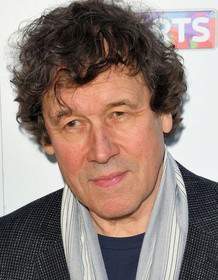
Da Brady (Stephen Rea)
Played by Stephen Rea
Francie’s father, an emotionally distant alcoholic who models a harsh, punitive form of masculinity. His presence exacerbates Francie’s sense of abandonment and instability. His eventual death from alcoholism marks a devastating turning point for the boy and the town.
- 👨👦
- 🍺
- MB
Ma Brady (Aisling O'Sullivan)
Played by Aisling O'Sullivan
Francie’s mother, who suffers a nervous breakdown and ultimately takes her own life. Her absence leaves Francie without a stable source of care and affection, fueling his longing for safety and belonging. Her fragility sets the emotional backdrop for the boy’s later actions.
- 👩
- 💔
-
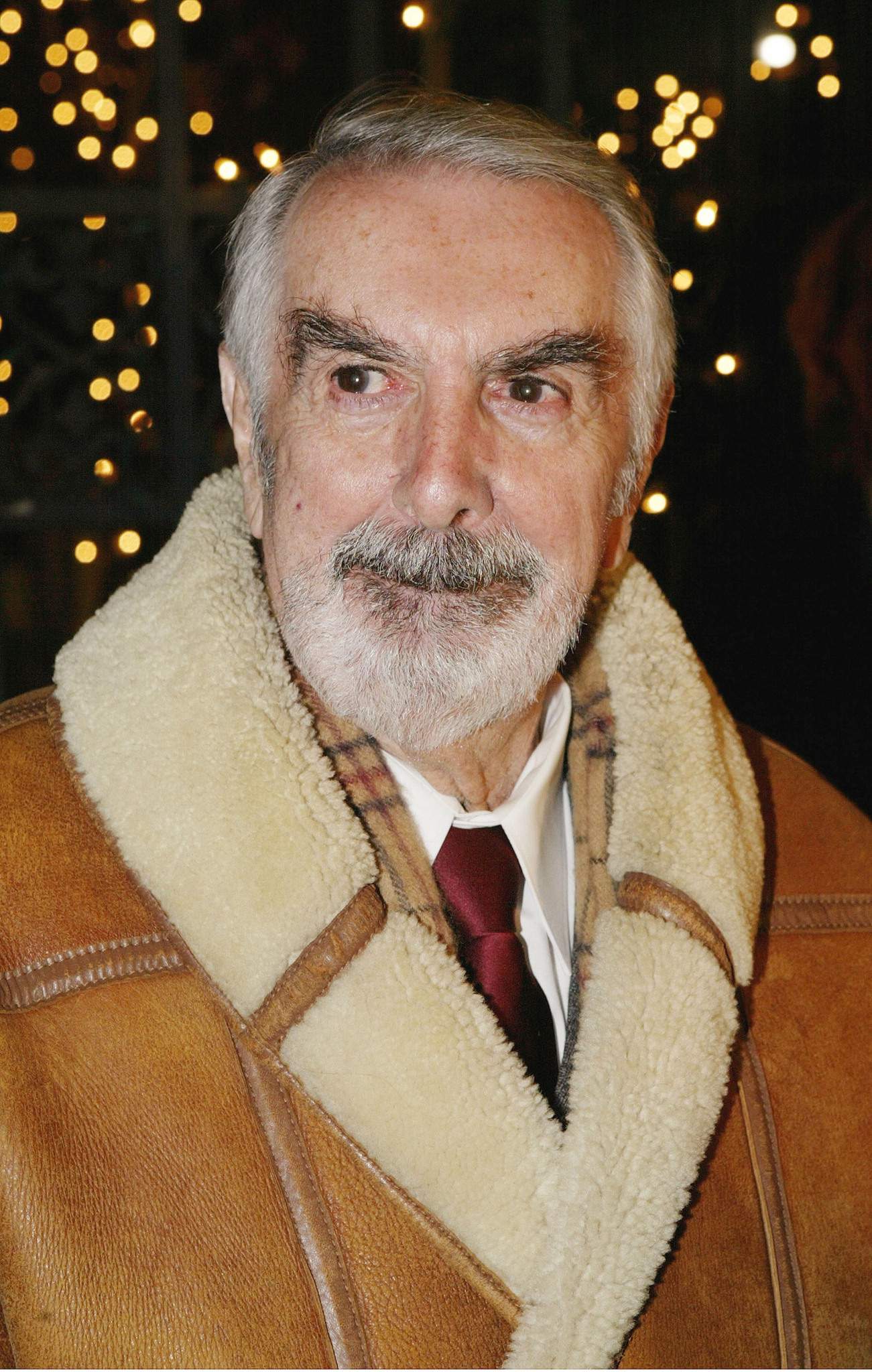
Father Sullivan (Milo O'Shea)
Played by Milo O'Shea
A reform school priest who molests Francie, marking a brutal betrayal of trust. His abuse compounds Francie’s sense of powerlessness and fear, fueling his later outbursts. The character embodies the corruption and hypocrisy critiqued by the story.
- ⛪
- ⚡
- PN
Phillip Nugent (Andrew Fullerton)
Played by Andrew Fullerton
A schoolboy who becomes Francie’s rival; his presence and conflict with Francie test the boy’s loyalties and sense of identity. The friction shifts as social dynamics within the town unfold, contributing to Francie’s isolation.
- 👦
- 🧭
-
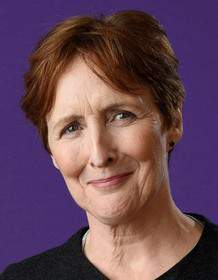
Mrs Nugent (Fiona Shaw)
Played by Fiona Shaw
Phillip Nugent’s mother, a representation of the conventional middle-class household in the town. Her presence highlights the town’s social expectations and the contrast with Francie’s troubled family life.
- 👩
- 🏠
Where and When Is The Butcher Boy Set?
The Butcher Boy is set in Clones and Ireland (Early 1960s). Here is why the time and place matter to the story.
When
Early 1960s
The action unfolds in the early 1960s Ireland, a time of modest modernization and strong parish influence. Television and mass media begin shaping the imagination of its children, including Francie. The era’s social norms heighten the consequences of family breakdown and community scrutiny on a boy struggling to reconcile fantasy with reality.
Where
Clones, Ireland
Clones is a small provincial town in rural Ireland, providing a close-knit, insular setting for the drama. The town’s streets, shops and local routines frame Francie’s volatile world and the pressures of growing up in the 1960s. The setting anchors the story in a traditional Irish social fabric where appearances and reputation carry weight.
- 🏘️ Small town
- 🇮🇪 Ireland
What Are the Themes of The Butcher Boy?
3 ideas the story keeps returning to, among them Childhood Vulnerability, Religion and Mental Decline.
-
01
Childhood Vulnerability
Francie Brady’s world is marked by a fragile childhood coping with a broken family. He retreats into fantasies as a shield against real-world pain, from his mother’s collapse to his father’s volatility. The narrative shows how neglect, fear, and external influences feed a young mind toward disorientation. The result is a precocious, unsettled psyche that teeters on the edge of violence.
-
02
Religion
Religious imagery provides both solace and control for Francie. His fantasies include a foul-mouthed Virgin Mary, revealing how faith can be a coping mechanism and a source of guilt. The reform school setting underscores the church’s influence on shaping morality. The film critiques how religious authority intersects with personal trauma.
-
03
Mental Decline
As the pressures mount, Francie’s grip on reality weakens and his fantasies collide with increasingly brutal actions. The film tracks his descent from playful imagination into uncontrollable outbursts and detachment. The isolation of provincial life amplifies his alienation, culminating in a shocking eruption that upends the town.
What Kind of Film Is The Butcher Boy?
Dark in tone, with variable pacing and a moderate story, going by the plot summary.
- Tone
- Dark
- Pacing
- Variable
- Story
- Moderate
- Intensity
- High
- Ending
- Bleak
A deeply unsettling and hallucinatory journey into a child's deteriorating mind, blending dark comedy with tragic realism to create an intensely oppressive and disturbing viewing experience.
- disturbing
- hallucinatory
- oppressive
- unsettling
- tragic
- fantastical
- childhood trauma
- mental breakdown
- sexual abuse
- coming of age
Content notes: suicide, child sexual abuse, domestic abuse, mental illness, alcoholism, child endangerment.
Where to Watch The Butcher Boy
Rent or buy it from Amazon Video and Apple TV Store. US availability and prices from JustWatch.





Streaming availability in the US, powered by