What Is Song for a Raggy Boy About?
The premise of Song for a Raggy Boy in 322 words, with nothing given away. The full story follows below.
In the autumn of 1939, as Europe teeters on the brink of war, St. Jude’s Reformatory looms over an Irish countryside with a stark, grey façade. The boarding school, built to straighten “troubled” boys, operates more like a fortress than a place of learning, its corridors echoed by the clang of discipline and the hush of fear. Within these walls, the atmosphere is thick with routine repression, a world where authority is absolute and hope is a whispered relic.
The school’s newest arrival, William Franklin, comes back to his native Ireland after a forced departure from a U.S. teaching post due to his left‑leaning politics. A veteran of the Spanish Civil War, Franklin carries a quiet courage and a belief that even the most hardened youths deserve compassion. His appointment as the first lay instructor marks a subtle, yet daring, breach in the institution’s rigid tradition. Opposite him stands Brother John, the stern disciplinarian whose iron‑clad rule defines the daily rhythm of the reformatory, creating an immediate contrast between two very different visions of order.
Among the boys, Patrick Delaney arrives as a fresh face, his teenage uncertainty mirrored in the numbered tags that label every student. Liam Mercier stands out as one of the few who can read and write, a hardened soul softened by a hidden love of poetry. Franklin’s habit of addressing the boys by name, and his gentle introduction of literature, seeds a quiet rebellion against the anonymity enforced by the brothers. The dynamic between teacher, students, and the governing brothers hints at a simmering tension that could reshape the very core of the school.
As the days unfold, the reformatory becomes a stage for conflicting ideals—rigid control versus compassionate instruction, silence versus voice. The moody, austere setting invites curiosity about how William Franklin will navigate the oppressive regime, and whether the fragile bonds forming among the boys might ignite change within the stone‑cold walls of St. Jude’s.
What Happens in Song for a Raggy Boy?
The complete story of Song for a Raggy Boy, from the first scene to the last, in 502 words (about 2 minutes). Spoilers throughout. Names in the text link to 4 cast member pages.
Spoilers ahead
In 1939, on the brink of World War II, the St. Judes Reformatory stands as a ruthless Irish school for boys, a place that feels grey and foreboding, ruled by the sadistic Brother John. The institution prefers punishment to rehabilitation, chillingly turning discipline into a regime of fear. Into this harsh world arrives a new lay teacher, William Franklin — a veteran of the Spanish Civil War who brings a quiet courage and a belief that these boys deserve more than torment.
Patrick Delaney arrives at the school aged 13 and a half, and like every boy there, is assigned a number that the brothers use to identify him. Yet Franklin chooses to call his students by their names, a small but stubborn rebellion against the system. Delaney is described as an attractive boy who becomes the target of the coercive attention of Brother Mac, who rapes him in the school toilets. The weight of Delaney’s confession reaches a visiting priest, who urges silence, a cruel message that only deepens the hurt. The punishment that follows—forced immersion under a cold shower, with wet clothes left on his body—shows the brutal immediacy of the abuse and the way power corrupts mercy.
Liam Mercier is one of the few boys who can read and write, a hard-edged soul who nevertheless catches Franklin’s eye. Franklin bonds with Mercier, introducing him to poetry—including works by writers with communist sympathies—an act that stirs a dangerous sense of possibility within the walls. Together, Mercier and Franklin challenge Brother John’s authority: Mercier protests when two brothers are viciously beaten on Christmas Day after crossing the dividing wall to be with each other, while Franklin steps in and halts the whipping in a moment of defiant courage.
Brother John, biding his time, eventually tricks Mercier into stepping out of class and then beats him relentlessly in front of Brother Mac in the refectory. The crushing defeat is followed by a blunt, devastating discovery: Mercier’s body is found, and Franklin carries the corpse out of the room, overwhelmed by what has happened and the sense that a line has been crossed.
Enraged and grief-stricken, Franklin confronts Brother John, accusing him of murder. The two brothers, John and Mac, are ultimately taken from the school by Church authorities, a consequence that hints at accountability finally arriving from outside the walls. At Mercier’s funeral, Franklin publicly declares that Mercier’s death was murder, and he seals the moment with a kiss on the coffin, a gesture of mourning and defiance.
The crisis reshapes Franklin’s future at the reform school. He considers leaving, but a turning moment comes when Delaney recites Eva Gore-Booth’s poem Comrades across the playground, a moment that reminds the students of humanity and solidarity in a place designed to erase both. Moved by the recital, Franklin abandons his plan to depart; he drops his bags, and Delaney runs to embrace him as the other boys gather around, offering their collective support and affection to the man who had become their savior.
Song for a Raggy Boy Timeline: Every Key Event in Order
12 key events in the order they happen, from “New lay teacher arrives at St. Judes” to “Franklin abandons departure; the boys rally to him”. 12 events name a place, across 7 locations.
- 1
New lay teacher arrives at St. Judes
A veteran of the Spanish Civil War arrives at the brutal reform school and asserts a gentler, more humane approach. He carries quiet courage and a belief that the boys deserve more than fear. This marks the beginning of a clash between his ideals and the institution's punitive regime.
When:1939 Where:St. Judes Reformatory
- 2
Patrick Delaney arrives; Franklin's naming rebellion
Patrick Delaney enters at age 13 and a half, joining a system that numbers each boy. Franklin chooses to call his students by their names, defying the dehumanizing routine. This small act signals the start of a resistance to the school's contemptuous authority.
When:1939 Where:St. Judes Reformatory
- 3
Delaney targeted by Brother Mac; a brutal assault
Delaney becomes the object of Brother Mac’s coercive attention and is raped in the school toilets. The violence exposes the residents' vulnerability under the power of the clergy and staff. A culture of fear and control dominates daily life at St. Judes.
When:1939 Where:School toilets, St. Judes
- 4
Visiting priest urges silence; cruel punishment follows
A visiting priest urges silence after Delaney's confession, reinforcing the system’s cover-up mentality. The punishment that follows—immersion under a cold shower with wet clothes left on—shows the brutal immediacy of the abuse. The incident demonstrates how mercy is undermined by institutional power.
When:1939 Where:St. Judes Reformatory
- 5
Mercier enters Franklin's attention; poetry and hope
Liam Mercier, one of the few literate boys, catches Franklin's eye. Franklin bonds with him and introduces poetry, including works with socialist leanings. The unlikely alliance sparks a dangerous mood of possibility within the walls.
When:1939 Where:Classroom, St. Judes
- 6
Mercier and Franklin challenge authority during Christmas
Mercier protests when two brothers are beaten on Christmas Day after crossing the dividing wall to be together. Franklin supports them, halting the whipping in a moment of defiant courage. The act marks a direct challenge to Brother John's regime.
When:Christmas Day 1939 Where:St. Judes Reformatory grounds
- 7
Brother John tricks Mercier; brutal beating in the refectory
John lures Mercier out of class, then subjects him to a brutal beating in front of Brother Mac. The severity of the punishment reveals the depth of the cruelty ruling the school. The event foreshadows the violent consequences of dissent.
When:late December 1939 Where:Refectory, St. Judes
- 8
Mercier's death is discovered; Franklin carries the body
Mercier's body is found after the brutal beating, a crushing validation of the system's control through fear. Franklin carries Mercier's corpse from the room, overwhelmed by the sense that a line has been crossed. The tragedy becomes a catalyst for calling out murder.
When:aftermath of the beating Where:St. Judes Reformatory
- 9
Franklin confronts Brother John; authorities are alerted
In a heated confrontation, Franklin accuses Brother John of murder as Church authorities begin to intervene. The brothers John and Mac are taken from the school, signaling a potential accountability outside the walls. The moment reframes Franklin's relationship to the institution.
When:after confrontation Where:St. Judes Reformatory
- 10
Mercier's funeral; a public declaration
At Mercier's funeral, Franklin publicly declares his death a murder and seals the moment with a kiss on the coffin. The tribute becomes a defiant stand against the regime's lies and brutality. The funeral elevates the moral stakes of the conflict.
When:funeral day Where:Mercier's funeral, St. Judes
- 11
Delaney's poem rekindles humanity; a turning moment
Delaney recites Eva Gore-Booth's poem Comrades across the playground, reminding the boys of their shared humanity. The moment stirs Franklin and the others toward solidarity. It signals a turning point that tempers the urge to flee with a resolve to stay and protect the boys.
When:following funeral Where:Playground, St. Judes
- 12
Franklin abandons departure; the boys rally to him
Moved by the recitation and the boys' support, Franklin abandons plans to leave. He drops his bags, and Delaney runs to embrace him as the others gather around in solidarity. The moment marks the birth of a fragile, hopeful resilience within the reform school.
When:finale Where:Playground, St. Judes
Who Are the Main Characters in Song for a Raggy Boy?
5 characters, among them William Franklin (Aidan Quinn), Patrick Delaney (Chris Newman) and Liam Mercier (John Travers): who each one is and the part they play in the story. Every profile links to the actor’s page.
-

William Franklin (Aidan Quinn)
Played by Aidan Quinn
A lay teacher and World War II-era veteran of the Spanish Civil War, Franklin arrives with a quiet courage and a belief that boys deserve more than torment. He treats students as individuals, calling them by name rather than numbers, and challenges the system through small, principled acts. His empathy and resolve position him as a catalyst for potential reform within the brutal environment.
- 🎓 Educator
- 🕊️ Compassionate
- 🛡️ Defiant
- PD
Patrick Delaney (Chris Newman)
Played by Chris Newman
A thirteen-and-a-half-year-old boy who embodies vulnerability within the reform school's harsh regime. He becomes the target of Brother Mac’s coercive attention, enduring abuse that underscores the institution’s cruelty. Delaney's resilience and his later participation in a transformative moment demonstrate the human cost of oppression and the hope that empathy can awaken change.
- 🧒 Child
- 💔 Vulnerable
- 🌟 Resilient
- LM
Liam Mercier (John Travers)
Played by John Travers
A literate, hard-edged student who catches Franklin’s eye and becomes a challenger to the teachers’ authority. Mercier’s protests against abuses and his pursuit of knowledge create a spark of resistance inside the walls. His eventual death becomes the catalyst for a turning point in the narrative and in Franklin’s choices.
- 📚 Intellectual
- 🗡️ Rebellious
- 🕊️ Tragic
-
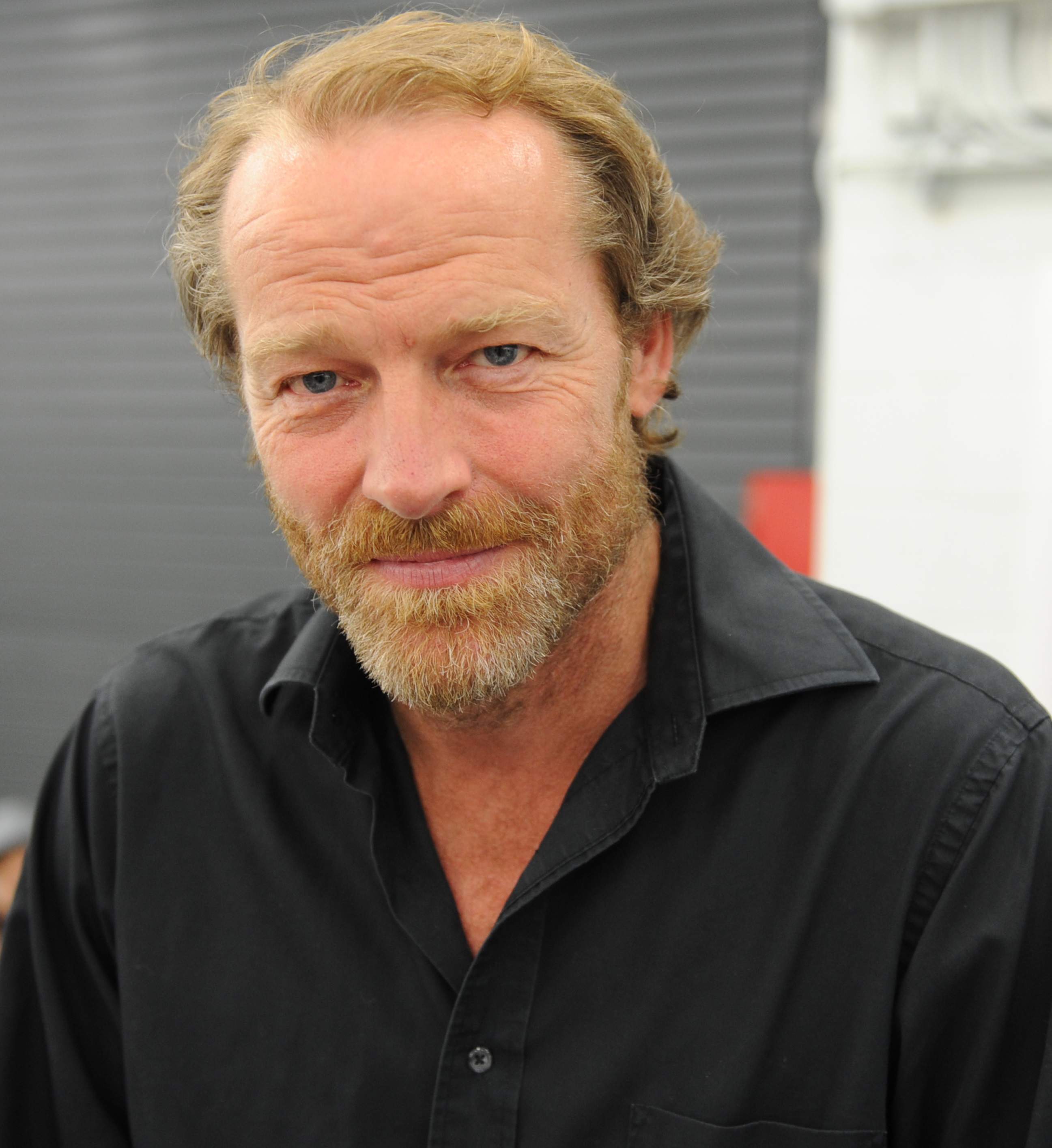
Brother John (Iain Glen)
Played by Iain Glen
A sadistic figure who wields authority to punish and control the boys, using power as a tool of fear. He manipulates the system to maintain dominance and becomes a central antagonist whose actions provoke moral confrontation. His eventual exposure hints at accountability beyond the school’s walls.
- 🎯 Authoritative
- 🛡️ Cruel
- ⚖️ Corrupt
- BM
Brother Mac (Marc Warren)
Played by Marc Warren
A colleague of Brother John, he participates in the abuse and becomes a co-conspirator in the system’s brutality. His role in the rape and the events leading to Mercier’s death illuminates the corrupting influence of unchecked power within the reform school. His fate aligns with the broader narrative of accountability.
- ⚔️ Violent
- 🗝️ Complicit
- 👥 Abusive
Where and When Is Song for a Raggy Boy Set?
Song for a Raggy Boy is set in St. Judes Reformatory and Ireland (1939). Here is why the time and place matter to the story.
When
1939
Set in 1939, on the cusp of World War II, the film situates itself in a world of political tension and old-school authority. The era foregrounds strict institutions and conservative values that govern behavior with brutal efficiency. The historical moment adds gravity to the characters' choices and the stakes of rebellion. It’s a time when communal norms suppress dissent, making small acts of courage more significant.
Where
St. Judes Reformatory, Ireland
The story centers on the grey, foreboding halls of a harsh Irish reform school where boys are controlled through fear and rigid discipline. The institution is run with a heavy religious veneer, turning punishment into a regime. Numbers replace names, highlighting the dehumanizing environment. The setting amplifies the boys' longing for humanity and the possibility of mercy.
- 🏫 Reformatory
- 🕯️ Oppression
- 🕊️ Solidarity
What Are the Themes of Song for a Raggy Boy?
4 ideas the story keeps returning to, among them Defiance, Silence and Poetry and solidarity.
-
01
Defiance
Defiance emerges when Franklin refuses to participate in the dehumanizing system. He calls students by their names instead of numbers and intervenes to stop the brutal treatment, challenging the legitimacy of the reform school's authority. This quiet rebellion grows into a public stand against cruelty and injustice. The theme culminates as outside accountability begins to emerge.
-
02
Silence
Silence acts as a shield for abuse, enabling a cycle of harm within the school and within the visiting priest’s admonitions to stay quiet. The story shows how keeping quiet preserves power structures and deepens wounds. Silence contrasts with moments when characters choose to speak up, demonstrating the cost of truth-telling. Breaking the silence becomes essential to any chance of reform.
-
03
Poetry and solidarity
Poetry becomes a lifeline, connecting the boys to a broader sense of humanity and resistance. Franklin introduces Mercier to poetry that hints at collective struggle and empathy, expanding their worldview beyond the walls. The recitation of Eva Gore-Booth’s Comrades acts as a communal catalyst for solidarity. Art here fosters resilience and a shared sense of dignity.
-
04
Accountability
Mercier's death exposes the consequences of unchecked brutality and prompts external scrutiny. The removal of the abusive brothers signals a shift toward accountability beyond the reform school. Franklin’s public accusation of murder at the funeral reinforces moral responsibility. The events redirect Franklin’s path from leaving the school to becoming a catalyst for change.
What Kind of Film Is Song for a Raggy Boy?
Dark in tone, with steady pacing and a straightforward story, going by the plot summary.
- Tone
- Dark
- Pacing
- Steady
- Story
- Straightforward
- Intensity
- High
- Ending
- Bittersweet
A deeply grim and oppressive drama about systemic abuse in a Catholic reform school, punctuated by moments of profound human defiance and a fragile, bittersweet hope that emerges from immense tragedy.
- oppressive
- tragic
- defiant
- somber
- harsh
- grief-stricken
- institutional abuse
- coming of age
- teacher-student bond
- courage against corruption
Content notes: child sexual abuse, child rape, corporal punishment, child death, graphic violence, emotional abuse.
Quiz
How well do you remember Song for a Raggy Boy? Test yourself on the story.
Where to Watch Song for a Raggy Boy
Stream it on Amazon MX Player and Amazon Prime Video, or rent or buy it from Amazon Video and Fandango At Home. US availability and prices from JustWatch.
Stream 11
 Amazon MX Player
  Amazon Prime Video
  Amazon Prime Video Free with Ads
  Amazon Prime Video with Ads
  DistroTV
  Dox Amazon Channel
  Fandango at Home Free
  Hoopla
  Magnolia Selects Amazon Channel
  Tubi TV
  Xumo Play
Streaming availability in the US, powered by