What Is Absolution About?
The premise of Absolution in 354 words, with nothing given away. The full story follows below.
In the remote countryside of England, a solemn Catholic boarding school stands as a fortress of tradition, its stone corridors echoing with hymns and the muted rustle of disciplined routine. The institution’s austere routines are enforced by an unyielding hierarchy that leaves little room for dissent, creating a pressure‑cooked environment where every whisper feels like a transgression. Within these walls, the very act of confession is both a solace and a weapon, a sacred rite that binds the community together while also holding the power to unravel it.
Father Goddard presides over the school with an iron fist, his authority rooted in doctrine and an unbending sense of order. He is a man whose faith is as rigid as the rules he enforces, and his presence looms over the boys like an unspoken verdict. Among the students, Benjie Stanfield navigates the strict regime with a quiet intensity, his curiosity often pushing him toward the fringes of accepted behavior. His companion, Arthur Dyson, is an outsider by choice, skittish yet observant, providing a counterpoint to Benjie’s restless drive. The arrival of a wandering motorcyclist, Blakey, adds an unpredictable element to the tightly controlled world, his mere presence stirring the latent tensions that the school’s walls have long tried to contain.
When a confession of murder slips into the sanctity of the confessional, Father Goddard’s doctrinal certainty is abruptly challenged. The revelation forces him into a psychological contest where the boundaries between sin and obedience blur, and his once‑unshakeable control begins to crack. The priest must grapple with the paradox of his vows—the seal of confession and the demand for moral accountability—while the boys, each bearing their own hidden motives, linger on the edge of revelation.
The film unfolds as a slow‑burning study of power, guilt, and the limits of forgiveness. Its atmosphere is thick with foreboding, the muted clang of chapel bells punctuating an ever‑tightening web of secrets. As the characters drift between authority and rebellion, the narrative invites viewers to ponder how deeply held beliefs can be both a shield and a cage when confronted with the darkness that lies just beneath the surface.
What Happens in Absolution?
The complete story of Absolution, from the first scene to the last, in 778 words (about 3 minutes). Spoilers throughout. Names in the text link to 4 cast member pages.
Spoilers ahead
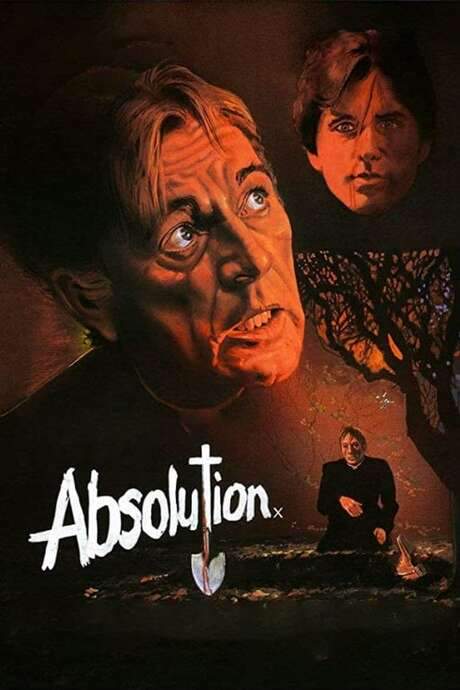
Set in a Catholic boys’ boarding school in rural England, this story follows the quiet gravity of a tense campus where Benjamin ‘Benjie’ Stanfield and his unpopular friend Arthur Dyson navigate the strict world ruled by their form master, Father Goddard, and the arrival of a wandering motorcyclist, Blakey. The film opens with Blakey riding onto the grounds and asking Fr. Goddard if there are any odd jobs he could do; when he’s politely turned away, a sense of unease threads through the quiet routines of the school. Blakey, however, doesn’t vanish from the margins—he camps in the woods near the school and slips into the kitchen at night to steal food, a minor wrongdoing that unsettles the boys and foreshadows the deeper moral storms to come.
Fr. Goddard uses a classroom moment to illuminate the Catholic idea of confession: a priest cannot reveal what a penitent shares, not even if it involves murder. The distinction between truth spoken in confession and truth lived outside the booth begins to blur as Stanfield, newly drawn to Blakey, starts drifting away from Dyson and toward the enigmatic intruder living on the margins of the campus. The tension escalates when Fr. Goddard forbids Stanfield from seeing Blakey, yet Stanfield defies the prohibition, drawn by a flawed sense of loyalty and curiosity that Blakey seems to awaken in him.
Blakey’s presence destabilizes the school’s routine. He presses Stanfield to spin stories of sexual escapades, which Stanfield unloads in confession, feeding the priest with tall tales that rattle the boundaries between truth and deception. The consequences arrive when two policemen, summoned by Fr. Goddard, confront Blakey, beating him and ordering him to move on. Blakey’s anger boils over, and a painful, unresolved moment occurs when Stanfield attends later to a distressed Blakey who lashes out, and Stanfield picks up a rock in a moment of panic. What happens next remains unstated, a hinge on which the drama pivots.
The confessional becomes the fulcrum of the film’s moral ambiguity. Stanfield claims in confession that he has accidentally killed Blakey and buries him in the woods, prompting Fr. Goddard to investigate the site himself. He digs and discovers what he first believes to be a human head, only to find a pumpkin instead. The others’ laughter reveals the cruel joke played at the priest’s expense, and Stanfield realizes the confession he offered could trap him in a lie of his own making. Dyson, who has grown close to Stanfield, offers to take the blame, but Stanfield pushes him away and walks off, leaving the scene steeped in unanswered guilt and fear.
Later, Dyson openly enters the confession scene, admitting that he was a willing accomplice to Stanfield’s deception. An unseen figure seems to intrude, and Stanfield’s voice can later be heard confessing that he has killed Blakey, though the truth is more tangled. Fr. Goddard, torn between his duty to the seal of confession and the mounting dread of what lies beneath, refuses to absolve the boys without risking a greater sin of exposure. He then heads into the woods again, compelled to verify the truth, only to uncover what appears to be Dyson’s leg brace half-exposed in the ground.
The film’s climax spirals into brutal clarity: Stanfield appears in the woods, and Fr. Goddard, overwhelmed by fear and the weight of confession, strikes him repeatedly with a shovel, killing him. He hurries back to the chapel to pray for forgiveness, but Stanfield’s voice intrudes once more, leaving Goddard to confront the possibility that the confessional system has become a weapon in a chain of violence he cannot undo. Dyson then reveals that it was he who killed Blakey, having imitated Stanfield’s voice in the confessional to frame the boy and to unleash his own revenge against Fr. Goddard for the priest’s cruelty. Dyson’s confession sets in motion a stark moral choice: he offers Goddard the option to confess to both killings and face prison or an asylum, or to end his own life. Goddard, immobilized by the seal of confession, collapses into mortification as Dyson walks away whistling, choosing not to forgive or absolve the crime.
In the end, the film leaves the viewer with a haunting meditation on guilt, power, and the limits of forgiveness within a closed, hierarchical world. The once-clear boundaries between truth and deception, justice and mercy, blur into a somber portrait of how secrets can fester into violence, and how the righteous can become complicit in the very sins they seek to condemn. The story remains deeply human in its portrayal of flawed characters trapped by their own choices, where the line between protector and persecutor becomes dangerously thin.
Absolution Timeline: Every Key Event in Order
12 key events in the order they happen, from “Blakey arrives and asks for odd work” to “Goddard takes responsibility and Dyson departs”. 12 events name a place, across 9 locations.
- 1
Blakey arrives and asks for odd work
A travelling motorcyclist named Blakey arrives at the rural Catholic school and asks Fr. Goddard if there are any odd jobs he can do. He is told there are none available. This meeting sets the tension between the outsider and the school's authorities and foreshadows his uneasy place at the school.
When:Opening Where:School grounds
- 2
Blakey camps near the woods and befriends Stanfield
Blakey establishes a camp in the woods near the school and quietly begins stealing food from the kitchen at night. Stanfield, a unpopular schoolboy, notices him and forms an uneasy friendship with the outsider. The two outsiders become allies while Fr. Goddard watches from a distance.
When:Next day Where:Woods near the school
- 3
Goddard explains confession and the seal
Fr. Goddard uses a class to discuss the Catholic concept of confession, stressing that a priest cannot break the seal of confession. He warns that even serious crimes, including murder, must remain secret. The lesson foreshadows the moral trap waiting for the boys.
Where:Classroom
- 4
Stanfield disobeys and Blakey pushes him to lie
Stanfield grows closer to Blakey and begins spending less time with his friend Dyson. Goddard forbids Stanfield to see Blakey, but Stanfield disobeys. Blakey prods him to make up stories about sexual dalliances, which Stanfield later recounts to Fr. Goddard in confession.
When:Later that day Where:School
- 5
Police remove Blakey and tension escalates
Two policemen arrive at the school invited by Fr. Goddard to remove Blakey from the grounds. They beat him and tell him to move on. Stanfield arrives later and Blakey, still upset, swears at him while Stanfield nervously clutches a rock.
When:Evening Where:School grounds
- 6
Stanfield confesses an accidental murder in confession
During confession, Stanfield tells Fr. Goddard that he has accidentally killed Blakey and buried the body in the woods. Goddard goes to the burial site to verify what he has heard. He digs and finds what looks like a head, but it is revealed to be a pumpkin, signaling that this is a cruel prank by the boys.
When:Later that day Where:Woods near the school
- 7
Dyson offers to take the blame; Stanfield resists
Dyson appears and offers to take the blame for the prank, but Stanfield pushes him away and walks off. The tension between the boys grows as the idea of guilt and confession becomes tangled with fear of the seal of confession.
When:Following confession Where:School chapel / woods
- 8
Dyson and Stanfield's confessions collide
In the chapel, Dyson enters the confessional to say he was a willing accomplice. An unseen person then enters, but Stanfield's voice is heard confessing that this time he really has murdered Blakey. Fr. Goddard realizes the confessions have become a dangerous tangle of lies and truth.
When:During confession Where:Chapel / confessional
- 9
Goddard discovers signs in the woods
Unable to ignore the mounting danger, Goddard returns to the woods and finds what looks like a leg brace half-exposed in the ground, surrounded by the boys' laughter. He demands the culprit reveal themselves and the scene signals a fatal confrontation looming on the horizon.
When:Evening Where:Woods
- 10
Goddard confronts Stanfield and kills him
Goddard locates Stanfield in the woods and, in a moment of desperate resolve, strikes him repeatedly with a shovel, killing him. He staggers back toward the chapel, overwhelmed by guilt and the moral burden of the confession.
When:Confrontation Where:Woods
- 11
Dyson reveals the real killer and the motive
Back in the chapel, Dyson reveals that he actually killed Blakey and later moved the body, motivated by revenge for Fr. Goddard's cruelty. He explains the other confessions were part of a dangerous deception and presses the priest to confront the truth.
When:After Stanfield's death Where:Chapel
- 12
Goddard takes responsibility and Dyson departs
Fr. Goddard declares that he will take the blame for both killings and asks Dyson for forgiveness, a decision complicated by the seal of confession. Dyson offers the choice of confessing or suicide, refuses forgiveness, and walks away whistling as the priest collapses in mortification.
When:Finale Where:Chapel / Woods
Who Are the Main Characters in Absolution?
4 characters, among them Benjamin 'Benjie' Stanfield (Dominic Guard), Arthur Dyson (David Bradley) and Father Goddard (Richard Burton): who each one is and the part they play in the story. Every profile links to the actor’s page.
- B'
Benjamin 'Benjie' Stanfield (Dominic Guard)
Played by Dominic Guard
Benjamin 'Benjie' Stanfield is a charismatic schoolboy who befriends Blakey and becomes entangled in lies and manipulation. He tests the boundaries of authority, disobeys Fr. Goddard's warnings, and uses confession as a weapon to cover his misdeeds. A calculating but morally ambiguous figure, Stanfield wields truth and lies to control outcomes, until the ultimate revelation tests his conscience.
- 🧭 Manipulative
- 🧠 Calculating
- 🎭 Ambiguity
-

Arthur Dyson (David Bradley)
Played by David Bradley
Arthur Dyson is a schoolboy whose friendship with Benjie triggers the social shift away from the form master’s favor. He appears reserved yet harbors a willingness to take drastic actions when provoked by Fr. Goddard's cruelty and Stanfield's manipulation. Dyson is capable of violence and plays a key role in the deception surrounding Blakey's fate. He ultimately becomes a foil to Stanfield's self-preservation, complicating the moral calculus of confession.
- 🧭 Rebellious
- 🧠 Cunning
- 🎭 Ambition
-
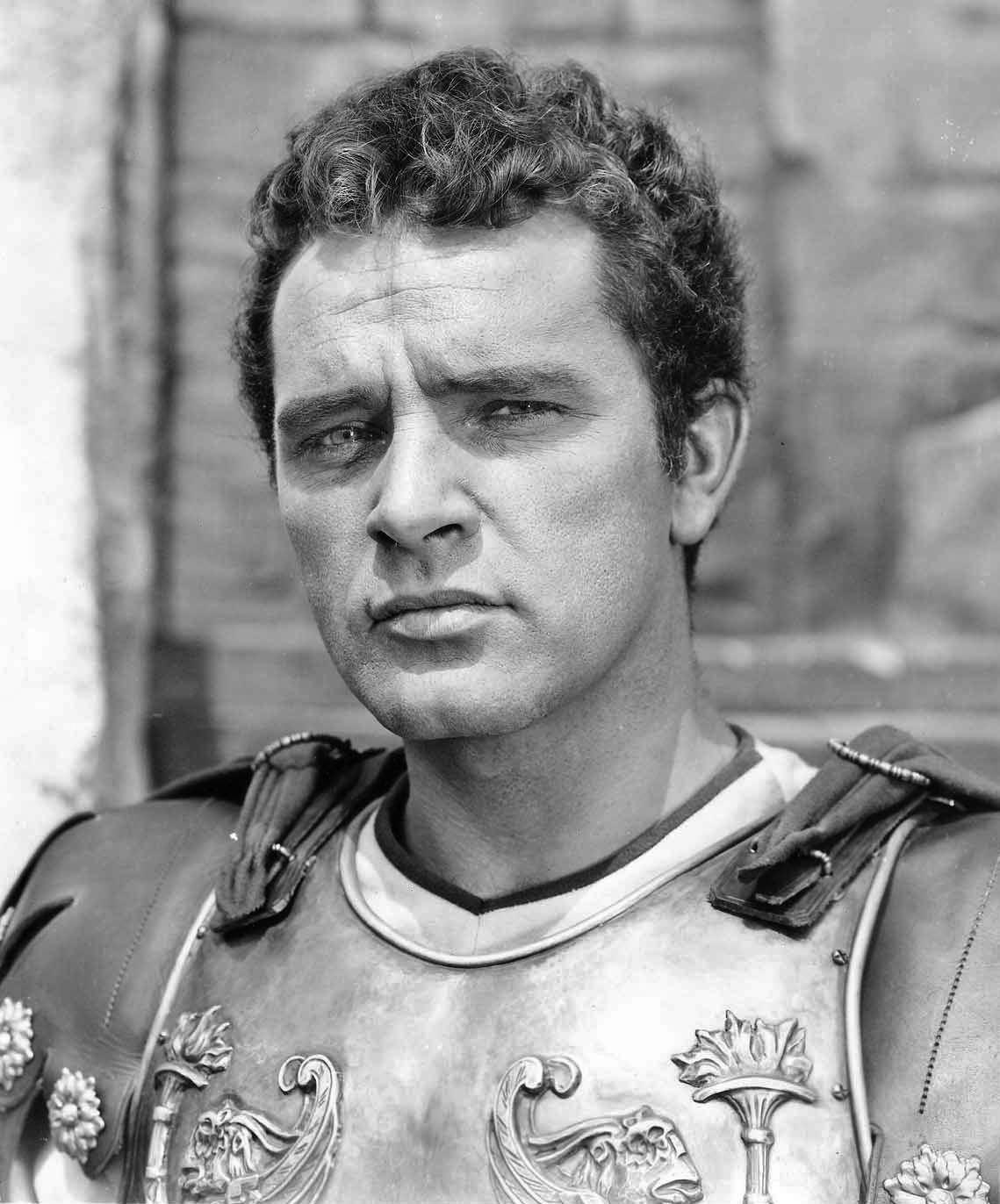
Father Goddard (Richard Burton)
Played by Richard Burton
Father Goddard is the form master who embodies rigid religious authority and the politics of confession. He wields the seal of confession as a shield for his actions, and his cruelty escalates the boys' fear and resentment. His manipulation and punitive approach push Stanfield toward violence and force him to confront the limits of absolution. In a climax of moral crisis, he ends up bearing the guilt of the crimes he cannot publicly confess.
- 🕯️ Authority
- 🕊️ Faith
- 💔 Guilt
-
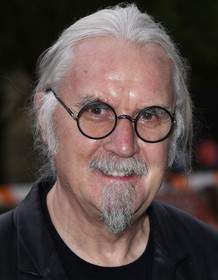
Blakey (Billy Connolly)
Played by Billy Connolly
Blakey is a wandering motorcyclist who arrives at the school seeking odd jobs and food, acting as a disruptive outsider. His presence unsettles the social order and catalyzes conflict with the students and staff. He becomes a focal point for the boys’ experiments with deception and desire for freedom. His involvement accelerates the deadly chain of events and exposes the fragility of loyalties.
- 🏍️ Rider
- 🧭 Outsider
- ⚡ Catalyst
Where and When Is Absolution Set?
Absolution is set in Catholic boys' boarding school and woods near the school. Here is why the place matters to the story.
Where
Catholic boys' boarding school, woods near the school
Set in a secluded Catholic boys' boarding school in rural England, the setting emphasizes discipline, ritual, and surveillance. The stone buildings and cloistered life create an atmosphere of control and secrecy. The school serves as a pressure cooker where authority is absolute and moral codes are tested. The surrounding woods provide a sanctuary for hidden plots and the eventual uncovering of dark acts.
- 🏫 School
- 🌳 Rural England
- 🔎 Mystery
What Are the Themes of Absolution?
3 ideas the story keeps returning to, among them Confession, Authority and Guilt.
-
01
Confession
The film centers on the Catholic seal of confession, which binds the priest and the boys with unbreakable silence. Fr. Goddard refuses to absolve crimes confessed by the boys, illustrating the moral burden of truth-telling versus loyalty. Stanfield weaponizes confession to bury his misdeeds, while Dyson's actions threaten to unravel the ceremony of absolution. The tension reveals how faith, authority, and secrecy can coerce innocent and guilty alike.
-
02
Authority
The boarding school is a microcosm of rigid authority where adults wield power over younger minds. Fr. Goddard's cruelty and disciplinary tactics expose a hierarchy that normalizes coercion and fear. Stanfield's rebellion and Dyson's calculated responses test the limits of obedience and control. The plot demonstrates how institutional power can corrupt ethics and shield wrongdoing.
-
03
Guilt
Murder acts and the aftermath shape a chain of guilt that characters try to manage through denial or confession. Dyson's manipulation of Stanfield turns fear into violence, and each act compounds secrecy. Fr. Goddard's attempt to bear the blame highlights the complexities of moral responsibility in the face of coercive power. The film ends with a chilling reminder that revenge can masquerade as justice.
What Kind of Film Is Absolution?
Dark in tone, with slow pacing and a complex story, going by the plot summary.
- Tone
- Dark
- Pacing
- Slow
- Story
- Complex
- Intensity
- High
- Ending
- Bleak
An oppressive, slow-burning psychological thriller set in a rigid boarding school, where a priest's faith is weaponized in a deadly game of guilt and deception, leading to a bleak and morally devastating conclusion.
- oppressive
- claustrophobic
- morally ambiguous
- anxious
- somber
- unsettling
- catholicism
- guilt and power
- confession
- psychological manipulation
Content notes: child death, bludgeoning, psychological abuse, religious trauma.
Quiz
How well do you remember Absolution? Test yourself on the story.