
The Boy Who Cried Werewolf 1973


Directed by

David Cass Jr.
Made by

Pacific Bay Entertainment
Where to Watch The Boy Who Cried Werewolf
See current US streaming, rental, and purchase options for The Boy Who Cried Werewolf (1973) via JustWatch.








The Boy Who Cried Werewolf Plot Summary
Read the complete plot summary and ending explained for The Boy Who Cried Werewolf (1973). From turning points to emotional moments, uncover what really happened and why it matters.
Robert Bridgestone [Kerwin Mathews], a divorced father, takes his son Richie [Scott Sealey] to their mountain cabin for a weekend away from the world. On a moonlit hike through pines and silence, the two are set upon by something dark and predatory. In the fray the mysterious creature plunges down a ravine and is impaled on a wooden fence, yet not before it sinks its teeth into Robert. When they search the scene, the evidence points to a human attacker, not a supernatural monster. The local sheriff, [Robert J. Wilke], dismisses the incident as the work of a deranged drifter, but Richie stubbornly insists that what they faced was a werewolf. His father and the sheriff treat the boy’s belief as childish fantasy, creating a stark gap between Richie’s vivid fear and the adults’ logic.
Sandy Bridgestone [Elaine Devry], Robert’s ex-wife, grows worried about her son’s fixation and begs her ex-husband to consult with the family psychiatrist [George Gaynes]. The doctor weighs the child’s fears and offers a troubling interpretation: Richie’s fixation may be a coping mechanism for the painful truth that his father killed a man. He suggests a counterintuitive plan—return to the cabin the next full moon and allow Richie to witness normalcy there, hoping that the monster fantasy will fade when reality seems unchanged. The idea is to confront the boy with evidence that the nightmare hasn’t followed him, a therapeutic gamble aimed at quieting his imagination rather than indulging it.
Back at the cabin during another full moon, a surge of pain overtakes Robert. He sends Richie to the stream for safety, and in a reflected glimpse he discovers that he has changed into the werewolf he had killed weeks earlier. The sight shocks him into silence, and when Richie witnesses what looks like a resurrection of the beast, he bolts into the woods, fleeing along a mountain road as the creature gives chase. The werewolf’s rampage spills into the road, causing several car crashes and ending with a driver being violently dismembered. Richie stumbles upon a pair of newlyweds camping and clings to them for protection, pleading his case even as the witnesses struggle to believe him. They do agree to help take him home, and by the time they reach the cabin, Robert is nowhere to be found. When he reappears the next morning, he seems dazed and indistinct, leaving Richie unsure how to interpret his father’s strange behavior and mood swings.
The next night, under the full moon, Robert undergoes the transformation again, and the hunt for Richie becomes a tense game of hide and seek inside the house. The werewolf roams the place, and outside, the newlyweds who once sheltered Richie become targets of the creature’s predatory urge, with the beast dragging a camper and leaving a trail of horror in its wake. Richie, still terrified but resolute, discovers that his father is somehow connected to the killings, yet the grownups refuse to connect the dots. When the caravan of danger finally returns to the cabin, Richie learns more directly that his father may be the monster he dreads, a revelation that shakes him to the core.
Richie’s discovery deepens the divide between father and son, and the sheriff’s investigation intensifies. The local doctor’s warnings cannot compete with the raw fear of a child who truly believes his father is a monster. The tension peaks during a visit to the hippie commune on their way back to the cabin. The hippies, led by a wild-eyed figure, form a circle of power and shout at the family to join in. Sandy, driven by a mix of curiosity and caution, partly nods along, but Robert is stopped cold at the circle’s edge as if an invisible barrier holds him back. The encounter hints at a larger, almost mystical force at work, while also underscoring Robert’s fragility in the face of his own suspected curse. A wounded, hopeful Sandy longs for reconciliation, suggesting that perhaps they should try to repair what they once had.
That night, as the full moon rises again, Robert withdraws from Sandy, bending toward the shed where Richie has been preparing, perhaps in search of the truth. Inside, Richie uncovers a bag that confirms the darkest fear—his father has a double life he cannot escape. Robert begs his son to lock him in the shed, a desperate plea to contain the nightmare he has become. When Sandy arrives and the truth spills out, she learns the horrifying possibility that her husband’s transformation is real and personal. The shed door shakes, and a clawed hand appears as danger looms. The family flees to the safety of the camper just as the werewolf launches a final assault on those nearby, including the hippie camp, while the sun seems ready to end the nightmare.
The sheriff’s party stabilizes the scene, but the truth remains chilling: the man who was once a father has become an unstoppable predator during the full moon, and the people around him cannot fully accept the terrible possibility. As night deepens, Richie makes a life-altering decision to intervene and save his father, even as others call for restraint. The mob closes in, firing at the advancing beast, but bullets fail to pierce the creature’s hide. In a moment of tragic resolve, the werewolf stumbles onto a broken stake that once held a hippies’ cross, and the stake pierces its heart. The transformation back to Robert is swift and painful, and the horrifying clarity settles over the scene: the man Richie has always known as his father is now gone, replaced by the monstrous form that nearly destroyed them all. The last image is Sandy, pale and horrified, examining her son’s bite mark and grappling with the terrifying possibility that Richie could inherit the same curse.
The Boy Who Cried Werewolf Timeline
Follow the complete movie timeline of The Boy Who Cried Werewolf (1973) with every major event in chronological order. Great for understanding complex plots and story progression.
First encounter: moonlit attack and bite
Robert and Richie are hiking at night under a full moon when a werewolf attacks. The creature falls into a ravine and is impaled on a wooden fence, but it bites Robert in the struggle. They cannot identify the attacker, and the local sheriff concludes it was a crazy drifter, while Richie insists it was a werewolf.
Sandy seeks psychiatric guidance
Sandy takes Richie's story to the family psychiatrist. The doctor explains that the boy's fixation may stem from his difficulty accepting that his father killed a man, and he suggests returning to the cabin to confront the memory. He predicts that when things return to normal, Richie's werewolf fascination will fade.
Second full moon: transformation begins
Back at the cabin for the second full moon, Robert feels a wave of pain and sends Richie to the stream. He looks into a mirror and sees himself turning into the creature he killed. The boy witnesses the transformation and flees into the woods as the werewolf closes in.
Road tragedy and help from strangers
The werewolf's pursuit causes several cars to crash along a mountain road. Two newlyweds camping nearby see Richie’s distress and reluctantly agree to take him home, even though they don’t fully believe his story.
Morning aftermath and tension at the camper
The next morning, Robert appears dazed at the campers, claiming he has been searching for Richie. Richie tells his father about the werewolf, but Robert responds with irritability and disbelief, setting a tense tone between father and son.
Third full moon: slaughter and discovery
During the following night's full moon, the werewolf—Robert—searches the house for Richie, who hides. The creature pursues the newlyweds again, pushing their camper down a hill and mutilating their bodies, carrying away one head. Richie sneaks down to the shed and witnesses his father transforming again.
Sheriff investigates the killings
The sheriff arrives to report the killings and begins to suspect a link between the attacks. The community starts to connect the dots, though no one can yet credit the werewolf theory outright.
Doctor killed during a therapy session
The psychiatrist explains Richie's belief and the risks of such fantasies. As their session continues and the full moon rises, Robert suddenly kills the doctor, severing the therapeutic moment with a brutal act.
Hippie commune detour and invisible barrier
The family stops at a hippie commune on the way to the cabin. The hippies perform a circle ritual to drive away evil spirits, and while Sandy outwardly agrees, Robert is unable to move beyond an invisible barrier and is blocked from entering the circle. They resume their drive to the cabin.
Sheltered transformation and chaos
The full moon rises once more as Robert begins to transform. Richie locks him in the shed to keep him contained, but Sandy is drawn by noises from inside. The werewolf bursts through and driv es the family toward escape, and the beast then attacks the hippie commune. By dawn, the creature weakens and transforms back into Robert, who is put to flight by the moon’s light.
Aftermath: deformity and search for help
Robert regains consciousness and disappears into the woods. The sheriff dispatches guards while Robert’s index finger begins to deform, a physical sign of the curse. Sandy and Richie seek help, unsure of what they will find when they return.
Final confrontation and crushing revelation
The werewolf slips through a cabin window and menaces Sandy. Deputies burst in and fire, but bullets cannot kill him. Cornered, the creature is driven toward a broken stake from the hippies’ cross that pierces his heart, and he collapses, transforming back into Robert. Sandy, horrified, notices a bite mark on Richie and realizes he may now be cursed as well.
The Boy Who Cried Werewolf Characters
Explore all characters from The Boy Who Cried Werewolf (1973). Get detailed profiles with their roles, arcs, and key relationships explained.
Robert Bridgestone (Kerwin Mathews)
A divorced father who shields his son while secretly struggling with a violent past and periodic, painful transformations under the full moon. His protective demeanor clashes with memory blackouts, gradually revealing a hellish duality that jeopardizes both his family and his own sense of self.
Richie Bridgestone (Scott Sealey)
A perceptive and anxious boy whose fixation on werewolves is sparked by his father’s actions. He struggles to distinguish fantasy from reality, yet his conviction about a monster forces the family into increasingly dangerous situations.
Sandy Bridgestone (Elaine Devry)
Richie’s mother and Robert’s ex-wife, she tries to keep the family together and protect her son. She oscillates between concern, faith in therapy, and disbelief as the authorities and the boy’s stories collide with violent events.
The Sheriff (Robert J. Wilke)
The local lawman who investigates the string of killings with a practical, skeptical mindset. He connects the incidents but remains cautious about accepting a supernatural explanation, thus driving the investigation forward.
Dr Marderosian (George Gaynes)
The family psychiatrist who explains Richie’s fear in clinical terms, suggesting the boy’s belief in a werewolf stems from trauma and misattribution. He becomes a victim of violence, underscoring the film's perilous blend of medicine and myth.
First Werewolf (Paul Baxley)
The terrifying creature that attacks the cabin and is later revealed to be Robert in werewolf form. Its emergence escalates the crisis and confirms the boy’s worst fears.
Brother Christopher (Bob Homel)
Leader of the hippie commune encountered during the journey home. His circle embodies a countercultural ritual that contrasts with the town’s suspicion, offering a momentary glimpse of belief and spirituality in the story’s chaos.
Monica (Loretta Temple)
A local resident encountered during the trip, contributing to the film’s sense of a wider community reacting to the family’s crisis and the surrounding mystery.
Deputy (David Cass Jr.)
A member of law enforcement assisting the sheriff, representing the procedural response to the murders and the attempts to maintain order amid rising fear.
The Boy Who Cried Werewolf Settings
Learn where and when The Boy Who Cried Werewolf (1973) takes place. Explore the film’s settings, era, and how they shape the narrative.
Location
Family mountain cabin, Mountain road, Hippie commune
The story is anchored in a remote mountain region centered on a secluded family cabin where a father and son retreat. The surrounding woods, stream and a winding mountain road create a sense of isolation that heightens tension during the full moon. A stop at a nearby hippie commune adds a contrasting, communal atmosphere before the climactic confrontation.
The Boy Who Cried Werewolf Themes
Discover the main themes in The Boy Who Cried Werewolf (1973). Analyze the deeper meanings, emotional layers, and social commentary behind the film.
🌕
Moonlit Duality
A core tension comes from the creature within the father surfacing only under the full moon, while the boy imagines a monster that might not exist. The film explores how guilt, violence, and memory loss blur the line between human and beast. This duality drives the plot as family bonds are tested by fear and misperception.
🗝️
Family Secrets
The narrative reveals what lies beneath a seemingly ordinary family unit: a father who hides a violent past and a son who weaponizes fantasy to cope with that truth. The psychiatrist’s sessions expose how parental actions imprint on a child’s psyche and fuel dangerous fantasies. The mystery intensifies as acts of violence surface, forcing the family to confront buried truths.
🧠
Psychology vs Myth
The story juxtaposes scientific explanation with supernatural fear, using therapy and expert testimony to interpret Richie’s belief in a monster. Yet the doctor's murder during a later confrontation blurs the line between rational analysis and monstrous reality. The film probes whether what people fear is a literal creature or the consequences of human violence.

Coming soon on iOS and Android
The Plot Explained Mobile App
From blockbusters to hidden gems — dive into movie stories anytime, anywhere. Save your favorites, discover plots faster, and never miss a twist again.
Sign up to be the first to know when we launch. Your email stays private — always.
Explore the mobile appThe Boy Who Cried Werewolf Spoiler-Free Summary
Discover the spoiler-free summary of The Boy Who Cried Werewolf (1973). Get a concise overview without any spoilers.
In the remote shadows of a pine‑clad mountain, a modest cabin becomes the quiet stage for a weekend that should have been a simple escape from the world. The isolation is palpable, the night sky a deep well of moonlight, and the silence is only broken by the rustle of the trees and the low thrum of an unseen presence. This secluded setting amplifies every nervous breath, turning ordinary moments into a canvas for dread.
Richie Bridgestone arrives with his father, Robert Bridgestone, hoping for a bonding adventure, but the trip quickly spirals into something far more unsettling. Richie witnesses a terrifying attack that convinces him a werewolf is stalking the woods, and his frantic need to be believed pulls him into a clash with adulthood. His mother, Sandy Bridgestone, and the family psychiatrist attempt to rationalize his terror, framing it as a coping mechanism rather than a genuine threat. The tension between a child’s visceral fear and the grown‑ups’ clinical skepticism creates an uneasy dynamic that drives the story’s emotional core.
The film’s tone walks a thin line between classic horror and psychological thriller, using the vast, mist‑laden forest to echo the characters’ inner anxieties. The ever‑present full moon and the looming darkness suggest a menace that is both physical and symbolic, while the cabin’s cramped interior becomes a pressure cooker for suspicion and dread. The atmosphere is thick with an uncanny feeling that something unseen is watching, heightening the sense that reality may be bending under the weight of fear.
As the days lengthen, Richie’s determination to prove the monster’s existence pits his youthful conviction against the rational world of his parents and therapist. The story thrives on that fragile balance—will the adults acknowledge the possibility of a supernatural predator, or will they dismiss Richie’s terror as mere imagination? The answer remains just out of reach, leaving the audience to wonder how far belief can stretch before it shatters under the moon’s cold gaze.
Movies with Similar Twists and Themes
Uncover films that echo the narrative beats, emotional arcs, or dramatic twists of the one you're exploring. These recommendations are handpicked based on story depth, thematic resonance, and spoiler-worthy moments — perfect for fans who crave more of the same intrigue.
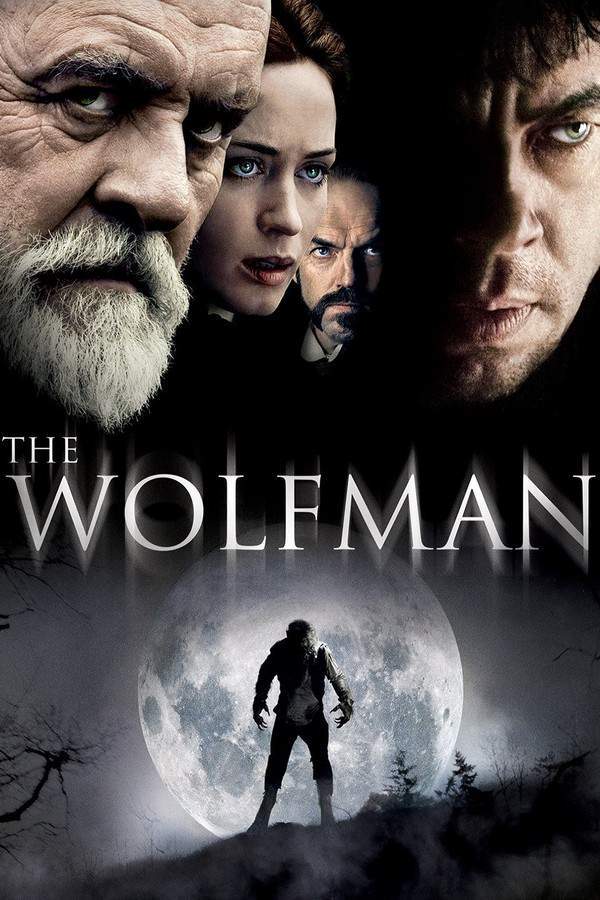
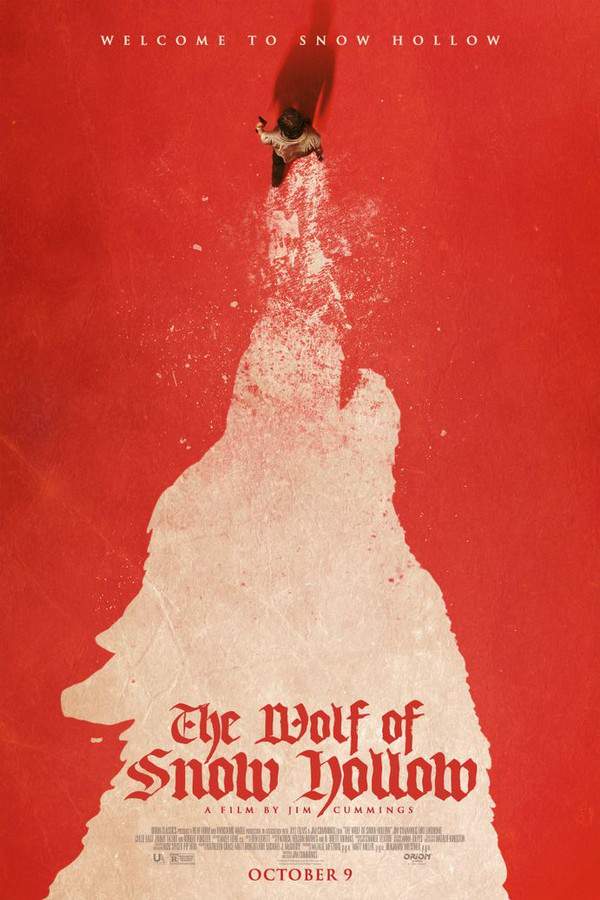
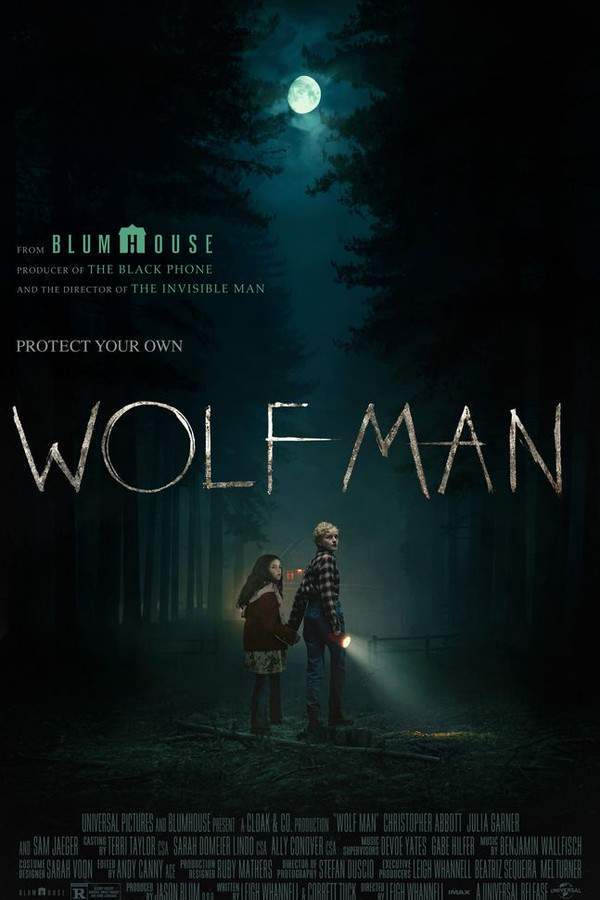


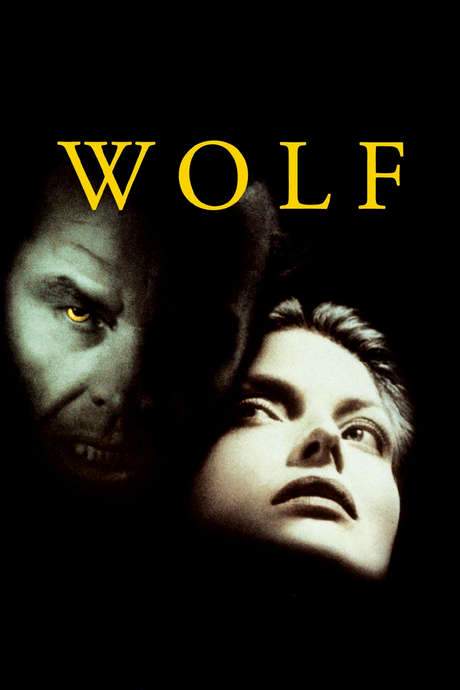
Featured on this page

What's After the Movie?
Not sure whether to stay after the credits? Find out!
Check out our other apps:

SAT Sphere
Build confidence for the Digital SAT.

Mori Atlas
Discover wild places worth protecting.

Luntero
Search smarter for a home in Amsterdam.

Plot Explained
Unravel movie endings and hidden clues.

Pokechamp
Dive into Pokémon data and battle logic.

Driving Theory
Get ready for your European theory test.

Movie Dust
Plan your next cinema trip with ease.

Musemap
Find art and culture as you travel.

Selkobase
Compare credentials before committing.

Local Manual
Turn an unfamiliar country into practical next steps.

Lernavi
Compare school systems before your next move.

GymRoam
Find a workout stop wherever your plans take you.
Explore Our Movie Platform
New Movie Releases (2026)
Famous Movie Actors
Top Film Production Studios
Movie Plot Summaries & Endings
Major Movie Awards & Winners
Best Concert Films & Music Documentaries
Movie Collections and Curated Lists
© 2026 What's After the Movie. All rights reserved.
Privacy Policy